





 Portuguese
  English
  Spanish
  4 min of reading
  0 comments


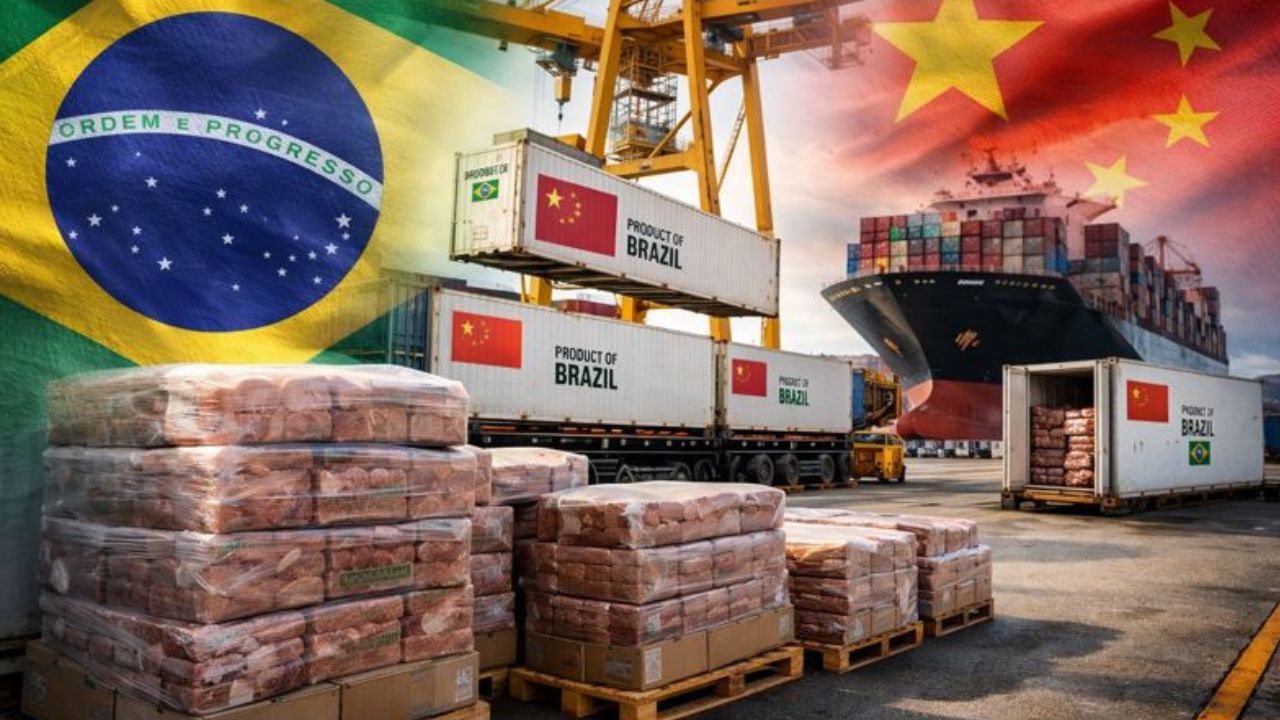
Beef Industry Fears Disorganization With Chinese Quotas And Defends Hilton Quotas Model To Preserve Brazilian Industry.
The Brazilian beef industry, represented by exporting slaughterhouses, has requested the federal government to adopt a model similar to the Hilton quota to organize sales to the Chinese market.
The request comes after the Asian country announced a quota of 1.1 million tons of beef with reduced tariffs for 2026.
The main concern is to avoid disorganization in the production chain, impacts on domestic prices, and economic instability in the sector, should there be no clear distribution criteria.
-
Historic bankruptcy of Centauro shocks the market, and the century-old company puts more than 500,000 products, machines, and complete infrastructure up for online auction.

-
New shoe factory in Ceará is expected to create 400 jobs and strengthen the local economy.
-
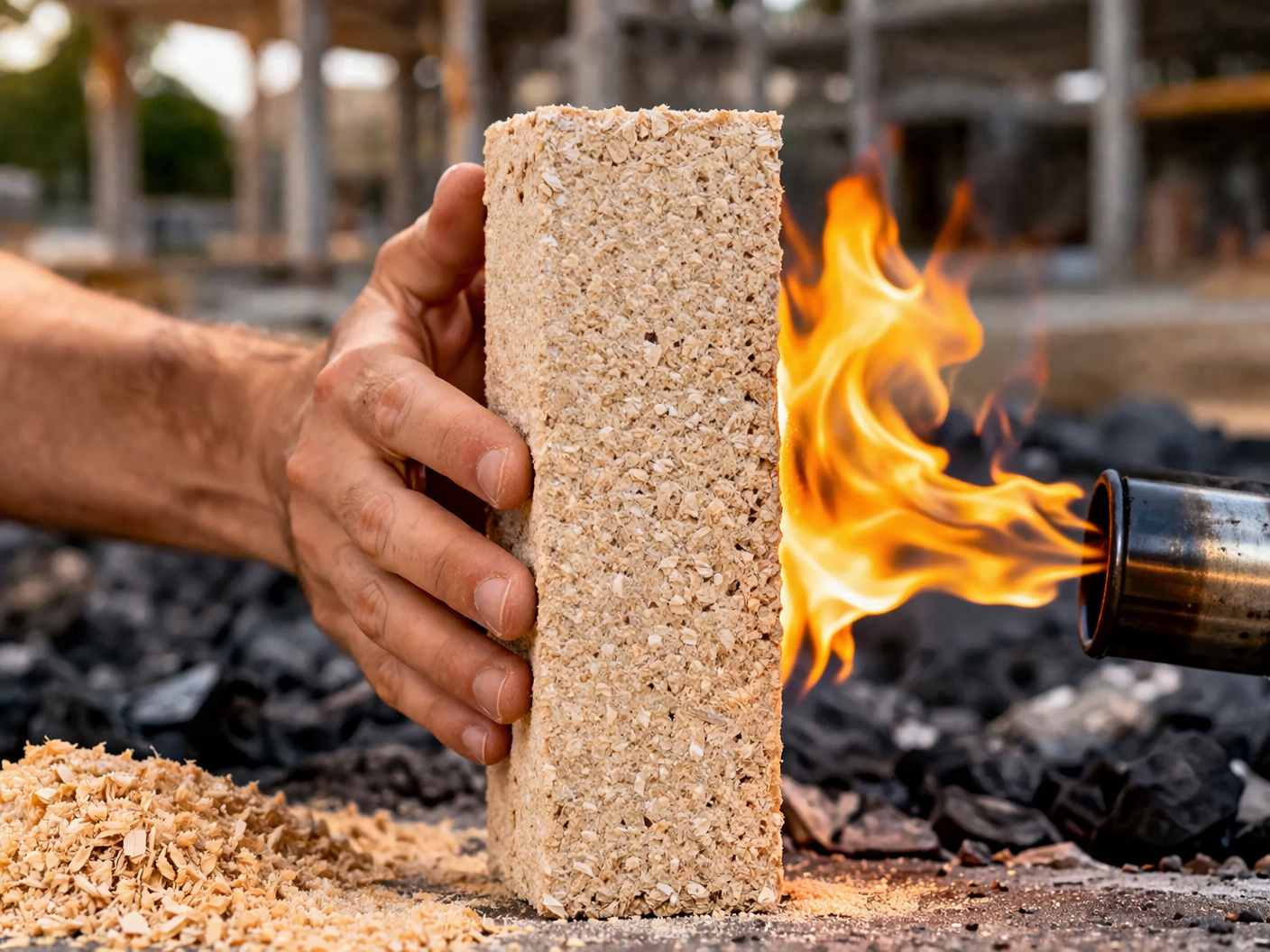
No one imagined it, but a mixture of sawdust with a mineral that fights fires surprises scientists with a result that changes the course of fire-resistant construction.
-
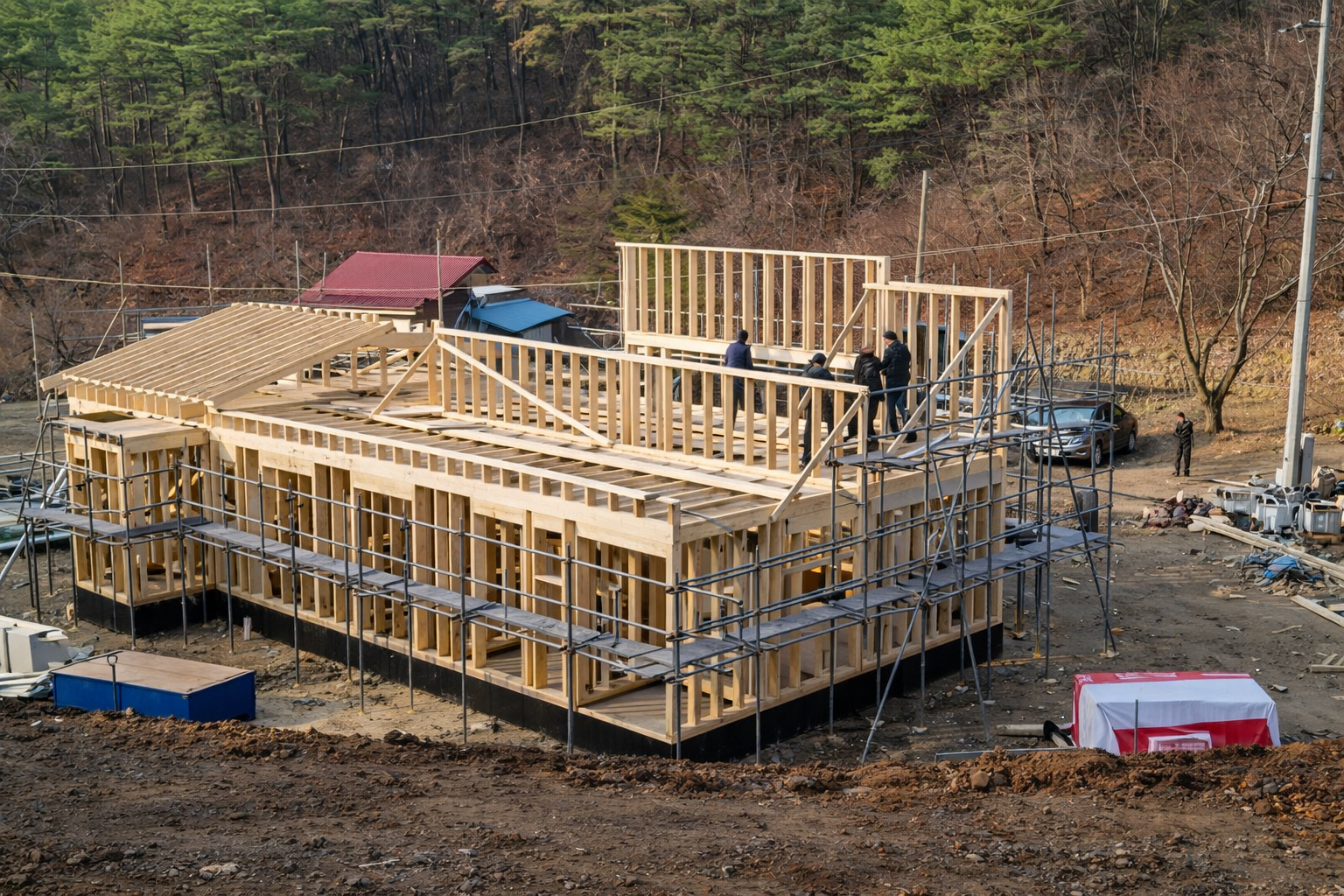
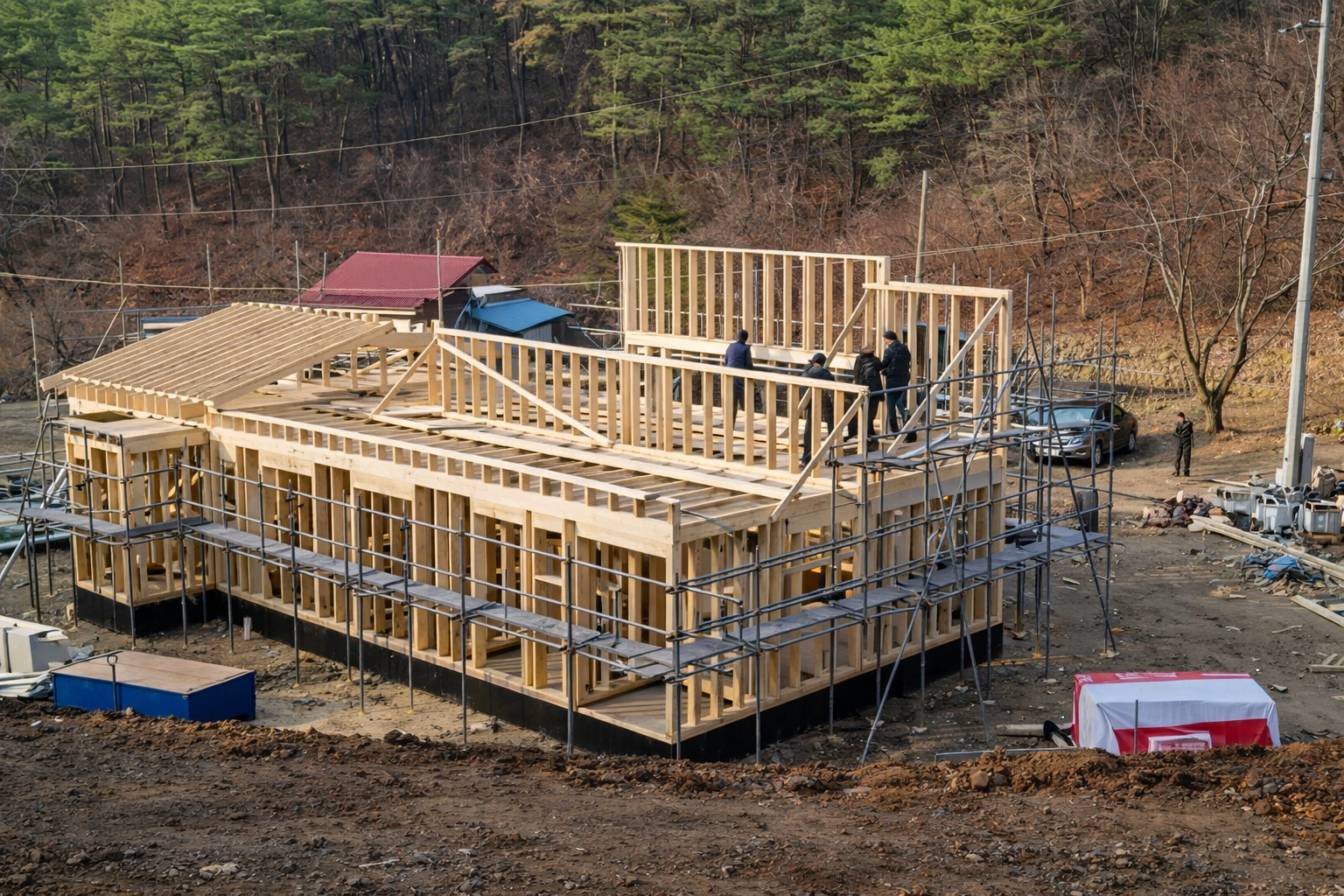
From empty land to a high-end house, wooden construction uses a lightweight system, metal structure for the foundation, ventilated ceramic cladding, and special windows to create an efficient and comfortable living space throughout the year.

The debate involves Brazilian authorities, sector entities, and international trade, at a sensitive moment for the global economy.
See More: Bull Penis Becomes “Gold” of Brazilian Meat in the Chinese Market
See More: Santa Catarina Prohibits Use of Imported Powdered Milk and Protects Rural Producers
Industry Fears Rush For Shipments And Disarray In Internal Market
The slaughterhouse sector assesses that, without internal rules, the release of the Chinese quota may trigger a rush for exports.
This movement, according to the Brazilian industry, tends to generate fluctuations in the price of live cattle and beef itself in the domestic market.
Furthermore, the risk is not limited to the short term. Representatives of the sector warn that initial disorganization may jeopardize the entire cattle supply chain for several years.
“Without state regulation, the sector fears a moment of price fluctuations, purchase rhythm of cattle, and shipments that could disorganize the chain,” states a source involved in the discussions.
Hilton Quota Is Seen As A Reference To Provide Legal Security
The proposal presented to the Brazilian government is to replicate, with China, the Hilton quota model, a mechanism created in 1979 by the European Union to regulate the import of high-quality beef.
In this system, the total volume is distributed proportionally among the companies that exported in the previous year.
The objective, according to the industry, is to provide legal comfort to the Executive and predictability to the sector. The idea has already been presented to Camex, responsible for strategic decisions in Brazilian foreign trade.
China Rejects Division By Slaughterhouse And Defends Free Access
Despite the progress of discussions in Brazil, Chinese authorities recently informed Brazilian and Argentine exporters that they do not intend to adopt the model of division by slaughterhouse.
According to the Chinese government, the management of the quota will be done locally, prioritizing those who export first, without limitation by company.
In this format, all licensed plants would have free access. When the total volume is reached, China will inform its trade partners and will apply an over-quota tariff of 55%.
The declared intention is not to restrict competition among slaughterhouses nor to reduce the bargaining power of the Asian country.
Scaling Of Sales Emerges As An Intermediate Alternative
In light of Chinese resistance, another proposal under discussion is the scaling of exports, with monthly or quarterly shipment limits. The measure seeks to avoid an excess of sales concentrated in few months.
Although it has the support of slaughterhouses, there are concerns within the cattle supply chain about possible side effects, such as distortions in prices paid to producers.
Still, sources from Brasília indicate that “the government is aware of the impacts” and is evaluating mechanisms to preserve the stability of the sector.
Sector Entities Advocate Rapid Government Action
A Abrafrigo openly advocates for the proportional distribution of the Chinese quota, in the mold of Hilton. Abiec has reported that it raised concerns to the government and that the companies will abide by the Executive’s final decision.
Meanwhile, international associations, such as the Argentine, report that China also rejected models similar to those applied in export quotas to the United States.
Global Economy Gives Increased Attention To The Issue
The debate takes place in a broader context of the international economy, marked by volatility in strategic markets.
Just as with silver, gold, and other precious metals, which are directly influenced by the decisions of the United States and China, beef has become a sensitive asset in global trade relations.
In this context, experts point out that the lack of coordination may reduce international prices and weaken the position of the Brazilian industry in the long run.
“Brazil should react with some sort of control to prevent the reduction of the international price. The government is discussing this,” stated a senior source.
Government Has Not Officially Positioned Itself Yet
When contacted, the Ministries of Development, Industry, Trade and Services, and Agriculture have not commented so far.
Meanwhile, the productive sector continues to pressure for a swift decision, fearing that the lack of clear rules may jeopardize not only the slaughterhouses but the entire beef supply chain in Brazil.









-

Uma pessoa reagiu a isso.