





 Portuguese
  English
  Spanish
 4 min of reading
  0 comments



Project Unites Scientific Innovation, Public Education, and STEM Training in Historic Mission of the Brazilian Space Sector.
The Brazilian space sector marks a historic milestone this Monday (12), when five Brazilian satellites developed entirely in the country are launched into space from the Satish Dhawan Space Center in India.
The mission, conducted at 10:17 AM local time (1:18 AM in Brasília), involves universities, startups, researchers, and, for the first time, high school students from public education, who actively participated in a real space mission.
The initiative consolidates the first national private constellation and reinforces the role of scientific innovation and STEM training as strategic pillars for Brazil’s future.
-
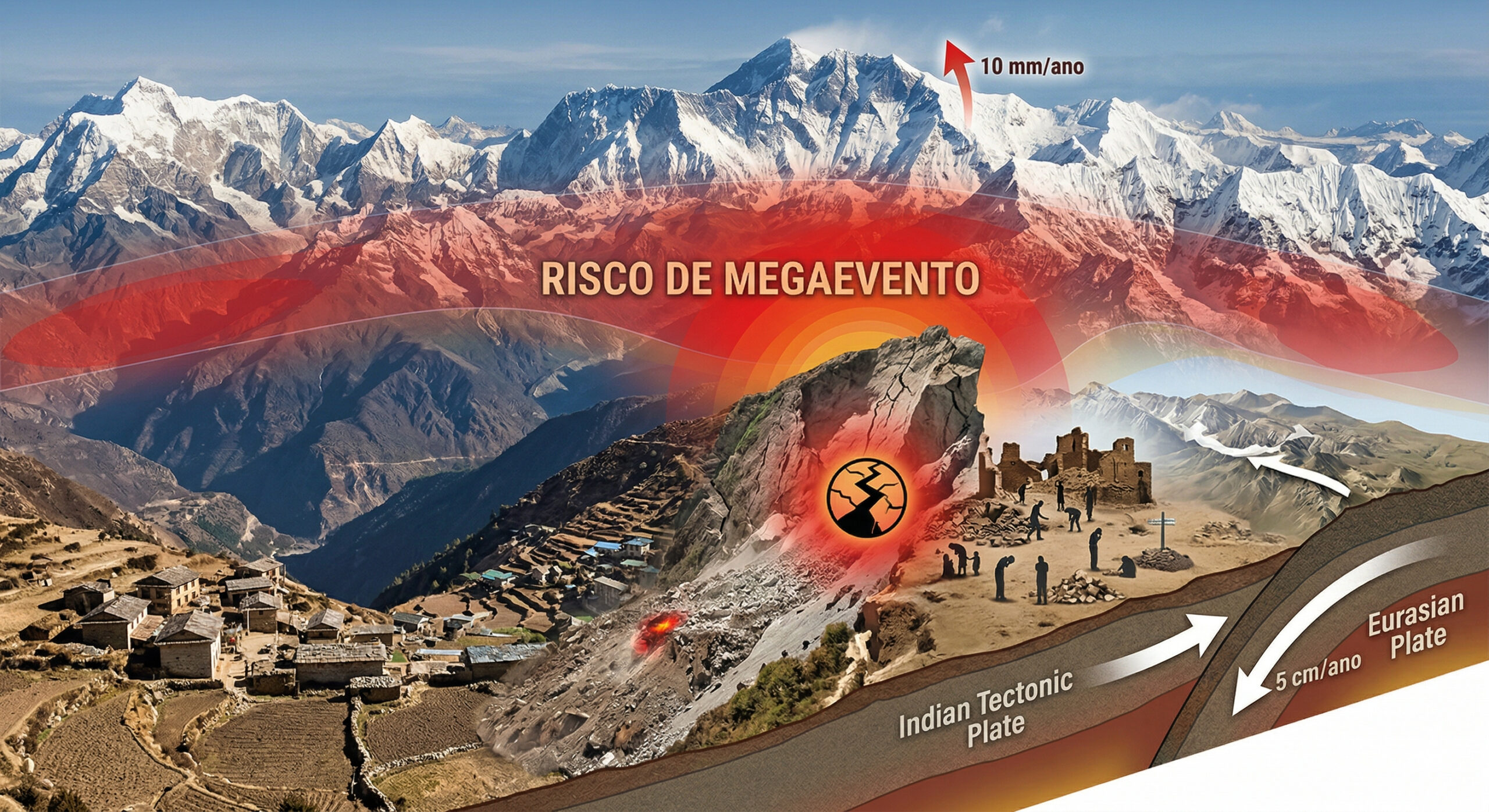
The Himalayas continue to grow to this day, with tectonic plates advancing 5 cm per year, mountains rising up to 10 mm annually, and the 2015 earthquake that killed 9,000 people may have increased the risk of an even larger seismic mega-event.
-
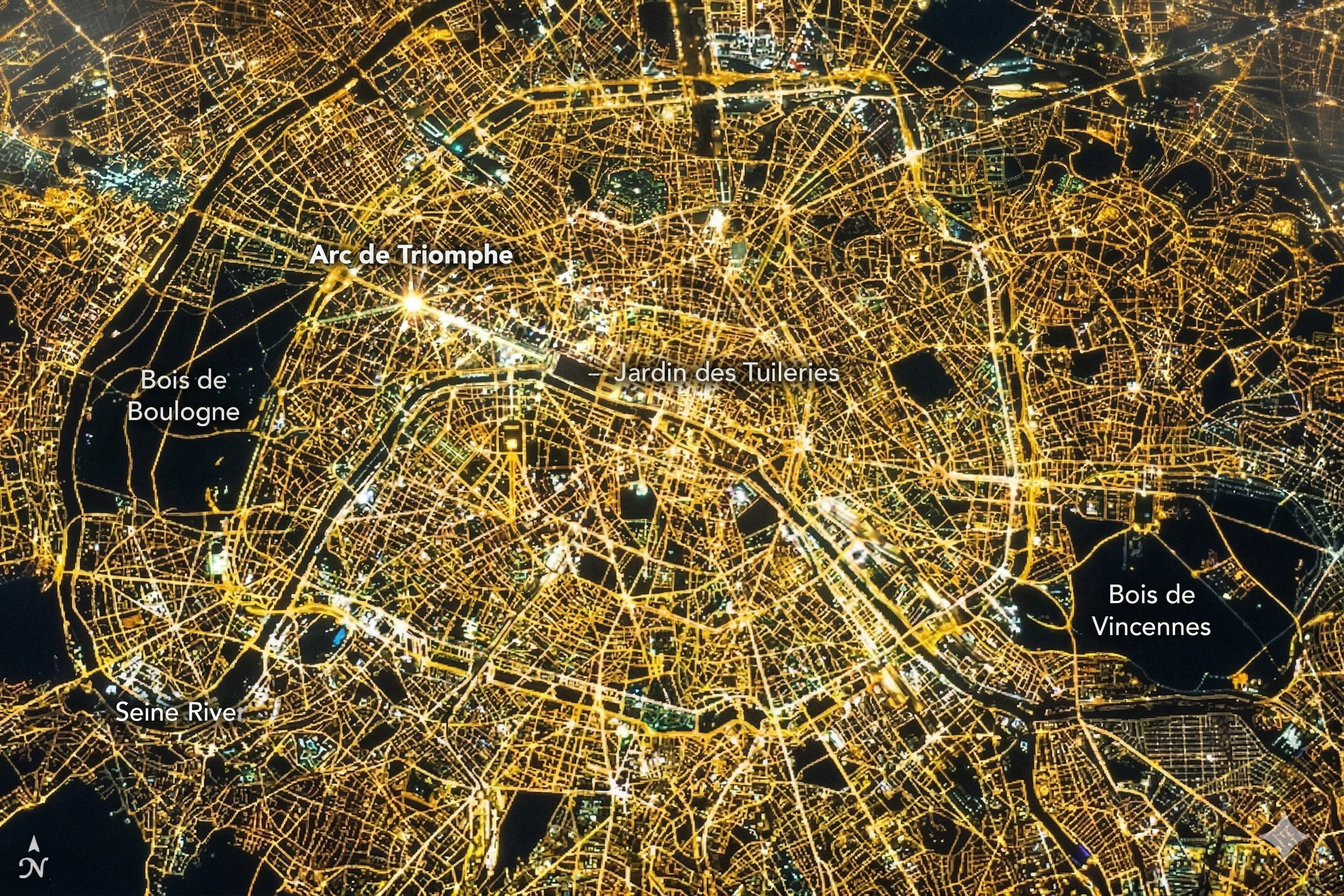
At an altitude of 400 km by astronauts from the International Space Station, Paris transforms at night into a golden mesh so precise that it reveals the outline of the Seine River, avenues, and entire neighborhoods like a luminous map drawn over the Earth.
-
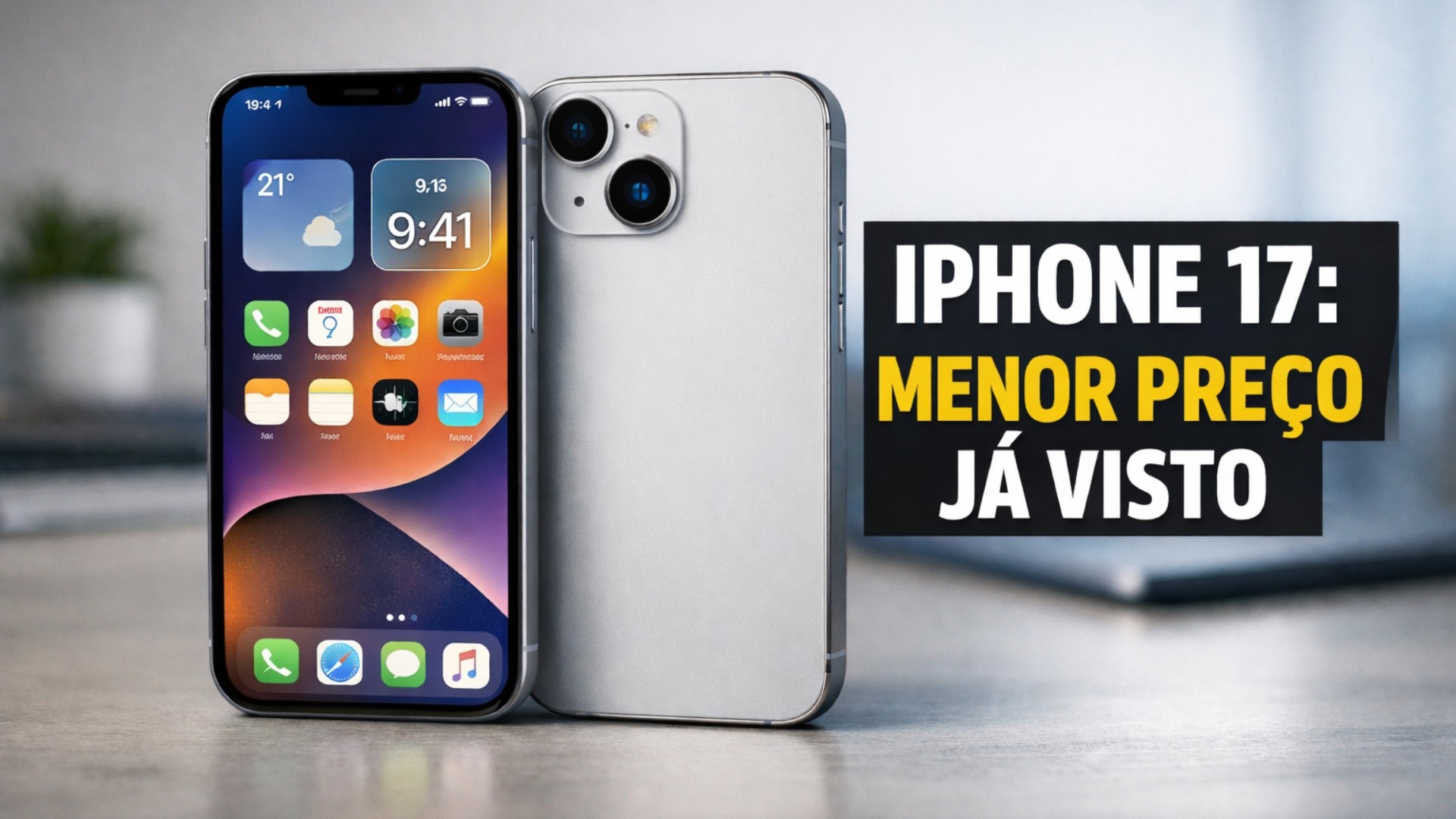
iPhone 17 reaches historic low price with 256 GB, 120 Hz display, and drops to R$ 5,703 on Shopee, featuring A19 chip, dual 48 MP cameras, battery life of up to 30 hours, and advanced AI features.
-
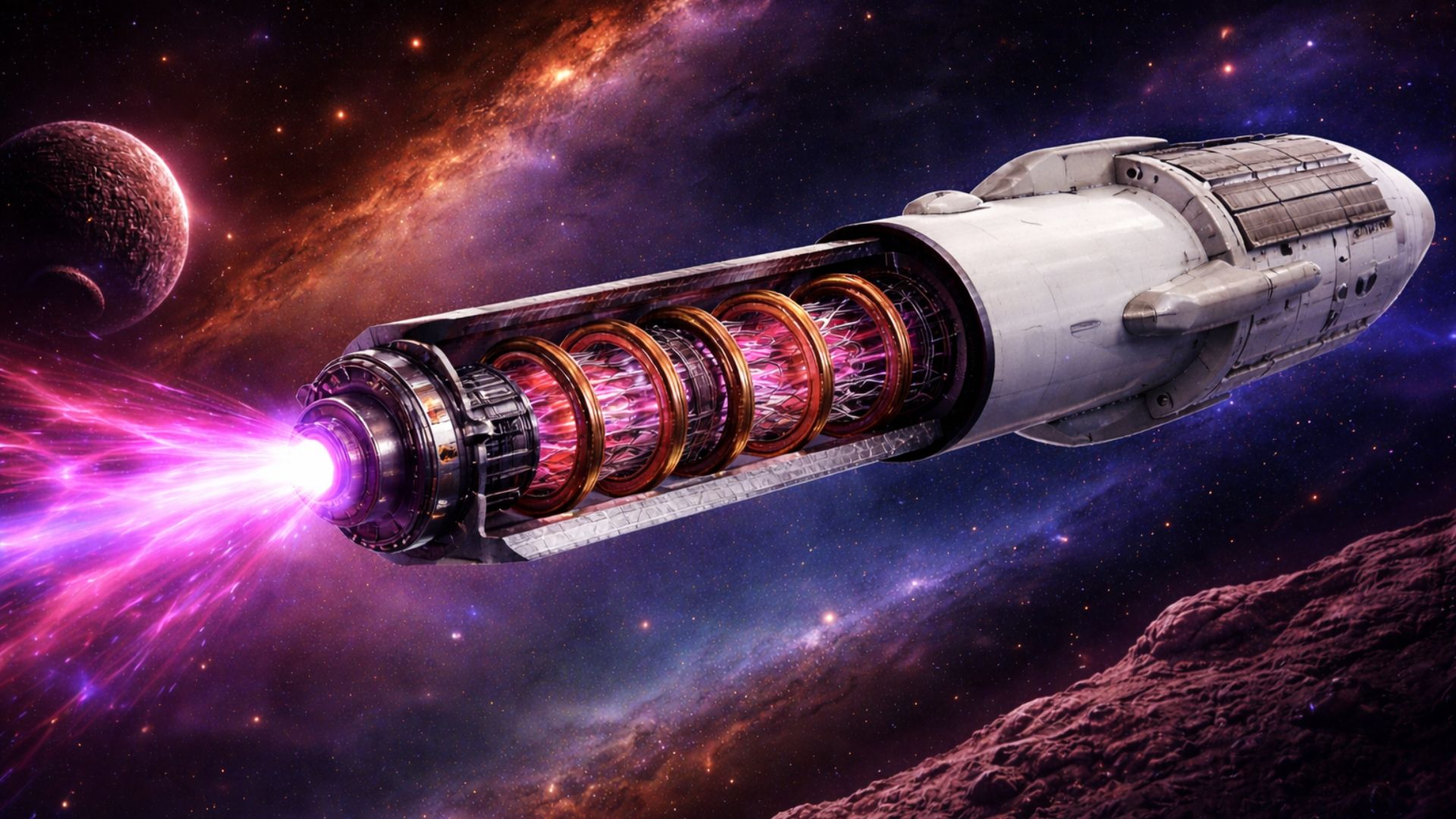
Trip to Mars getting closer: Pulsar Fusion, from the UK, advances with plasma ignition in fusion engine and could drastically reduce space travel time, making crewed missions faster, safer, and economically viable.

In addition to the technological advancement, the launch symbolizes a structural change in how the country connects science, public schools, and the space industry.
Among the equipment sent into orbit, one of the satellites was designed by students from the public school system of the Federal District, who followed all stages of the project from the conception of the idea to the final tests.
Mission Consolidates Advancement of the Brazilian Space Sector
The simultaneous launch of the five satellites represents the largest deployment of payloads ever conducted by Brazil.
Thus, the operation consolidates the first national private constellation, positioning the Brazilian space sector at a new level of technological maturity and autonomy.
The mission is part of the Space Challenge program, executed by the Brasilia-based startup Ideia Space, under the coordination of the Brazilian Institute of Information in Science and Technology (IBICT).
The initiative also has the institutional support of the Brazilian Space Agency (AEB) and partnerships with federal universities, strengthening the national science and technology ecosystem.
For Leonardo Souza, CEO of Ideia Space, the moment transcends the technical aspect. “This launch feels different because it’s 100% Brazilian.
It involves universities, public school students, researchers, and artists, all in national development. It’s a source of great pride,” he affirms.
Public Education Gains Prominence in the Space Race
The direct participation of students from public education is one of the central points of the mission.
Unlike simulated projects, the students participated in a real operation, with a direct impact on the Brazilian space sector.
According to Leonardo Júlio, founder of Ideia Space, the educational aspect of the initiative is as relevant as the technological one.
“This second launch is not only technological; it is profoundly educational,” he emphasizes.
For him, the goal is to bring youth closer to a sector historically viewed as distant, connecting schools, universities, public institutions, and cutting-edge technology.
This practical learning model enhances STEM training by allowing students to have direct contact with science, engineering, and innovation from an early age.
From Classroom to Space: Experience Transforms Students
For the young participants, the project completely changed their perception of science and future careers.
At 18 years old, Cauã Santos shares the impact of seeing a satellite developed by the group ready for launch.
“When we got to touch the satellite and test the systems, we thought: ‘This is really happening. We are going to space,’” he recounts.
Without any prior training in programming or engineering, Cauã states that the biggest challenge was the technical part, which was overcome through teamwork.
“I learned that no one needs to know everything alone. The project showed that working as a team means combining efforts, not competing,” he states.
He adds that space has ceased to be something abstract. “Today we understand how much we depend on it, from GPS to weather forecasting.”
At 19 years old, Pollyana Feitosa Siqueira also highlights the personal impact of the experience. “I was so involved in the classes that I didn’t immediately grasp the magnitude of it.
It really hit me during the first launch,” she recalls. For her, the project transformed dreams into real possibilities.
“Before, I saw space as something distant. Today, I see that we can study it and be part of this process.”
Brazilian Satellites and Social Return
In addition to the educational aspect, the Brazilian satellites will have practical applications in strategic areas such as environmental monitoring, maritime security, and agribusiness.
These uses amplify the social return of the mission and reinforce the role of scientific innovation in national development.
For Leonardo Souza, the application of data is essential. “It’s not enough just to launch the satellite.
The application is what generates returns for society,” he stresses.
According to him, initiatives like this help to popularize science and expand access to technology.
The CEO compares the Brazilian moment to India’s trajectory, which has heavily invested in science and technology over the past decades.
“Brazilian engineering is very good, but we still need to broaden access.
The impact of these launches could be similar to what India experienced,” he evaluates.
Public Pride and International Projection
Thus, representing public education in an international mission carries significant symbolic weight for the students.
“It’s almost like winning a World Cup,” defines Cauã. “It shows that something previously restricted to developed countries can also be done here.” Pollyana reinforces:
“It proves that public school students are capable of going far.”
As the countdown progresses in India, anticipation grows in Brasília.
If everything goes as planned, the five satellites will enter orbit in the coming hours, carrying scientific data, national technology, and a clear message: when public education, scientific innovation, and STEM training walk together, the Brazilian space sector also reaches space.





-

Uma pessoa reagiu a isso.