





 Portuguese
  English
  Spanish
  4 min of reading
  0 comments



Research With Supercentenarians Indicates That Genetic Miscegenation, Biological Resilience, and Adaptation of the Immune System May Explain Why Some Brazilians Surpass 110 Years With Clarity and Autonomy

Brazilian supercentenarians — people who reach 110 years or older — have been attracting the attention of international science for exhibiting rare patterns of extreme longevity. More than impressive numbers, these elderly individuals provide valuable clues on how to live longer and better. Brazilian researchers believe that the miscegenation and genetic diversity of the country may play a central role in this phenomenon.
The information was released by BBC News Brasil, based on a scientific article published in the journal Genomic Psychiatry by researchers from the University of São Paulo (USP). The study gathers genetic, biological, and immunological evidence from extremely long-lived Brazilians, many of whom remain lucid and independent even at advanced ages.
Currently, Brazil appears disproportionately in global longevity rankings validated by institutions such as LongeviQuest and Gerontology Research Group. This fact alone has sparked the interest of the international scientific community.
-
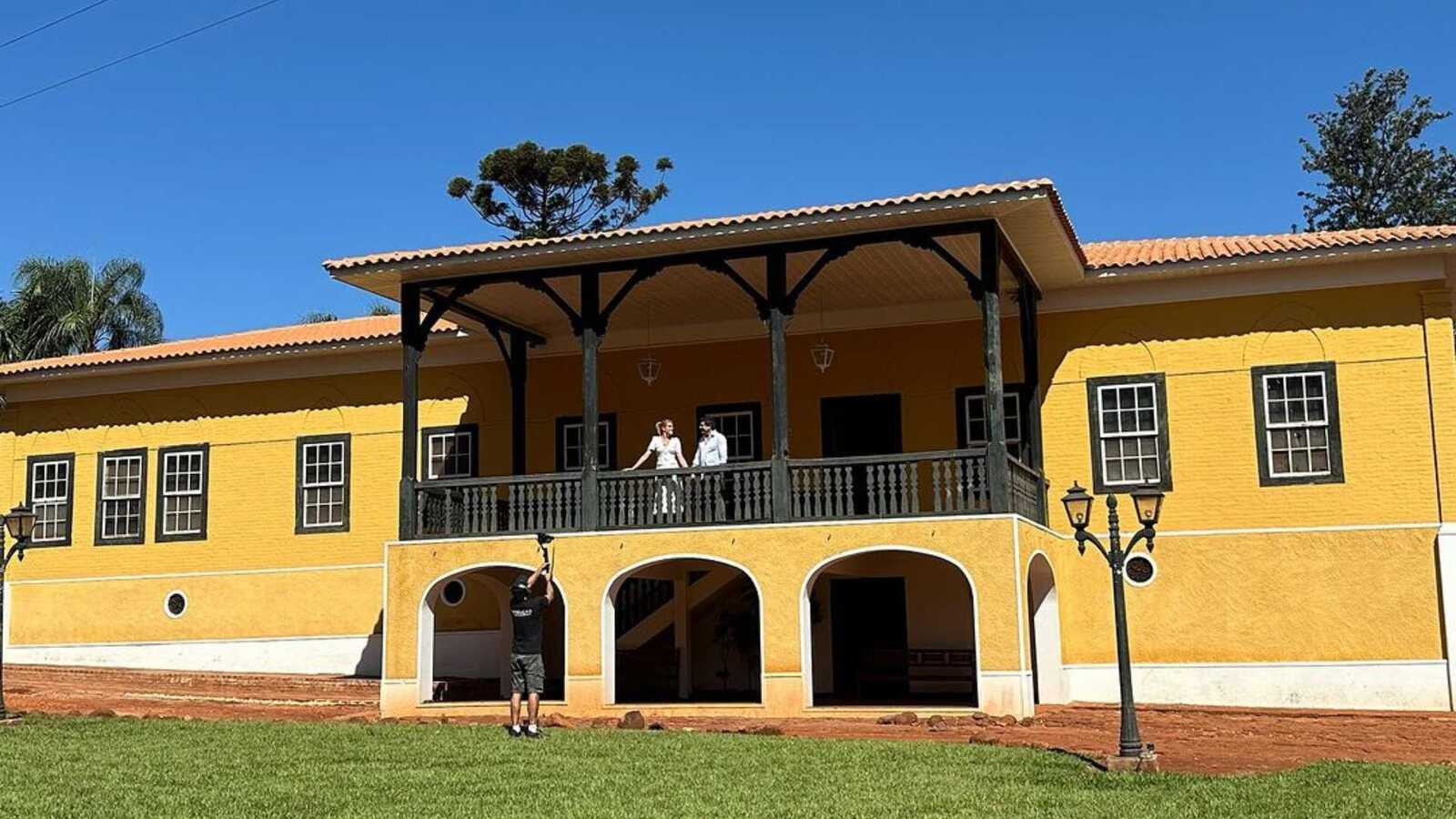
A Brazilian millionaire couple restores a farm over 150 years old in the interior of São Paulo and transforms the historic property with Portuguese tiles, antique furniture, and new spaces into a refuge that blends tradition, comfort, and sophistication.
-
Submerged city in a lake in Minas reveals intact streets, preserved vehicles, and houses after more than 60 years, impressing divers.

-
Yellowstone has started to rise again in an area of the caldera, and the movement rekindles fears surrounding the U.S. supervolcano, as scientists monitor the deformation and try to understand what is happening underground.

-
Woman arrested after receiving $1.2 million due to banking error and not returning the amount.


Why Brazil Stands Out Among Countries With the Most Supercentenarians
Since 2017, researchers at the Center for Human Genome and Stem Cell Studies at USP have been following Brazilian centenarians to understand the mechanisms of healthy aging. So far, the study has included 160 participants over 100 years old, 20 of whom are supercentenarians.
Among the most emblematic cases are João Marinho Neto, a 113-year-old from Ceará recognized by Guinness World Records as the oldest living man, and Inah Canabarro Lucas, a woman from Rio Grande do Sul who passed away in 2025 at 116, after being recognized as the oldest woman in the world. Both were part of the sample analyzed by scientists.
In addition to their extreme age, what stands out is the functional status of these individuals. Many remained lucid, active, and independent for basic daily tasks, even living in historically underserved regions with limited access to modern medicine throughout their lives.
This scenario, therefore, creates a rare opportunity to investigate resilience mechanisms that go beyond traditional medical interventions.
Genetic Miscegenation as a Possible Protective Factor

The main hypothesis raised by researchers is that the miscegenation characteristic of the Brazilian population favors genetic combinations capable of balancing biological risks and protections. According to Mateus Vidigal, the first author of the article, known genetic variants can act differently depending on ancestry.
One example cited is the APOE ε4 gene, associated with increased risk of Alzheimer’s in European populations. In individuals with African ancestry, however, this same variant may have a neutral or even protective effect. Thus, the genetic combination present in mixed-race Brazilians might reduce risks that would otherwise be elevated.
This mechanism helps to explain findings considered paradoxical. Some Brazilian centenarians presented mutations associated with high breast cancer risk but never developed the disease and lived beyond 100 years. According to researchers, this suggests the existence of compensatory mechanisms that are still poorly understood.
Adapted Immune System and Efficient Cell Maintenance
Another central point of the study involves the immune system. Researchers analyzed supercentenarians who survived covid-19 in 2020, before vaccination, and identified elevated levels of neutralizing antibodies and proteins linked to innate immunity.
Unlike the notion that immunity only declines with age, supercentenarians appear to undergo a functional reorganization. They maintain highly specialized defense cells capable of monitoring infections and potentially malignant cells with efficiency similar to that of younger individuals.
Additionally, essential cellular mechanisms remain preserved. Processes such as autophagy and proteostasis — responsible for eliminating damaged cellular components — function more efficiently in these individuals, reducing the accumulation of cellular errors associated with aging.
Laboratory tests also reveal unexpected hormonal profiles. Some hormones that typically decline with age appear at higher levels among centenarians, which could open new therapeutic hypotheses in the future.
What These Findings May Mean for the Future of Medicine
Researchers at USP have already sequenced part of the genome of the participants and are advancing in the genetic analysis of new volunteers. Broader results are expected to be published this year, with potential global impact.
According to the authors, understanding how genetics, the immune system, and cellular biology interact in extreme longevity may contribute to the development of personalized therapies, preventive strategies, and precision medicine approaches, especially relevant for countries with diverse populations like Brazil.
More than seeking magical formulas, the study reinforces that aging well involves a complex combination of biological, genetic, and environmental factors — many of which are still in the process of being discovered.
Have you ever stopped to think about what habits, family stories, or personal characteristics may be influencing how you will age?




-

-

-

-

-

10 pessoas reagiram a isso.