





 Portuguese
  English
  Spanish
  5 min of reading
  3 comments





Daily Life of Brazilian Women in Japan Exposes Adaptation, Identity and Choices Like Name and Language Amid Official Immigration Data and Reports Gathered by International and Brazilian Outlets, with Strong Presence of Markets, Typical Food and Community Networks.
Official data from Japan indicates that, by the end of 2024, the country counted 3,768,977 foreign residents.
Of this total, Brazilians ranked as the sixth largest national group, with 211,907 people.
In journalistic productions and analyses about this community, the routine of adaptation is described as a process involving language, school, work, and, in some cases, choices about how to present oneself socially, including the use of one’s own name.
-
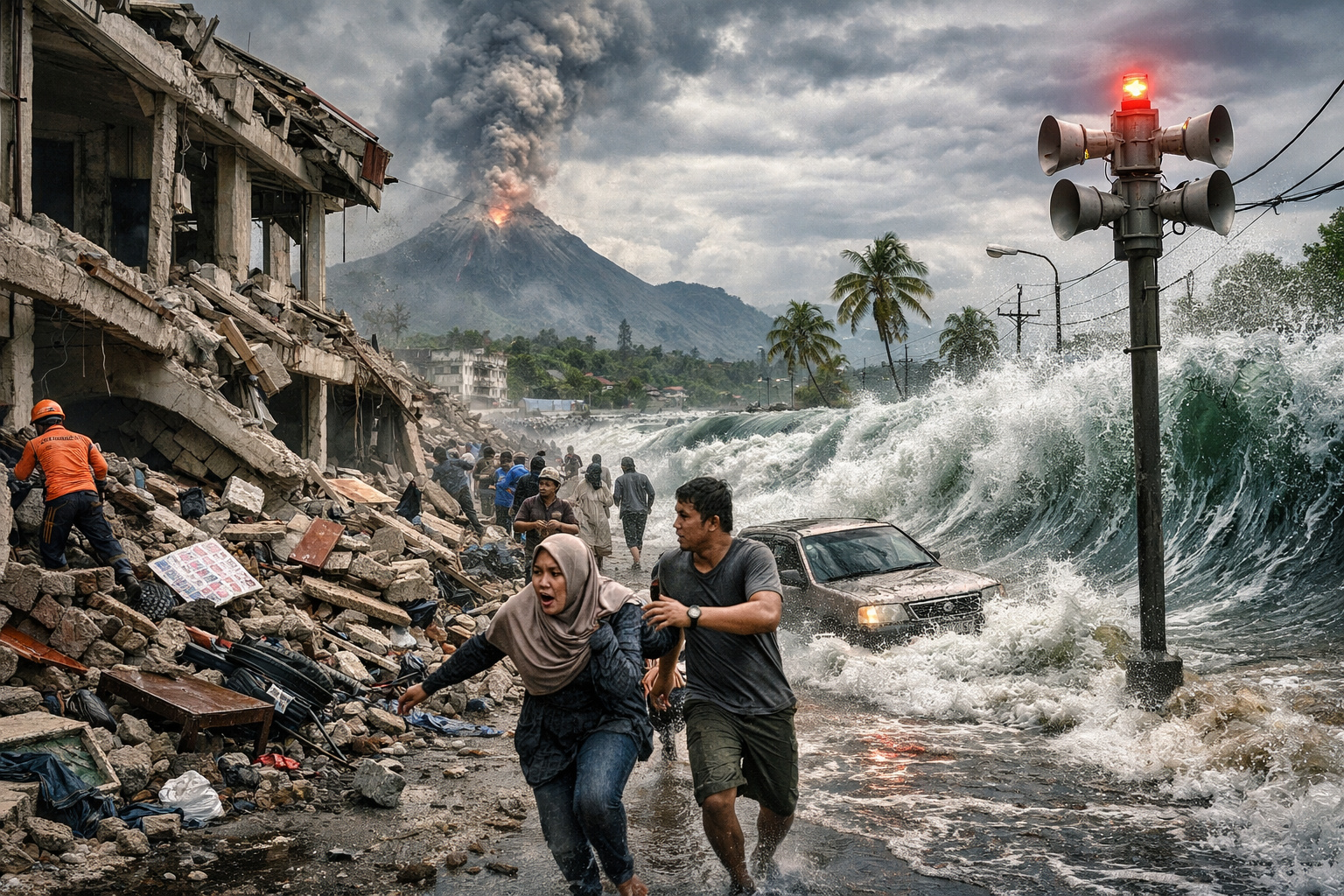
A strong earthquake in Indonesia affects houses and schools, causes panic, triggers a tsunami alert, and records a rise in sea level of up to 30 centimeters in some areas.
-
The Argentine government celebrates the lowest poverty rate in 7 years, but experts warn that the methodology has changed, real wages have fallen, unemployment has risen, and the number of people on the streets of Buenos Aires has increased by 57% since Milei took office.

-
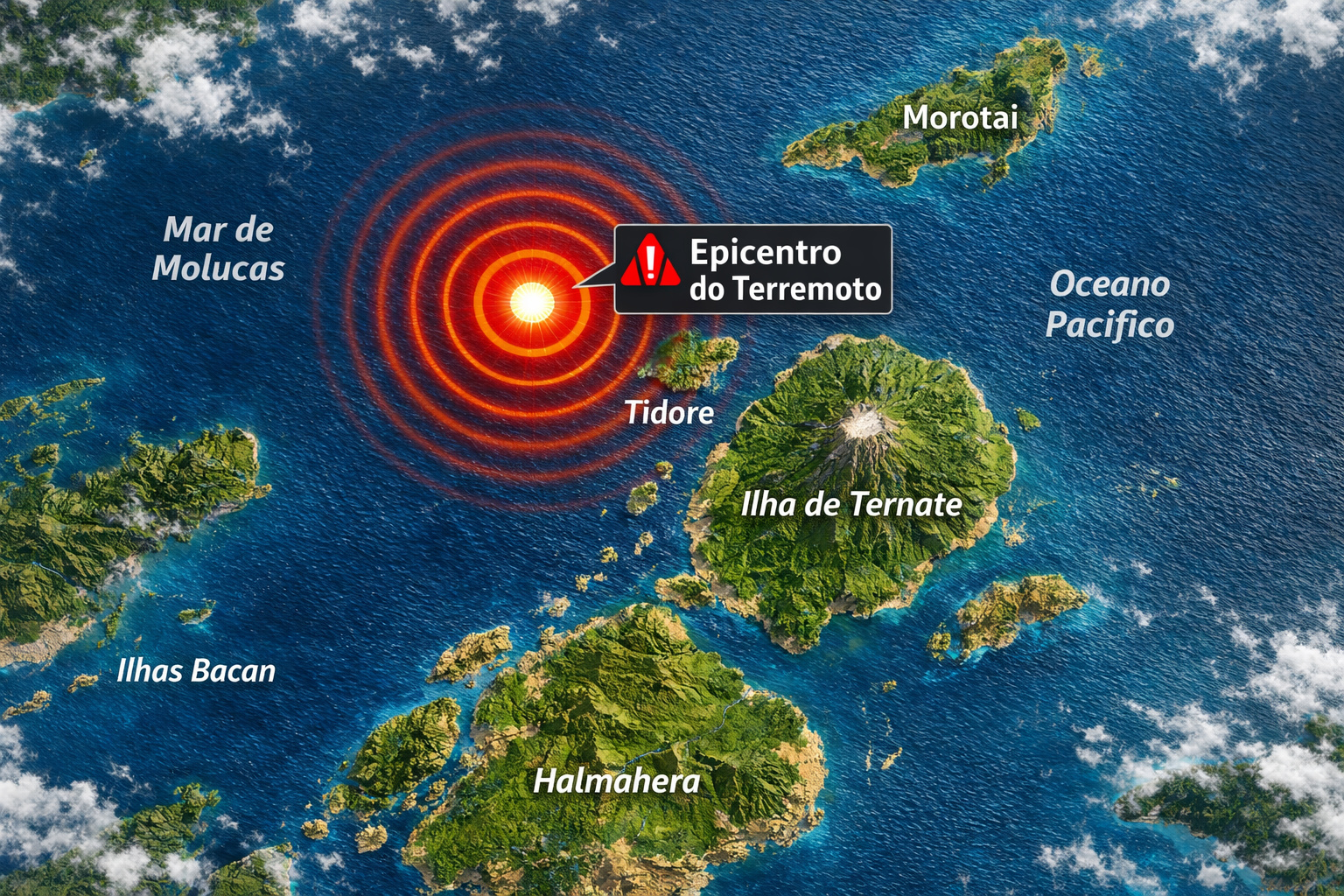
7.8 magnitude earthquake in Indonesia frightens the population, triggers tsunami alert, and hits an island with over 200,000 inhabitants this Thursday.
-
Google will finally let you change that embarrassing Gmail address you created in your teenage years without losing any accounts, logins, or old emails: the feature is already available in the United States.


BBC News Report and the Issue of Name
The experience of “living between two worlds” also appears in Brazilian audiovisual content and in international reports about the community.
According to a report published by BBC News, there are Brazilians who, when naturalizing in Japan, choose to “Japanize” their own name as a reported strategy to reduce barriers and stigmas associated with identifying as a foreigner in everyday situations.
Japanese School and Family Adaptation
A record associated with the Caminhos da Reportagem program, from EBC/TV Brasil, mentions the episode “Between Two Worlds, Brazil and Japan” and describes an interview conducted in Joso, in Ibaraki Prefecture, about Japanese school and the experience of a Brazilian family with a child in the local educational system.
This type of narrative usually focuses on practical everyday points, such as communication in the classroom, relationships with teachers, and family adaptations.
Naturalization and Identity Among Brazilians

Another recurring theme in reports about Brazilians in Japan is the relationship between identity and “name.”
According to BBC News investigations, interviewees reported that the change may have various motivations, including the attempt to reduce embarrassing moments and facilitate interactions in formal processes, registrations, and professional contacts.
The text also notes that, in some cases, the decision was described as a way to avoid prior judgments related to origin.
Children’s Names and School Routine
The same report indicates that the concern with names can also reach the next generation.
Still according to BBC News, some families reported having carefully researched their children’s names, hoping to reduce questions and embarrassments in the school environment.
The topic appears, in this context, linked to repetitive daily tasks, such as filling out forms and situations where the name circulates in communal spaces.
Dekassegui Migration and Legal Changes
Part of these experiences is contextualized by studies and reference texts on Brazilian migration to Japan.
An analysis of the so-called dekasseguis recalls that, after changes in immigration law in 1990, the country began to allow the long-term entry of descendants of Japanese and their spouses to work, which boosted the migration of Brazilians of Japanese descent.
The same material describes a paradox often pointed out in testimonials: many of these Brazilians have an appearance associated with Japan but are culturally Brazilian, and are not always perceived as “insiders” by local society.
The analysis also highlights impacts on the lives of children and adolescents, especially when there are difficulties with language and school integration.
Gaijin Term and Perception of Foreigners
In reports and studies, the term gaijin appears as part of this debate.

The word is described as a colloquial way to refer to foreigners in Japan and appears, in some accounts, associated with the feeling of being perceived as “outside” in everyday interactions.
Instead of an isolated event, different sources describe that perception can form through a buildup of situations, such as interactions where nationality is presumed, the need to repeatedly explain one’s own origin, or episodes of unequal treatment.
Discrimination and Testimonies Cited in Analyses
The discussion about discrimination is also mentioned in reference texts about the community.
The analysis of dekasseguis cites that foreigners may face restrictions and discriminatory treatment in different spheres, including access to housing and commercial establishments.
The material mentions an episode in Hamamatsu where a Brazilian was reportedly asked to leave a jewelry store after the owner discovered her nationality.
Brazilian Community in Cities Like Ōizumi
At the same time, some cities appear in reports as places where the Brazilian presence becomes visible in urban space.
In Ōizumi, a report describes the main street with markets selling products from Latin American countries and mentions the existence of Brazilian supermarkets.
The text further presents the account of a Japanese-Brazilian woman who manages a market and compares the treatment received there with the experience in another city, where, according to her, greetings were frequently ignored.
Brazilian Food, Markets and Memories of Brazil
Food is another element documented in reports about the Brazilian presence in Japan.
A text from National Geographic relates the migration of Japanese-Brazilians to the growth of restaurants and stores aimed at Brazilian customers and describes Hamamatsu as a hub associated with a large population of Brazilians, citing establishments that advertise items like pão de queijo and feijoada.

From this scenario, other reports and studies point out that markets and restaurants become support points for the routine of those living far from Brazil, including families looking to maintain cultural references at home.
Community Networks and “Island Communities”
Community organization is also addressed in analyses on the topic.
The reference text on dekasseguis describes the concentration of Brazilians in certain areas and mentions the formation of what it calls “island communities,” associated with work and housing networks.
The same material notes integration challenges in a society with specific cultural norms, especially for newcomers.
In these circumstances, different sources report that domestic choices, such as the language spoken at home, consumption of Brazilian media, and eating habits, can serve as ways to maintain cultural ties, while adaptation to Japan continues to occur on other fronts, such as school and work.
Habits, Naturalization and Daily Life at Home
Within this set of accounts and records, changes in habits appear on multiple layers.
In some cases, the changes are described as adjustments in behavior in public spaces and at work; in others, they involve formal decisions, such as changing names after naturalization, presented by interviewees as a strategy to reduce barriers.
At this point, BBC News also pointed out that the choice to “Japanize” one’s name was described by some interviewees as a way to lessen the impacts of prejudice in daily life.
The presence of Brazilian foods and products at home emerges in reports as a recurring trait of the routine of those seeking to preserve references to Brazil while dealing with the experience of being perceived as a foreigner.







Sinceramente, se tem um lugar que não faço questão de ir é o JAPÃO
Infelizmente existe discriminação dirigida aos dekasseguis. Vivi no Japão,entre os anos de 1992/93, Terra Natal de minha mãe, que nasceu em Kumamoto e em certa ocasião, voltando do trabalho, com um amigo, um transeunte ao perceber que éramos brasileiros, partiu literalmente para agressão física e ficamos ali no meio da rua, sem entendermos nada. Existiam anúncio nos mercados e shoppings, quando se percebiam a presença de brasileiros, para que se aumentasse a vigilância.
Por essas e outras, eu nunca quis sair do Brasil. Brasileiros descendentes de outros países serão sempre discriminados nas terras de origem de seus ascendentes.
Uma vez brasileiro, sempre brasileiro, independente de qualquer ascendência.