





 Portuguese
  English
  Spanish
  7 min of reading
  31 comments




At Crowded Borders, Brazilians Enter Pharmacies In Paraguay In Search Of Cheap Tirzepatide, Fueling A Clandestine Market For Weight-Loss Pens And Bringing Unregistered Weight-Loss Drugs Back To Brazil, Ignoring The Risks Of ICU Hospitalization, Severe Sequelae, And Avoidable Deaths Even With Alerts From Doctors, Health Authorities, And Concerned Family Members
Brazilians have been crossing the border en masse to buy weight-loss drugs at pharmacies in Paraguay, where tirzepatide is sold in cheap ampoules, supplying a clandestine market for weight-loss pens that evades Anvisa oversight and spreads across Brazil.
On the other side of the border, the substance originally developed to treat diabetes has turned into a high-turnover commodity. Pharmacies in Paraguay that should require a prescription end up selling tirzepatide with no control, feeding a clandestine market that starts at the legal storefront in the neighboring country and ends in makeshift applications at homes, gyms, and even beauty shops in Brazil. Experts warn that many of these products are not registered with Anvisa, and the short-term savings of short-term could end in ICU hospitalization.
The Rush To Pharmacies In Paraguay And The Logic Of Low Prices

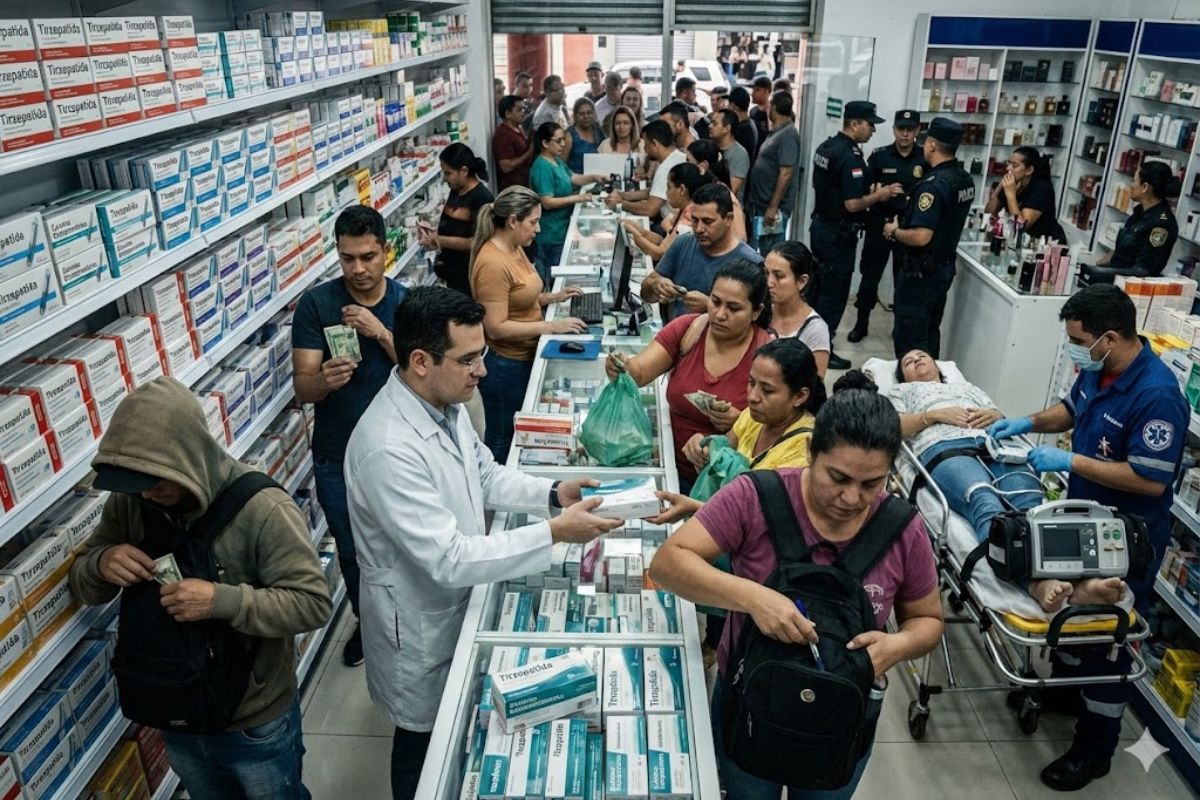
In border cities, pharmacies in Paraguay have become a main attraction for Brazilians seeking trendy weight-loss drugs.
-
Brazil Ignores Trump’s threats to BRICS, Buys 42 tons of gold and reduces the Dollar’s share by 6.45% in international reserves.

-
Havan buys historic football land in Blumenau for a million-dollar amount protected by a confidentiality clause and is already planning to change even the layout of streets to build a megastore in half-timbered style costing 80 million reais.

-
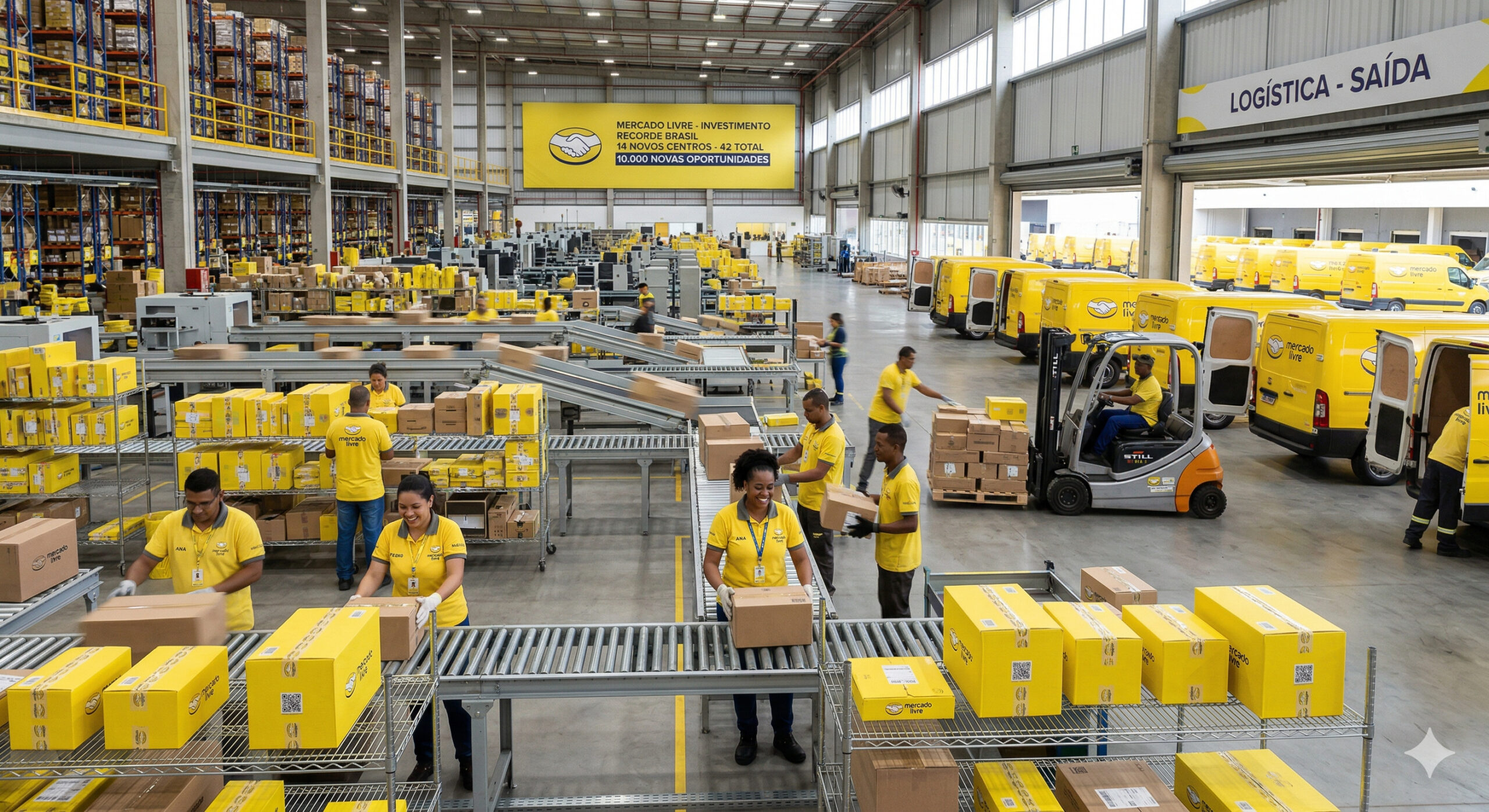
Mercado Livre “opens the vault” and announces a record investment of R$ 57 billion in Brazil in 2026, a value 50% higher than the previous year, with an expansion plan that includes 14 new logistics centers, totaling 42 units in the country and hiring an additional 10,000 employees.
-
How investment in technology can revolutionize the national economy and enhance industrial gains, according to a study that highlights the direct impact on productivity, innovation, and wealth retention within Brazil.


In Ciudad del Este, the medication appears on banners, posters, and street advertisements.
Inside the establishments, Portuguese and Spanish mingle at the counter, and reporters with hidden cameras identify more Brazilian consumers than Paraguayans.
The most sought-after product is tirzepatide, legally sold in Brazil only with a medical prescription and in the form of an injector pen, with a trademark protected by a patent.
In pharmacies in Paraguay, the most common offer is ampoules for injection with a syringe, sold in dollars and converted to around R$ 600 for the same amount of substance that costs about R$ 3,500 in Brazilian networks.
The price difference, combined with the ease of purchase without a prescription, has pushed many consumers to ignore the associated risks of unsupervised use.
Clandestine Market That Begins In Pharmacies And Ends On Social Media

The Paraguayan health legislation states that drugs based on tirzepatide can only be sold with a prescription.
The local agency Dinavisa recognizes that the medication is registered in the country and is authorized for production and commercialization.
In practice, however, pharmacies in Paraguay visited by the report sold the ampoules without requiring any prescriptions, opening the door for Brazilians to purchase large quantities for illegal resale in Brazil.
These purchases supply a clandestine market for weight-loss pens and fractionated ampoules, now widely advertised in social media groups.
Sellers compete for interested buyers with videos, testimonials, and promotions.
A box with four ampoules can be offered for R$ 1,700. In another case, the deal closed two ampoules of tirzepatide for R$ 200, delivered in a plastic container with syringes, without an official label and without any guarantee of origin.
The cycle starts in pharmacies in Paraguay and ends at the doors of residences in southern São Paulo, with deliveries by motorcycle couriers and “delivery” schemes set up outside any health control.
Perfume Shop Used As A Clandestine Clinic And Arrests On The Coastal Side Of São Paulo

One of the most emblematic cases involves a perfume shop in São Vicente, on the coast of São Paulo, used as a point of sale and clandestine application for injectable weight-loss drugs imported from Paraguay.
According to the police, the person responsible for the scheme, Flaviana Pires dos Santos, drove to buy large quantities of ampoules at pharmacies in Paraguay and brought the load back for resale.
At the location, which formally operated as a perfume shop, various used ampoules and discarded syringes were found in the trash, evidencing that the environment was used as a sort of clandestine clinic, without appropriate sanitary conditions for the application of injectable medication.
The investigations further pointed to a regional delivery scheme and shipments by mail to other states.
In the operation, more than 50 weight-loss ampoules, empty packaging, syringes, and other products imported without a receipt were seized.
Flaviana was arrested for counterfeiting and selling unregistered products and for organized crime, along with a nursing assistant who performed the injections and the motorcycle courier responsible for the deliveries.
From The Promise Of Weight Loss To ICU Hospitalization
Cases of self-medication with substances purchased from pharmacies in Paraguay have been accumulating, with reports of serious effects and hospitalizations.
The influencer Mayara Cardoso decided to take a weight-loss drug imported on the recommendation of a friend, without even knowing the exact name of the medication injected. One day after the injection, she began to feel unwell.
She arrived at the hospital in a state of severe dehydration and malnutrition, needing to be transferred to an intensive care unit.
“When I arrived, she said right away that she would have to put me in the ICU, that I would stay in the ICU all night,” Mayara recounted, who was transferred from a small hospital to a larger unit with ICU facilities and stayed hospitalized for 24 hours.
Even two weeks after the crisis, she still felt adverse effects, especially when consuming fatty foods.
The influencer describes feeling ashamed for taking up a high-complexity bed due to an impulsive decision to take a “pen” for weight loss while she was healthy.
What’s Inside The Ampoules And Why The Risk Is Greater
Doctors and specialists consulted for the report are categorical: medications manufactured in laboratories in Paraguay that have not been evaluated by Anvisa cannot be sold in Brazil, even if they have authorization in other countries.
This applies to both pens and ampoules. In addition to configuring irregular sales, these products raise a warning about the uncertainty of what is actually contained inside each vial.
One of the critical points is that the original active ingredient, developed and patented by major laboratories, is not easily copied, and many vials sold as tirzepatide may be mixtures of unknown substances.
As injectable medications, the sanitary risk grows even more: exposure to heat, humidity, and conservation failures can lead to contamination.
Experts describe potential effects such as allergic reactions, swelling, skin lesions, vomiting, diarrhea, headaches, shortness of breath, and fatigue.
When the substance does not follow safety protocols, the promise of rapid weight loss turns into “a cheap option that could cost your life”.
When The Pen Is An Ally: The Contrast Of Proper Medical Use
The same class of medications that causes crises in those who buy them outside also can be crucial for patients under medical supervision.
The influencer Aline Lebrada, for example, reached nearly 200 kg and fell into depression after traumatic episodes of discrimination on public transport.
With the guidance of a nutritionist and doctors, she began using weight-loss pens within a structured treatment plan, combining dietary adjustments, monitoring of effects, and continuous supervision.
Aline lost more than 40 kg, but over time began to experience severe pain related to her gallbladder and episodes of pancreatitis, leading to a reduction and weaning off the medication.
Another patient, Valentina, reports losing 30 kg in six months and 23 kg in two years with a strategy that combined gym workouts, healthy eating, and pen application under prescription.
She defines the medication as “a crutch” in the weight loss process, and not as an isolated solution, emphasizing the need for medical consultation and regular follow-up.
The Banality Of Risk And The Role Of Anvisa
Anvisa emphasizes that there are no approved generic tirzepatide medications in Brazil and that drugs registered only abroad cannot be sold in the country.
Under no circumstances is the sale of unregistered medications allowed, which places both the ampoules brought from pharmacies in Paraguay for resale and the pens of dubious origin distributed on social media in the realm of illegality.
Even so, the perception of risk has been diluted by the discourse of “a friend’s experience.”
Reports such as “I lost weight this way, don’t you want to lose weight too? Here, take it, nothing happens” spread in messaging groups, normalizing decisions that completely ignore each person’s health history and clinical conditions.
For those who have already experienced the shock, like Mayara, the message is clear: information alone is not enough when used solely to justify shortcuts.
The central point is to understand that no aesthetic result compensates for the risk of ending up in an ICU due to a medication whose origin and composition are unknown.
The Real Price Of Pharmacies In Paraguay
The phenomenon of Brazilians crowding pharmacies in Paraguay in search of cheap tirzepatide exposes a delicate equation between the desire to lose weight quickly, aesthetic pressure, the influence of social media, and weaknesses in border oversight.
The same structure that allows access to expensive medications at lower prices also supports a clandestine market for pens and ampoules without Anvisa registration, applied in beauty shops, homes, and delivery schemes, far from any clinical environment.
Between the promise of quick results and the reality of ICU hospitalizations, the difference lies in the path chosen.
When the medication originates in a doctor’s office and follows protocol, it can be an important tool for those who truly need it; when it begins in pharmacies in Paraguay and ends in app groups, it becomes a high-risk wager against one’s own health.
And you, faced with this rush to pharmacies in Paraguay for weight-loss drugs, believe that the biggest problem lies in aesthetic pressure, lax oversight, or the individual decision to risk one’s health for a quick result on the scales?








Lipoless é vida. 1/4 do valor do Munjaro. E claro que muita gente está preocupada pq esta perdendo fatias do bolo.
Blá blá blá… Conversa de noticiário esquerda pra colocar medo dizendo que pessoas vão morrer! E o medo da bala perdida e das drogas do narco estado? Kkkk a mídia isento pelo preço que é paga não diz nada? KKK.
Pilantras! Só falam isso pelo que recebem e não pelos impostos que lesam o povo brasileiro
O problema não é a medicação em si mesma, muito menos o fato de ser vendida no Paraguai. A falta de informação à população quanto à medicação é que traz sérias consequências pelo mal uso, o não seguir o que é necessário enquanto o produto faz efeito no organismo. A diferença de valores entre o que é oferecido no Paraguai e o que é importado pelos médicos do Brasil é gritante. Ao mesmo passo, é óbvio que tem muita gente incomodada ao ver sua “exclusividade” esvaindo… Até “ontem” era permitida a aquisição da medicação paraguaia, mas num “passe de mágica” a ANVISA passou a proibir, o que causa estranheza. É claro que não há como desconsiderar as ações dos afoitos pelo lucro a qualquer preço, o que realmente prejudica quem faz uso da medicação, pois vendem sem autorização para tal, e consequentemente não são objeto de fiscalização, transportando de forma errada e até falsificando o produto. Mas como disse, o problema não é a medicação vendida no Paraguai. Ela está ok. O problema, para variar, é o poder público, por não autorizar a entrada no país, por não fiscalizar o comércio (que deve ser autorizado), e por não alertar a população dos riscos do uso sem orientação e não fazer as devidas orientações visto o grande uso do produto, um caso que deve ser visto como de saúde pública. Espero que não. demore muito para a medicação ser produzida no país e esse tipo de situação acabe.