





 Portuguese
  English
  Spanish
  6 min of reading
  6 comments


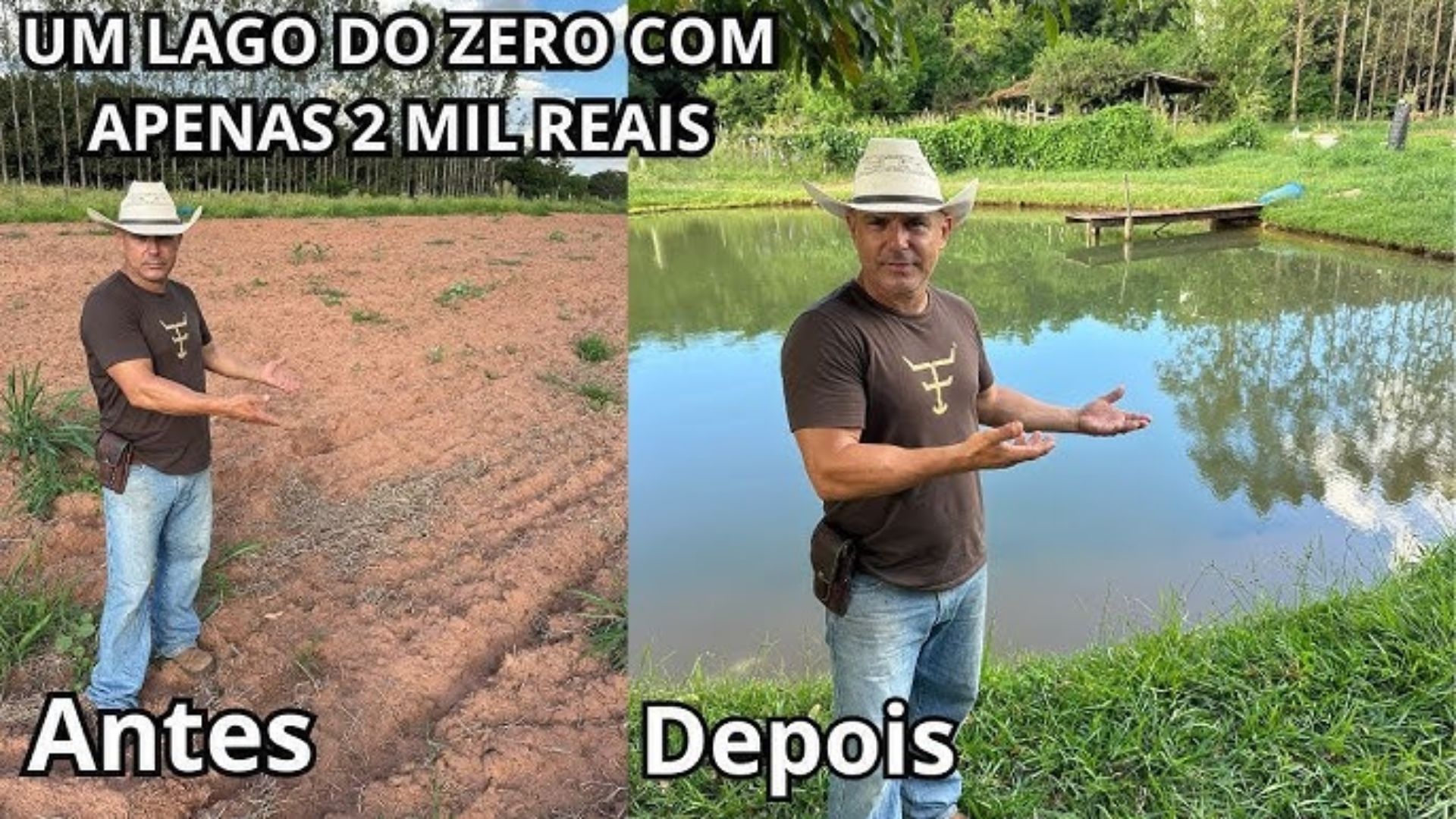


Detailed Process Shows How a Farmer Transformed Sandy Soil Into a Functional Reservoir, Using Accessible Materials, Buried Impermeabilization Technique and Own Labor, With a Focus on Low Cost, Durability and Multiple Use of Water on the Property.
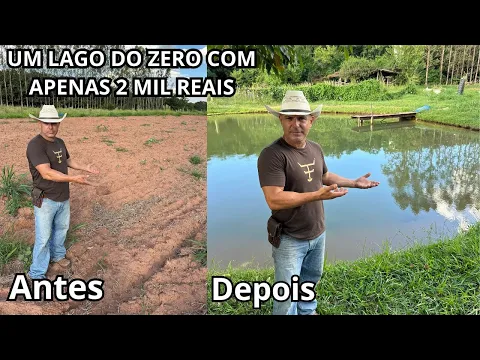
The farmer Hamilton Miranda decided to make public a process that, according to him, is often considered expensive or inaccessible.
The construction of a lake on sandy land, far from rivers, springs or wetlands, was documented from start to finish and published on his YouTube channel, Sítio Paraíso.
Throughout the videos, he details each stage of the work, always focusing on cost reduction, practical execution, and the use of common materials in the rural environment.
-
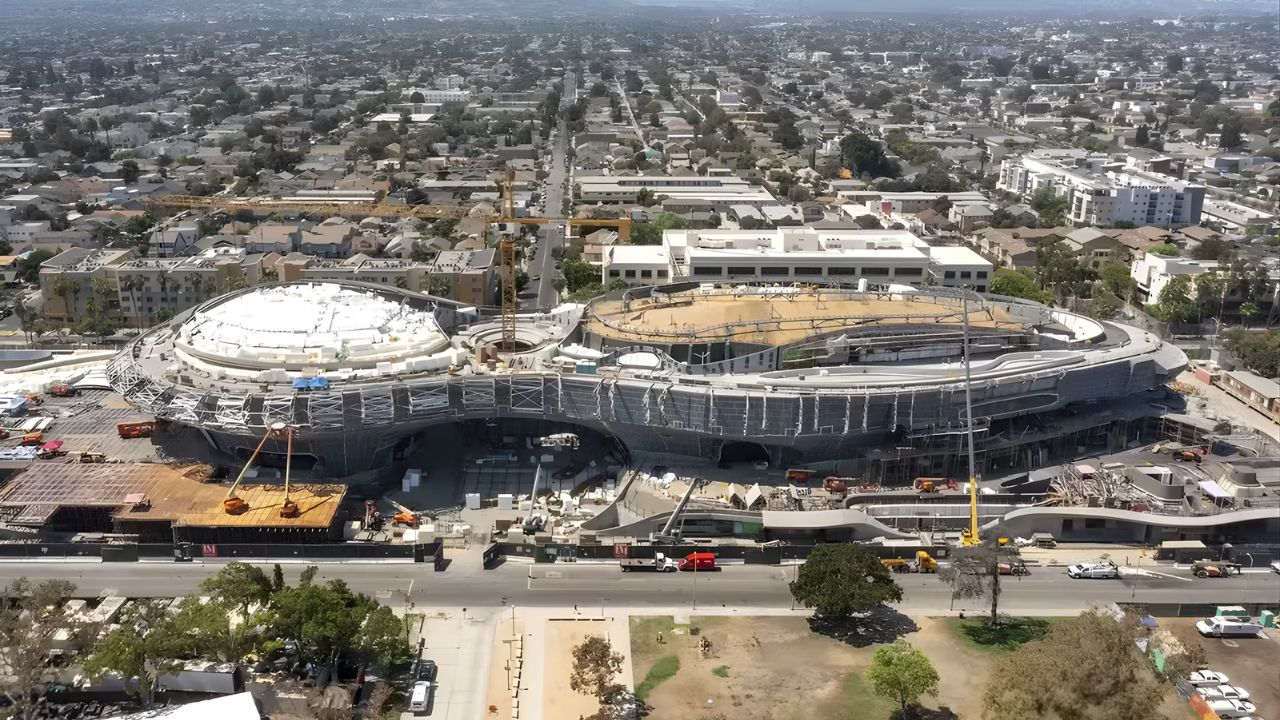
Created by George Lucas with over $1 billion, a futuristic museum in the shape of a spaceship with 1,500 curved panels is about to open in Los Angeles and will house one of the largest private collections of narrative art in the world.
-
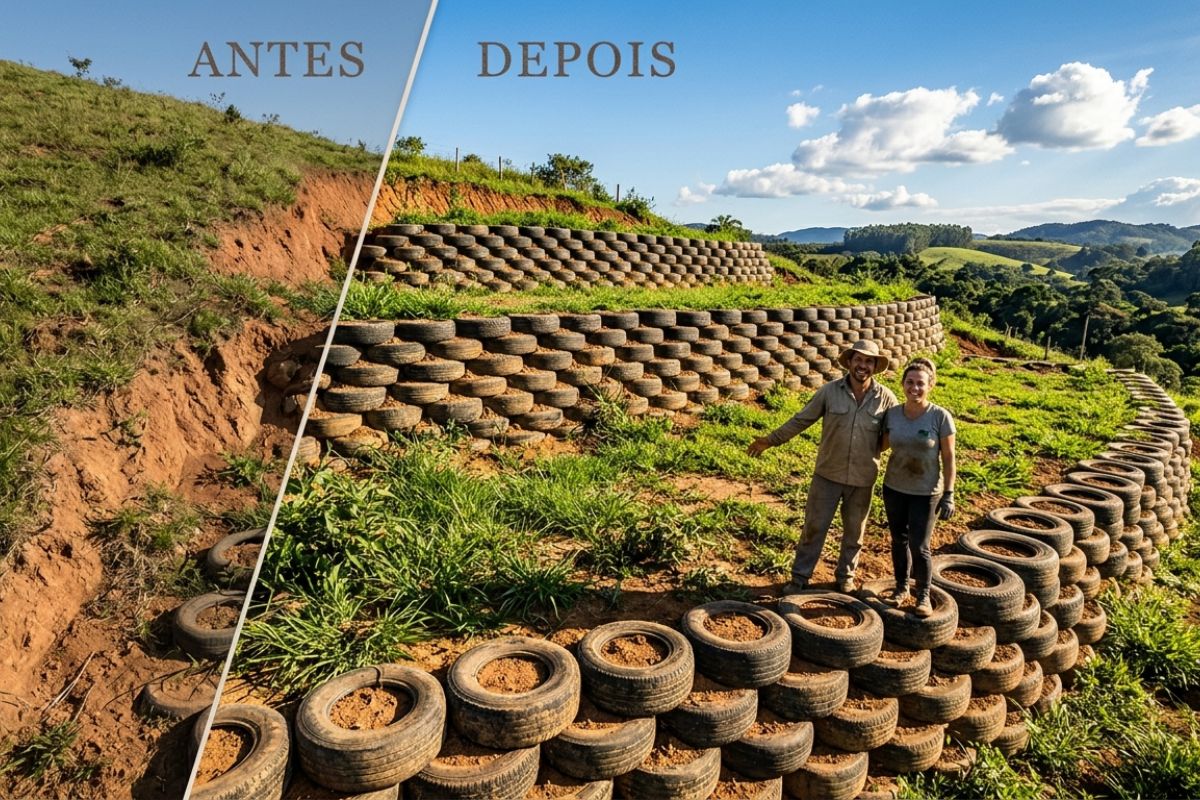
Couple shows how they built a retaining wall on their property using 400 old tires: sloped land turned into plateaus, tires are aligned, filled, and compacted with layers of soil, with grass helping in support and at almost zero cost.
-
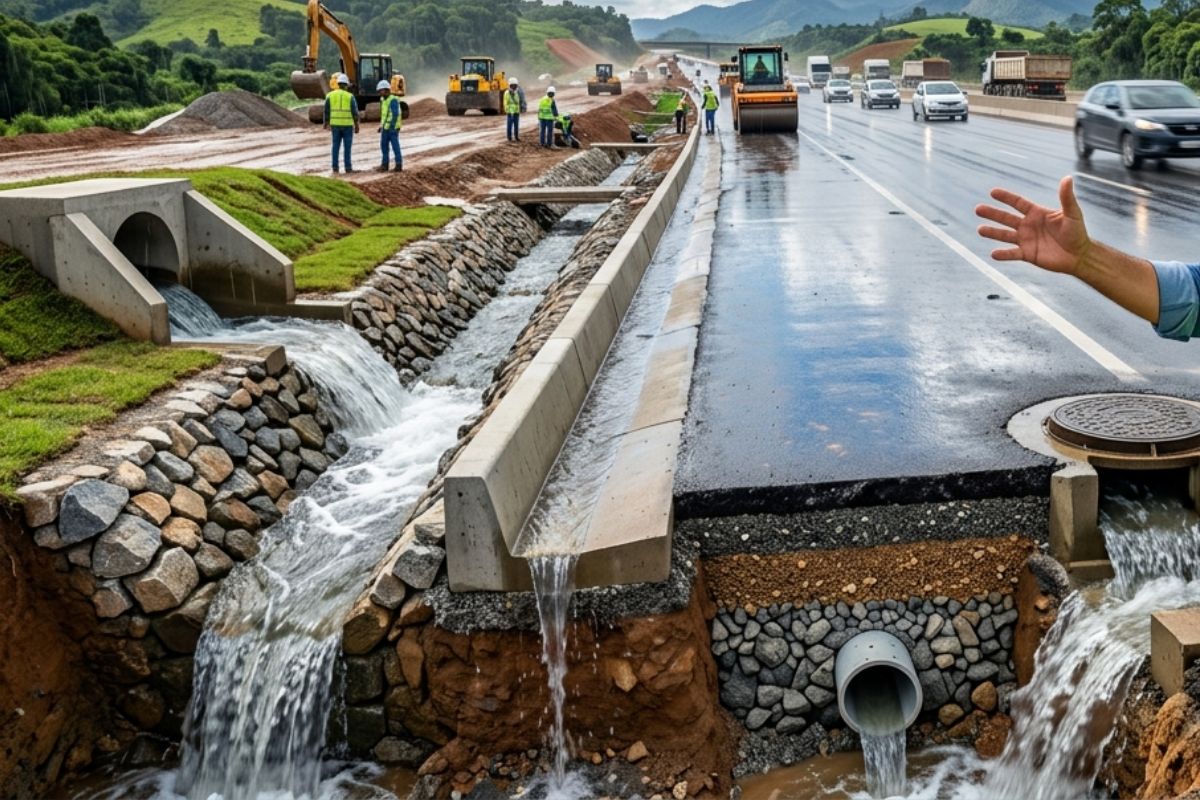
Engineer explains drainage during the rainy season: the difference between surface water and deep water, ditches, gutters, and water outlets on the road, as well as drains and drainage mattresses, to prevent erosion, aquaplaning, and flooding at the construction site today.
-
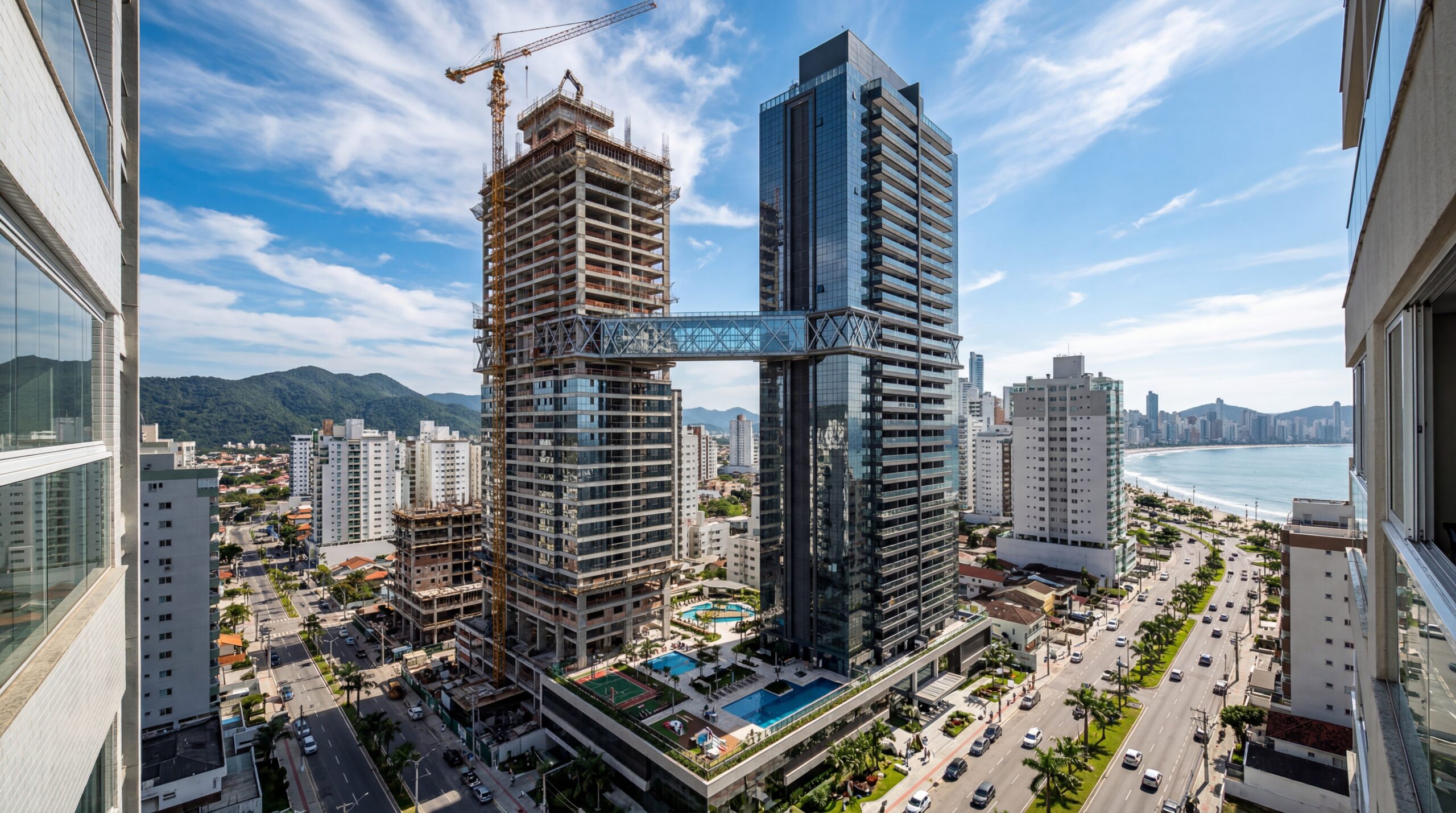
With 55 floors, 177 meters in height, a 15-meter walkway between the twin towers, ventilated facade, and 6,300 m² of leisure space, Ápice Towers already has one tower completed and another nearly at the top.

From the outset, the proposal was straightforward.
Hamilton aimed to build a functional lake, capable of storing water for different uses within the property, keeping the budget between R$ 2,000 and R$ 2,500 only for materials, not including labor.
At the end of the process, however, the total cost reached R$ 2,800, including tarpaulin, glue, and loader hours.
The main obstacle was the soil.
The site is located in the interior of São Paulo, in an area of sandy soil, where any open excavation loses water quickly due to infiltration.
Without a nearby spring and miles away from rivers, the lake would not sustain itself without an efficient impermeabilization system.

Sandy Land and The Infiltration Challenge
Right from the first recordings, Hamilton explains that the issue was not the size of the lake, but the inability of the land to retain water.
While clayey soils create a natural barrier after compaction, this condition was not present there.
“If I dig here and fill it, that water will leave immediately.”
From this observation, he began to treat the lake as a large buried water tank, designed to primarily store rainwater and small available inputs on the site.
The chosen solution was the use of double-sided silo tarpaulin, with 200 microns, a material widely used in agriculture.
According to him, in addition to being accessible, the cost is much lower than that of specific membranes for artificial lakes.
Excavation Shape Influences Durability
The lake’s excavation was done with a loader, a stage that was not recorded.
Even so, Hamilton details what he considered essential when guiding the machine operator.
The sides could not be vertical or excessively steep.
It was essential to maintain gentle slopes, allowing the machine to exit from any point of the pit.
This shape, according to him, prevents sliding and ensures that the soil placed later on the tarpaulin remains stable.
The lake ended up being about 25 meters wide.
The ideal, according to the producer, would be slightly less, which would reduce the need for seams.
Still, the final shape required adjustments to the project.
200 Micron Silo Tarpaulin and Quality Criteria
The material used was a black and white silo tarpaulin, 12 meters wide and 50 meters long.
Since the lake was wider than a single strip would allow, it was necessary to cut and join parts of the tarpaulin.
Hamilton emphasizes the quality of the material.
According to him, the tarpaulin needs to withstand tension, stretching slightly when pulled without tearing.
In the producer’s opinion, many projects fail not because of the type of tarpaulin chosen, but due to incorrect installation methods.
He claims to have a lake built with the same method for over 10 years.
He also knows of other similar examples with decades of use, as long as the tarpaulin remains protected from sunlight and mechanical damage.
Joint with Glue and Soil Pressure
The joint between the tarpaulins was made with multi-purpose contact glue, found in hardware stores.
Hamilton shows the generous application of the product and emphasizes that he did not skimp on the amount.
Right after joining the parts, he placed soil on top while the glue was still fresh.
This step ensures that the joint does not move during drying and already starts the protective layer for the tarpaulin.
Throughout the process, he avoided stepping directly on the plastic.
To reduce the risk of puncturing, he worked in socks, without boots, while the wheelbarrow always circulated over already spread soil strips.
Soil Layer Guarantees Protection and Natural Appearance
The central point of the method is to completely bury the tarpaulin under 25 to 30 centimeters of soil.
Hamilton explains that the sun is one of the main culprits for plastic degradation and that, buried in moist soil, the tarpaulin ceases to suffer this wear.
Additionally, the soil protects against puncturing caused by fish, tools, or circulation on the edges.
Visually, the tarpaulin disappears, making the lake have a natural appearance.
The soil placement was done in stages.
The tarpaulin was rolled up, the loader dumped mounds of soil without touching the plastic, and the material was spread manually with a hoe.
According to Hamilton, this is the heaviest phase of the work and it indeed took longer than expected.
Risks with Animals During and After the Work
During construction, the producer warns about the presence of animals.
Dogs, for example, can puncture the tarpaulin by slipping and digging their claws in to climb, while chickens and other animals were also kept away from the area.
Once completed, the concern shifts to larger animals.
Cows and horses can sink the ground and damage the tarpaulin beneath the soil layer.
Thus, Hamilton recommends using electric fencing around the lake.
As for the fish, he states that various species can be raised without issues.
The caveat remains for ducks and a specific variety of carp that digs holes, which could compromise the impermeabilization.
Settling of The Soil Before Filling
Hamilton advises not to rush to fill the lake.
The recommendation is to let the soil settle naturally with rains or, if necessary, wet it gradually with a hose.
The goal is to compact the upper layer well before receiving a large volume of water.
According to him, filling depends basically on rain and small available inputs on the property.
Thus, he shows an older lake, built in the same way, to illustrate the expected final result after complete filling.
Detailed Costs and Reason for Final Value
When detailing expenses, Hamilton states that he negotiated the price of the tarpaulin.
According to him, the square meter cost R$ 3 in the region, but he managed to pay R$ 2.65 per square meter.
The roll used cost R$ 1,590.
Adding glue and loader hours, the final cost reached R$ 2,800.
The initial goal of R$ 2,000 was not achieved mainly because the soil spreading stage took longer than anticipated.
He emphasizes that he did not account for his own labor or that of an assistant who was already performing other tasks on the site.
Multiuse Lake and Impact on the Property
Hamilton defines the lake as multiuse.
According to him, the reservoir can serve for fish farming, irrigation, and improving the surrounding environment.
He reports an increase in birds and noticeable changes in the property’s microclimate after the lake was implemented.
Regarding water circulation and filtration, he insists on separating this step from construction, stating that each property has a different reality.
In some cases, it may be necessary to use a low-consumption pump to circulate the water and pass it through a natural filter.
When showing the older lake, he highlights that, after planting grass, the reservoir appears to be completely natural, with no visible signs of the buried tarpaulin.
For Hamilton, the physical effort is compensated by the everyday use of the space.
What leads someone to choose a labor-intensive but inexpensive method to transform a dry piece of land into a functional lake on their own property?






Essa iniciativa com certeza o meio ambiente agredesse, é trabalhoso mas a recompensa é grande! Parabens seu Hamilton!
Muito boa reportagem e acredito que o IBAMA só tem a agradecer e incentivar novas iniciativas.
Agora vai conhecer Ibama, Fema,Meio Ambiente e outros. Vai aterrar tudo novamente.