





 Portuguese
  English
  Spanish
  3 min of reading
  0 comments



Pantheon of Rome: Dome of 43.3 M Made 2,000 Years Ago with Concrete Without Steel and Volcanic Ash That Still Reacts, Making It the Largest Unreinforced Structure Ever Built.
Erected during the reign of Emperor Hadrian, around 118–125 AD, the Pantheon of Rome is one of the most impressive works ever created by human engineering. Its 43.3-meter diameter dome, built without a single rebar, remains intact almost 2,000 years later — something that no modern concrete could replicate without metal reinforcements.
The secret lies in a unique material: Roman concrete made with pozzolana, a volcanic ash extracted from areas near Vesuvius and mixed with lime. This compound not only hardened quickly but continues to react to this day, gaining strength over the centuries. Researchers from the Archaeological Institute of America and various materials laboratories confirm that the microstructure of this concrete is continuously transforming, which explains its extraordinary durability.
A Colossal Dome That Stood Unchallenged for More Than 1,300 Years
The dome of the Pantheon is not just large: it was the world’s largest dome for over a thousand years and still is the largest unreinforced structure in history. Its clear span of 43.3 meters was only surpassed by modern constructions using steel, reinforced concrete, or composite materials.
-
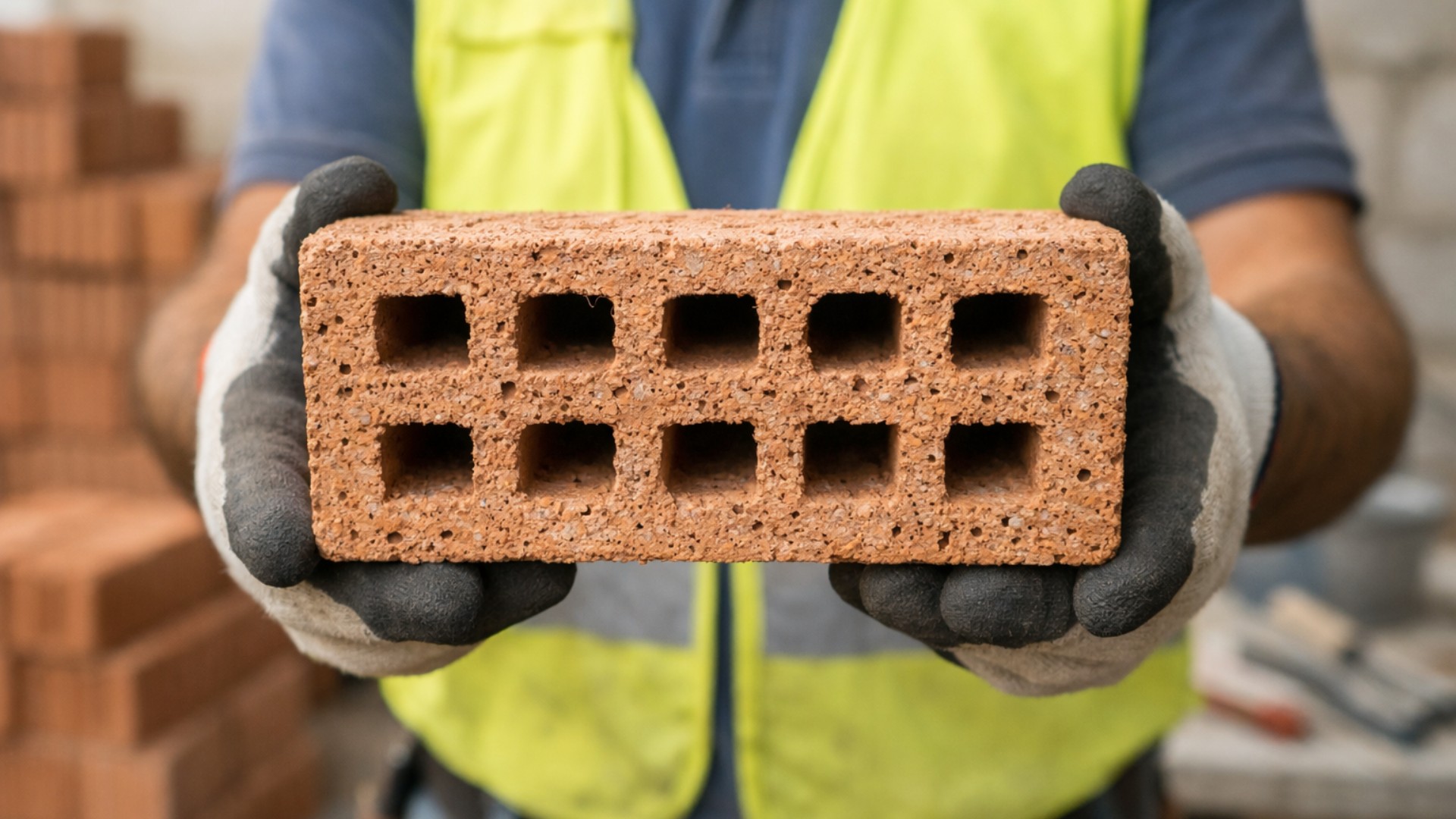
Scientists use sawdust mixed with clay to create a lighter brick, promising efficient thermal insulation and impressing by transforming waste into a solution for construction.
-
With a DNA shape, this bridge in Singapore draws attention in modern architecture and surprises tourists by transforming a simple crossing into an unforgettable visual experience in the urban heart.

-
Giant underwater pipeline begins to take shape with a R$ 134.7 million project at the Port of Santos: the 1.7 km structure uses 12-meter and 700 mm pipes to supply water to 450,000 people in Guarujá.

-
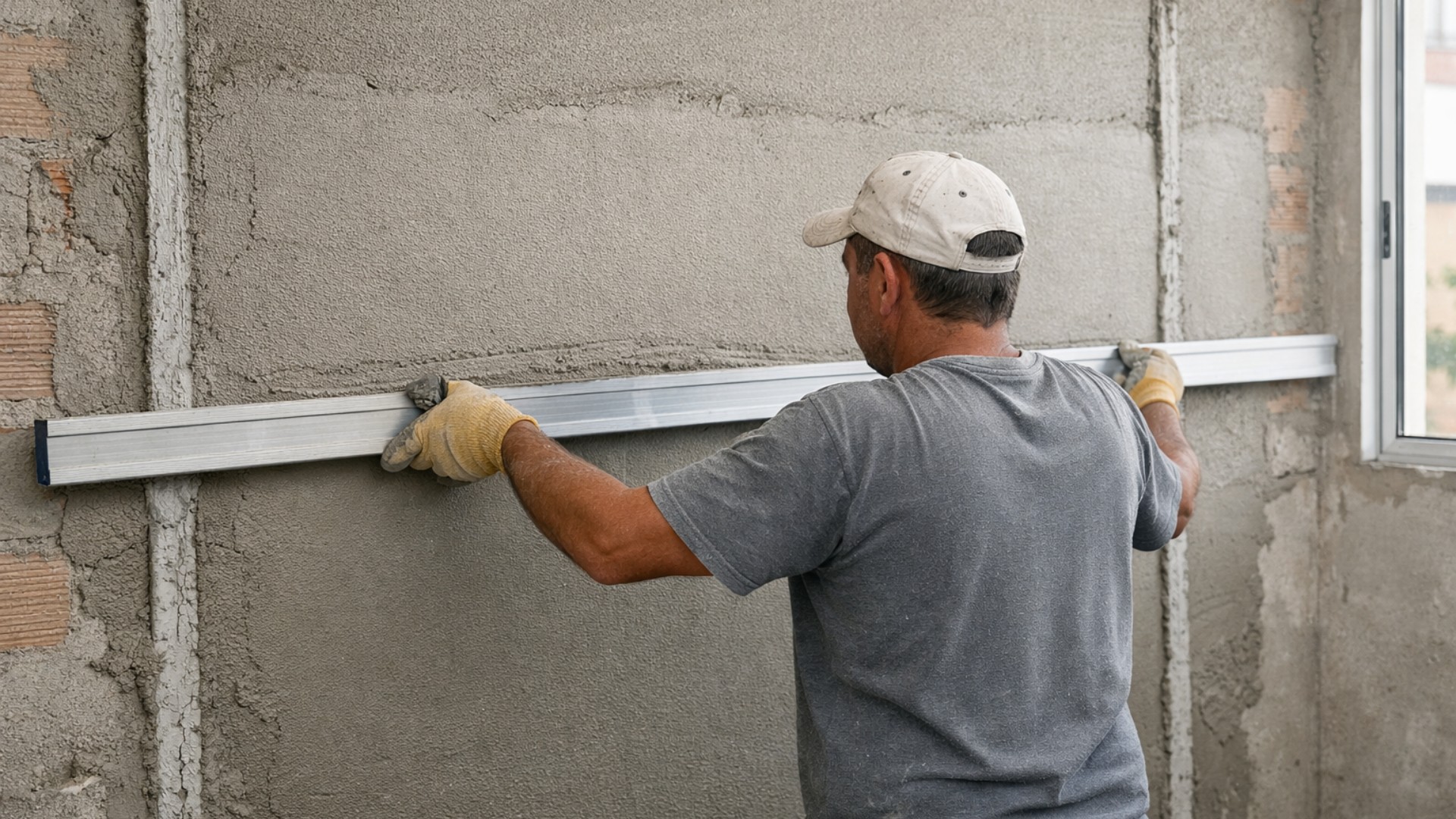
A mason reveals a professional plastering technique that uses aligned guides and a 3-meter ruler to plaster an entire wall in up to 3 hours, without visible seams, with uniform thickness, perfect plumb, and a finish ready for painting without rework.
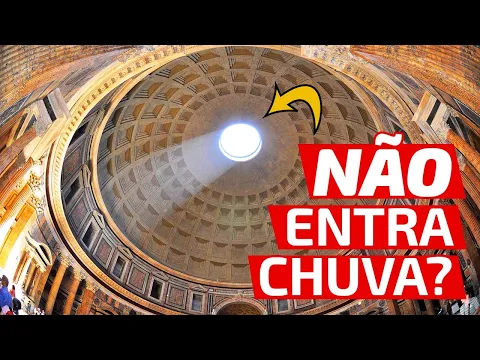

The interior is an example of structural balance:
- in the lower parts, the concrete is denser, using heavy volcanic stones;
- as the dome rises, the material becomes lighter, incorporating pumice, an extremely porous volcanic rock.
This gradient of density reduces the weight of the dome and distributes stresses accurately — a highly advanced principle for the 2nd century.
The Concrete That “Matures” Over Centuries: The Phenomenon That Intrigues Modern Engineers
What makes the Pantheon extraordinary is not just its scale, but its chemical behavior. Studies show that the interaction between lime, pozzolana, and water creates aluminosilicate crystals that form slowly, filling microcracks and strengthening the structure over time.
In simple terms: Roman concrete self-heals.
The chemical reaction did not cease after construction; it continues to occur at microscopic levels, ensuring resistance and durability far superior to that of modern Portland concrete, which, without steel reinforcement, would not withstand similar stresses.
The Engineering That Shaped the Largest Interior Space of Antiquity
The dome of the Pantheon was constructed using a revolutionary technique: a giant wooden form supported the fresh concrete while each layer was molded. The top, the famous 8.2-meter oculus, aside from being a symbolic and aesthetic opening, also reduces the weight of the dome and improves its stability.
The geometry was designed to distribute loads with millimeter precision, creating a structure capable of withstanding thermal variations, infiltrations, wear, and even seismic movements — considerable challenges for a work nearly two millennia old.
How a Work of Ancient Rome Remains Stronger Than Many Modern Buildings
The preservation of the Pantheon depends not only on the quality of the material but also:
- on the structural compactness of the dome,
- on the variable thickness of the walls,
- on the use of lightweight aggregates in upper layers,
- and on the absence of metallic reinforcements susceptible to corrosion.
While modern reinforced concrete suffers from oxidation, cracking, and loss of strength over decades, Roman concrete does not rust, does not crumble, and does not lose cohesion because the chemistry involved is fundamentally different.
For this reason, experts consider the Pantheon an engineering miracle of the ancient world, capable of surpassing the durability of nearly all modern works.
The Pantheon Remains the Greatest Symbol of Roman Genius
Nearly 2,000 years after its construction, the Pantheon continues:
- with the largest unreinforced dome ever made,
- fully functional,
- structurally balanced,
- and showing no signs of significant deterioration.
While modern skyscrapers require constant maintenance, the Pantheon remains as it was conceived, a testament to the fact that the Romans developed a material whose strength the world still struggles to reproduce.
This work not only defeated time: it redefined what is possible in engineering, and it continues to captivate architects, materials scientists, and structural engineers to this day.










-

-

-

-

-

-

73 pessoas reagiram a isso.