





 Portuguese
  English
  Spanish
 5 min of reading
  1 comment


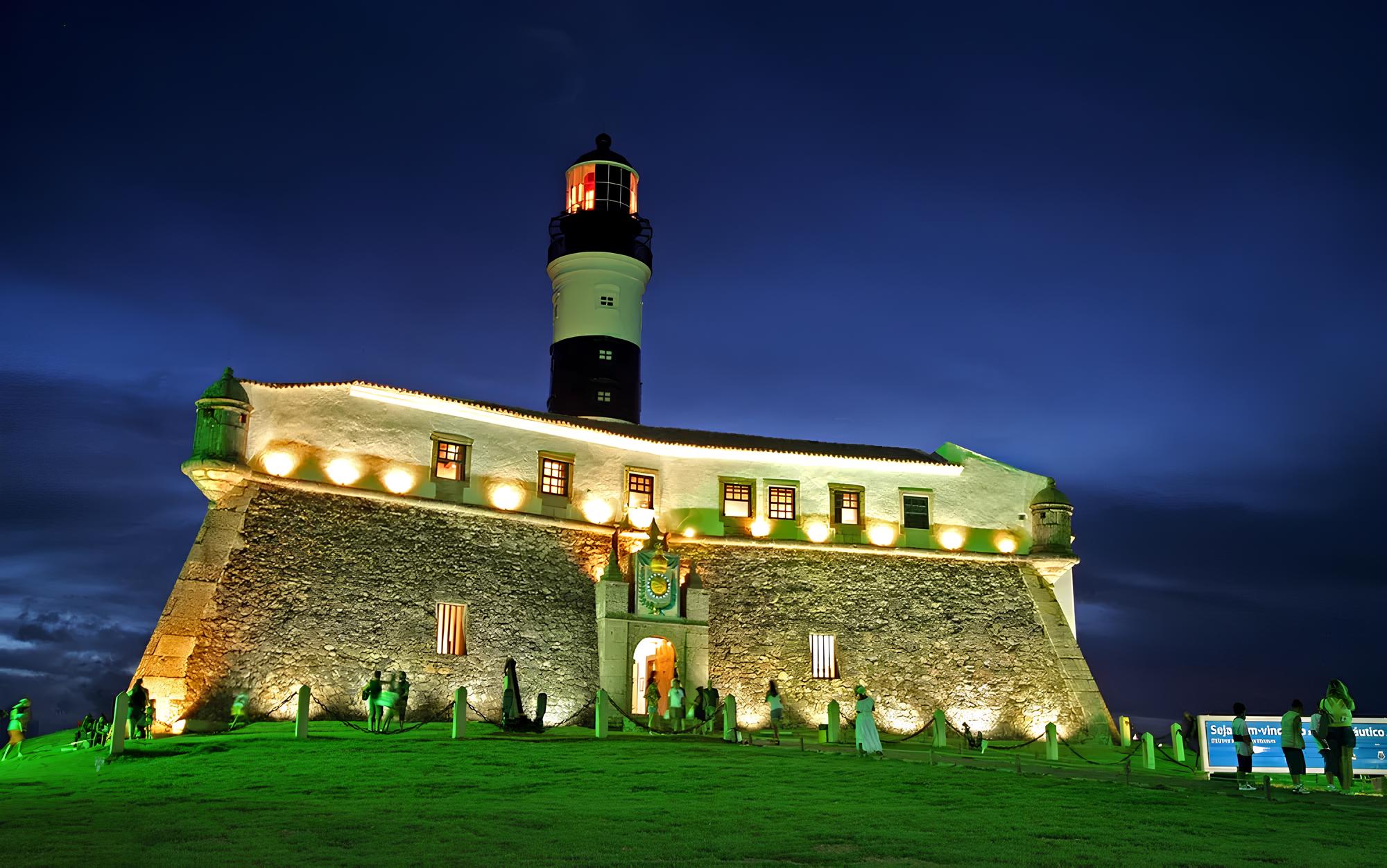


Built in the Sixteenth Century with Limestone, Lime, and Naval Techniques, the Forte de Santo Antônio da Barra Resists Salt Air and the Winds of Salvador, Proving the Strength of Traditional Engineering.
Facing the Atlantic, where the waves crash daily against the coast and salt accumulates on everything that dares to remain still, there is a structure that seems to ignore the wear of time. Those passing by the Farol da Barra in Salvador see tourists, surfers, and boats crossing the Baía de Todos-os-Santos. But it is by looking more closely that one understands what truly defies the logic of modern civil construction. The Forte de Santo Antônio da Barra, whose origins date back to 1534 and whose limestone and lime walls were consolidated at the end of the Sixteenth Century, stands there as if time were just a detail.
In a country where buildings erected 30 years ago already undergo structural renovations, this coastal fort continues to withstand more than four centuries of salt air, strong winds, and humidity variations, conditions capable of corroding metal, rotting wood, and rapidly deteriorating contemporary structures. The almost stubborn solidity of the building draws attention and raises an inevitable question: how does a construction made before the existence of reinforced concrete, without steel, industrial machinery or chemical additives, remain firm while so many modern works struggle against infiltration and early deterioration?
The answer lies in the combination of technique, material, climate observation, and a construction philosophy that was not in a hurry to last because, unlike some current works, the intention from the beginning was to build for eternity.
-
Tourists were poisoned on Everest in a million-dollar fraud scheme involving helicopters that diverted over $19 million and shocked international authorities.

-
Hidden beneath the dense forest of the Sierra Nevada, Betoma emerges in a neighbor of Brazil as the greatest archaeological discovery of the century, revealing a colossal ancestral city covering over 18 km², with 8,334 stone structures and the potential to rewrite the history of South American civilizations.

-
Goodbye iron: new technology from Xiaomi promises to revolutionize the way we iron clothes with 500 kPa steam, continuous flow of 120 g/min, heating in 65 seconds, and six smart modes for different fabrics.

-
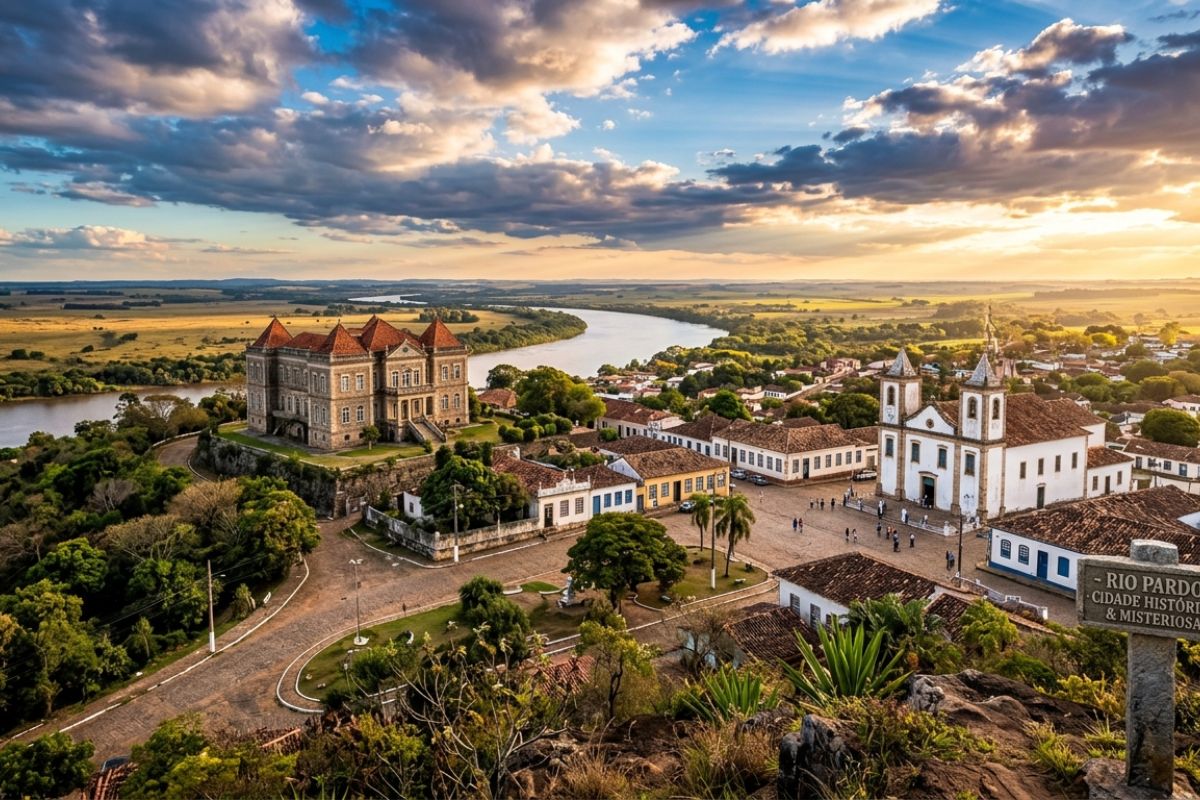
Rio Pardo, the most mysterious city in Rio Grande do Sul: untouched Pampas castle, the missing treasure of the Devil Boy, bride’s saint, invisible tunnels, and a 200-year curse today.

An Architecture Shaped by the Sea and Designed to Resist
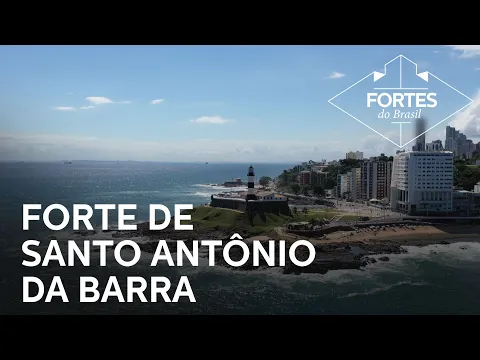

The fort was born with a military purpose, designed to oversee the entry of the bay and protect Salvador from pirates, invaders, and foreign vessels. The choice of the point where the ocean meets the land was not casual. It was strategic for defense, but it also represented a permanent test of structural resistance. Those who built the fortification knew that the ocean is a patient and relentless enemy.
To meet this challenge, the Portuguese used local limestone bonded with a lime mortar — made from burning limestone mixed with whale oil, a substance used to waterproof and give elasticity to the material.
This technique, typical of the period, utilized slow and natural chemical reactions that strengthened the walls over time. Unlike modern concrete, which relies on the integrity of the internal steel, the structure of the fort is solid, dense, continuous, and does not contain elements that oxidize or expand with moisture.
The result is a construction that breathes, absorbs some moisture, and slowly releases it, not creating microfractures or destructive internal tensions. Its geometry also matters: the low, angled design disperses the force of the winds and the impact of the waves. Instead of fighting against nature, the fort seems to work with it.
When Ancient Engineering Teaches Modern
In the contemporary world, reinforced concrete is the symbol of stability. Skyscrapers, bridges, tunnels, and large works depend on it. However, when exposed to salt air, the internal steel oxidizes, expands, and cracks the structure.
It is a continuous and often unequal chemical battle. Thus, seeing a Sixteenth Century building intact, solid, and without significant signs of structural degradation inspires admiration — and learning.
Traditional techniques, based on lime, have been gaining attention again in restorations and even in modern sustainable constructions.
Lime has antibacterial properties, adds elasticity to the mix, and reduces the risk of deep structural infiltrations. In the long run, it is a material that continues to react with the environment, strengthening itself.

There is an intelligent humility in this engineering: instead of imposing technology and strength to overcome the environment, it observes the site, understands the dynamics of the climate, and builds with time as an ally.
Between the Military Past and the Cultural Present
The Forte de Santo Antônio da Barra has had its history marked by territorial disputes and periods of vigilance against foreign invasions. Today, its function is different. It has become a symbol of tourism in Bahia, a backdrop for photos, a bridge between the historic city and the vibrant sea of Salvador.
Inside it stands the Farol da Barra, one of the oldest on the continent, whose light has guided vessels for centuries.
The transition from military post to cultural heritage says a lot about how spaces gain new meanings over time. From a defensive fortress, the site has become a meeting point, a space of memory, and an architectural reference.
Its value goes beyond the material — it holds stories, navigates between eras, and connects residents and visitors to an identity that Brazil carries, even if it does not always recognize: the ability to create, preserve, and resist.
The Landscape Changes and It Remains
Around it, Salvador has expanded, modernized, and reinvented itself. Structures have risen, crumbled, been renovated, or replaced. The fort, however, remains. Wind, rain, intense heat, sea salt, tidal variations, nothing seems to affect its stability.
While modern facades peel and concrete turns to dust before the ocean, the fort stays there, as if each decade were just another layer of memory and natural calcification reinforcing its base.
This contrast ignites debates in the fields of architecture and engineering: what makes a work endure? The answer, in this case, lies in the construction philosophy. It was not just about raising walls; it was about raising symbols, about creating something that merged with the territory.
When the Past Lights the Future of Construction
In times of seeking sustainability, durability, and techniques that better engage with the environment, constructions like the Forte de Santo Antônio da Barra gain an educational character. They remind us that not everything needs to be fast, standardized, and dependent on materials that fight against the environment.
Sometimes, the secret lies in observing the natural cycle, using local resources, and building with patience — just like the engineers and artisans who erected the fort did.
In a fast-paced world, where constructions need to arise quickly to meet urgent urban demands, the permanence of this structure is also an invitation to calm. A reminder that architecture serves not only the present. It engages with future generations and carries the responsibility of traversing time with dignity.
And by observing the fort silently resisting the constant clash with the sea, a reflection imposes itself: perhaps, between calculations, concrete, and steel, we still have much to learn from those who, centuries ago, built less to impress and more to endure.





Mais antigo das Américas!!??? O forte São João localizado em Bertioga e de 1532 ou seja mais antigo que esse de 34