





 Portuguese
  English
  Spanish
  3 min of reading
  0 comments


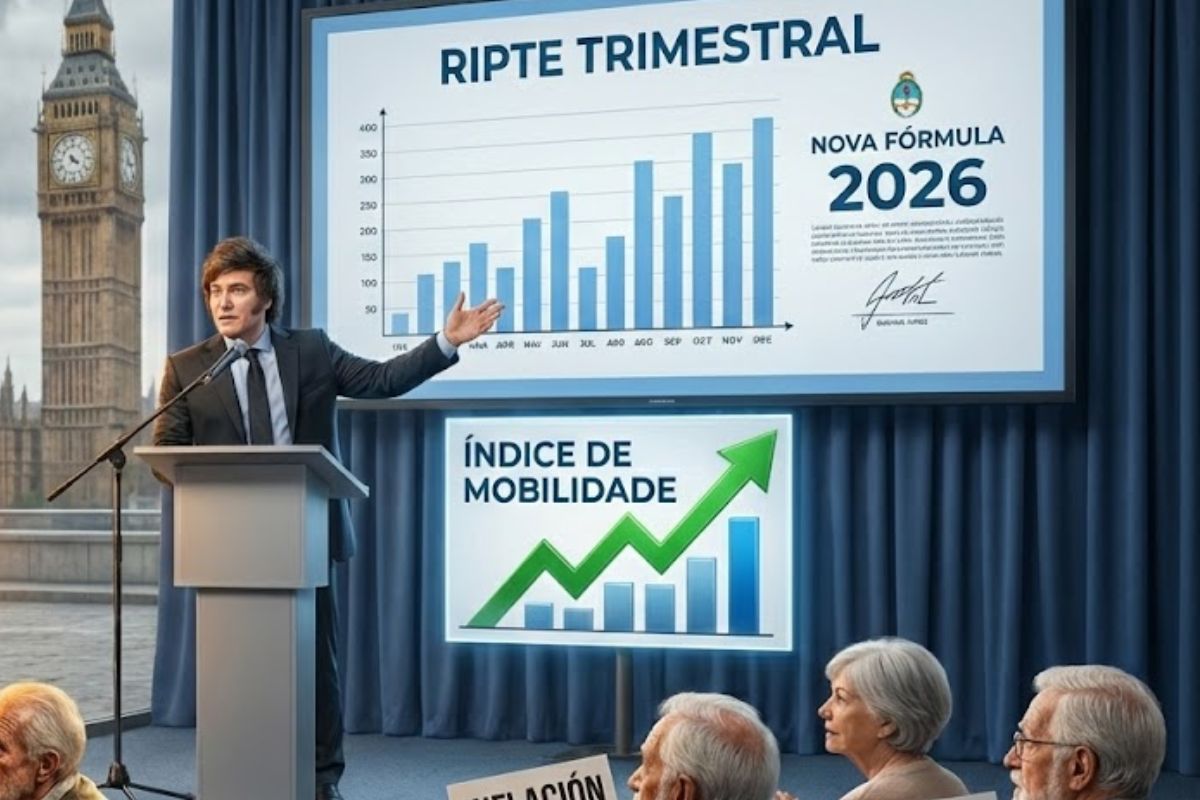
Retirement in Argentina Will Have a New Calculation with Javier Milei’s Government, Which Uses RIPTE and the Mobility Index to Update Old Salaries Every Quarter and Tries to Shield Benefits from Inflation That Erodes the Purchasing Power of Retirees Starting in 2026 and December 2025, According to Official Announcement.
Published by Diário do Comércio in December 2025, Javier Milei’s government announced a profound change in Retirement in Argentina, altering the calculation of benefits starting in 2026. The new rule promises to correct the old salaries used in the calculation base to better reflect the evolution of the economy and formal earnings.
According to the government, the reform was designed to respond to the scenario of high inflation that erodes benefits, as the initial values of pensions were set based on indicators that often did not keep pace with the real increase in prices in the country.
How the New Retirement Formula Works
In the new methodology, the initial value of the retirement will be calculated with a combination of two indices: RIPTE, which measures the evolution of formal workers’ remuneration, and the Mobility Index, which defines the periodic adjustments of benefits.
-
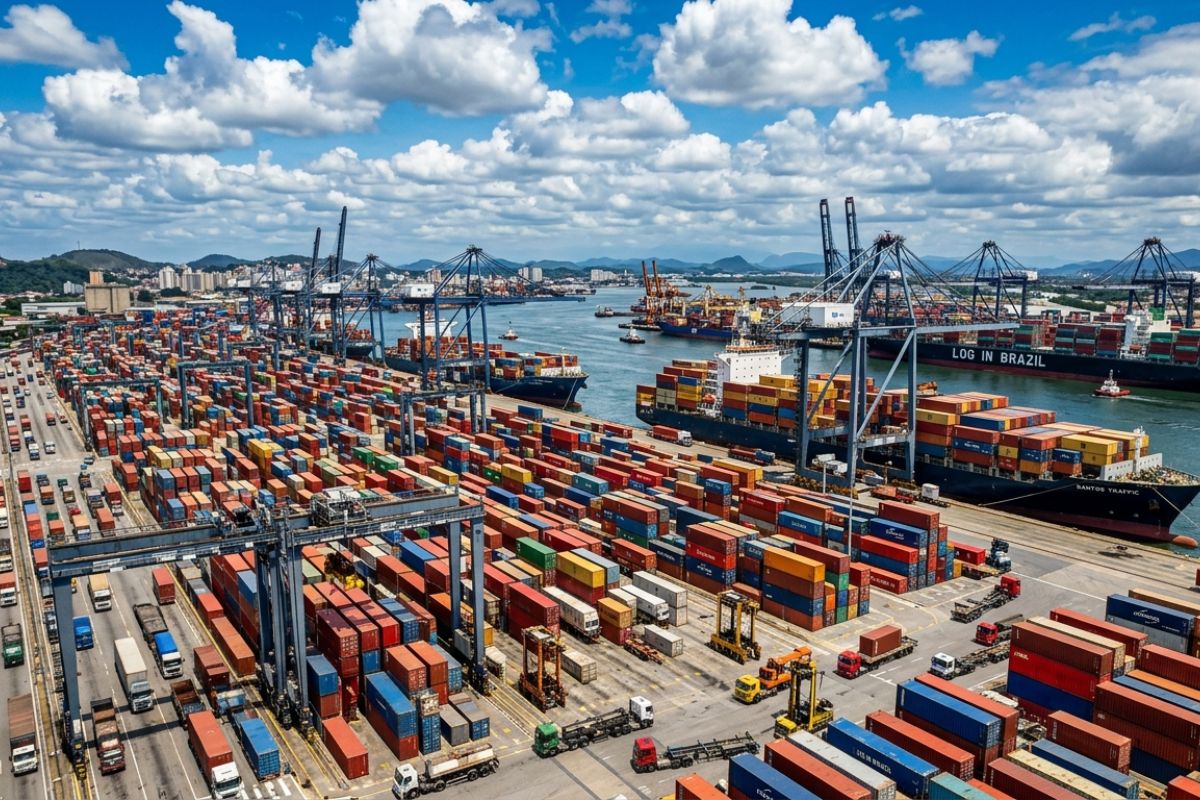
Ports like Santos and Paranaguá are operating at their limits and may block containers as early as 2030, warns a study by Macroinfra; bottlenecks increase costs and delays and push cargo to Rio, Salvador, Pecém, and Suape across Brazil.
-
Lula reveals in an interview that he asked President Xi Jinping three times to invest in a major project in Brazil, the Salvador-Itaparica bridge, which is set to begin in June with the participation of a Chinese consortium and is expected to be extraordinary, according to the president.

-
Neighboring city of Belo Horizonte has properties starting at R$ 139,000 with 90 m² and a price per square meter much lower than the capital, even concentrating automotive, petrochemical, and logistics hubs.

-
Drought in northern Bahia forces family farmers to invest in expensive irrigation and seek microcredit from Banco do Nordeste; with high interest rates and a default rate of 6.5%, the debt becomes a threat to the crops.


Historical salaries will be adjusted quarterly, generating a unique index updated every three months.
The central idea is that the initial benefit of the retiree is based more closely on the economic reality they experienced throughout their career.
As a result, those who retire after the implementation of the new rules will receive an amount that better follows the trajectory of formal salaries.
Who Will Be Affected by the Retirement Change
According to the proposal presented, all workers who retire from December 2025 will have their benefits calculated with this new formula.
In practice, the pension granted after this date will already be adjusted by the quarterly indices, using RIPTE and the Mobility Index as the main references.
The Argentine government claims that the change is necessary to correct distortions accumulated in the system. Before the reform, the calculation formula resulted in deficient initial values, which did not accurately reflect the evolution of salaries and ended up harming especially those who retired during periods of higher inflation.
Declared Objective: Protect Retirement from Inflation
In the official communication, the Javier Milei administration argues that the new formula aims to protect retirement from inflation, preventing the purchasing power of the benefit from being compromised right at the moment of granting.
By updating old salaries quarterly, the government aims to bring the calculation closer to the real dynamics of prices and remuneration.
With this strategy, the administration bets that new retirees will experience less loss in the real value of their benefit from the start. Still, the effectiveness of the change will depend on the behavior of inflation and the capacity of the indices to keep up with the economy in the coming years.
And you, do you think this change in retirement in Argentina really helps to protect benefits against inflation, or is it too late for those already in the system?







Seja o primeiro a reagir!