





 Portuguese
  English
  Spanish
  5 min of reading
  0 comments


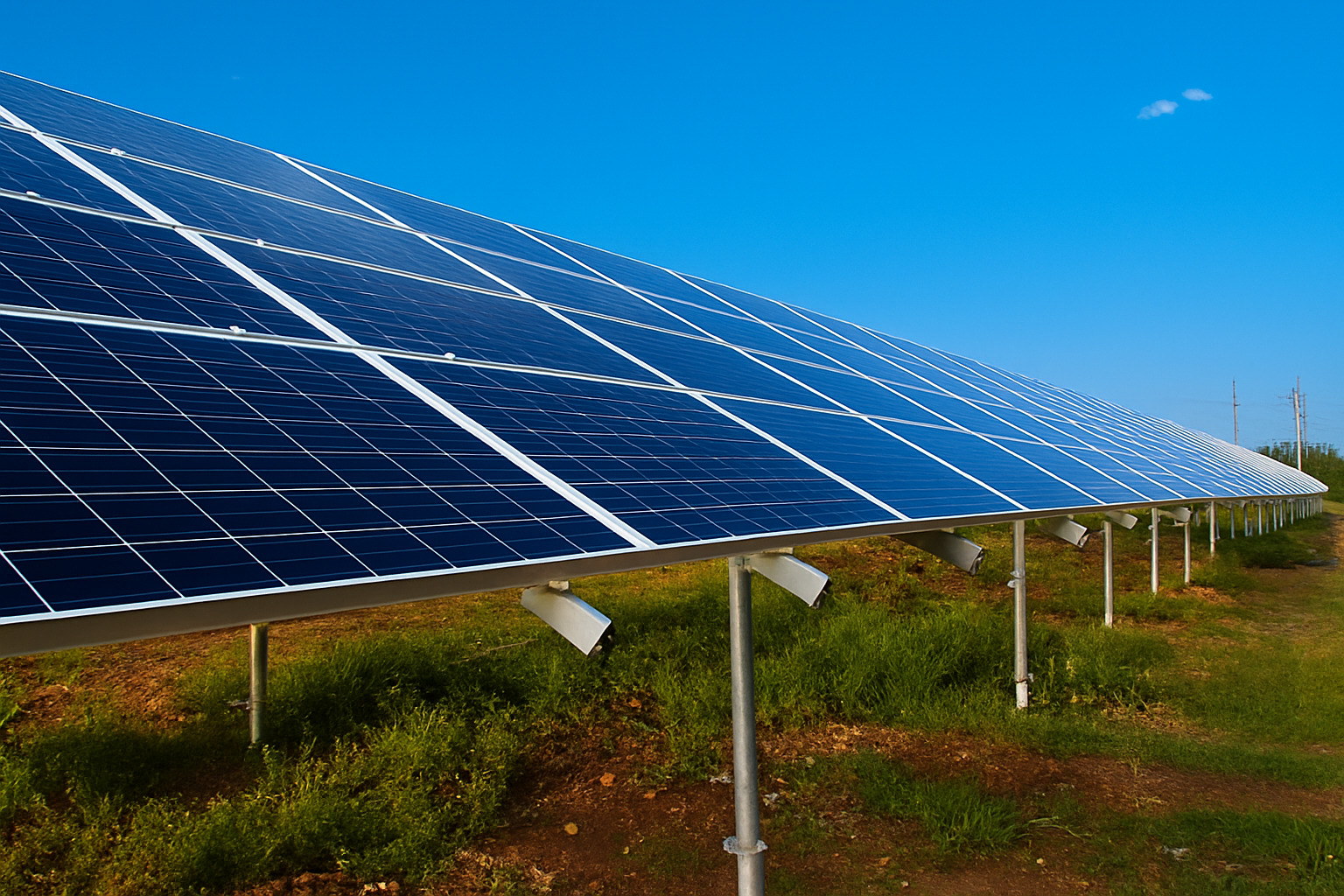
Understand How The Solar Park Of Bariloche Can Change The Local Energy Matrix With Sustainability And Technological Innovation
The Bariloche Electric Cooperative (CEB), with the aim of transforming its energy matrix, started planning the first solar park in Bariloche. Although the project is still in its preliminary phase, the proposal aims to install a photovoltaic system with a capacity of 15 megawatts in a strategic area to the east of the city.
From the beginning, the location was chosen based on well-defined technical criteria. After all, the steppe region has better climatic conditions and greater solar incidence compared to the mountainous urban zone. This favors not only energy generation throughout the year but also stability in the local electric supply.
Therefore, the expectation is that the park’s performance will be highly efficient. Preliminary studies indicate that, with the use of state-of-the-art panels, it will be possible to achieve a capacity factor above the national average.
-
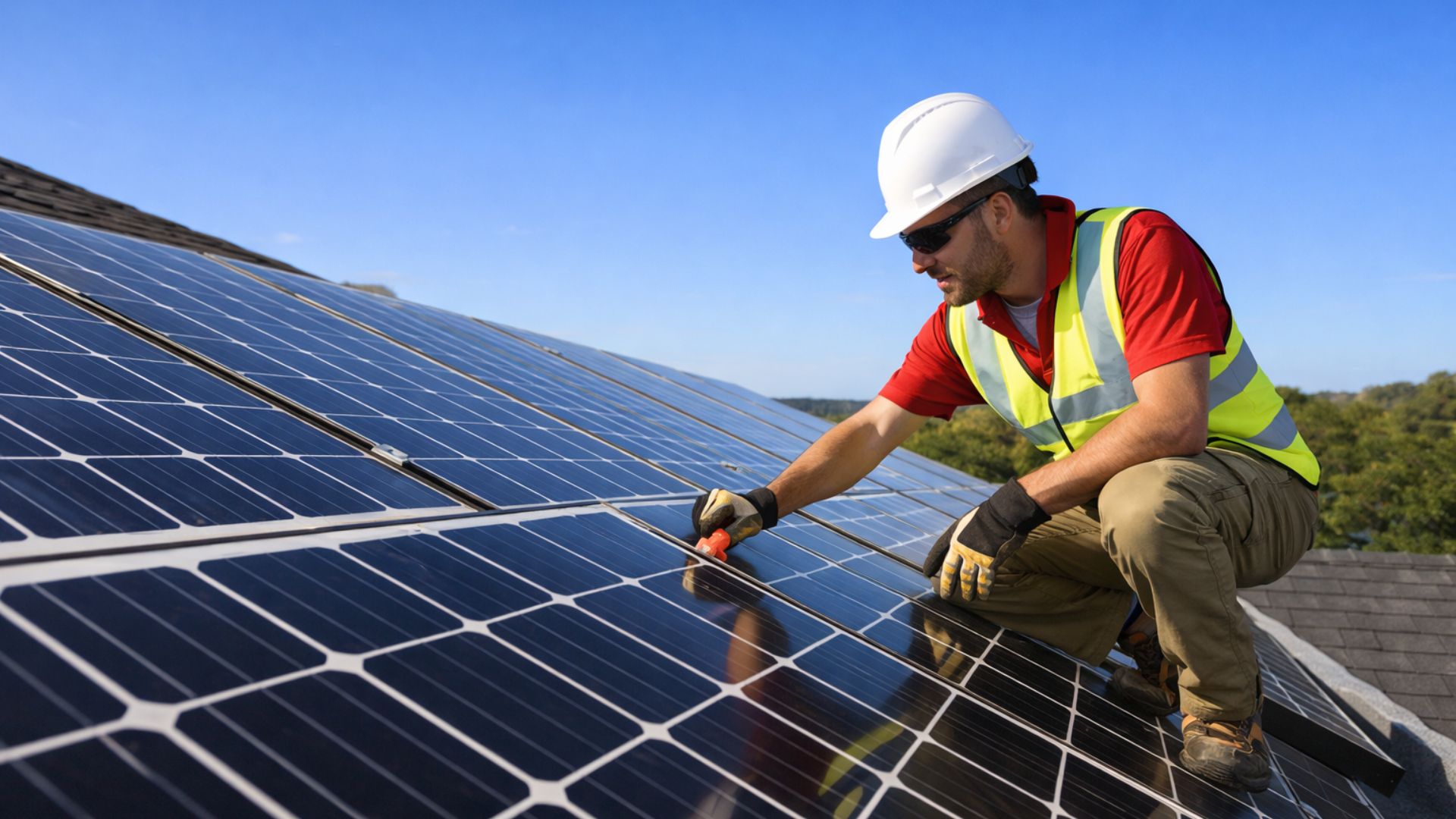
Seagri’s headquarters invests in solar energy with Neoenergia Coelba and promises to cut electricity costs, highlighting a strategic advance in sustainability and energy efficiency within state public administration.
-
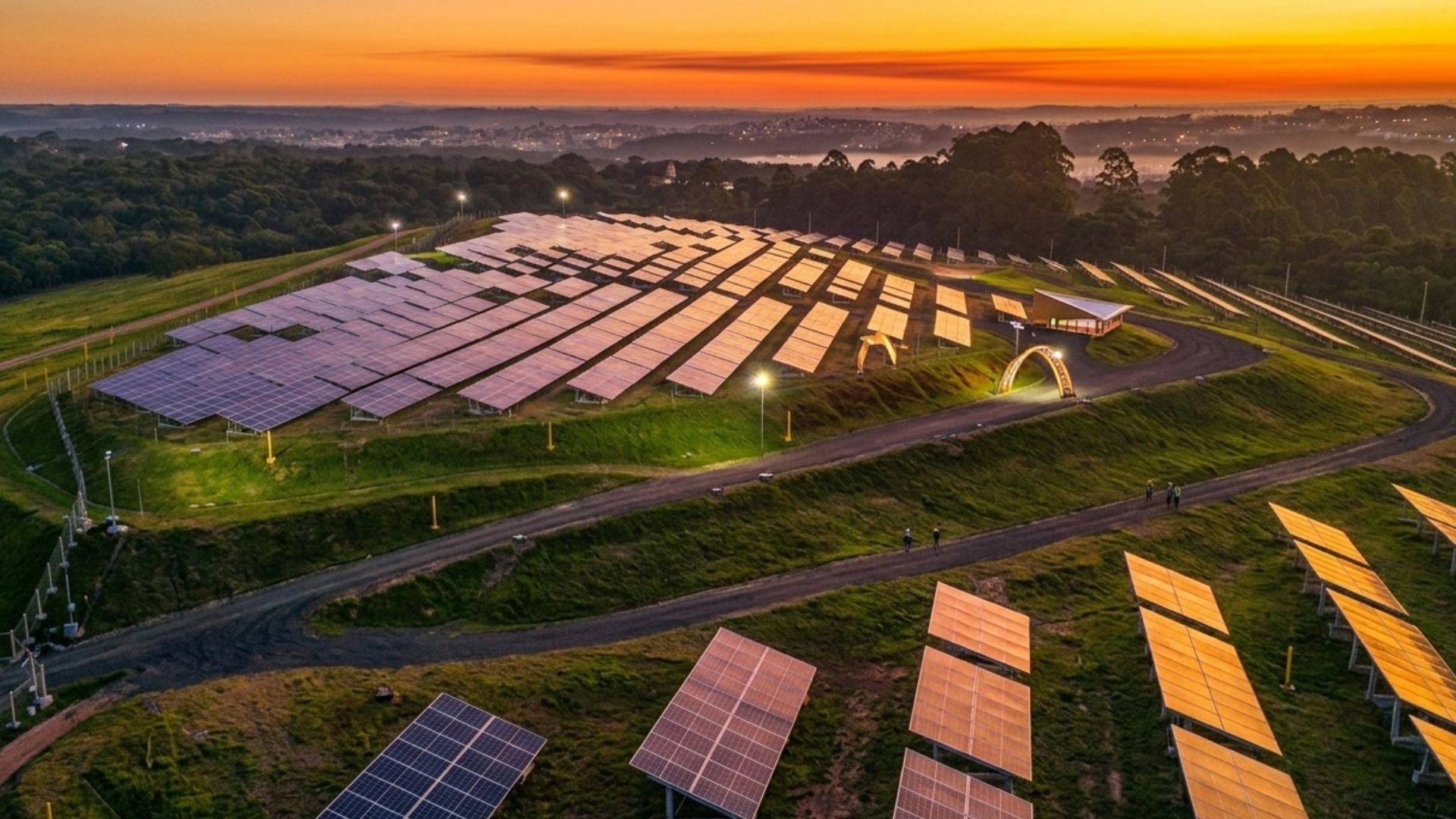
Solar Pyramid draws attention by converting solar energy into million-dollar savings and repositioning the City Hall of Curitiba as an example of innovation, sustainability, and intelligent use of public resources.
-
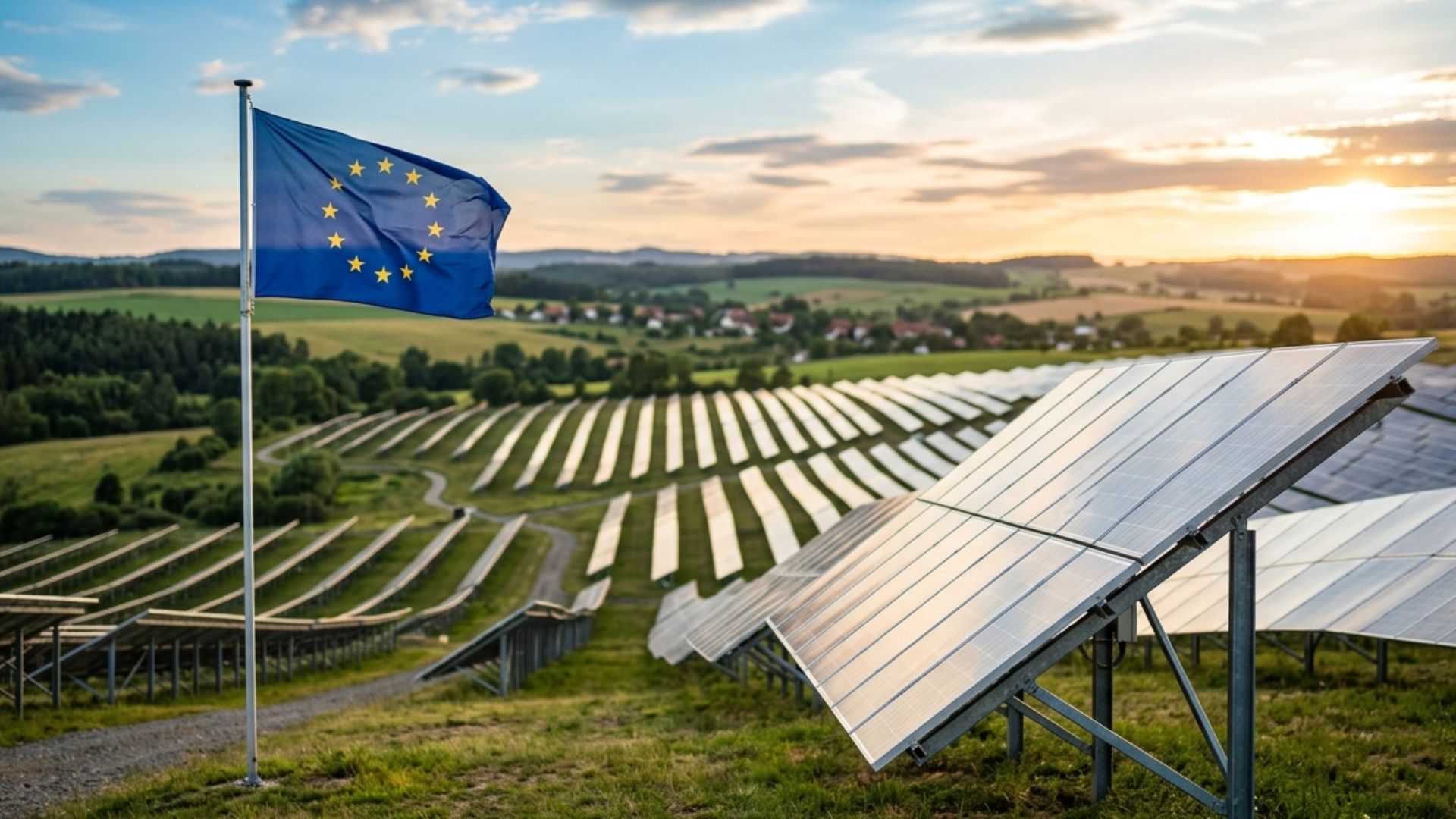
Europe records strong euro economy with solar energy in March and sparks curiosity about which country leads growth that redefines the energy market and reduces costs.
-
Piauí reaches a historic milestone in energy transition: State records nearly 160,000 households powered by solar energy and leads growth in the Northeast.
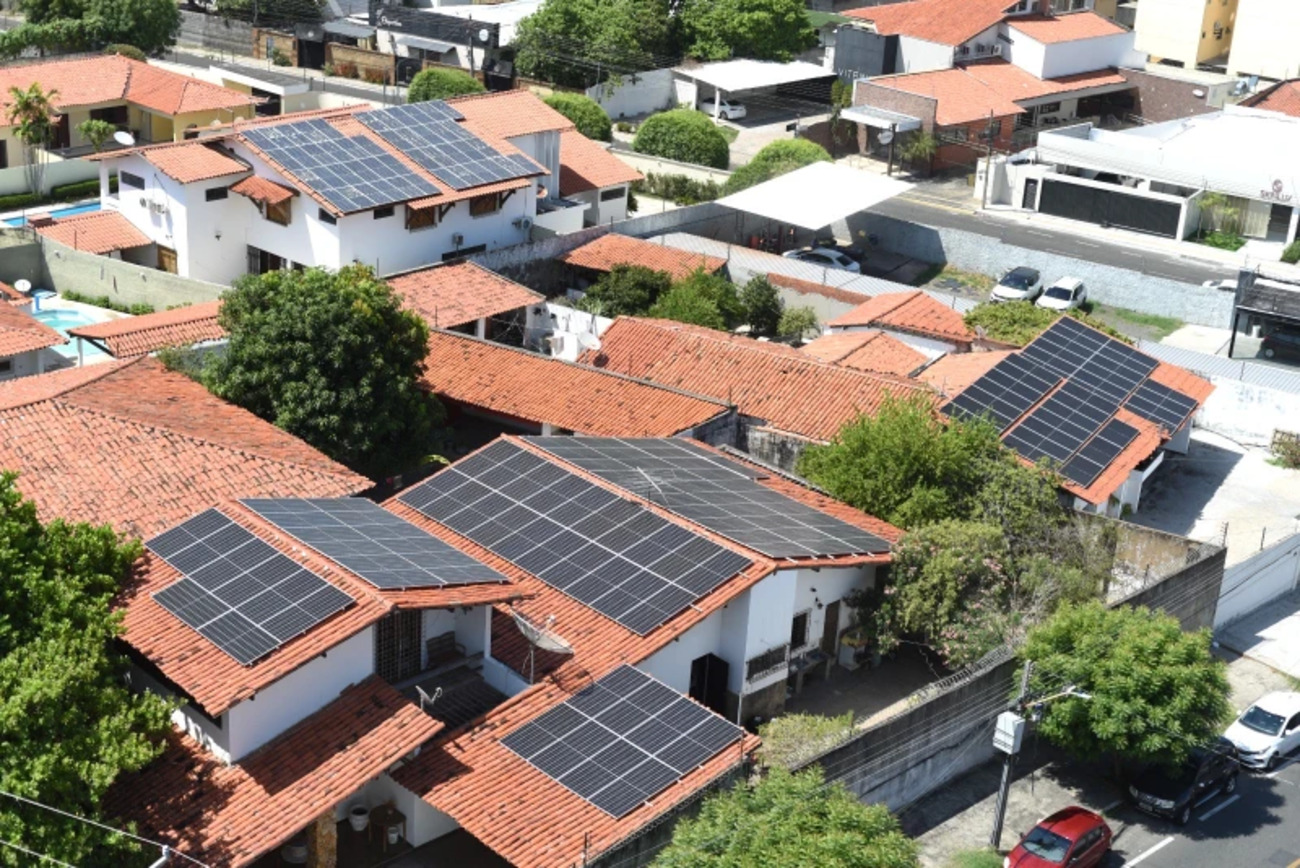

While the city has historically relied on the Alicurá Hydroelectric Power Plant and the La Paloma Thermal Power Plant, the increasing operational costs and environmental impacts motivated a change of direction.
Thus, investing in solar energy represents not only a technological advancement but also a commitment to sustainability. This paradigm shift reinforces CEB’s role as an agent of innovation and social responsibility.
Additionally, this change will allow CEB to reduce its dependence on the national electricity market.
Consequently, it will be possible to optimize transportation costs and ensure service for the high demand during tourist periods, when thousands of visitors overload the local network.
Solar Energy As A Technical, Economic, And Environmental Solution
Although the solar park project in Bariloche is under analysis, several advances have already been recorded. For example, the cooperative identified ideal land near Dina Huapi, which offers excellent solar radiation and easy access to medium and high voltage lines.
In addition to technical feasibility, the project also stands out for its environmental and social benefits. The gradual replacement of fossil sources with clean solar energy can significantly reduce CO₂ emissions in the region. Thus, Bariloche is advancing in meeting international climate targets, such as the commitments made in the UN 2030 Agenda.
On the other hand, it is necessary to consider the financial investments involved. Although the estimated cost of 900 thousand dollars per installed megawatt seems high, the tax benefits and green credit lines make the project viable. The international scenario has favored this type of financing, with multilateral banks and development agencies offering attractive conditions for sustainable projects.
In parallel, CEB intends to incorporate advanced technologies, such as solar tracking panel systems, which follow the sun’s movement. This way, it will be possible to maximize energy production throughout the day, increasing solar light utilization by up to 25%.
Even more importantly, the use of storage batteries will ensure supply security, even at night or on cloudy days. This component is essential for system reliability, especially in a region where climatic conditions can change rapidly.
Furthermore, the possibility of selling excess to the national power grid enhances the strategic value of the project. Therefore, the solar park not only meets local demand but also contributes to the balance of the regional electric system.
Regional Context And Institutional Coordination
While Bariloche seeks this transformation, other regions of the Río Negro province are also advancing in the renewable energy sector. In this context, CEB’s project integrates a broader state policy, aimed at decentralizing generation and strengthening local energy autonomy.
Moreover, the exchange of experiences with neighboring institutions strengthens the project. For example, CEB maintains dialogue with Calf of Neuquén, which is already executing similar solar initiatives.
Through this technical cooperation, mistakes can be avoided and resources better utilized. This regional integration strengthens energy competitiveness and can promote the creation of a common renewable energy market in Patagonia.
At the same time, the provincial Secretary of Energy has provided technical and political support, facilitating legal procedures and contributing to strategic studies. Additionally, the use of public or private lands near the Bariloche industrial park is being considered. This, without a doubt, can accelerate implementation and reduce logistical costs.
As a result, the local economy will be stimulated. The construction of the park will require specialized labor, generating jobs and promoting technological innovation.
Upon completion, the operation will also open new job fronts, reinforcing the positive impact of the investment.
A Historical Milestone For Solar Energy In Bariloche
Although Bariloche is mainly known for its tourism and research centers, its energy dependence has always posed an obstacle to sustainable growth. However, with the arrival of the Bariloche solar park, the city can begin a new chapter in its history.
Since the 2000s, the world has witnessed a significant expansion of solar energy. As technology costs have decreased and environmental concerns have grown, many countries have begun to adopt this source as a main alternative. Therefore, Bariloche’s decision aligns with a global trend that combines innovation and environmental responsibility.
Even though the city continues to use thermal sources, the new park will serve as a strategic complement. This will allow for balancing supply during peak times and reducing the need to resort to polluting sources.
Moreover, the reduction in fossil fuel combustion will bring direct benefits to air quality and the health of the population. In the medium term, this energy transition is expected to also reduce electricity tariff costs, directly benefiting residential and commercial consumers.
Without a doubt, this milestone represents more than just a power plant. It is a symbol of cultural, technical, and political change. By investing in clean energy, Bariloche takes a leading position in the energy transition of South America.
Perspectives And Next Steps
As technical studies are completed, CEB will move to the bidding phase and contracting of suppliers. Subsequently, the expectation is to begin construction of the park in the next two years, with partial operation expected within this period.
Additionally, the success of the project may inspire other localities in Patagonia. The replication of the initiative in neighboring municipalities would create a decentralized generation network, increasing the resilience of the regional electric system.
Consequently, the impact will transcend the energy sector. Sectors such as tourism, technology, and education will benefit, with new business and research opportunities.
Bariloche can thus establish itself as a model of a sustainable city. In summary, the Bariloche solar park is not just an investment in infrastructure.
It is a strategic choice oriented towards the future. By balancing economic development and environmental responsibility, the city demonstrates that it is possible to grow intelligently, consciously, and integrated with the environment.









Seja o primeiro a reagir!