





 Portuguese
  English
  Spanish
  4 min of reading
  31 comments


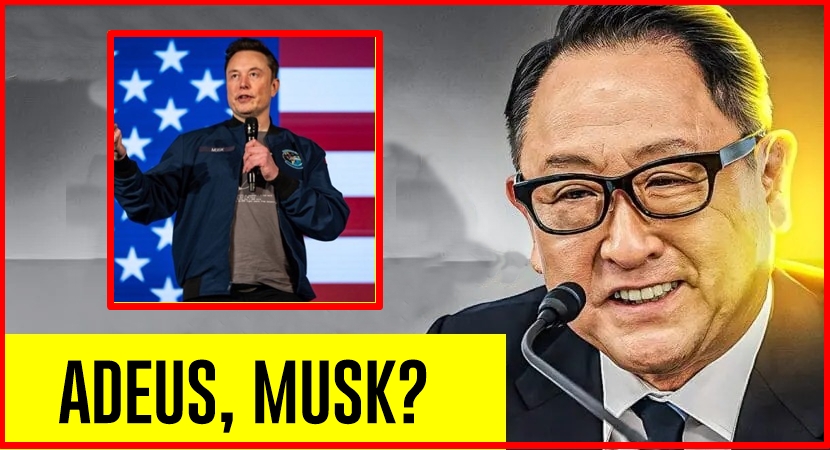


During CES 2025, Toyota President Akio Toyoda Announced an Investment of US$ 44.4 Million in the Japanese Company in a Market Dominated by Elon Musk
When it comes to innovation and transformation, it’s impossible not to think of Elon Musk. The entrepreneur, who has revolutionized sectors such as online payments, electric cars, and space exploration, seems to have inspired industry giants. This time, Toyota is entering the game, and the goal is clear: to reach for the stars.
The strategic diversification of massive companies is a common move in the corporate world. In this scenario, Toyota’s decision involves significant investment to become a major competitor in a market where Elon Musk dominates with relative ease.
-
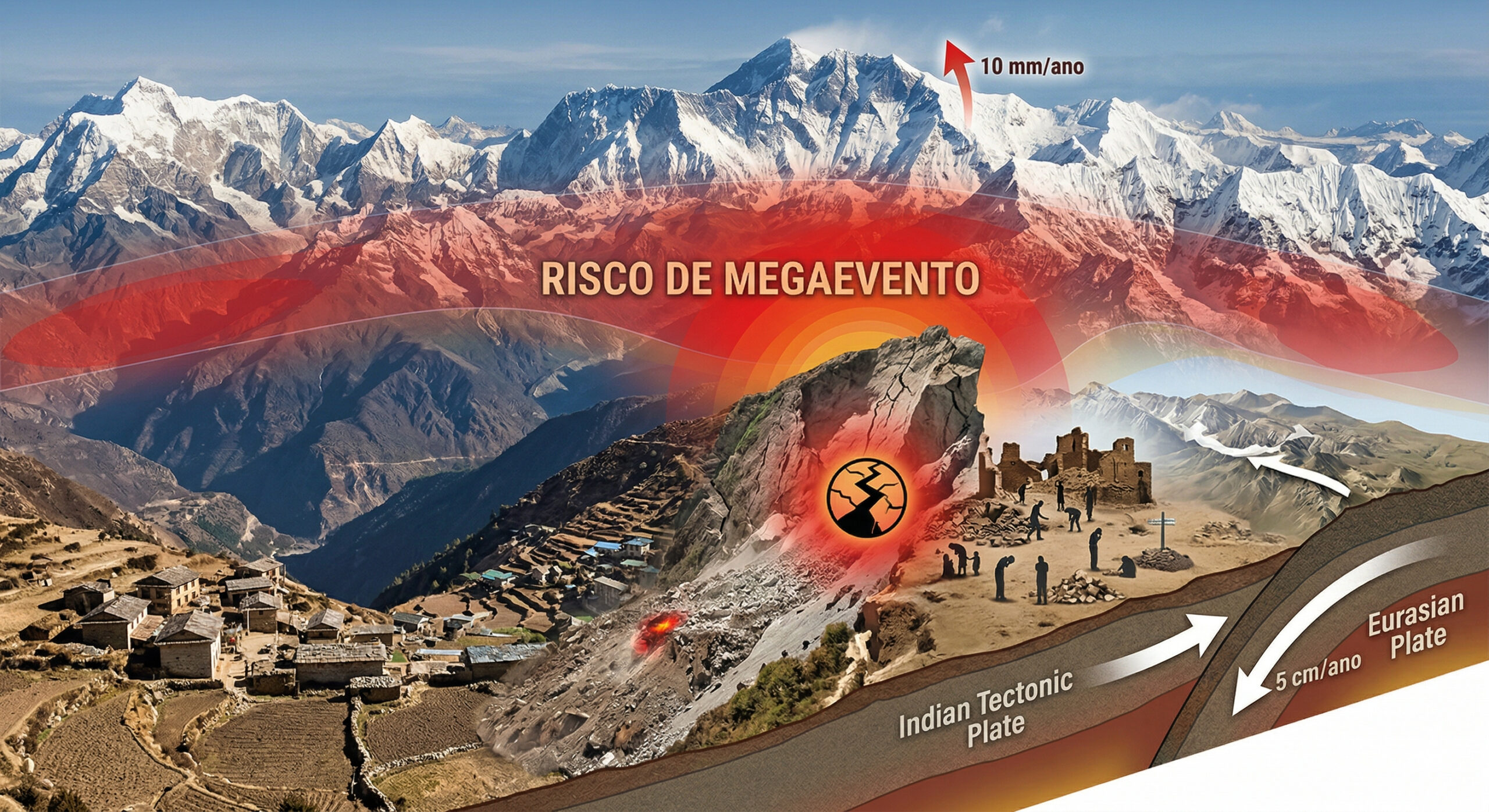
The Himalayas continue to grow to this day, with tectonic plates advancing 5 cm per year, mountains rising up to 10 mm annually, and the 2015 earthquake that killed 9,000 people may have increased the risk of an even larger seismic mega-event.
-
At an altitude of 400 km by astronauts from the International Space Station, Paris transforms at night into a golden mesh so precise that it reveals the outline of the Seine River, avenues, and entire neighborhoods like a luminous map drawn over the Earth.

-
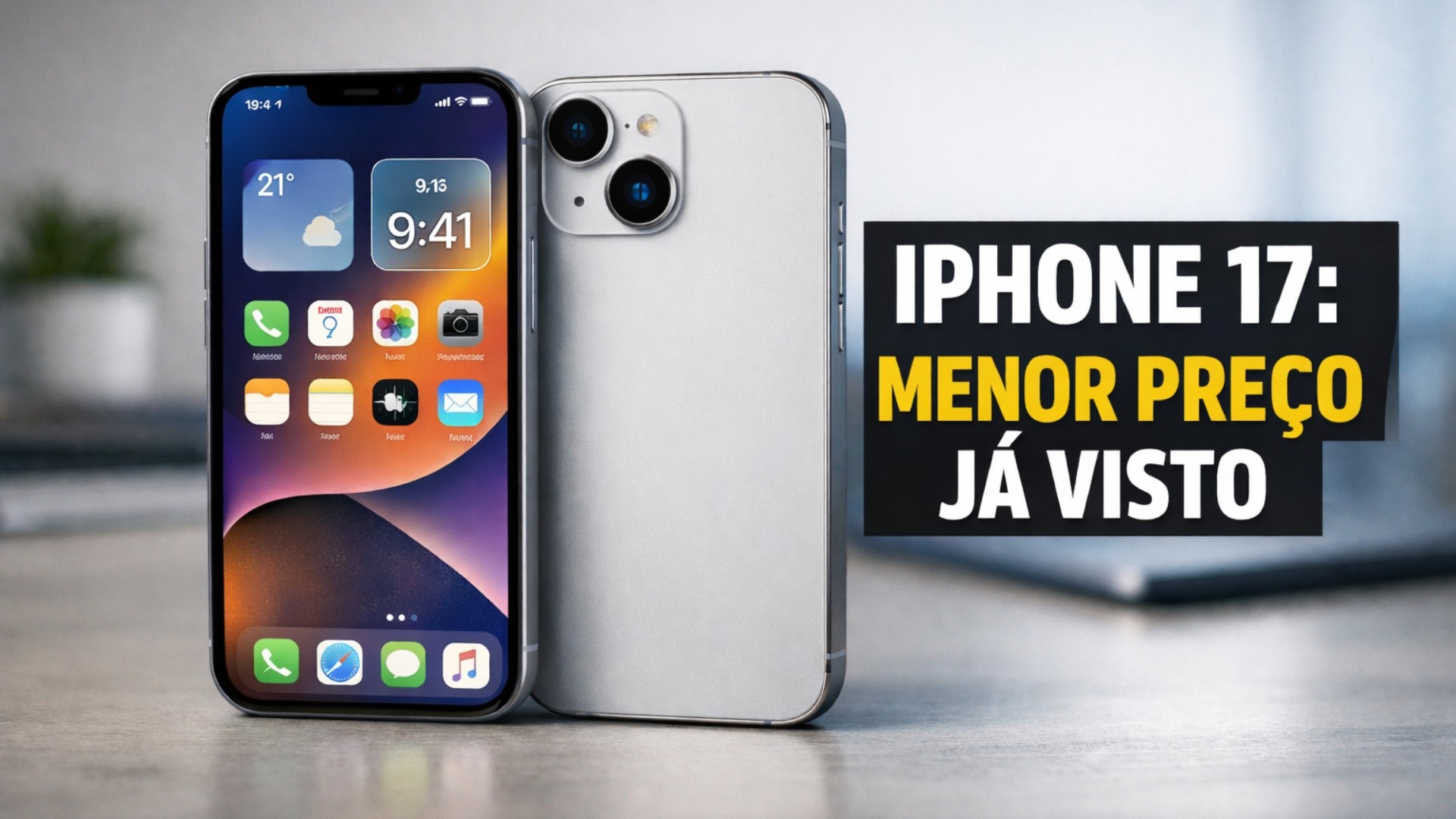
iPhone 17 reaches historic low price with 256 GB, 120 Hz display, and drops to R$ 5,703 on Shopee, featuring A19 chip, dual 48 MP cameras, battery life of up to 30 hours, and advanced AI features.
-
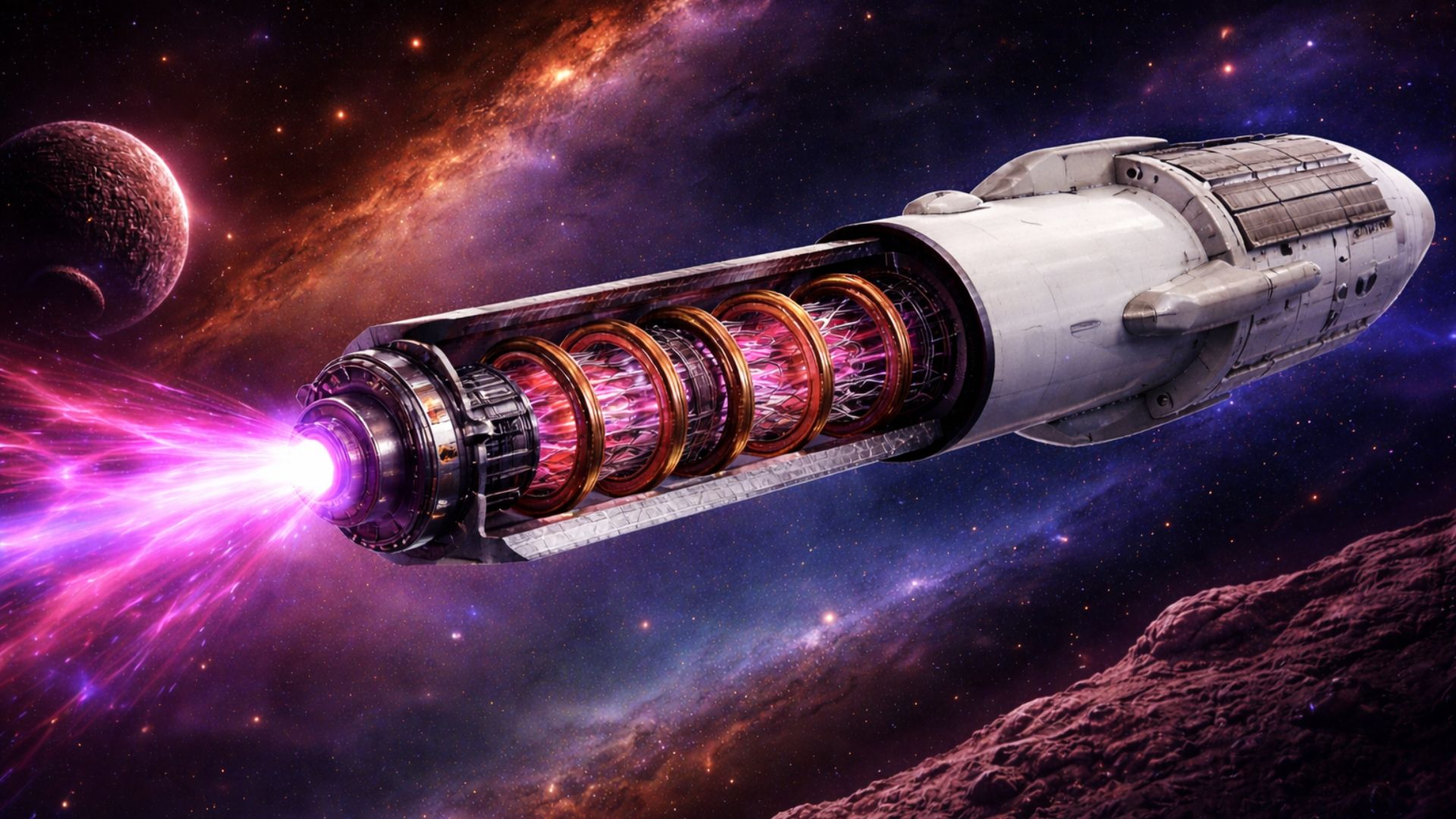
Trip to Mars getting closer: Pulsar Fusion, from the UK, advances with plasma ignition in fusion engine and could drastically reduce space travel time, making crewed missions faster, safer, and economically viable.
During the Consumer Electronics Show (CES) in Las Vegas, Toyota Corporation CEO Akio Toyoda announced an investment of 7 billion yen (approximately 45 million dollars) in Interstellar Technologies, a Japanese private space technology company.

The investment marks Toyota’s official entry into a sector dominated by giants like Elon Musk’s SpaceX, which currently leads the commercial space race.
Toyota will have a seat on the board of Interstellar, ensuring a direct influence on the company’s strategic and operational decisions.
Elon Musk and the Revolution of Space Mobility
Elon Musk, known for transforming entire industries, is an inevitable reference when talking about technological and business advances.
Under his leadership, SpaceX has redefined space exploration. In 2023, the company conducted 134 launches, more than all other countries combined, consolidating its absolute dominance in the sector.
Meanwhile, Japan faces challenges in the aerospace industry. In 2023, the country conducted only three space launches, a number far below the 116 launches carried out by the United States and 63 by China.
The Japanese government plans to achieve around 30 annual launches by 2030, but this goal will require a profound structural transformation, something that the partnership between Toyota and Interstellar aims to enable.
Interstellar Technologies and Toyota
Founded in 2013, Interstellar Technologies is a Japanese private company dedicated to developing low-cost launch vehicles for small satellites, weighing less than 100 kilograms.
In 2019, the company reached an important milestone by successfully launching a payload of 20 kilograms on a suborbital trajectory. Since then, it has been working to make rocket manufacturing more accessible and efficient.
The collaboration with Toyota is seen as a crucial step in transforming its artisanal production into a scalable and cost-effective manufacturing process.
According to Takahiro Inagawa, CEO of Interstellar, Toyota’s expertise in automotive production will be essential to achieve this goal. “From the beginning, we have taken a hands-on approach, based on trial and error. Toyota is the ideal partner to help us evolve our rocket production to an industrial scale,” he stated.
Mobility Beyond Earth
Toyota no longer wants to be seen merely as a car manufacturer. According to Akio Toyoda, the goal now is to “produce mobility and happiness for all“.
This vision includes exploring new frontiers, such as space. During his presentation at CES, Toyoda stated: “We are exploring with rockets because the future of mobility should not be limited to Earth alone.”
The phrase, interpreted as a jab at Elon Musk’s Tesla, reflects Toyota’s ambition to extend its impact beyond the automotive sector.
Woven by Toyota, the division responsible for the company’s innovation initiatives, will represent the company on Interstellar’s board. Hajime Kumabe, CEO of Woven, highlighted that the collaboration aims to leverage Toyota’s vast manufacturing expertise to transform rocket production and accelerate the transformation of mobility.
A Step in the Commercial Space Race
Toyota’s investment in Interstellar is more than a bold bet; it is a strategic response to the growing commercial space industry.
Currently, SpaceX leads the way, but competition is intensifying. Interstellar believes that the key to competing with companies like SpaceX lies in the mass manufacturing of lightweight rockets and reducing the costs of access to space.
The collaboration between Toyota and Interstellar has been developing for a few years. In 2019, Toyota worked on a lunar rover in partnership with JAXA (Japan Aerospace Exploration Agency) for NASA’s Artemis program.
In 2020, it began collaborating with Interstellar on projects aimed at reducing costs and lead times for space launches.
The new funding of 7 billion yen will allow Interstellar to accelerate its production plans and significantly increase launch frequency.
Challenges and Prospects for Japan
Although Japan is lagging in the space race, the partnership with Toyota may help boost the sector.
Interstellar highlighted that to achieve the goal of 30 annual launches by 2030, an efficient mass production system and a robust supply chain will be necessary. This is one of the main focuses of the collaboration with Toyota.
The next major test for the Japanese space industry will be the Michibiki 6 mission, scheduled to launch in February 2025 from the Tanegashima Space Center.
The 4,900-kilogram satellite will be launched aboard the H3 Launch Vehicle, manufactured by Mitsubishi in partnership with JAXA. The mission represents an important step for Japan, which plans to increase its presence in space with seven more launches throughout the year.








Enquanto estiver na casa de milhões, Eu acho que investimento na área espacial é irrisório… as coisas são muito caras!!! A não ser que já tenha um projeto muito bom em andamento…
The World is upside down because of greedy nerds like Musk , Gates and Bezos. Though you shall not try to compete with those devils. You should KILL THEM!
Three bullets each would be quite enough.
They think about development but they create slavery and most of all it’s all about themselves, they narcisistic psychos and they love you as long you feed their murderer machine.
Eu teria vergonha de fazer uma matéria dessa, 44 milhões de dólares? Vai desbancar Elon Musk? Vai criar oq com isso?