





 Portuguese
  English
  Spanish
 5 min of reading
  0 comments


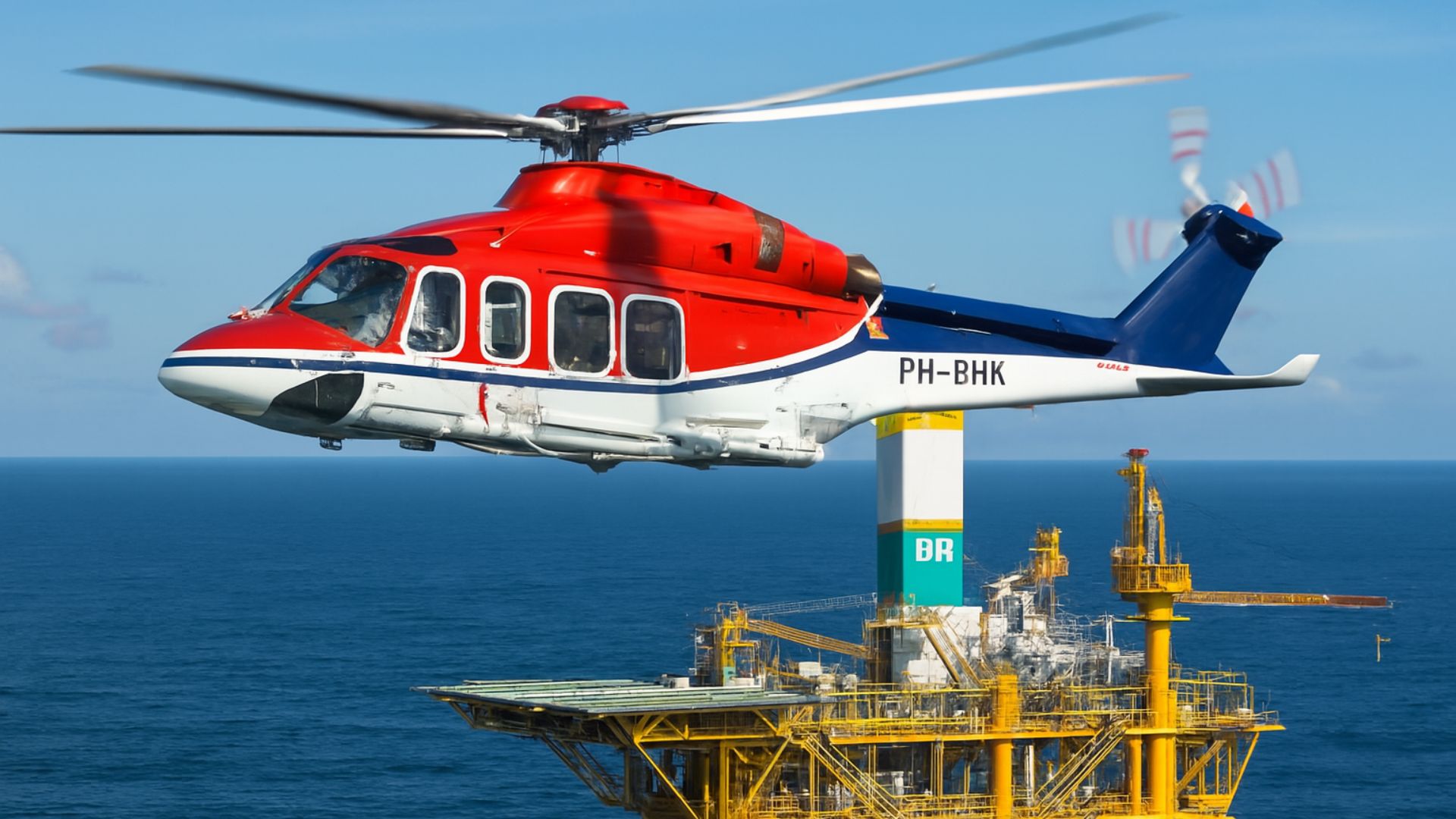
CHC Brazil Begins New Strategic Partnership with Petrobras to Enhance Safety on Oil Platforms, Offering Emergency Aeromedical Flights with AW139 Helicopter in Offshore Operations
On October 23, 2025, CHC Brazil, a subsidiary of multinational CHC Helicopter, announced the signing of a five-year contract with Petrobras for the provision of emergency aeromedical flights in offshore operations.
According to an article published by Petronotícias, the agreement marks CHC’s first contract in Brazil aimed exclusively at EMS (Emergency Medical Services), focusing on urgent medical care on oil platforms operated by the state-owned company.
Partnership with CHC Brazil: Vital Reinforcement for Oil Platforms
The operation will be conducted using the AW139 helicopter, a model recognized worldwide for its aeromedical transport capability, safety, and onboard technology.
-
Chaos On Airplane Could Be Expensive: Proposal Aims To Prevent Disruptive Passengers From Flying For Up To 1 Year In Brazil And Face Fines Of Up To R$17,500

-
With Announcement for ROV Course in Partnership with Zen, Rio das Ostras Aims to Transform Technical Qualification into Real Jobs in the Competitive Offshore Market

-
Free Offshore Steward Course in São Gonçalo Emerges as a Strategic Opportunity for Those Seeking Qualified Work at Sea

-
Man Arrested After Halting Takeoff of Fire Department Helicopter During Child Rescue in Guaratuba


The aircraft will be based at Cabo Frio Airport in Rio de Janeiro and will commence operations in October 2027, equipped with two stretchers and advanced life support systems.
The partnership between CHC Brazil and Petrobras represents a leap in the quality of medical services offered offshore. The emergency aeromedical flights aim to ensure the swift and safe transport of workers who require urgent medical attention from the oil platforms to land-based hospitals.
The service will be dedicated exclusively to emergency medical care, with a specialized team onboard and equipment that allows stabilization in flight. This includes cardiac monitoring, mechanical ventilation, and intensive support, ensuring that the patient receives care from boarding to arrival at the hospital.
AW139 Helicopter: Technology and Efficiency in Aeromedical Transport
The AW139 model, manufactured by Leonardo Helicopters, is widely used in rescue and medical transport missions in extreme environments. With capacity for up to 15 passengers, the helicopter offers:
- Cruise speed of 306 km/h, ideal for quick movements between platforms and hospitals;
- Flight autonomy exceeding 1,000 km, allowing extensive coverage of the Brazilian coast;
- Spacious and configurable cabin, with room for two stretchers and medical staff;
- Advanced navigation and safety systems, including autopilot and weather radar.
The choice of the AW139 by CHC Brazil reinforces the commitment to operational excellence and the safety of professionals working on Petrobras platforms.
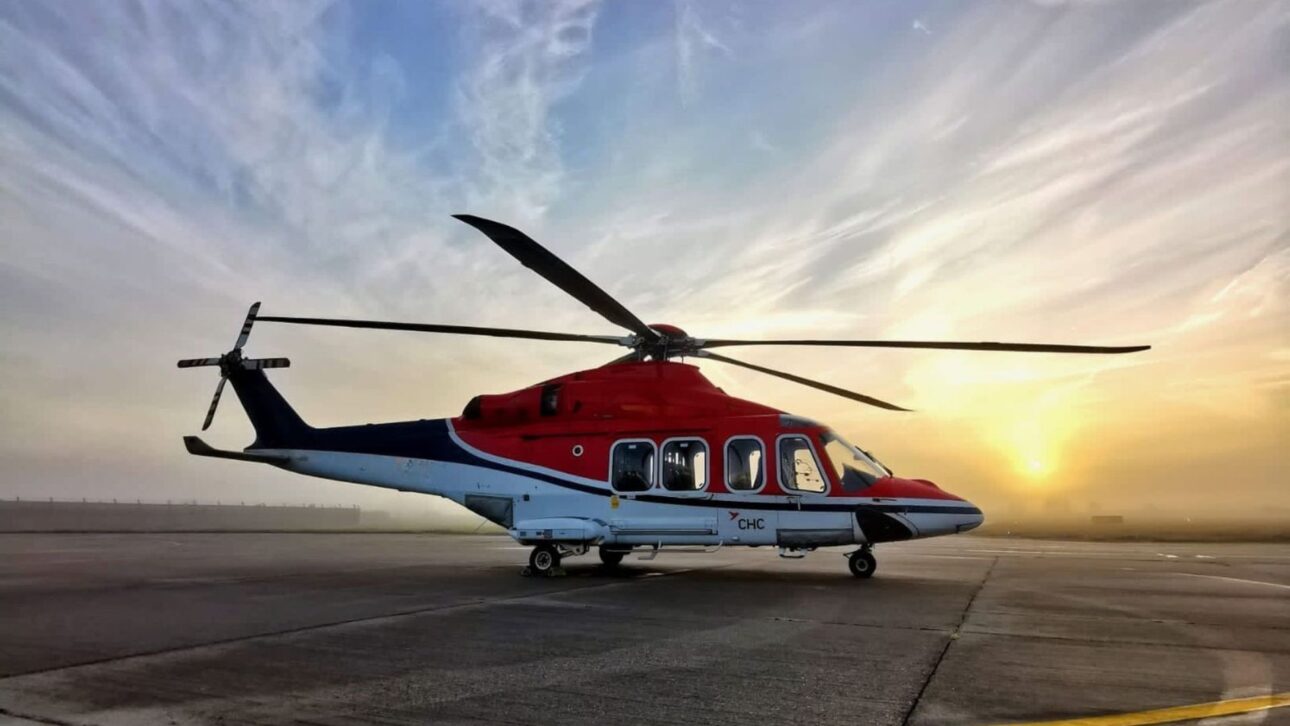
CHC Brazil Expands Operations in Offshore Services
The signing of the contract with Petrobras consolidates CHC Brazil’s presence in the specialized offshore transport segment. The company, which already operates regular flights to oil platforms, now expands its activities to the emergency aeromedical flights sector, offering integrated mobility and health solutions.
According to an official statement, this is CHC’s first exclusive EMS contract in Brazil, demonstrating Petrobras’s trust in the company’s technical and operational capabilities.
CHC Helicopter, headquartered in Canada, has over 70 years of experience in complex aerial operations and is present in several countries, including Norway, Australia, and the United Kingdom. CHC Brazil’s entry into the offshore aeromedical segment represents a natural evolution of its expertise in specialized aviation.
Petrobras Invests in Safety and Well-being of Offshore Workers
Petrobras’s initiative to hire dedicated medical transport services reinforces its commitment to the safety and well-being of offshore workers.
Operations offshore involve elevated risks, and the availability of rapid medical care can be decisive in cases of accidents or clinical emergencies.
The response time in critical situations is a determining factor for the survival and recovery of patients. With the new contract, Petrobras raises the standard of medical care on platforms, ensuring specialized support in real time.
Cabo Frio Airport Will Be the Strategic Base for Aeromedical Flights
The operational base for the flights will be Cabo Frio International Airport, located on the northern coast of Rio de Janeiro. The location was chosen due to its proximity to several oil platforms in the Campos Basin, one of the most productive in the country.
The airport is already used by companies in the oil and gas sector for the boarding and disembarkation of offshore workers and will now also host the dedicated structure for emergency aeromedical flights by CHC Brazil.
The local infrastructure will be adapted to accommodate the AW139 helicopter, with hangars, triage areas, and logistical support. According to data from the Brazilian Infrastructure Center (CBIE), Brazil has over 150 oil platforms in operation, many of them located hundreds of kilometers from the coast.
Operational Benefits and Impact on the Oil and Gas Sector
The implementation of aeromedical flights brings a number of benefits to the sector:
- Reduction in response time for offshore medical emergencies;
- Increased safety and peace of mind for employees;
- Integration between air operations and hospital units;
- Strengthening of the culture of prevention and care on the platforms.
Moreover, the contract between CHC Brazil and Petrobras could serve as a model for other operators in the sector, encouraging investments in medical infrastructure and specialized transport. The initiative reinforces the importance of health as a strategic pillar in oil and gas operations.
Global Trends in Offshore Aeromedical Transport
The use of helicopters like the AW139 in offshore medical operations is a consolidated trend in countries with a strong presence in the oil and gas sector. In the United Kingdom, for example, companies like Bristow and Babcock operate similar services in the North Sea, with rigorous protocols for medical care and evacuation.
In Brazil, the demand for specialized services is growing as offshore operations expand into more remote and deeper areas. The adoption of advanced technologies and dedicated aircraft is essential to ensure the safety and efficiency of operations.
CHC Brazil: Safety as a Priority on Oil Platforms
Safety on the oil platforms is a strategic priority for companies like Petrobras. In addition to prevention protocols, training, and protective equipment, rapid access to medical care is a fundamental component of risk management.
The contract with CHC Brazil represents an advance in the protection of the lives of offshore workers, offering a swift and qualified response in critical situations.
The presence of a dedicated aircraft with medical staff and intensive support elevates the standard of care and strengthens the confidence of professionals working offshore. Offshore medical safety is now supported by a robust and specialized structure, aligned with the best international standards.
Integration of Health, Logistics, and Innovation in the Offshore Sector
The partnership between CHC Brazil and Petrobras symbolizes a step forward in the integration of health, logistics, and innovation in the oil and gas sector. By uniting aeronautical technology, medical infrastructure, and operational management, the project establishes a new standard of excellence in emergency aeromedical flights.
The operation of the AW139 helicopter from Cabo Frio will be a milestone in offshore safety in Brazil, with the potential to influence public policies, regulations, and corporate practices. Investing in specialized medical transport demonstrates that innovation and care can go hand in hand in building a safer and more sustainable sector.









-

Uma pessoa reagiu a isso.