





 Portuguese
  English
  Spanish
  5 min of reading
  4 comments


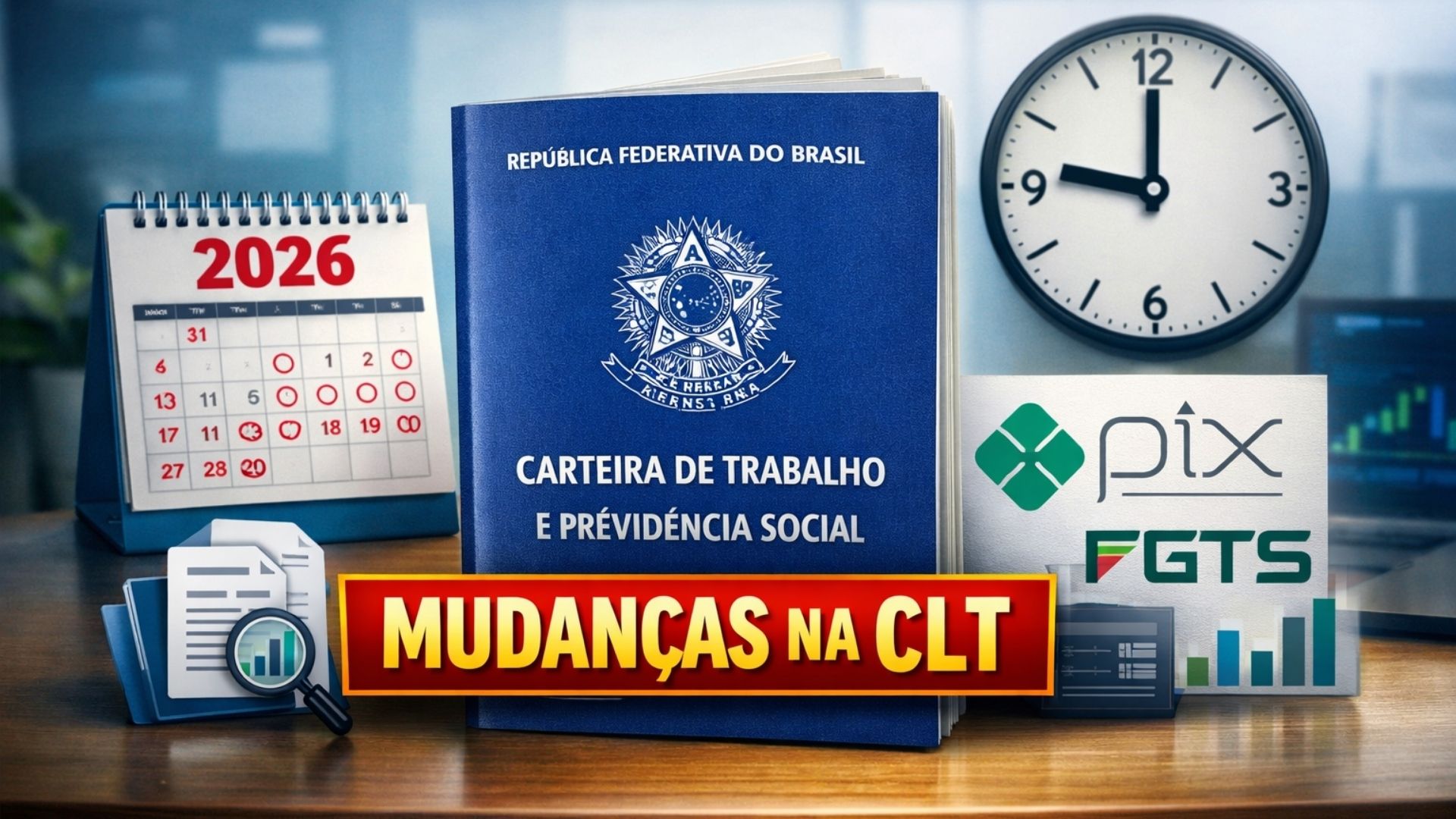


Changes Concentrated in 2026 Alter Work Hours, Compensation, Sunday Work Rules, Companies’ Mental Health Obligations, and Expand Digital Oversight, With Direct Impacts on the Routine of Formal Workers and on the Enforcement of Rights.
The year 2026 brings significant changes for formal workers, with direct effects on work hours, compensation, work organization, and oversight.
Among the main points are the discussion on reducing the weekly work hours to up to 36 hours, the adjustment of the minimum wage to R$ 1,621, new requirements for working on holidays in retail, the inclusion of psychosocial risks in health and safety regulations, and the advancement of Digital FGTS, with contributions via Pix and greater data integration.
Although some of these measures still depend on legislative approval or regulatory consolidation, 2026 appears as a milestone because it concentrates the enforcement of already issued regulations, the maturation of digital systems, and the advancement of institutional debates that have been dragging on in recent years.
-
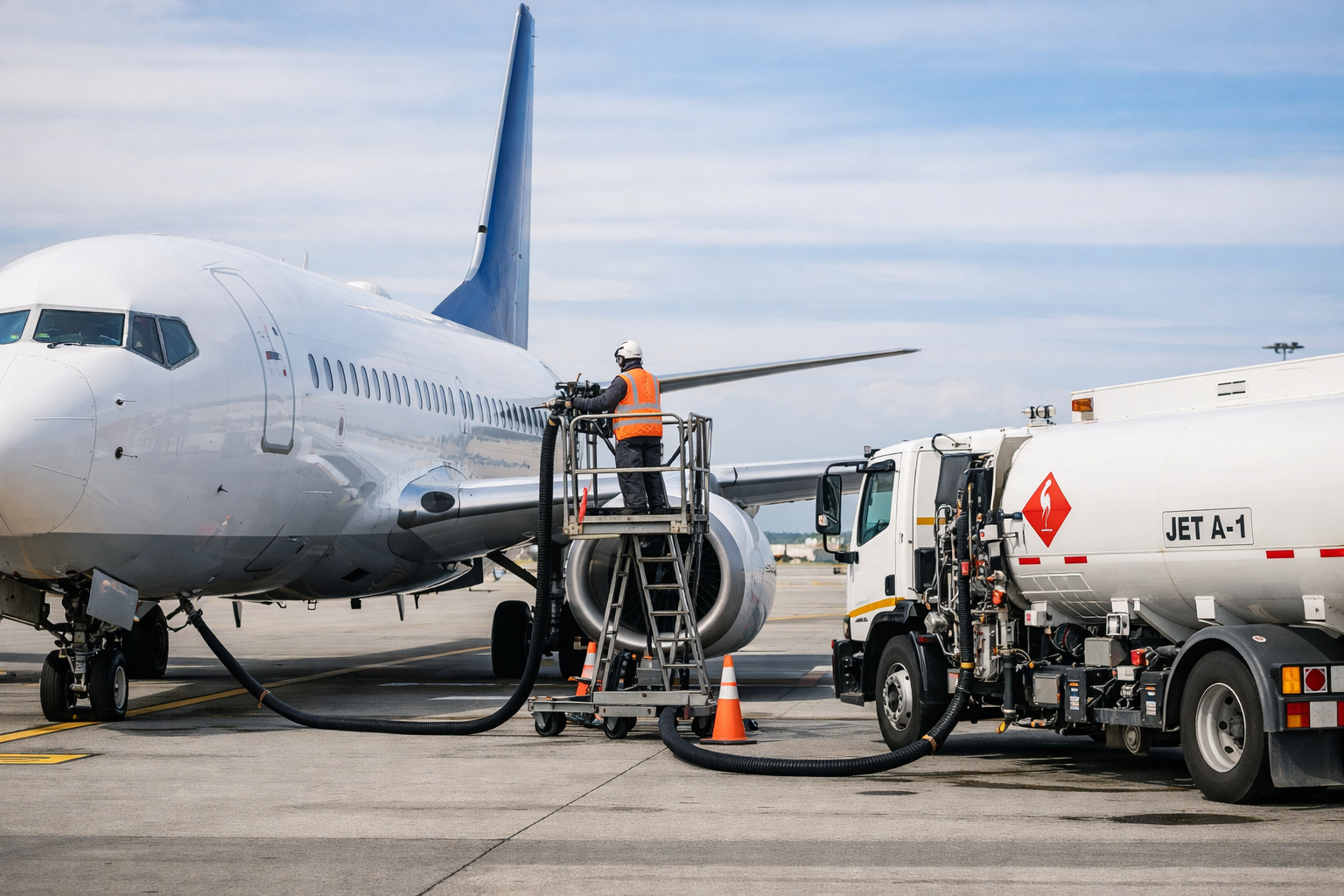
Airfare prices may rise with increasing fuel costs, and the government is considering urgent measures to avoid a direct impact on the wallets of Brazilians.
-
Chocolate prices soar nearly 15% and become a luxury item for Easter 2026, with increases surpassing inflation and changes in Brazilian consumption habits.

-
The Federal Revenue issues a good alert for Brazilian taxpayers: 60.9% are already using the pre-filled tax return, automatic refunds via Pix reach millions, and the government plans for a fully automated income tax in the coming years.

-
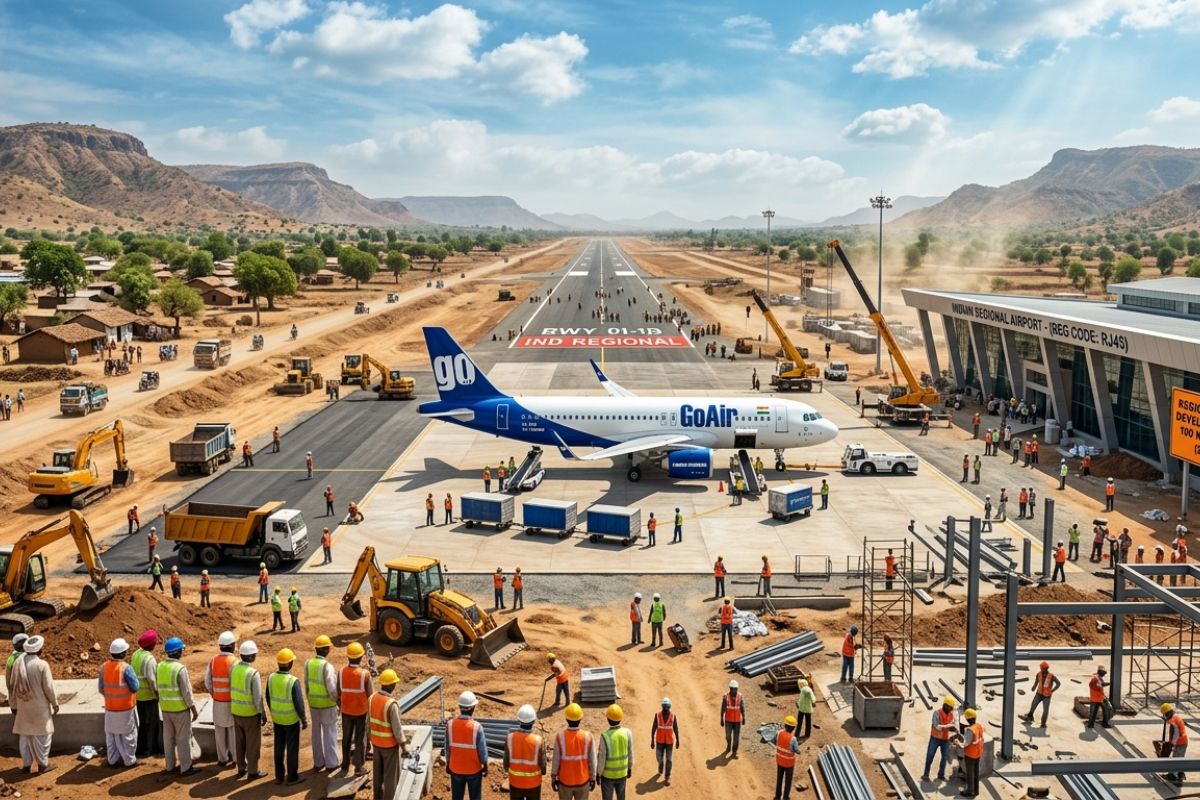
India announces a plan of $3.06 billion to bring aviation to forgotten regions: 100 new airports, $1.07 billion in subsidies, and regional routes guaranteed for 10 years, from 2026 to 2036, away from the centers.

The result is a transitional environment that tends to change internal procedures of companies and the routine of rights monitoring by workers.
Adjustments to Labor Rules and Advancement of Digital Oversight
The set of changes associated with 2026 results from court decisions, proposals currently under consideration in the National Congress, and regulations from the Executive Branch that have had their effectiveness postponed.
At the same time, platforms like eSocial and Digital FGTS have undergone testing and adjustment phases and are now reaching a broader usage stage, allowing for greater cross-referencing of labor information.
According to evaluations from government technicians and labor law experts, the combination of new rules and integrated systems tends to make inconsistencies in records and contributions more visible.
For workers, this translates into a greater need to pay attention to pay slips, FGTS deposits, and specific rules of their professional category.
Reduction of Work Hours to 36 Hours Remains Under Debate
The possibility of reducing the weekly work hours to 36 hours is linked to a proposed amendment to the Constitution currently before the Federal Senate.
The text provides for a transition, with an initial reduction from 44 to 40 hours per week, and subsequently to 36 hours, without a reduction in salary.
As this is a Proposed Constitutional Amendment (PEC), the change depends on approval in two rounds in both the Chamber of Deputies and the Senate.
So far, there is no promulgated text or set date for eventual enforcement.
Therefore, experts emphasize that for 2026, what exists is the continuation of legislative debate, rather than an automatic alteration of the rules for all workers covered by the CLT.
Even without final approval, the topic already influences sectoral discussions and collective bargaining, especially in categories that adopt differentiated work hours or seek to reorganize work schedules.
This movement, according to analysts, reflects an international trend towards revisiting work time, although in Brazil, the outcome depends on the legislative process.
Minimum Wage of R$ 1,621 and Impacts on Benefits
The federal government set the minimum wage at R$ 1,621 starting in January 2026, according to a decree establishing the national minimum for the year.
The adjustment follows the policy that considers accumulated inflation and GDP growth, when applicable.
In addition to directly impacting those earning the minimum wage, the new amount serves as a reference for social security, assistance benefits, and minimum wage thresholds across various categories.
Economists note that, for this reason, the impact of the adjustment tends to spread across different income brackets, albeit indirectly.
For workers, the change requires attention to the specific rules of each benefit or collective agreement, as the form of passing on the adjustment may vary according to the link and sector.
Working on Holidays and Sundays in Retail Undergoes New Rules
One of the changes with a set date involves the operation of retail on holidays.
The Ministry of Labor and Employment has established that, starting from March 1, 2026, working on these days will depend on express authorization in collective agreements, along with compliance with municipal legislation.
According to the government, this measure reinforces provisions already foreseen in labor legislation and seeks to enhance collective negotiation.
In the case of Sundays, federal legislation continues to allow work in retail, provided that rules such as weekly paid rest coinciding with Sunday at least once in the maximum period prescribed by law are observed.
Local regulations and the conditions set forth in collective agreements must also be respected.
In practice, labor lawyers point out that collective agreements gain even more relevance in defining shifts, compensations, and bonuses.
For retail employees, this means that working conditions on holidays may vary according to the agreement reached by the category’s union.
Mental Health Enters Occupational Risk Management
The update of Regulatory Norm No. 1 expanded the concept of occupational risk management to include psychosocial factors related to work.
The change requires companies to consider aspects such as work organization and conditions that may affect the mental health of employees.
The enforcement start date for this aspect has been postponed and is scheduled for May 2026.
According to the Ministry of Labor, the aim is to allow companies time to adapt to the new requirements and incorporate these factors into their prevention programs.
Experts in worker health explain that the regulation does not automatically create individual penalties.
It establishes a framework for oversight and the requirement for preventive measures, especially in environments with a history of psychological illness related to work.
STF, Digital FGTS, and eSocial Expand Control over Irregularities
In the judicial field, recent decisions by the Supreme Federal Court clarified that the limits established in the CLT for indemnities for moral damages serve as a reference.
These limits do not prevent the Justice from setting higher amounts when there is adequate justification.
This understanding affects how companies and workers assess risks and labor disputes.
Meanwhile, labor oversight increasingly relies on integrated digital systems.
The Digital FGTS has started operating with payments via Pix and utilizes information declared in eSocial to generate debts.
This model allows for quicker identification of failures in contributions.
According to area technicians, the integration of these systems reduces the interval between the error and its detection.
For the worker, this reinforces the importance of regularly monitoring whether FGTS deposits and contractual records are accurate.
With so many fronts of change underway, the question that remains is whether workers and companies are closely following the specific rules that will take effect in 2026.








Trabalhar clt não é o melhor caminho!
Sei que por ter estudos dificulta, eu concordo!
Mas no caso eu trabalho todos os dias com uma folga na semana, e o dono da padaria disse que padeiros não tem domingo!, ou seja, junta o governo pagando pouco e empresário roubando os funcionários, muito melhor vender água no sinal do que ficar passando desaforo, fora que muitos empresários não sabem conversar com funcionário, maioria deles humilha, grita, e etc.
Pq as empregada doméstica não tem direito ao pixpasep
Man em nome de Deus, so 1,621? Num e nada n **** da nem pra fzr a feira tlgd nam mds, aiai, até onde isso vai