





 Portuguese
  English
  Spanish
  5 min of reading
  0 comments


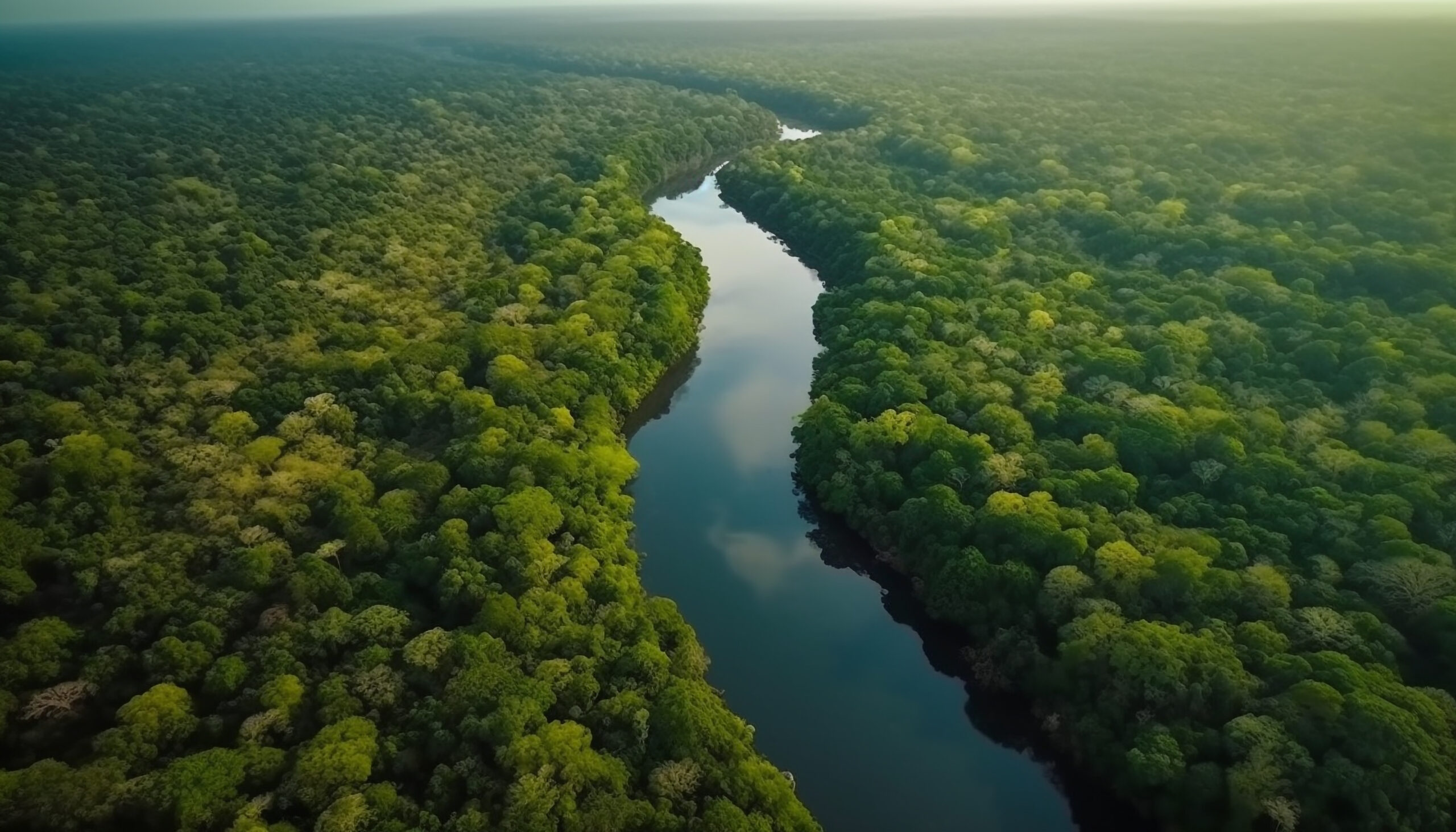
The COP30 brought to light a crucial point: the green infrastructure in the Amazon only advances if there are structural investments, especially in basic sanitation. At the meeting organized by the Banco da Amazônia in Belém (PA), experts emphasized that without efficient water and sewage systems, the energy transition and decarbonization are compromised.
During the climate conference, this debate became central because the Amazon needs projects that combine sustainability and social development. On one hand, the forest requires protection and regeneration; on the other, Amazonian communities need infrastructure to live with dignity. Therefore, COP30 serves as a platform to discuss how to reconcile these demands.
A Historical Overview of Infrastructure in the Amazon
Historically, the Amazon has faced a deficit in basic infrastructure. For decades, Brazilian governments have discussed the need for sanitation in the region. However, many plans have stumbled due to lack of resources or logistical difficulties in executing works in vast and remote territories.
-
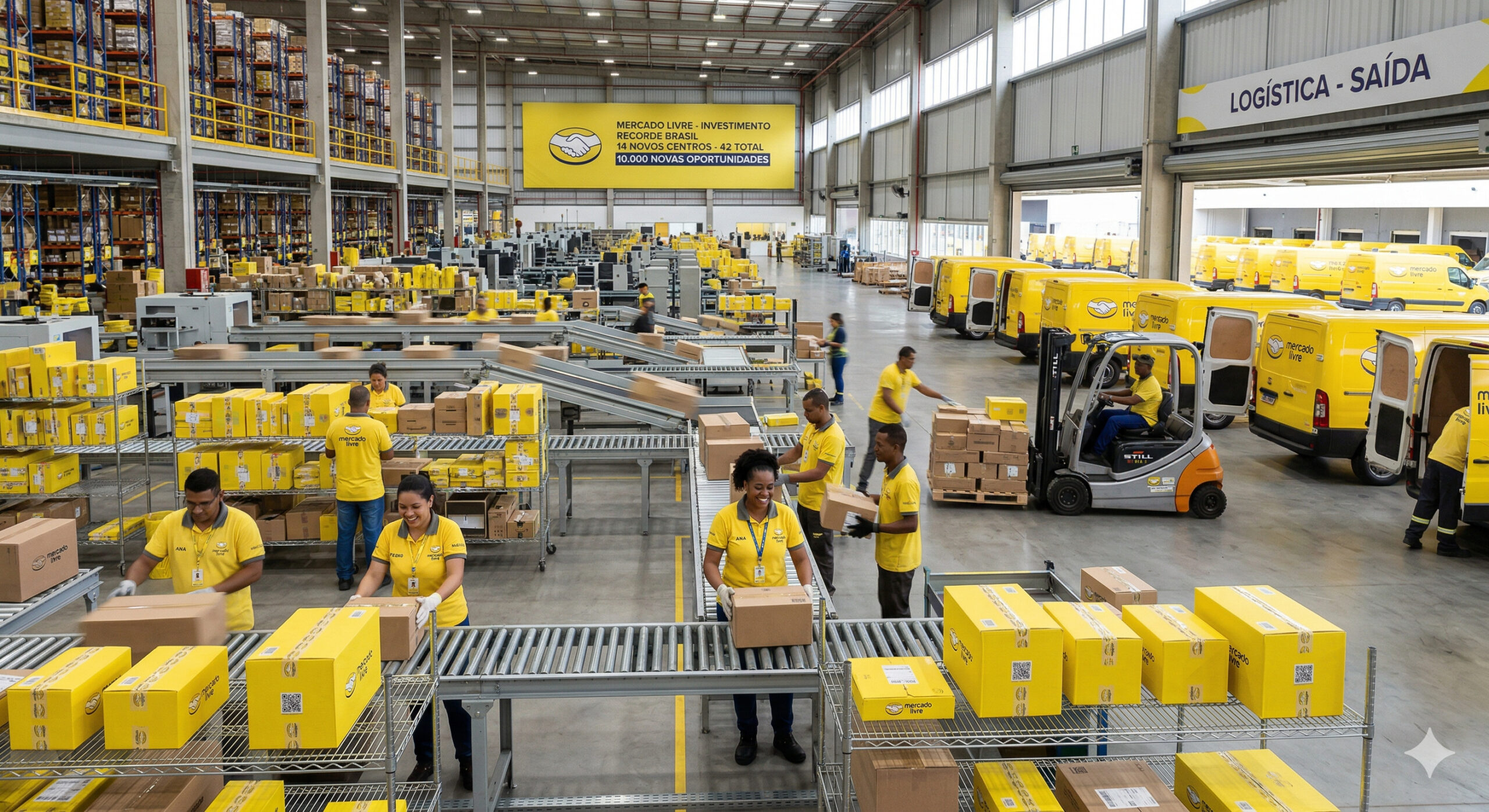
Mercado Livre “opens the vault” and announces a record investment of R$ 57 billion in Brazil in 2026, a value 50% higher than the previous year, with an expansion plan that includes 14 new logistics centers, totaling 42 units in the country and hiring an additional 10,000 employees.
-
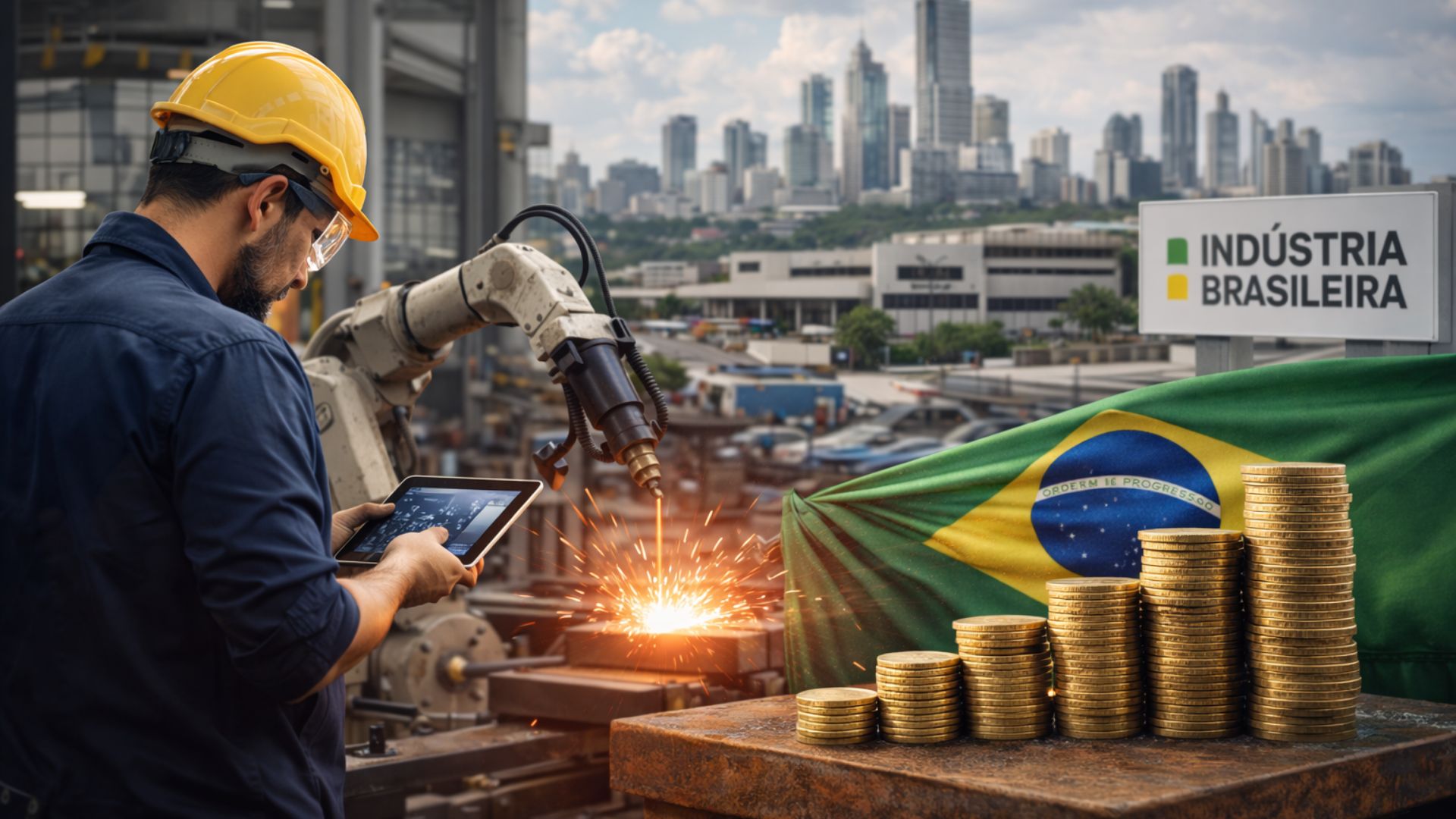
How investment in technology can revolutionize the national economy and enhance industrial gains, according to a study that highlights the direct impact on productivity, innovation, and wealth retention within Brazil.
-
The largest food company on the planet, JBS, has just opened a 4,000 square meter laboratory in Florianópolis to develop customized proteins that modulate muscle mass gain, immune response, and metabolic performance.

-
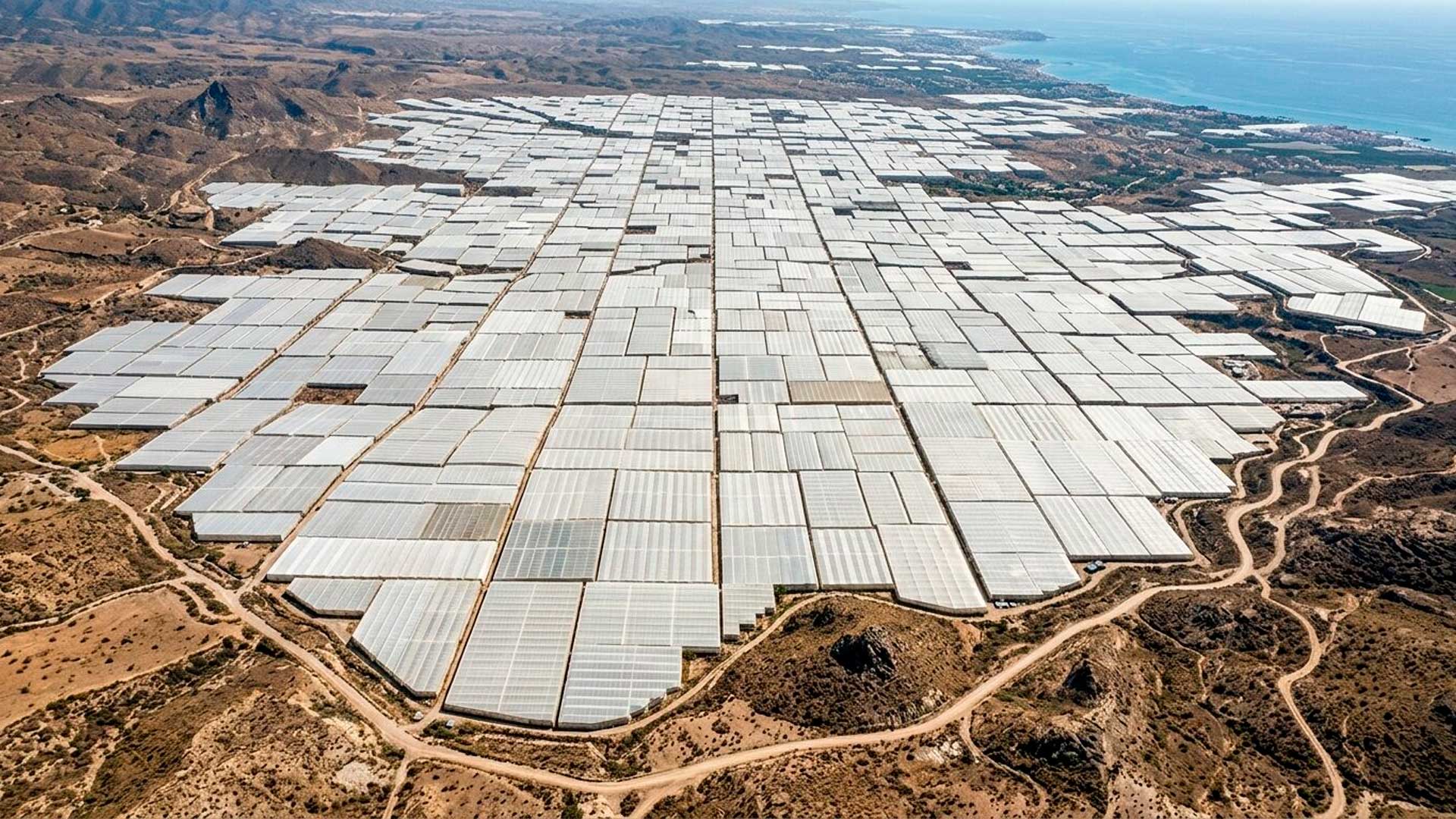
After nearly 30 bids and competition among industry giants, a Spanish company purchases one of the largest airports in Brazil for almost R$ 3 billion and takes over the management of Galeão in a concession that will last until 2039.


In recent decades, the issue has gained urgency as the Amazonian population has grown and the impacts of climate change have begun to manifest more strongly. Rivers communities, for example, feel the effects of flooding with greater severity, and without adequate sanitation, water contamination becomes a constant risk.
It’s also worth noting that the Amazon plays a strategic role in the global climate: as one of the largest reserves of biodiversity and carbon on the planet, its fate directly influences global mitigation commitments. And it is precisely in this scenario that COP30 positions itself as an opportunity to change paths.
The Importance of Sanitation for Green Infrastructure
At the Banco da Amazônia pavilion in the Green Zone of COP30, experts emphasized that basic sanitation is much more than a public health service: it is the foundation for green infrastructure. According to a report from Brasil 61, sanitation reduces emissions, improves quality of life, and prepares regions to receive clean projects.
One of the most striking examples presented was that of Vila da Barca in Belém (PA). There, Águas do Pará installed about 2.3 km of elevated networks in just three months, benefiting around 5,000 inhabitants with regular access to drinking water. According to the Sustainability Director of Águas do Pará, Adriana Albanese, the initiative was funded by Banco da Amazônia.
This type of project demonstrates that structural projects can create real and immediate impact. Sanitation infrastructure not only improves public health but also creates conditions for the implementation of clean technologies, such as renewable energy micro-generation in isolated communities.
Sustainable Financing: The Engine of Transformation
To make green infrastructure projects viable, sustainable financing has emerged as a key element at COP30. Roberto Schwartz, Credit Director of Banco da Amazônia, stated that the union of capital, technology, and institutional articulation is essential to transform ideas into reality.
Schwartz emphasized that when companies believe in the transformative power of the bank, projects move from concept to execution. This confidence allows sanitation and renewable energy initiatives to advance consistently and structurally.
In the debate, Nélio Gusmão, Executive Manager of Corporate Credit at Banco da Amazônia, stated that the energy transition in the Amazon “is already happening”: according to him, COP30 reinforces that mere discourse is not enough — concrete investment is required.
Furthermore, participants discussed lithium-ion batteries as a solution for isolated communities. Wilson Ferreira Júnior, Chairman of the Board of Directors of Matrix Energia, exemplified: “With solar panels and batteries, the community charges during the day and uses it at night, moving away from diesel generators.”
Connectivity and Resilient Infrastructure
COP30 also highlighted the importance of linking sanitation to a broader infrastructure, including transportation. According to the Ministry of Transport, the Amazon needs logistical systems capable of respecting its geography and promoting sustainable solutions. Brazil Services and Information
The ministry proposed an alliance for regional development in the Amazon, focusing on green infrastructure and multimodal mobility. This includes waterways, railways, and highways that respect the environment, in addition to nature-based engineering. Brazil Services and Information
Concurrently, Amazonian countries launched a regional action plan for 2026–2030 at COP30. According to the Inter-American Development Bank (IDB) and the World Bank, the initiative aims to mobilize over US$ 1 billion for resilient cities, clean energy, and sustainable urban infrastructure. World Bank+1
This collective effort reinforces that sanitation and green infrastructure are not isolated causes, but rather components of an integrated development strategy.
Challenges and Opportunities for the Amazon
Although COP30 has brought about a positive debate, challenges remain. Building sanitation in remote communities requires planning, logistics, and long-term financing. The Amazonian terrain has peculiarities that elevate costs and complicate management.
On the other hand, the opportunities are significant. Structural investments in green infrastructure could stimulate the bioeconomy, create local jobs, and strengthen social participation. The involvement of traditional communities, students, and business leaders during COP30 demonstrates that there is a willingness to advance.
Moreover, the combination of sanitation, renewable energy, and sustainable transport could promote a more resilient and inclusive Amazonian development model. COP30 reaffirms that to preserve the forest, it is also necessary to ensure the well-being of the people who live in it.
Social Impact and Climate
Sanitation infrastructure brings direct benefits to the health of Amazonian populations. Drinking water and sewage treatment reduce diseases, improve quality of life, and strengthen climate resilience.
At the same time, reducing emissions through renewable energy and batteries strengthens the decarbonization strategy aligned with COP30. Investing in these technologies contributes to Brazil’s international commitments and to the preservation of the Amazon, one of the planet’s most sensitive biomes.
The coordination among banks, governments, and civil society presented at COP30 reaffirms that the climate agenda can indeed move forward alongside social justice. This model suggests that the conservation of the Amazon does not have to sacrifice local development but can support it.
Reflection on COP30 and the Amazonian Future
COP30 concluded important stages of debate, but its real impact will depend on structural investments. If sanitation does not evolve, green infrastructure will lack a solid foundation to grow. On the other hand, if there is political and financial commitment, the Amazon could become a global laboratory for green development.
The conference highlighted that the energy transition alone is not enough: it is necessary to think about essential infrastructure, public services, and smart connectivity. The Amazon needs long-term planning, not just sporadic announcements.
Furthermore, COP30 showed that banks, governments, and communities can work together. This cooperation is key to transforming speeches into reality. If Brazil follows this path, the Amazon region could lead a new phase of sustainability — one where climate, development, and inclusion walk hand in hand.






Seja o primeiro a reagir!