





 Portuguese
  English
  Spanish
  3 min of reading
  1 comment


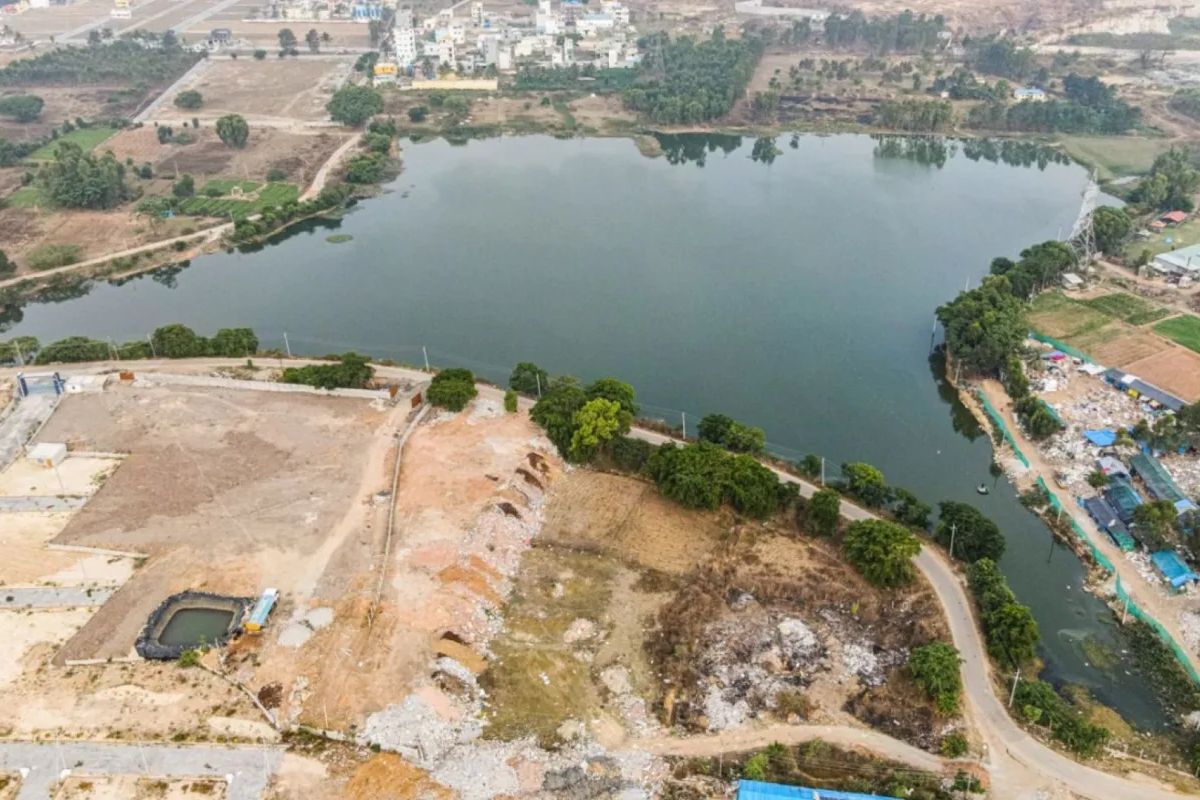


Engineer Anand Malligavad Began The Recovery Of A Lake In Bengaluru, Reintroduced Clean Water To The Lake System And Has Already Helped Restore Over 90 Lakes Across The Country
Engineer Anand Malligavad decided to face a problem that seemed impossible: bringing water back to a dry lake in Bengaluru, a city that was once known as the “city of lakes,” but has faced scarcity due to low rainfall and excessive construction. Without prior experience in lake restoration, the engineer chose to act even when he heard laughter and criticism.
The turning point began at Kyalasanahalli lake. Malligavad researched ancient irrigation methods, sought resources, and put machines to work on the lakebed. Six months after the end of the monsoon season, clean water returned, and what started as an isolated project became a crusade that now inspires other regions of India.
The Lake Crisis In Bengaluru And The Decision Of An Engineer
Bengaluru has undergone a drastic change in its water system: many lakes have dried up and some are at risk of disappearing.
-
If Ormuz closes, the world freezes: the 1,200 km Saudi Petroline transports oil from the Gulf to the Red Sea, operates near 7 million barrels/day, and becomes a geopolitical weapon in the crisis with the US.

-
Scientists restore seagrass meadows in the open sea.

-
Scientists find about 1 million giant live eggs hatching in an active underwater volcano, discover a natural furnace on the ocean floor, and reveal one of the most unlikely nurseries ever seen in the ocean.
-
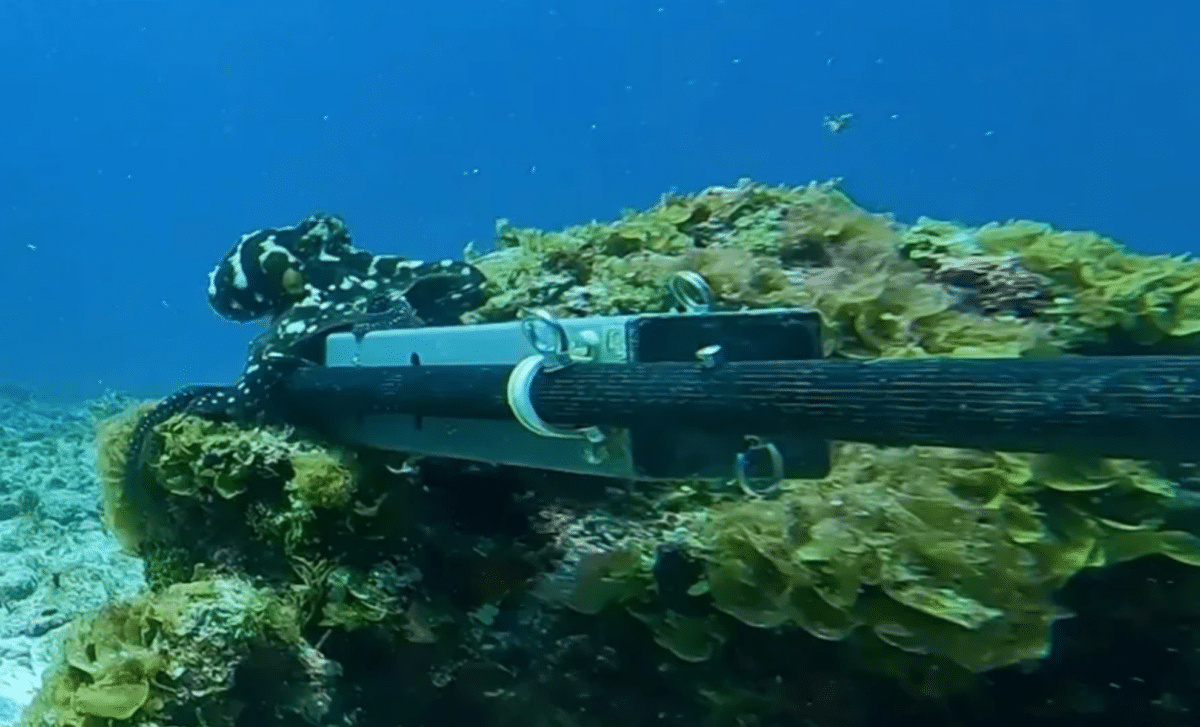
Scientists launched a bait camera to the bottom of the Pacific Ocean and saw something that no one expected.
In this scenario, engineer Malligavad, who was working in an automotive parts factory, looked at the problem and made an uncommon decision: to attempt to recover a lake on his own.
The result was not immediate. He reports that when trying to obtain funding, he was told it was madness. Even so, the engineer continued, turning the initial lack of support into motivation to study alternatives and develop a practical recovery plan.
Ancient Techniques And A Direct Method To Reintroduce Water To The Lake
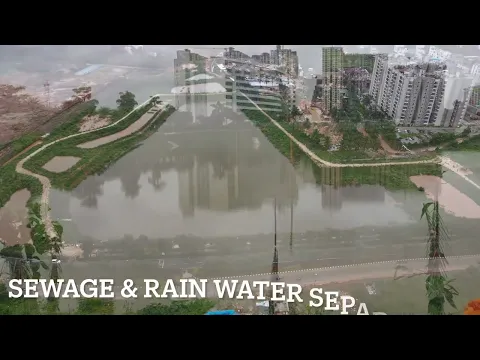

Instead of relying solely on modern solutions or large new structures, the engineer sought references in ancient irrigation methods and applied simple principles of restoring natural flow: unblock, reconnect, and allow water to circulate again.
With a corporate social responsibility donation of US$ 100,000 from the company he worked for, he hired excavators to remove sludge, garbage, and plastic waste from the lakebed and reopen channels that had been blocked over time.
This combination of study and practical execution accelerated the process and created conditions for the return of water.
The Transformation Of The Lake Of Kyalasanahalli In Just Six Months
The most impressive milestone of the engineer’s work took place at Kyalasanahalli. After cleaning the lakebed and reopening channels, Malligavad also created islands for migratory birds, adding an ecological component to the project and reinforcing the lake’s function beyond water supply.
The impact was swift: six months after the end of the monsoon season, the lake was already filled with clean water again. What was once a degraded space returned to function as a body of water, with signs of environmental recovery and a strong symbolic effect for the city.
From One Lake To More Than 90: The Expansion Led By An Engineer
After the first case, Malligavad expanded his work. According to reported figures, the engineer has restored over 35 lakes in Bengaluru, as well as seven lakes in Ayodhya, nine in Lucknow, and 40 bodies of water in Odisha. Adding these efforts, the project surpasses the mark of over 90 restored lakes.
This reach changed how he was perceived. From someone without a background in the field, the engineer became a national reference in lake restoration, associated with a recovery model that combines cleaning, channel reactivation, and care for the ecosystem.
“Life Purpose” And The Goal Of One Hundred Thousand Lakes
Malligavad defines his work as a personal mission. He claims he wants to restore one hundred thousand lakes before he dies and summarizes the urgency with a direct comparison: you can find alternatives to milk, but what will you do without water?
The story of the engineer also highlights a central point: a single person can unlock change when they decide to tackle a problem with method, persistence, and concrete action, especially on issues related to water, pollution, and climate.
In your opinion, what matters more for an engineer to recover a lake: money, technique, or persistence to not give up when everyone criticizes?






Assunto importante e relevante