





 Portuguese
  English
  Spanish
  4 min of reading
  0 comments


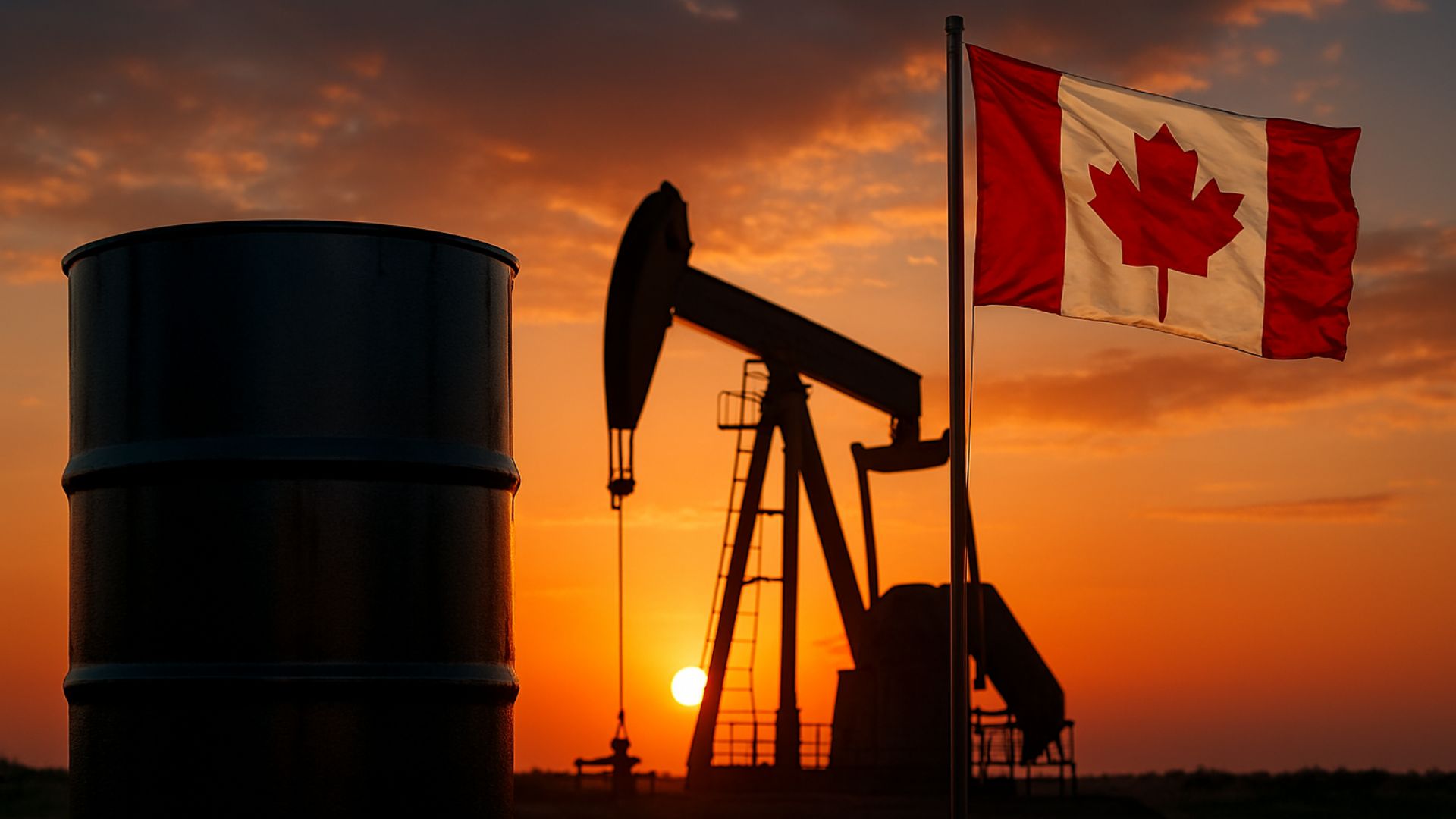
Discover How Canada Is Expanding Oil and Gas Production in Alberta by Repealing Environmental Laws, Generating Debates on Climate Impacts, Indigenous Rights, and Energy Independence
The government of Canada announced on November 27, 2025, the repeal of several environmental laws, paving the way for an ambitious megaproject of oil and gas in the province of Alberta. According to an article published by Gazeta do Povo, the decision, made by Prime Minister Mark Carney, aims to increase the exploration of fossil fuels, reduce trade dependence on the United States, and boost the country’s energy independence.
Repeal of Environmental Laws in Canada
Prime Minister Mark Carney signed an agreement that repeals existing environmental laws, allowing the energy industry greater freedom to operate without climate restrictions. The main points include:
- Permission for the construction of a new pipeline in Alberta, without the limitations imposed by environmental regulations.
- Exemption of the industry from several climate protection standards, allowing accelerated exploration of heavy oil and natural gas.
- Possibility of directing oil to international markets, especially in Asia, increasing the country’s competitiveness.
This change marks a turnaround in Canadian energy policy, traditionally focused on environmental preservation, and positions the country to significantly expand its production of oil and gas. Canada prioritizes economic exploration over environmental restrictions, generating intense debates about the country’s energy future.
-
The rise in oil prices could ensure an extra revenue of R$ 100 billion for the Federal Government, indicates a recent economic study.

-
Naturgy begins an investment of R$ 1.6 million to expand the gas network in Niterói and benefit thousands of new residences and businesses.
-
A major turn in the Justice system suspends tax increases and directly impacts oil and gas companies in Brazil by affecting costs, contracts, and financial planning, leaving uncertain what could happen to the sector if these costs had increased.

-
Brava Energia begins drilling in Papa-Terra and Atlanta and could change the game by reducing costs in oil while increasing production and strengthening competitiveness in the offshore market.

Economic and Strategic Motivations of the Megaproject
According to Carney, the repeal of the environmental laws mainly aims to reduce Canada’s trade dependence on the United States. With Donald Trump’s return to the White House, bilateral negotiations have become more complex, making it necessary to diversify export markets.
Furthermore, the Canadian government expects the megaproject to generate new economic opportunities:
- Creation of direct and indirect jobs in the energy sector.
- Stimulation of private investment in oil and gas transportation and logistics infrastructure.
- Potential increase in national revenue from exports, strengthening the Canadian economy in the face of global challenges.
The agreement prioritizes the construction of a gas pipeline to Asia, aiming to make Canada stronger, independent, resilient, and sustainable, according to Carney.
Indigenous Reactions and Climate Activists on Canada’s Initiative
The repeal of the environmental laws sparked immediate protests from climate activists and indigenous leaders. Among the concerns are:
- Environmental impacts of pipeline construction and intensive heavy oil exploration, such as river pollution and ecosystem degradation.
- Threat to territorial rights of indigenous communities living in regions affected by the project.
- Global climate risks, as increased extraction of fossil fuels contributes to global warming.
The neighboring province of British Columbia also expressed opposition, claiming that the pipeline would cross its territory, which could compromise protected areas and generate legal conflicts.
The discontent of local communities highlights the social challenges of a large-scale project, even with government backing.
Logistical Challenges of the Oil and Gas Megaproject
Despite the announcement, there are still significant obstacles to the implementation of the megaproject:
- Lack of interested companies: currently, no company has shown interest in building the new pipeline.
- Processing of heavy oil: most refineries cannot process the resource extracted from Alberta, limiting the project’s viability.
- Need for private investments: the execution depends on partnerships with private companies, which could delay construction.
These challenges indicate that, although the repeal of the environmental laws has created opportunities, the project’s implementation still requires robust strategic and financial solutions.
Logistical complexity is a critical factor that could determine the success or failure of the megaproject.
Global Climate Impact of Canada
Experts warn that Canada’s decision may have significant effects on the global climate. The accelerated exploration of oil and gas contributes to:
- Emissions of greenhouse gases, exacerbating global warming.
- Risk of deforestation and ecosystem degradation in Alberta and neighboring regions.
- Pressure on Canada’s international commitments regarding emission reductions and the Paris Agreement targets.
The measure contrasts with global trends of energy transition, where countries seek to replace fossil fuels with renewable sources.
Canada faces international criticism for prioritizing immediate economic gains at the expense of environmental sustainability.
Market Perspectives and Future of Oil and Gas in Canada
The megaproject in Alberta represents a long-term strategy for the Canadian energy sector. The perspectives include:
- Expansion of oil and gas production capacity in the coming years.
- Greater presence of Canada in international markets, especially in Asia.
- Potential increase in energy independence, reducing dependence on imports and strengthening energy security.
Experts indicate that, if well executed, the project could position Canada as a global strategic player in fossil fuel exports.
However, sustainability and economic viability will depend on solutions to process heavy oil, attract investors, and mitigate environmental impacts.
Impact and Relevance of the Project for Canada’s Future
The announcement of the repeal of environmental laws and the clearance of the megaproject for oil and gas in Alberta reflects the tension between economic growth and environmental preservation.
The project offers potential benefits such as:
- Strengthening the national economy.
- Job creation and investment opportunities.
- Greater energy independence and security in the supply of fossil fuels.
At the same time, environmental and social risks cannot be ignored, with indigenous protests and global criticisms regarding Canada’s contribution to global warming.
The decision shows that Canada’s energy future will depend on the balance between economic exploration, environmental responsibility, and political consensus.
The project in Alberta will continue to be closely monitored by experts, governments, and environmental organizations worldwide, as its effects will have repercussions both locally and globally.









Seja o primeiro a reagir!