





 Portuguese
  English
  Spanish
  5 min of reading


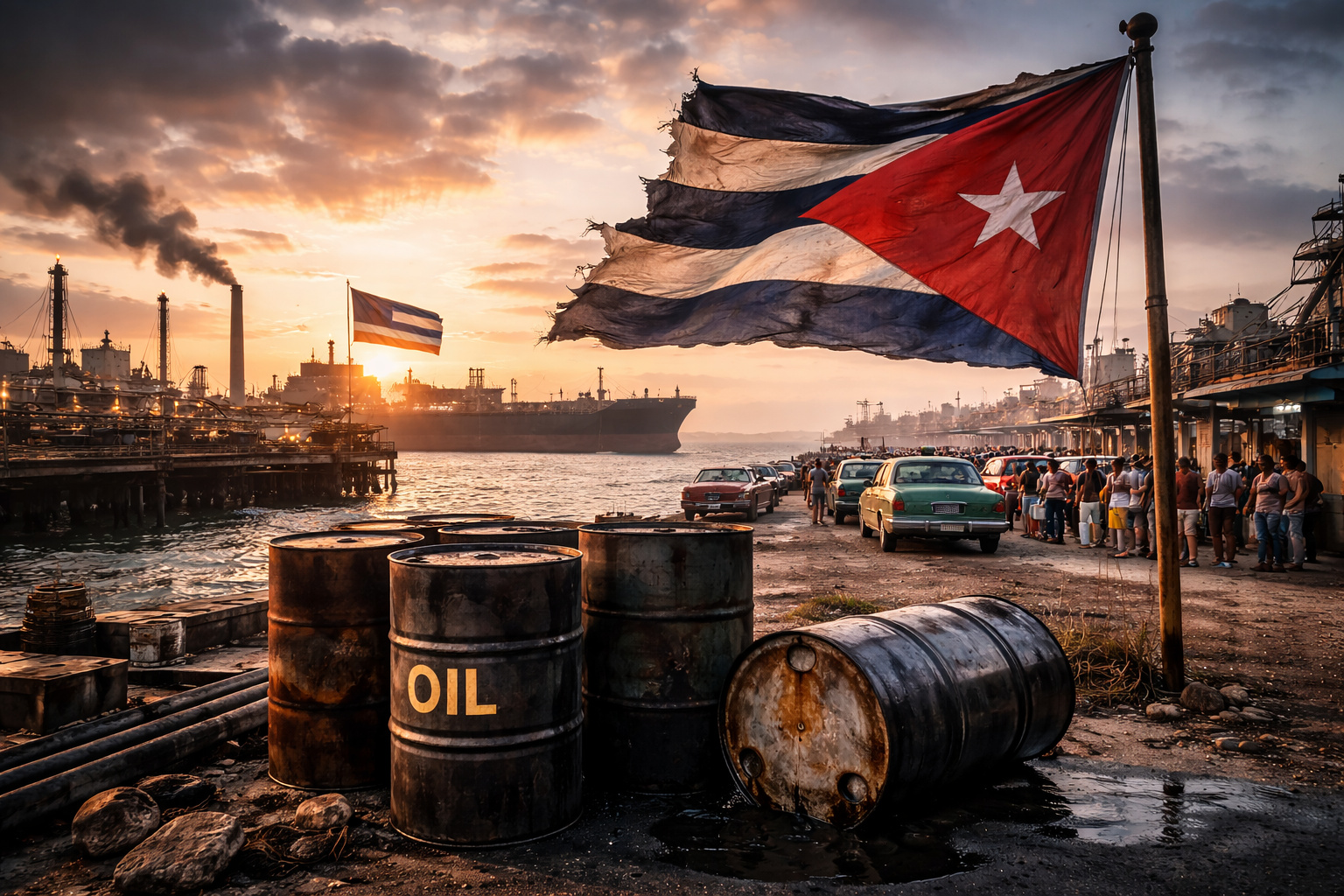
The capture of Nicolás Maduro by the United States had effects that go beyond Venezuelan politics. The episode reignited alerts regarding oil and revealed direct impacts on the energy crisis in Cuba, a country whose stability has historically depended on Venezuelan energy supplies.
Since then, international analysts have been observing the relationship between Venezuela and Cuba with more attention. After all, over decades, oil has functioned as an economic, diplomatic, and strategic link between the two countries. When this link weakens, the consequences become immediate, especially for the Cuban population.
At the same time, the episode reinforces a recurring reality. Oil continues to be a regional power instrument, capable of affecting entire economies even when the change occurs outside their borders.
-
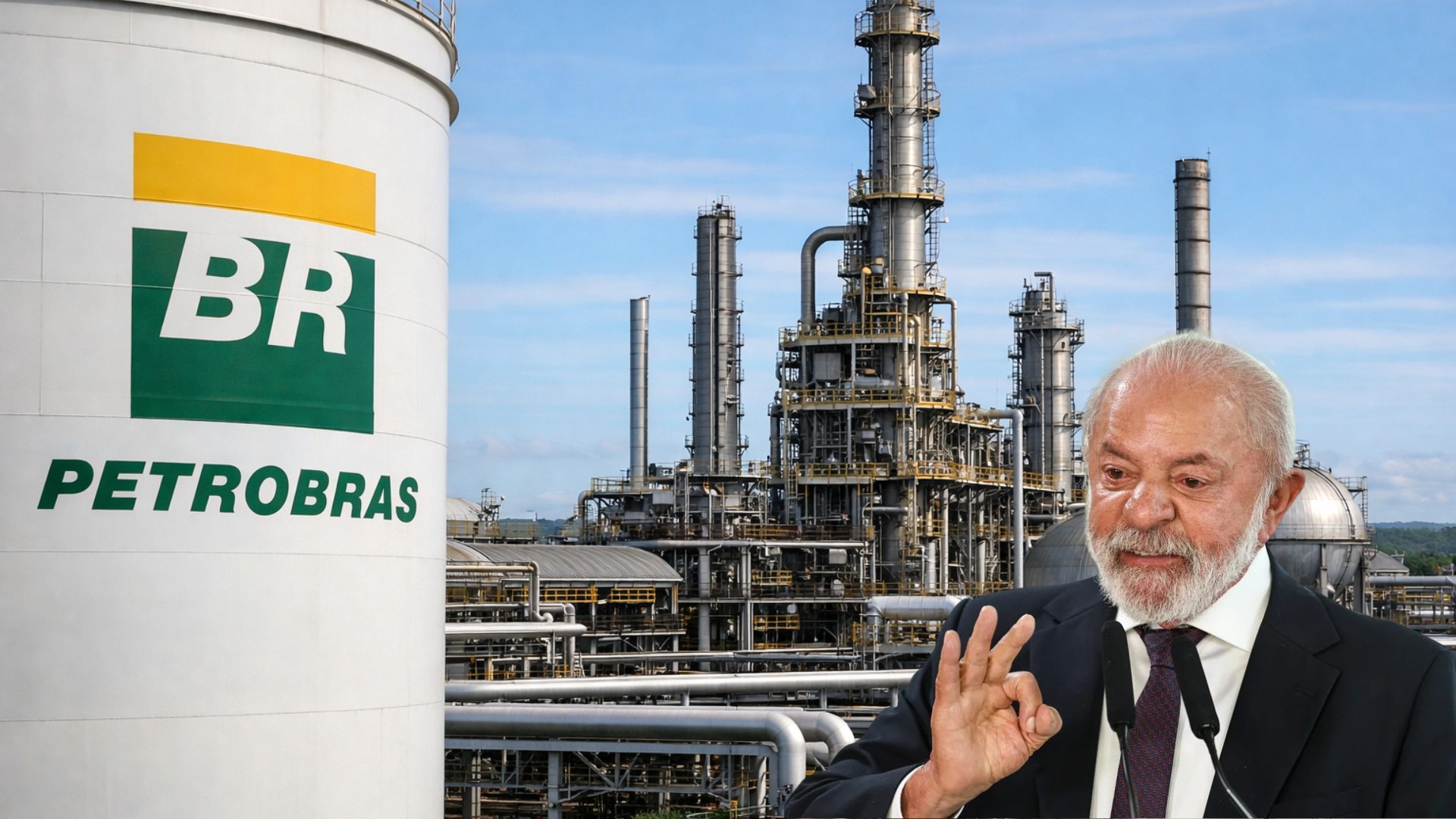
Lula reveals a masterstroke by Petrobras to undo a deal made by Bolsonaro, which involves the return of an important refinery that currently produces less than half of what was expected and makes Brazil dependent on international diesel.
-
A study confirms that the natural gas sector will reduce greenhouse gas emissions in Brazil by 0.5% and accelerate the energy transition by 2026.

-
Petrobras implements a severe adjustment and confirms a 55% increase in the price of aviation kerosene with a proposal for installment payments for the companies.

-
The rise in oil prices could ensure an extra revenue of R$ 100 billion for the Federal Government, indicates a recent economic study.


Oil as the Basis of the Alliance Between Venezuela and Cuba
The energy connection between Venezuela and Cuba solidified in the early 2000s. During that period, agreements established during Hugo Chávez’s presidency ensured the island’s supply of oil at subsidized prices.
According to historical documents released by regional organizations, Cuba began receiving Venezuelan oil in exchange for medical services and technical cooperation. This model allowed the Cuban government to maintain electricity generation, public transportation, and essential sectors of the economy.
Over time, this dependence became structural. Venezuelan oil began to sustain the Cuban energy system. Thus, any interruption in the flow generates immediate instability.
The Capture of Maduro and the Indirect Impact on Cuba
The capture of Nicolás Maduro by the United States created a new political scenario. Although Cuba is not directly involved in the episode, the repercussions emerged quickly.
With institutional instability in Venezuela, uncertainty regarding the continuity of oil supply increased. Moreover, the possibility of changes in Venezuelan foreign policy became a concern for Havana.
According to analyses released by energy study centers, any reduction in oil shipments directly affects Cuba’s ability to generate energy. The country is already facing structural difficulties, which amplifies the impact of the crisis.
The Cuban Energy Crisis in Historical Perspective
The energy crisis in Cuba is not a recent phenomenon. Since the collapse of the Soviet Union in the 1990s, the country has faced challenges in energy supply. During that period, known as the “Special Period,” oil scarcity caused prolonged blackouts and a downturn in economic activity.
Subsequently, the partnership with Venezuela alleviated the problem. However, with the decline of Venezuelan production over the last decade, the supply became irregular.
According to historical data released by international energy institutions, Venezuelan oil production fell drastically after 2014. As a consequence, Cuba began to suffer frequent supply cuts.
Now, with Maduro’s capture, the risk of new interruptions has returned to the center of debate.
Oil, Sanctions, and Energy Isolation
Another factor exacerbating the situation is the international context. Economic sanctions imposed on Venezuela have hindered exports and investments in the oil sector. This further reduced the capacity to supply oil to allies.
Cuba, in turn, also faces economic restrictions. Limited access to international markets and the difficulty of importing fuel amplify dependence on strategic partners.
According to reports released by multilateral organizations, the combination of sanctions, production decline, and political instability creates a high energy risk scenario. In this context, Maduro’s capture emerges as a catalyst for an already existing crisis.
Effects on the Daily Lives of the Cuban Population
The energy crisis is not limited to macroeconomic indicators. It directly affects the daily lives of the Cuban population. Prolonged blackouts, transportation difficulties, and impacts on food production have become more frequent.
According to official statements from the Cuban government released at various times over the past years, oil scarcity forces the adoption of rationing measures.
With the instability in Venezuela, oil becomes even scarcer, exacerbating social and economic problems. This indirect effect highlights how regional political decisions can cross borders.
The Geopolitics of Oil in the Caribbean
The case of Cuba and Venezuela illustrates the geopolitics of oil in the Caribbean. Countries with little domestic production heavily rely on energy alliances. When these alliances weaken, energy security is at risk.
According to studies published by international relations institutes, oil functions as a diplomatic tool. It brings governments closer, sustains alliances, and at the same time creates dependencies.
The capture of Maduro alters this balance. By weakening Venezuela’s ability to act as a supplier, the episode reverberates throughout the region.
Expectations and Uncertainties in the Medium Term
In the short term, uncertainty dominates the scene. Cuba seeks alternatives but faces financial and logistical limitations. Importing oil from other markets entails high costs.
Additionally, the global energy transition does not yet offer immediate solutions for countries with limited infrastructure. According to the International Energy Agency, in recent reports, oil remains essential for developing economies.
Thus, Cuba’s energy dependence remains a structural challenge, exacerbated by external factors.
Oil as a Factor of Regional Instability
The situation reinforces a historical conclusion. Oil is not just a commodity. It acts as a factor of regional stability or instability.
When supply is interrupted, the effects spread quickly. In the Cuban case, the energy crisis highlights this fragility.
Moreover, the episode shows how decisions made by major powers, such as the United States, can create indirect impacts on countries allied with Venezuela.
Official Sources and Chronological Context
According to statements released by American authorities after Maduro’s capture, the episode occurred in early January. According to historical data from the OPEC, Venezuela has maintained one of the largest oil reserves in the world since the 20th century.
According to reports from the International Energy Agency, published over the past decade, the decline in Venezuelan production has affected countries dependent on its oil, including Cuba.
Furthermore, according to communications from the Cuban government at different times, fuel scarcity directly impacts energy generation and the daily lives of the population.
Thus, Maduro’s capture underscores how oil continues to shape crises, alliances, and vulnerabilities. In Cuba’s case, the episode deepens an energy crisis that has been building for decades, showing that oil remains at the center of regional decisions and risks.






-

Uma pessoa reagiu a isso.