





 Portuguese
  English
  Spanish
  5 min of reading
  0 comments



BYD’s Aggressive Strategy Causes Unprecedented Tensions in the Global Automotive Market, Challenging Traditional Manufacturers and Changing the Dynamics of Electric Vehicles in a Dispute That Involves Prices, Profits, and Technology.
Electric vehicle manufacturers are facing an increasing challenge due to the aggressive pricing strategy adopted by Chinese company BYD, which has triggered a series of reactions in the global automotive market.
According to the newspaper O Globo, the Chinese Association of Automobile Manufacturers (CAAM) expressed concern over possible “unfair competition” following significant price cuts on electric cars by BYD.
Last May, BYD surprised the sector by announcing price reductions of up to 34% on some models.
-
A Brazilian millionaire couple restores a farm over 150 years old in the interior of São Paulo and transforms the historic property with Portuguese tiles, antique furniture, and new spaces into a refuge that blends tradition, comfort, and sophistication.

-
Submerged city in a lake in Minas reveals intact streets, preserved vehicles, and houses after more than 60 years, impressing divers.

-
Yellowstone has started to rise again in an area of the caldera, and the movement rekindles fears surrounding the U.S. supervolcano, as scientists monitor the deformation and try to understand what is happening underground.

-
Woman arrested after receiving $1.2 million due to banking error and not returning the amount.


This move caused an immediate domino effect: other companies quickly joined this model, triggering a sort of “price war” that is elevating the level of tension among manufacturers.
According to CAAM, this hasty and disorderly behavior could seriously compromise the financial health of manufacturers, reducing profit margins and affecting the quality of vehicles offered to the end consumer.

The organization warned that the predatory price competition could bring negative consequences for the sector as a whole, in addition to putting important consumer rights at risk, such as after-sales guarantees and product safety.
Moreover, the concern is also related to the sustainability of the market, as intense competition based solely on aggressive discounts may lead to monopolistic practices and harm fair competition.
Impact on Financial Market and Competition
The sharp cut in BYD’s prices has not only impacted the local segment in China but has also reverberated in international markets, causing shares of electric vehicle manufacturers to plummet on stock exchanges.
Another example of the pressure generated by this trade war was Li Auto, BYD’s rival, which revealed this week that its revenues in the second quarter will fall below initial estimates, largely due to declining consumer demand.
CAAM emphasized that all manufacturers need to adhere to the principles of “fair competition,” avoiding practices that could harm market balance and investor confidence.
Among the recommendations is the prohibition of selling vehicles at prices below production costs, something that constitutes dumping and is illegal in many countries.
This scenario draws attention to a broader question: how will traditional and emerging manufacturers adapt to compete in an increasingly technology-driven market with aggressive pricing?
The Growth of BYD and Its Business Model
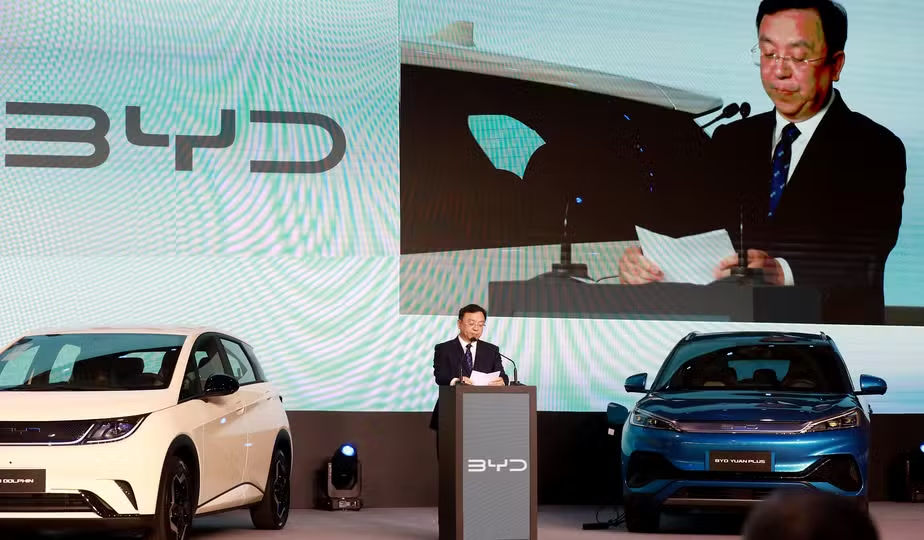
BYD, which started its operations as a battery and accumulator manufacturer, has rapidly evolved to become one of the largest global electric vehicle manufacturers, with a clear strategy to dominate the market through competitive pricing and investment in technology.
Its ability to reduce production costs, combined with government incentives and control over the supply chain, especially of batteries, has been noted by analysts as the company’s main competitive advantage.
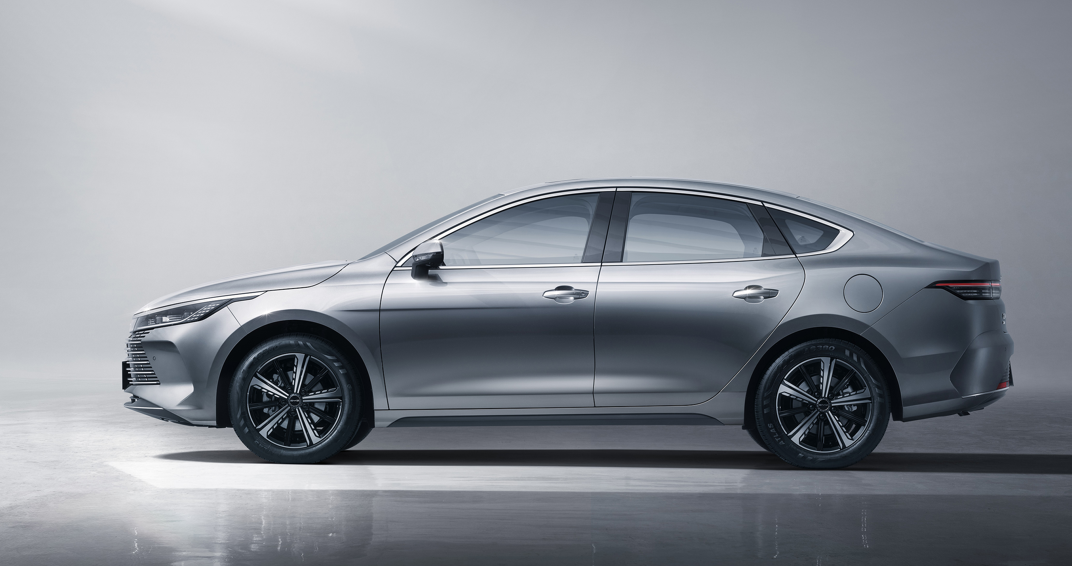
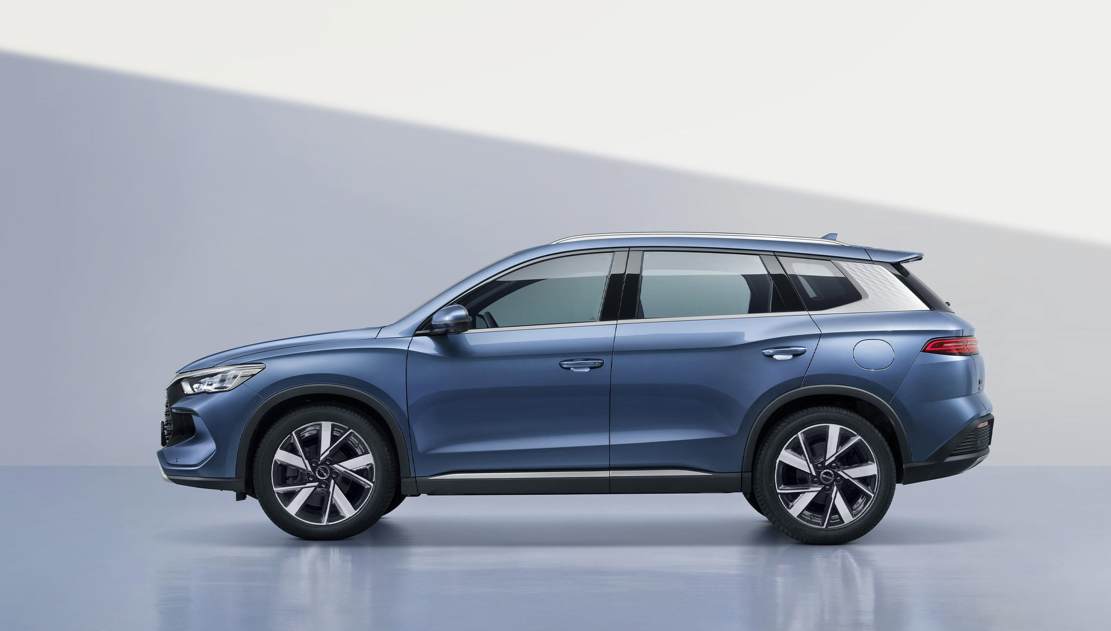
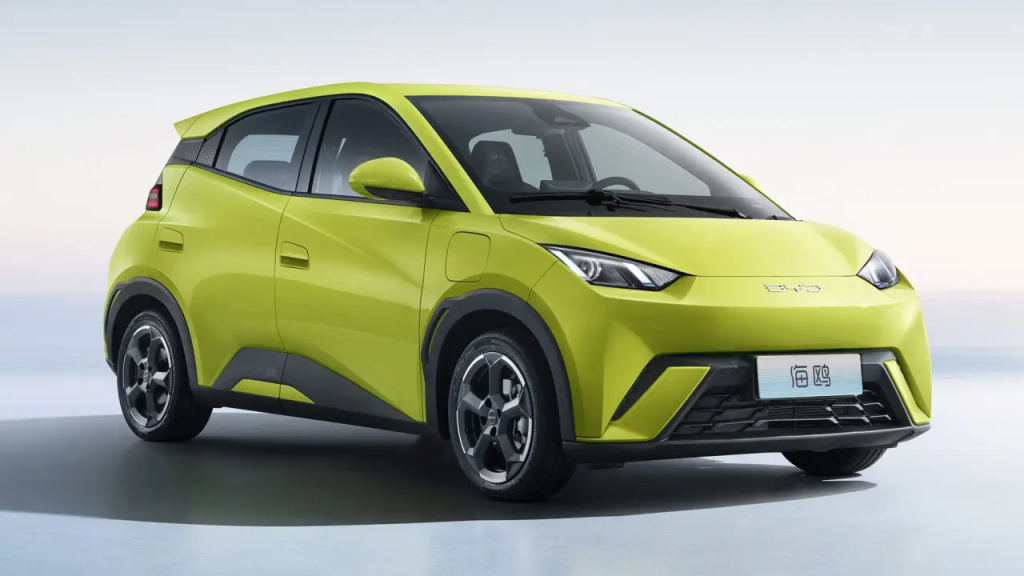
Additionally, BYD invests in a diversified portfolio, ranging from popular vehicles to premium models, which strengthens its presence and influence in different segments of the automotive market.
Challenges for the Electric Vehicle Sector
Experts point out that the current moment represents a decisive test for the electric vehicle sector.
While the price war may benefit consumers in the short term with attractive offers and discounts, the risk is that reduced profit margins could compromise investments in innovation and product quality.
As a result, the future of the industry may be adversely affected, delaying technological advancement and the expansion of sustainable mobility.
Furthermore, pressure to lower prices may result in cuts to after-sales services and maintenance, which are critical points for consumer experience and trust in the product.
Global Reflections and Strategies for the Future
The dynamics of the Chinese market, which is the largest in the world for electric vehicles, have important global implications, as trends that start there tend to spread to other regions.
American, European, and Asian companies are closely watching the movements of BYD, seeking strategies to remain competitive without compromising their financial health.
Analysts suggest that a possible way out of this impasse would be to adopt business models more focused on technological innovation and differentiation, instead of purely price-based battles.
This strategy could involve investments in more efficient batteries, extended range, advanced connectivity, and autonomous driving technologies.
Market Sustainability and Government Policies
According to industry experts, the sustainability of the market depends on the balance between price, quality, and innovation.
Additionally, there is increasing pressure for companies to meet stricter environmental targets, which further raises production costs and makes the price war a double-edged sword.
Amidst this scenario, government policies also gain prominence.
Tax incentives, subsidies, and environmental regulations are factors that directly influence competition among manufacturers and consumer access to electric vehicles.
China, for instance, has maintained aggressive policies to stimulate the adoption of electric cars, which drives demand but also creates a very intense competitive environment.
Industry Needs to Find a Balance
For experts, CAAM’s warning indicates that the industry needs to find a balance to ensure the survival of companies, consumer protection, and sustainable development of the sector.
Unfair competition, as pointed out by the association, can be harmful to the entire automotive ecosystem.
In light of this reality, the question remains: how will manufacturers balance competitive prices, quality, and innovation to win consumers without sacrificing their profitability and sustainability?
Do you believe that BYD should continue to adopt this aggressive pricing strategy or that the market needs stricter regulation to curb predatory practices?




Seja o primeiro a reagir!