





 Portuguese
  English
  Spanish
  3 min of reading
  0 comments



New Modes Of Mobility Gain Strength In 2025 And Change The Way Brazilians Access A New Car.
The Brazilian automotive market is undergoing an accelerated transformation. Today, having a new car no longer requires traditional purchase. In 2025, according to the Brazilian Association of Car Rental Companies (ABLA), the segment of subscription cars has grown over 120% compared to 2024. This advance reflects the search for practicality, economy, and freedom.
These modalities — leasing, rental, and subscription — consolidate as modern alternatives for those who want mobility without needing to buy a vehicle. Each, however, has distinct characteristics and caters to differing driver profiles.
Leasing: The Middle Ground Between Purchase And Rental
Automotive leasing, or financial leasing, is a long-term contract between the driver and a financial institution. According to the National Federation of Leasing Companies (Fenaseg), in a report from March 2025, contracts last between 24 and 48 months.
-
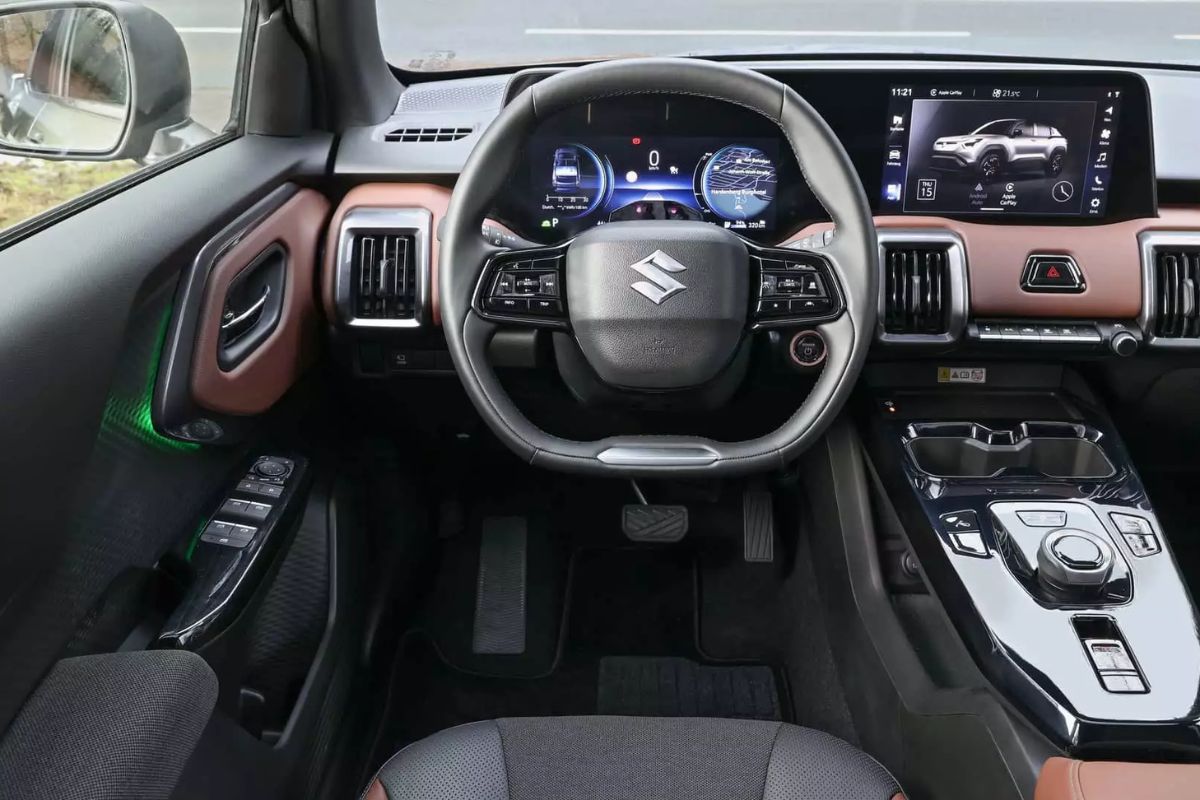
The 2026 electric Vitara arrives in Brazil and proves that Suzuki is not leaving: 4×4 traction, 184 hp, 61 kWh LFP battery, 293 km range, R$ 259,000, and a trunk capacity of 224 L.
-
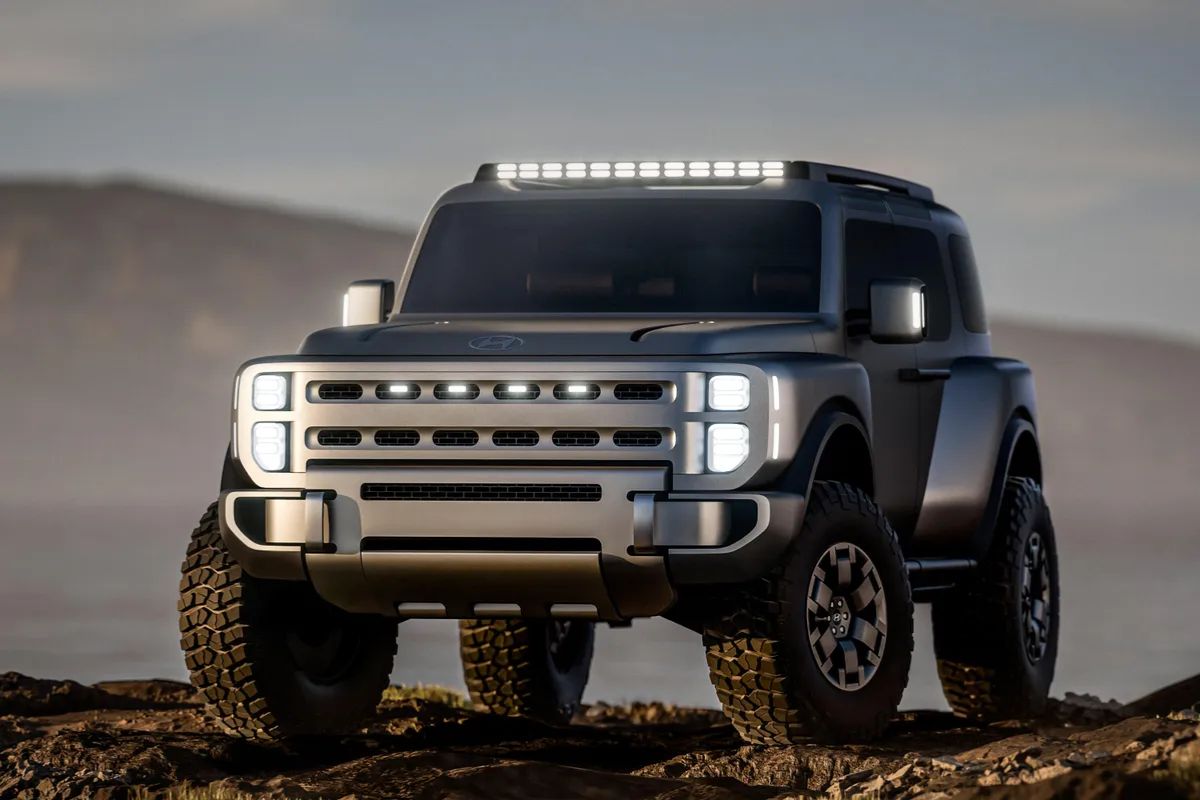
Hyundai has unveiled the Boulder, a square SUV with a body-on-frame design, 37-inch mud tires, and carriage-style doors that seems to be made to take on the Ford Bronco and the Scout Traveller in the United States.
-
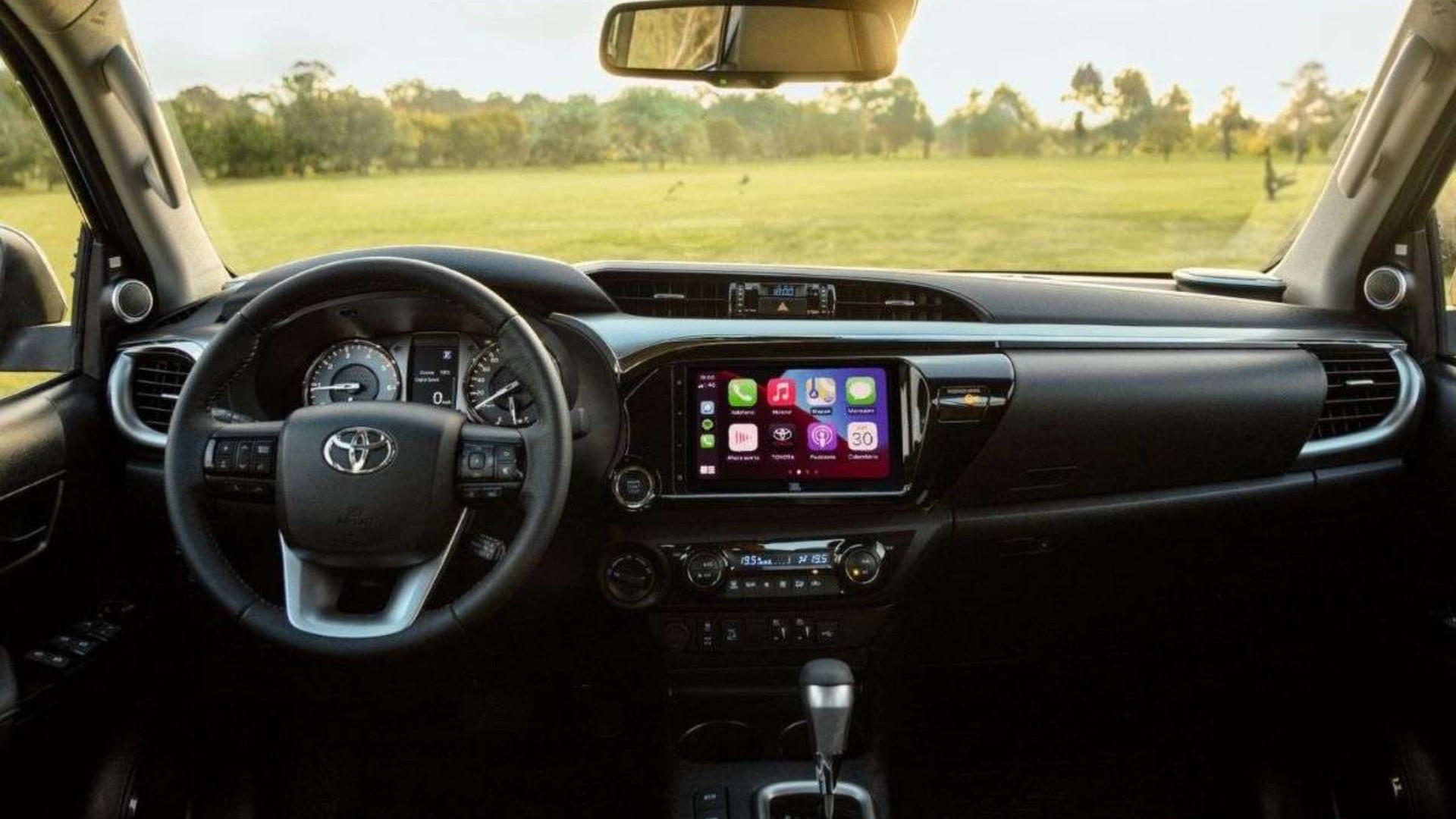
The Toyota Hilux is R$ 75.5 thousand cheaper and bets on the 2.8 turbodiesel engine with up to 204 hp and 50.9 kgfm to catch up with the VW Saveiro, which leads with 4,472 sales.
-
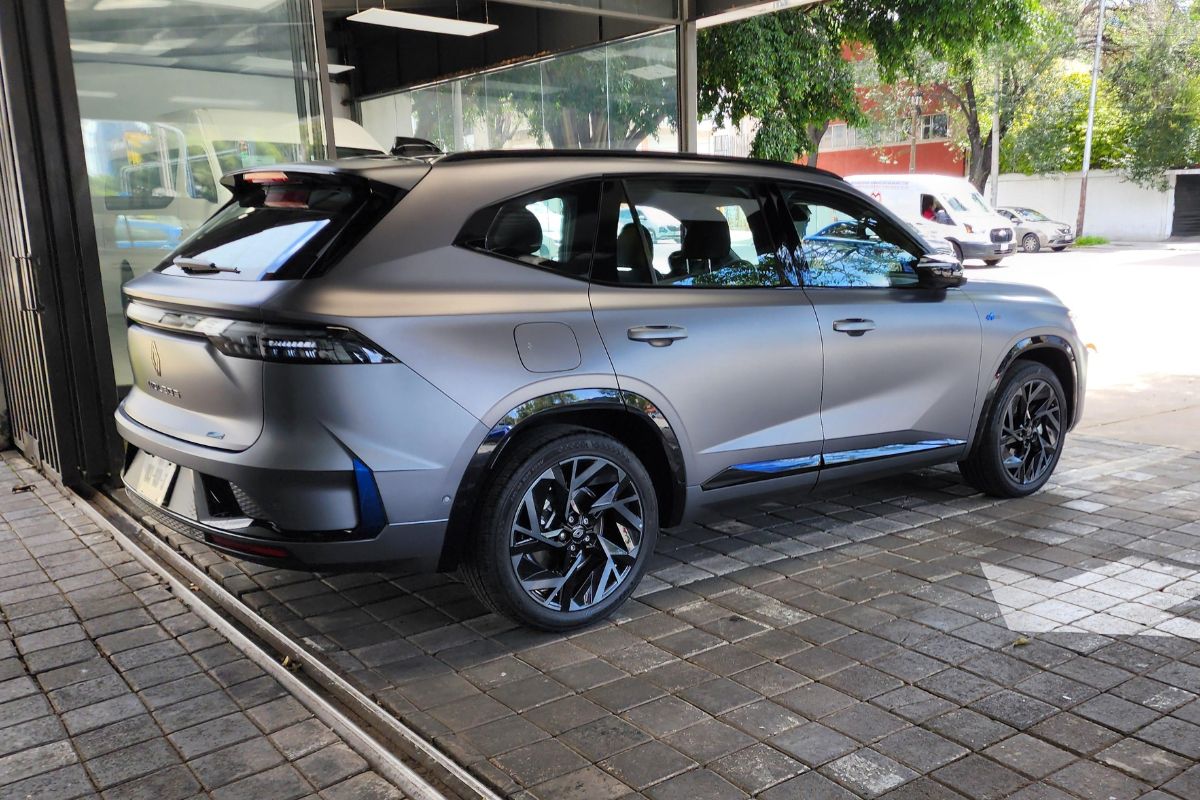
The new Renault Koleos has a screen exclusively for the passenger that is invisible to the driver, heated rear seats, and 29 assistance systems, but its Chinese competitors cost R$ 40,000 less and deliver more power.

In this model, the client pays monthly installments smaller than those of a common financing. At the end of the contract, they can purchase the car, return it, or renew the agreement. The main advantage is the monthly savings and the tax benefits for companies.
However, the vehicle only becomes the driver’s property if they choose to buy it. Furthermore, maintenance and insurance costs vary depending on the signed contract. Still, this modality is ideal for those who plan to own the car in the future, but want to pay less during use.
Rental: Flexibility And Speed
Car rental remains the most traditional and direct alternative. According to data from June 2025 from Movida, Unidas, and Localiza, the number of monthly contracts increased by 27% in one year.
This option is ideal for those seeking immediate mobility, whether for days, weeks, or months. All fixed costs — IPVA, maintenance, insurance, and 24-hour assistance — are included in the amount paid.
The great advantage is the total freedom of use, as the client can return the car whenever they want. However, in the long run, the cost is higher, making it suited only for temporary or occasional needs.
Car Subscription: Convenience And Predictability
The car subscription is the most modern format and, according to the Autodata portal, was the modality that grew the most in Brazil in 2025. The service operates through monthly or annual plans, which include IPVA, insurance, maintenance, and technical assistance. The driver pays only for fuel or electric charging.
Contracts vary from 12 to 36 months. During this period, the car is never the subscriber’s, but the predictability of costs and the convenience of driving a new model attract more and more consumers.
According to a survey by GoDrive Mobility, published in September 2025, 41% of users point out comfort as the main advantage. Additionally, 34% highlight the absence of worry about resale as a decisive factor.
On the other hand, the monthly fees are higher than those of leasing. Even so, subscription is perfect for those who prefer convenience, zero bureaucracy, and constant vehicle renewal.
Change In Behavior And The Future Of Mobility
This transformation reveals a change in mindset in Brazil. Instead of buying, many drivers prefer to use the car as a service, a trend that is growing globally. According to a report by McKinsey & Company, published in May 2025, by 2030, over 30% of drivers in Latin America are expected to adopt subscription or shared mobility models.
Experts say that leasing remains ideal for those wishing to buy the car later, rental serves those seeking immediate flexibility, and subscription is the choice for those who value time, comfort, and predictability.
Thus, Brazil is following a global trend that redefines the concept of car ownership and drives the country into the era of smart mobility.
In light of this revolution, the question arises: do you prefer the freedom of driving without bureaucracy or do you still believe having the car in your name is essential?










-

Uma pessoa reagiu a isso.