





 Portuguese
  English
  Spanish
 5 min of reading
  0 comments


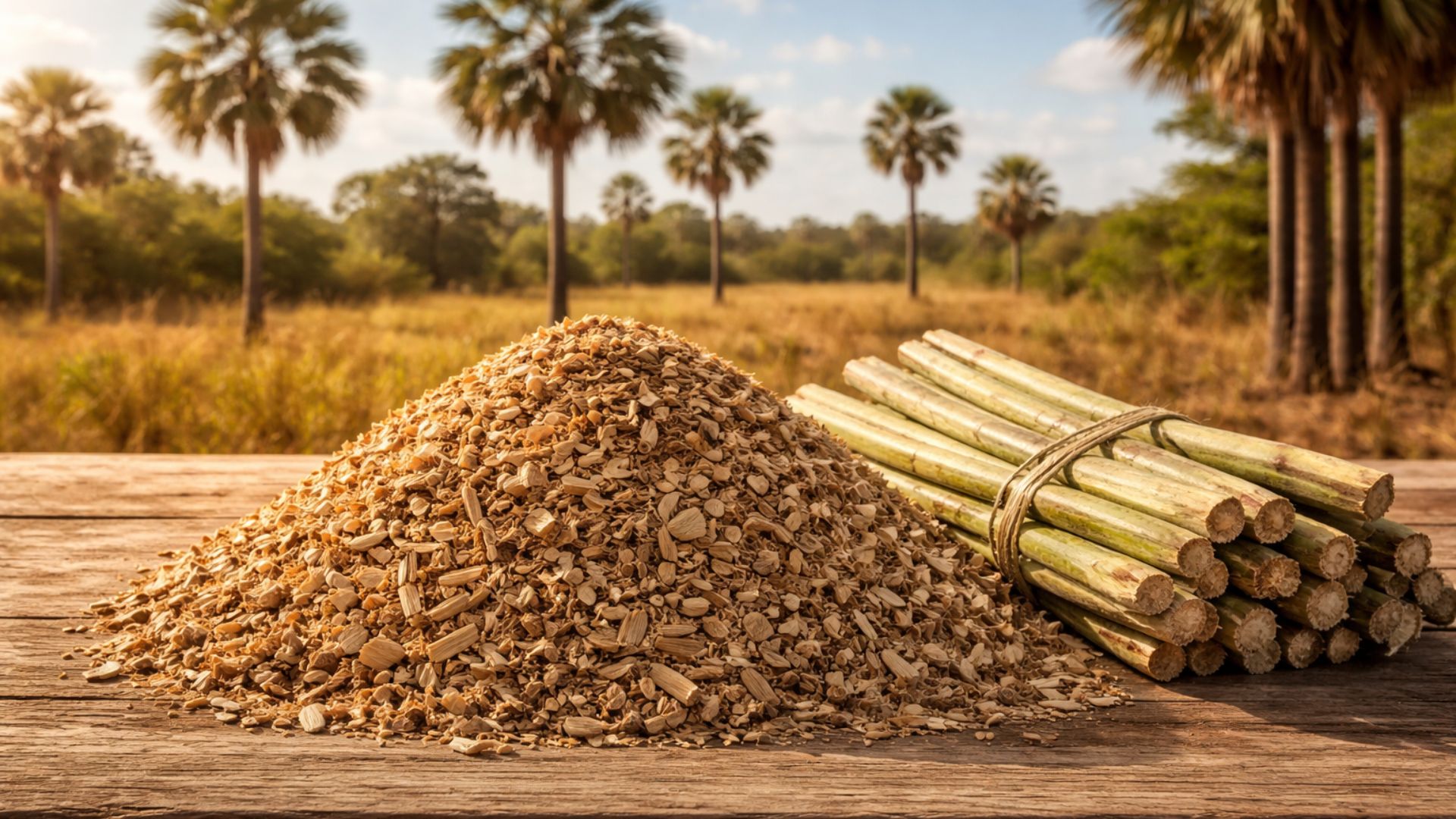
Carnauba Waste Takes on a New Role in the Semi-Arid Region by Becoming a Clean Energy Source, Generating Extra Income in Ceará and Strengthening Sustainable Initiatives with Social and Environmental Impact in the Northeast.
According to an article published by Cenário Energia on Tuesday (6), carnauba biomass has been gaining prominence in the discussion about energy transition in Brazil by combining renewable energy generation, productive inclusion, and strengthening of the regional economy. In the Northeast, especially in Ceará, an initiative led by Cimento Apodi demonstrates how traditional agricultural residues can be converted into a clean energy input, providing supplemental income for small producers and a solid basis for sustainable projects with positive socio-environmental impact. Developed in the municipalities of Quixeré and Jaguaruana, the model is consolidating as a reference by integrating industrial innovation, circular economy, and territorial development.
Carnauba Biomass in the Northeast Boosts Renewable Energy in Ceará
Since 2018, carnauba stalks, previously underutilized after the extraction of the fibers, have been increasingly used as energy biomass. What was once waste now generates clean energy and local income, reducing the use of fossil fuels and strengthening the regional production chain.
The valorization of agricultural waste as a source of renewable energy has advanced in Brazil but assumes strategic importance in the Northeast, a region marked by climatic challenges and strong agro-industrial potential. In this context, carnauba biomass emerges as an efficient alternative to diversify the energy matrix and promote sustainable projects aligned with decarbonization goals.
-
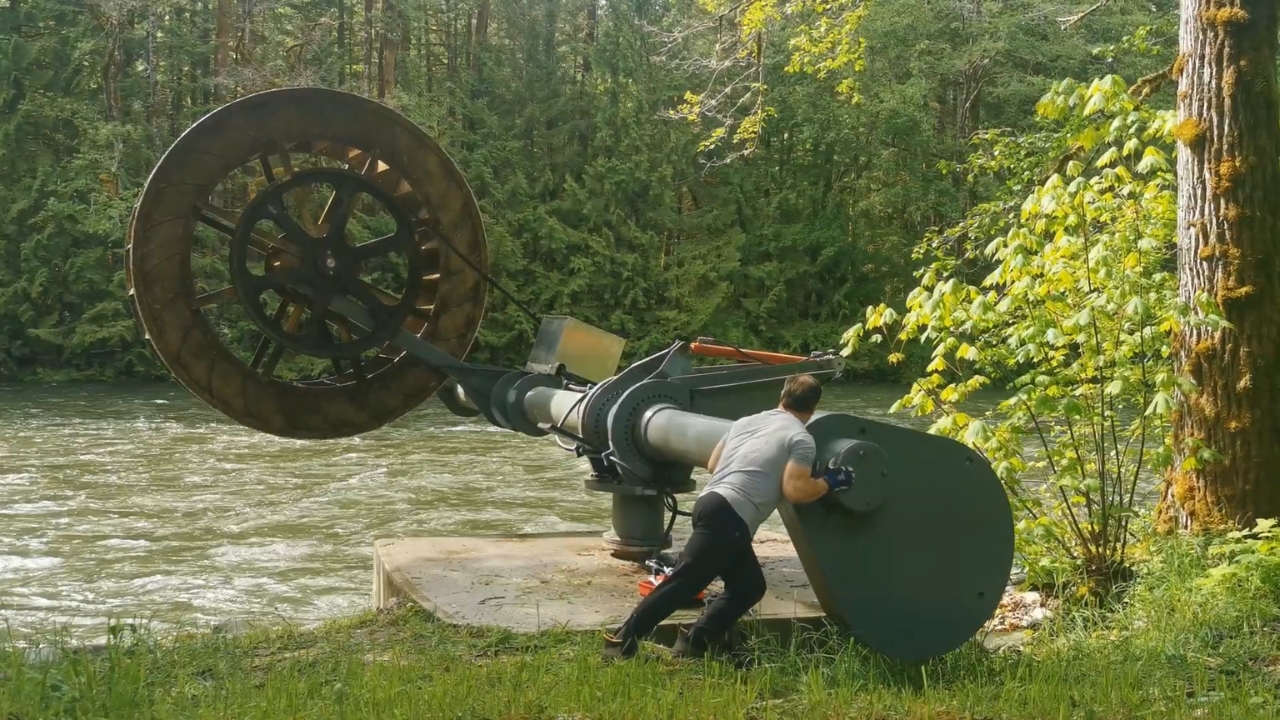
A Canadian retiree creates a hydroelectric system on a real river, generating energy continuously throughout the day and demonstrating how the power of water can supply a house with stability even in a simple structure.
-
Petrobras reaffirms its commitment to the market and ensures that it will carry out the energy transition safely to maintain national sovereignty.

-
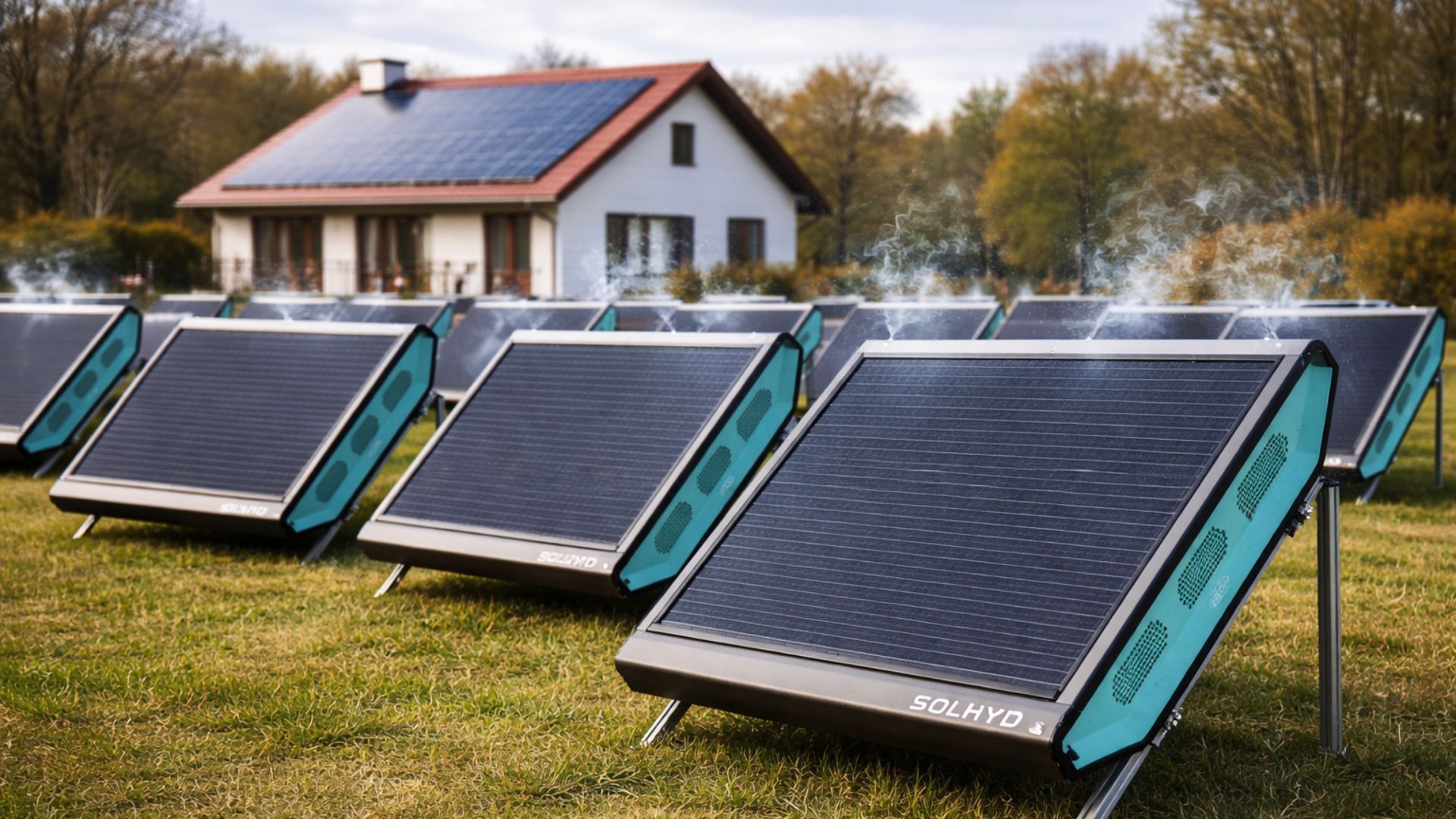
Researchers discover a possible hydrogen deposit of up to 46 million tons beneath an ancient coal basin, and the volume could exceed half of the entire global production.

-
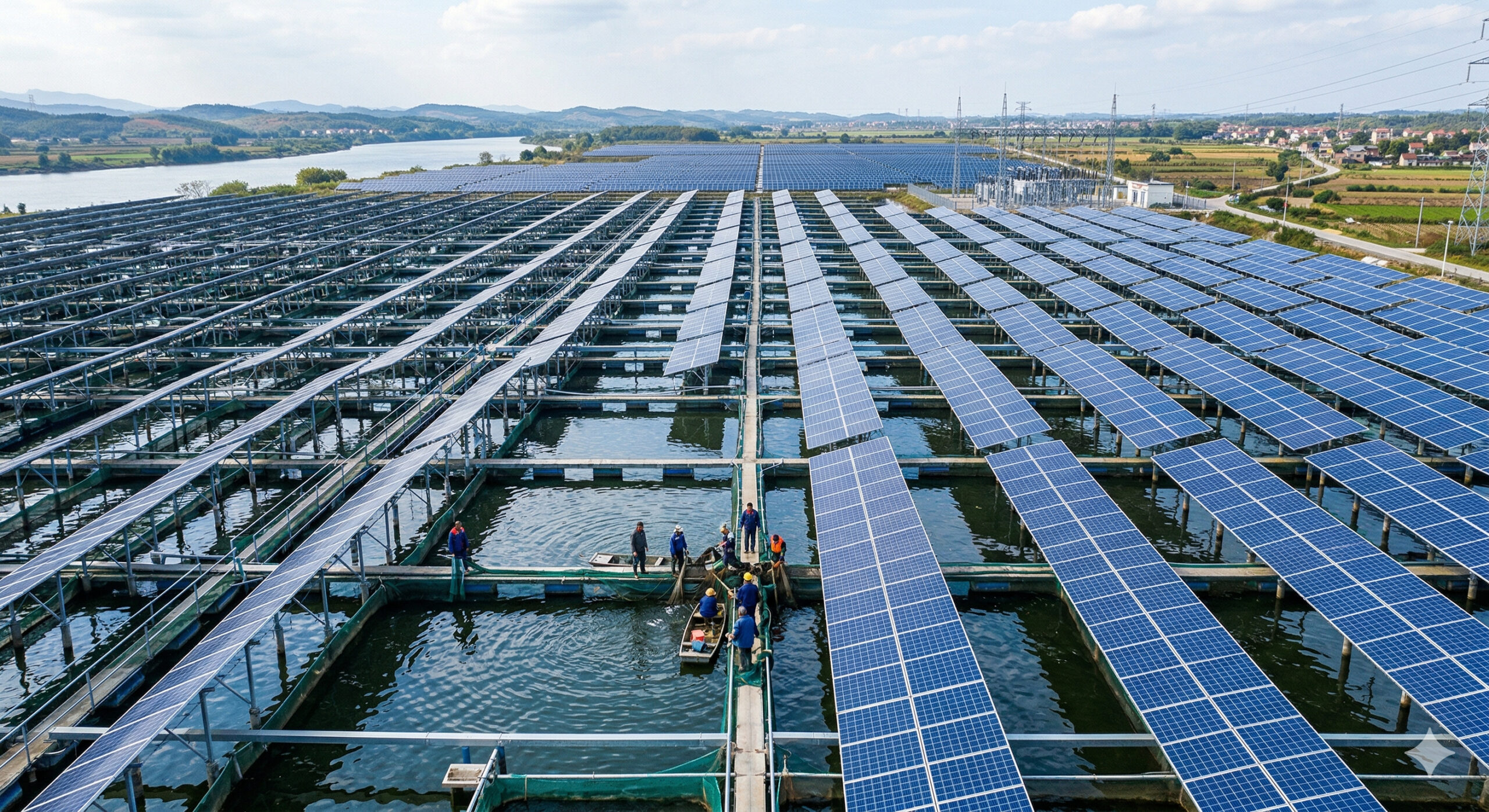
China bets on the Fishery-PV model and transforms fish farms into giant solar plants, covering ponds with panels that generate energy while utilizing the same space for large-scale aquaculture production.
In Ceará, carnauba is a cultural, social, and economic symbol. Known as the “tree of life,” it supports several families involved in wax extraction, a traditional activity in the semi-arid region. Cimento Apodi’s initiative stands out by integrating this historical culture with a modern energy solution, utilizing discarded stalks for thermal energy generation used in industrial processes. This is a local solution to a global challenge, as it reduces emissions and increases the share of clean sources in the regional energy matrix.
The Carnauba as an Economic and Energy Asset in Ceará
The carnauba harvest occurs mostly between August and November, a dry period in the Northeast. These conditions favor the collection, crushing, and storage of stalks, making the process more efficient. In Ceará, this timeframe coincides with a period of lower agricultural activity, which amplifies the social impact of the project.
By transforming waste into biomass, the model creates a supplementary income source for small rural producers. This additional income helps to reduce economic vulnerability during droughts, a period historically associated with a lack of opportunities in the countryside.
In addition to the social gain, the utilization of biomass reduces dependence on fossil fuels in the cement industry, increasing the share of renewable energy in the energy mix and reducing the carbon footprint of production.
Sustainable Projects and Circular Economy with Carnauba Biomass
The use of carnauba biomass is directly linked to the principles of the circular economy. Instead of discarding agricultural waste or allowing it to be burned openly, the project reintegrates the material into the production chain as an energy source. This reduces environmental impacts and maximizes the use of available natural resources in the Northeast.
Such initiatives gain relevance in a context of increasing demand for ESG practices. In Ceará, the project demonstrates how sustainable projects can create economic value, reduce emissions, and promote regional development simultaneously.
Cybelle Borges, the Sustainability and ESG Coordinator at Cimento Apodi, emphasizes that biomass production offers opportunities for supplementary income and strengthens the carnauba production chain. Her assessment reinforces that sustainability and economic viability go hand in hand when there is planning and integration among the involved parties.
Productive Inclusion and Technical Training in the Northeast
One of the pillars of the project is the investment in technical training. To ensure efficiency, safety, and quality in biomass production, Cimento Apodi structured technical assistance programs aimed at producers and rural workers.
The training covers best operational practices, productive organization, and workplace safety. Training is essential to create a lasting impact, as it raises the level of professionalization in the carnauba chain and reduces operational risks.
In the Northeast, where many small producers face difficulties accessing technical assistance, this initiative directly contributes to productive inclusion. In Ceará, it strengthens the relationship between industry and local suppliers, creating long-term partnerships and greater income predictability.
Carnauba Biomass and Renewable Energy in Brazil’s Energy Transition
On the national level, biomass occupies a strategic position in Brazil’s energy matrix. Unlike intermittent sources such as solar and wind, it is dispatchable, capable of generating energy continuously. This contributes to the security of the electrical system and complements other renewable energy sources.
The experience of carnauba biomass in Ceará illustrates how regional solutions can generate systemic impacts. By using local agricultural waste, the project reduces logistical costs, prevents the improper disposal of waste, and increases the supply of clean energy in the Northeast.
Additionally, the initiative aligns with decarbonization goals and the sustainability guidelines increasingly present in the planning of companies in the industrial and energy sectors.
Regional Economic Impacts and Strengthening of Ceará
The effects of the project go beyond generating renewable energy. By stimulating the carnauba production chain, the initiative can strengthen the local economy in municipalities like Quixeré and Jaguaruana. Financial resources remain in the region, boosting commerce, services, and indirect jobs.
For small producers, biomass represents income diversification and greater economic stability. Instead of relying solely on the sale of fibers for wax, they now have a new source of revenue, reducing risks and increasing financial resilience.
This regional impact reinforces the role of sustainable projects as instruments of territorial development in the Northeast, especially in areas historically marked by socio-economic inequalities.
Perspectives for Carnauba Biomass in the Northeast and Brazil
The strategy adopted by Cimento Apodi in Ceará reveals a long-term vision based on the integration of industrial innovation, sustainability, and social impact. Biomass is treated not only as an energy solution but as a tool for social transformation.
According to Cybelle Borges, the goal is to expand initiatives that strengthen the local economy, respect the environment, and contribute to a more sustainable future. This vision positions the Northeast as a protagonist in the Brazilian energy transition, valuing regional natural resources and traditional production chains.
The possibility of replicating the model in other carnauba-producing states, such as Piauí and Rio Grande do Norte, expands the potential impact of carnauba biomass, consolidating it as a strategic vector for renewable energy, productive inclusion, and sustainable development in Brazil.







Seja o primeiro a reagir!