





 Portuguese
  English
  Spanish
  4 min of reading
  0 comments


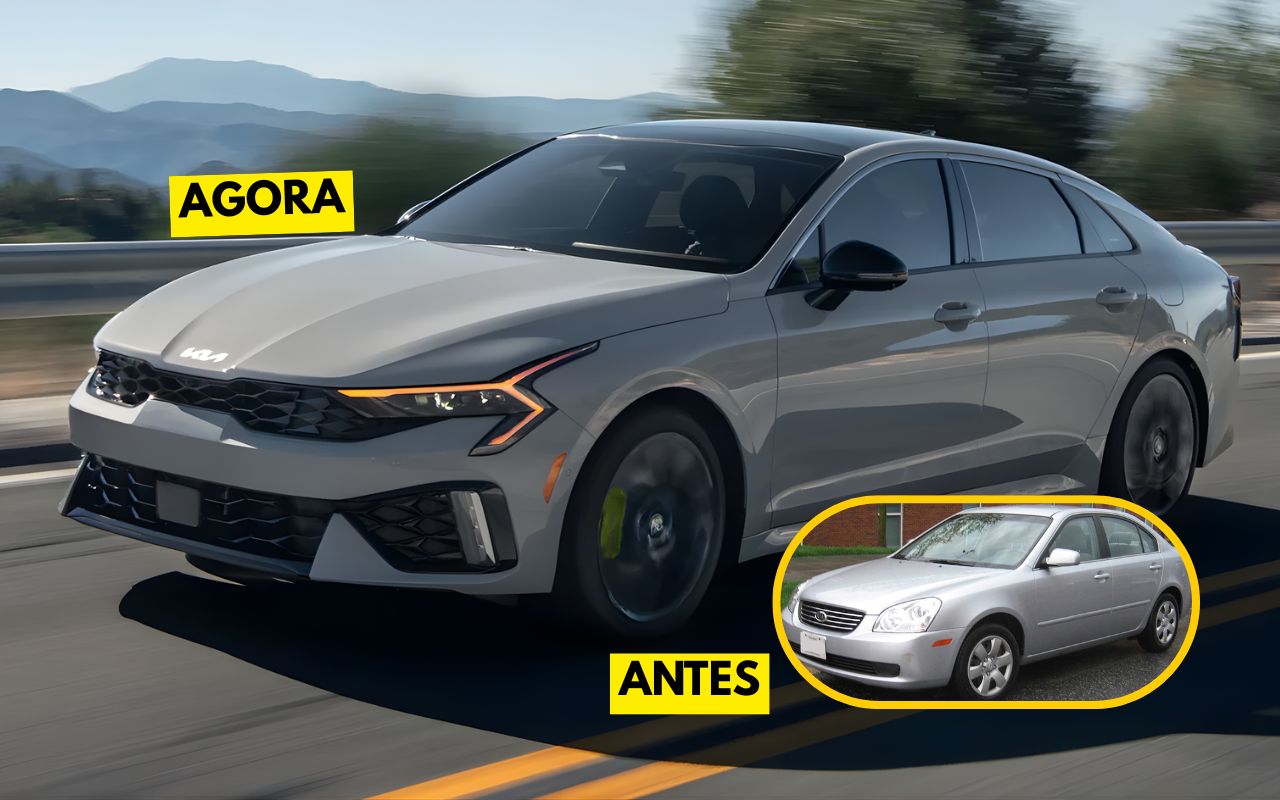
Some Cars, Once Seen As Ugly Or Awkward, Have Undergone Generational Transformations And Are Now Recognized For Their Style. See 5 Models That Bounced Back.
Some automobiles that were launched with criticized appearances now attract attention for their new design. Five models of cars that, after generations seen as “ugly ducklings,” gained visually appealing versions and earned respect — or even admiration.
Among the vehicles mentioned are models from various brands such as Hyundai Elantra, Toyota Prius, Ford Taurus, Chevrolet Malibu, and Kia Optima — each with its own story of aesthetic redemption.
The transformation wasn’t merely cosmetic. In many cases, the generational change brought new design, more balanced proportions, and modern visual identity — enough to turn around the reputation of the old “ugly.”
-
Less than a Tera TSI, up to 710 km of range and charging in 9 minutes: the new BYD Song Ultra expands the Chinese brand’s bet on increasingly faster, more technological, and competitively priced electric SUVs.

-
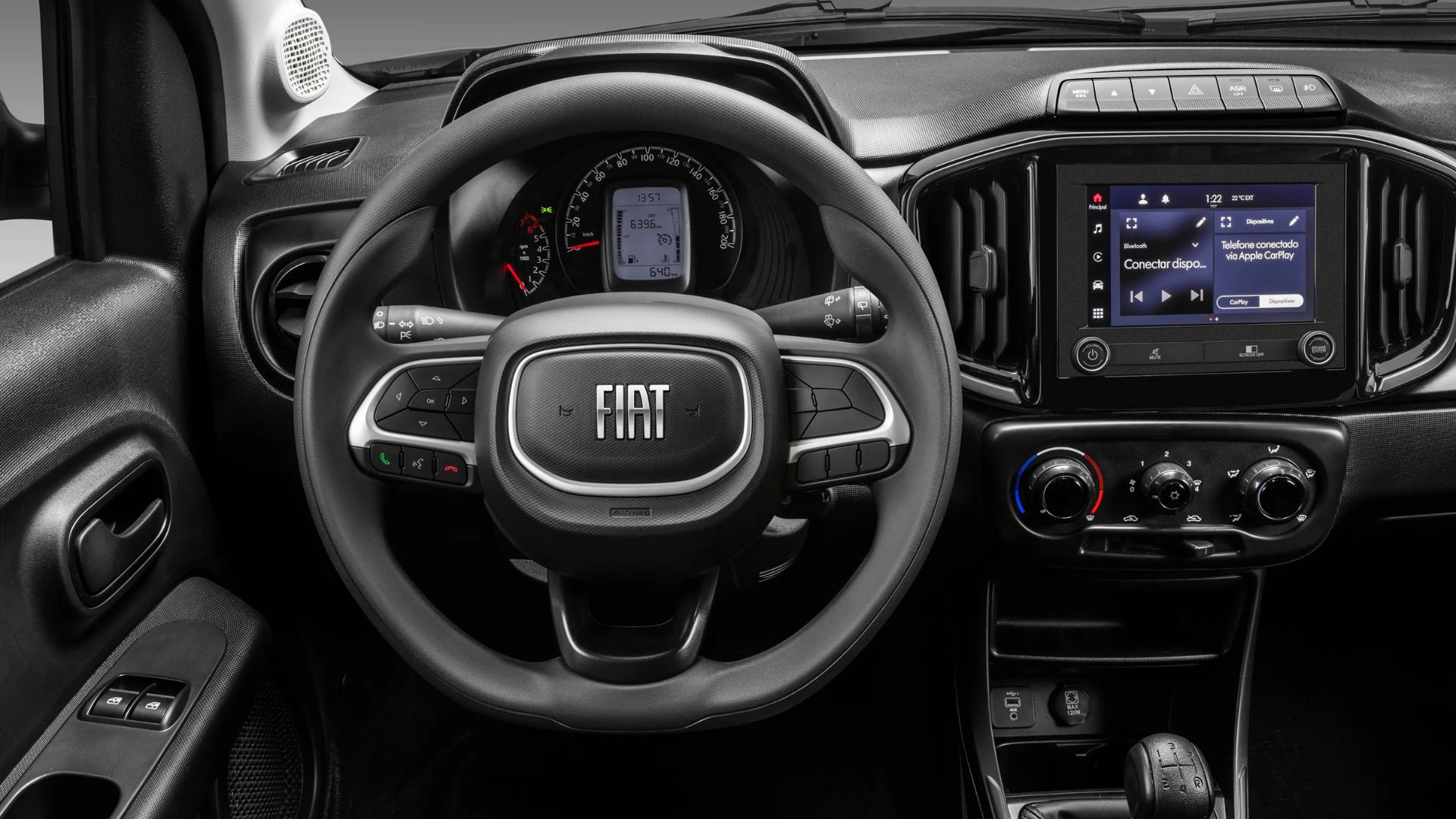
With a 1.0 engine producing 75 hp and costing less than R$ 70,000, Fiat’s car returns to the podium as the cheapest in the country; a temporary promotion for the 2026 Like version reduces the price of the Fiat Mobi.
-
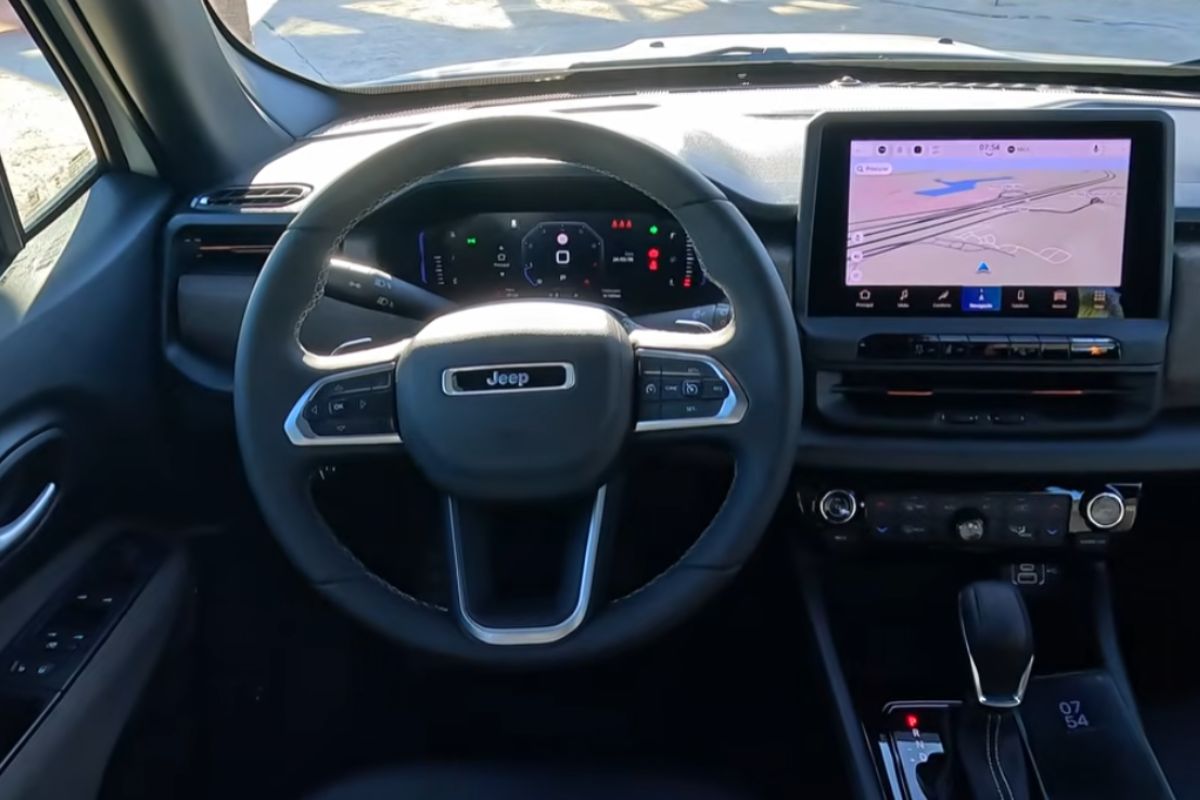
With a mild hybrid system of 48 V, 176 hp and a price of R$ 175,990 in the Sahara version, the new Jeep Renegade changes mostly on the inside, improves slightly in fuel consumption, and remains almost the same car.
-
With a 293.5 cm³ engine and a range of up to 400 km with a 14.1-liter tank, the Honda CB 300F Twister 2026 has up to 24.7 hp, an initial price of R$ 25,150, and already exceeds R$ 29,000 in the Fipe Table.


Therefore, these cars have become examples of how “automotive aesthetics” is also a matter of time and evolution.
Cars That Were Ugly And Are Now Beautiful
Hyundai Elantra – From Discreet To Elegant Sedan
In the past, the Elantra was seen as a modest sedan, with lines lacking charm and an appearance far from that of a refined mid-size.
This was especially true for the generations of the 1990s and early 2000s.

However, with the redesign launched from 2010 (and improved in subsequent generations), the Elantra gained more fluid lines, balanced proportions, and a contemporary look.
Today, it is recognized as an aesthetically attractive sedan, forever shedding the label of “ugly car.”

Toyota Prius – From Criticized Appearance To Design Prestige
The Prius, a pioneer in the hybrid concept, carried from the beginning a functional look — designed more for efficiency than aesthetics.
Its early generations were often criticized for being ” bland” or “strange.”

However, the latest generation radically changed its image.
With modern finishes, more harmonious shapes, and a contemporary visual identity, the Prius today stands out — and for many, has become a symbol of good design within the brand itself.

Ford Taurus – Turbulent Trajectory To Style Rescue
Launched with some prestige, the Ford Taurus had its tough phase during generations marked by uninspired design and lackluster aesthetics.

This phase caused the model to lose much of its charm.
But in recent versions, with more sophisticated lines and attention to visual balance, the Taurus has managed to return to the automotive debate with more dignity.

Despite its ups and downs, the model shows that not every bad aesthetic phase defines a car forever.
Chevrolet Malibu – Evolution That Rescued Prestige
The Malibu is one of the sedans with the most history from the manufacturer. Still, in past decades, it carried a discreet design and, in many cases, dull — especially in the versions from the 1990s.

With the redesigns of the 2000s and the definitive overhaul in mid-2015, the Malibu adopted bolder lines and a more elegant appearance.
Today, it aptly represents the idea that a sedan can indeed evolve in style without losing its identity.

Kia Optima (Currently Kia K5) – Aesthetic Renewal Of The Korean Brand
In its first generation, the Kia Optima had a design considered ordinary by critics — lacking aggression, elegance, and far from what many expected of a mid-size sedan.
However, after undergoing a deep redesign process, and with the launch of the new generation under the name K5, the model has become one of the most praised sedans from Kia.
The modern and attractive look symbolizes the brand’s change in posture in the global market.
Why Can Some Car Brands Transform “Ugly Ducks” Into “Swans”?
The main factor behind this metamorphosis is boldness in design. When brands want to go beyond the traditional and trust in bold or refined lines, they take risks — but also the chance to revolutionize a model’s image.
Moreover, the automotive market has evolved.
Today, consumers value not only performance and price, but also aesthetics, ergonomics, and a sense of modernity.
Thus, a car that appeared outdated can gain new life with contemporary lines.
Another point is brand strategy. Models like Elantra, Malibu, K5, or even the Prius show that brands with a long-term vision repurpose established names and invest in profound transformations to win back or attract new audiences.
The story of these five cars proves that automotive aesthetics are not immutable. A model criticized in one decade can be admired in another.
And this applies to both traditional and emerging brands.
Therefore, when evaluating a car, it’s worth considering its generation. What was seen as dated yesterday can surprise today. And what seems ordinary today may be nostalgic tomorrow.
With information from the Auto+ website.







Seja o primeiro a reagir!