





 Portuguese
  English
  Spanish
  5 min of reading
  0 comments


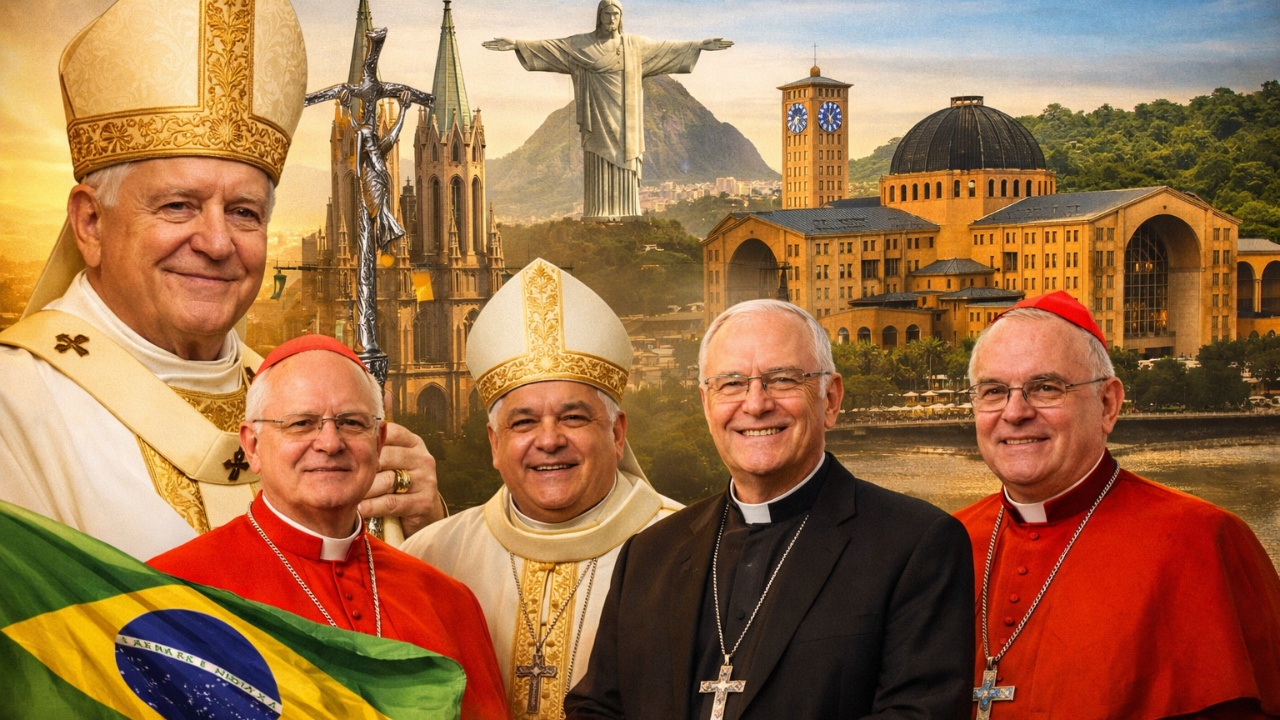
Pope Leo Articulates Episcopal Succession in Strategic Brazilian Archdioceses and May Redefine the Course of the Catholic Church in the Country.
The Catholic Church in Brazil will undergo a historic transition in its high hierarchy over the coming months.
Pope Leo is expected to appoint new Catholic leaders for four of the most influential Brazilian archdioceses — São Paulo, Rio de Janeiro, Aparecida, and Manaus — in an episcopal succession process motivated by the retirement of their current holders.
The changes will occur in the largest Catholic country in the world and have the potential to redefine the pastoral, social, and institutional strategies of the Church.
-
USA and China compete for Brazil over resources that could be worth trillions — rare earths put the country at the center of a global dispute

-
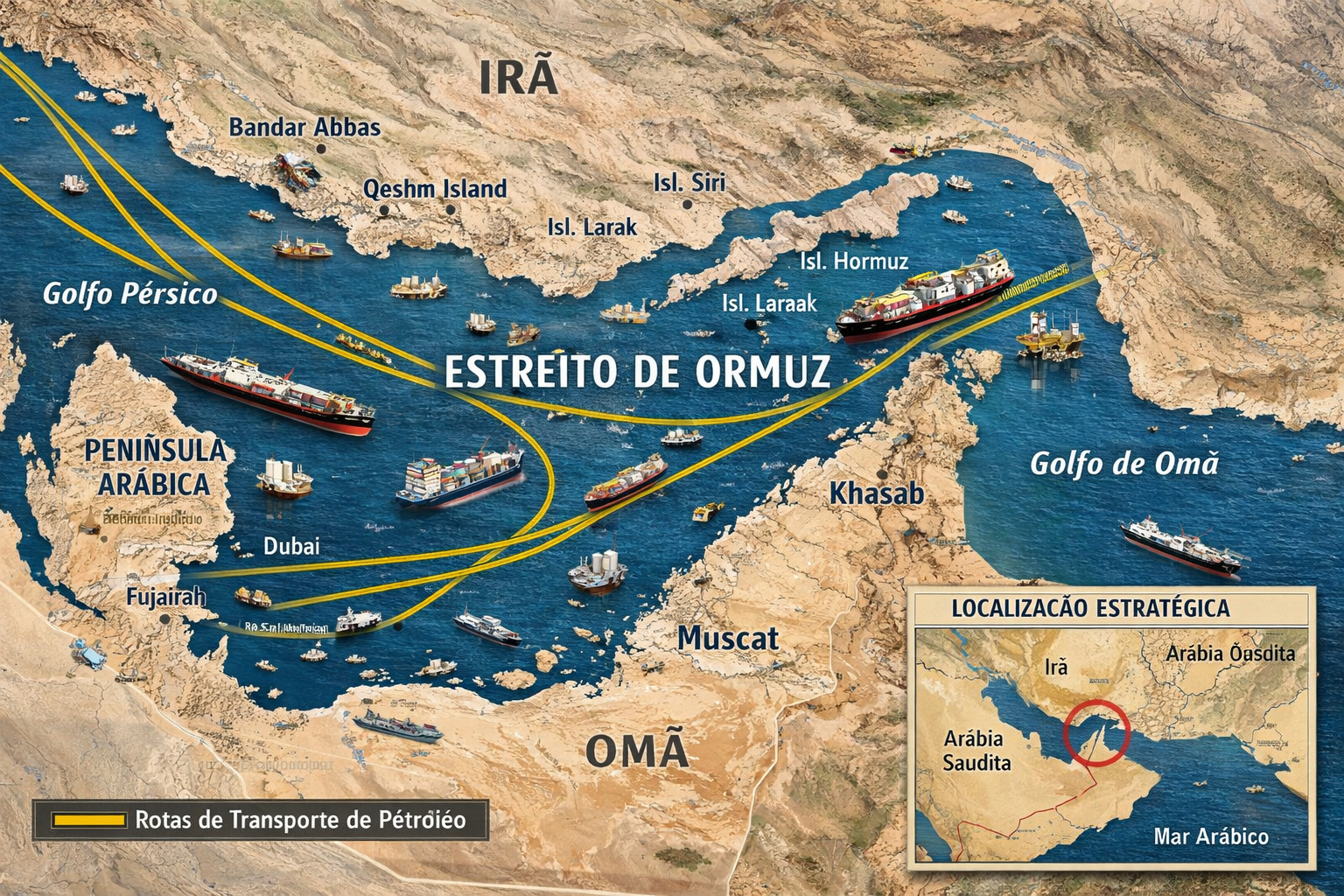
Global summit with over 40 countries pressures Iran for a blockade in the Strait of Hormuz and warns of direct impact on oil, food, and the global economy.
-
Russia has broken the U.S. maritime blockade to send oil to Cuba and is now loading a second ship while Trump says that “Cuba is next” in a possible military action against the island.

-
Spain challenges the USA and closes its airspace for operations against Iran, raising global tension and provoking the threat of a trade rupture.


The selection of successors, conducted by the Vatican with the support of the CNBB and the apostolic nunciature, may imprint the mark of the new papacy in key regions of national Catholicism.
Brazilian Archdioceses Concentrate Religious and Symbolic Power
The four Brazilian archdioceses involved in the episcopal succession possess unique relevance.
São Paulo and Rio de Janeiro have the largest contingents of faithful in the country.
Aparecida houses the main national Catholic sanctuary and one of the largest pilgrimage centers on the planet.
Manaus represents the heart of the Amazon, a region that gained ecclesial prominence during Pope Francis’s pontificate.
With this, Pope Leo has the opportunity to directly influence pastoral guidance in strategic poles of the Catholic Church.
Canonical Rule Opens the Path for Episcopal Succession
Thus, the transition occurs due to the internal legislation of the Catholic Church.
The Code of Canon Law determines that bishops must present their resignation upon reaching 75 years of age.
After this, the Vatican defines the transition period and appoints the successor.
Although it is not a formal norm, retired archbishops usually receive the title of emeritus, retaining symbolic prestige but without executive functions.
Who Are the Current Catholic Leaders of the Archdioceses
The four holders who will open space in the episcopal succession have established trajectories:
Odilo Pedro Scherer has led São Paulo since 2007 and will reach the age limit in September 2024.
Pope Francis requested that he remain until the end of 2026.
Orani João Tempesta, in Rio since 2009, turned 75 last June and received a similar extension.
Orlando Brandes, in Aparecida for a decade, will stay until he is 80 years old by exceptional decision of Francis.
Leonardo Ulrich Steiner, archbishop of Manaus since 2019, also recently reached the canonical age.
Brazil at the Center of the Strategy of the Catholic Church
Experts assess that the appointments will carry geopolitical and pastoral weight.
“Brazil is a strategic country for Roman Catholicism”, analyzes anthropologist and religious scientist Lidice Meyer, a professor at the Universidade Lusófona de Portugal.
She highlights that bishops oversee local pastoral work:
“Thus, the choice of these archbishops is extremely important”.
Theologian Gerson Leite de Moraes emphasizes:
“I have no doubt that Leo 14 is facing a great opportunity. The truth is that he is already thinking very strategically. These names will not be chosen randomly”.
Brazilian Archdioceses as a Gateway to the Cardinalate
Historically, leaders of these sees gain prominence in the Vatican.
It is common for archbishops from these regions to be elevated to cardinals, becoming part of the college responsible for electing future popes.
Scherer, for example, was considered papabile in the conclave of 2013.
Tempesta and Steiner also received the cardinal’s biretta during their pontificates.
Brandes is an exception, although his predecessor in Aparecida, Raymundo Damasceno Assis, was made a cardinal.
Ideological Profiles Shape Future Catholic Leaders
Scholars identify distinct currents among the current holders.
The sociologist Tabata Tesser defines Scherer as moderate:
“He represents a Church of stability and governance, with strong theological density and institutional care”.
Regarding Tempesta, she states:
“He strengthened a Church of visibility, order, and reconciliation with power”.
Brandes is seen as pastoral and socially engaged:
“With discursive courage on social issues”.
Steiner is regarded as the most aligned with the recent pastoral line:
“He expresses a de-clericalized, Amazonian, synodal Church that is incarnated within the realities of the poor and indigenous peoples”.
Distinct Challenges in Brazilian Archdioceses
The episcopal succession requires different administrative profiles.
According to theologian Raylson Araujo:
“There are four bishops with distinct backgrounds and, because of that, with pastoral lines that adjust before the people to whom they have been assigned”.
He emphasizes territorial contrasts:
Large metropolises like São Paulo and Rio demand complex urban management.
Manaus, on the other hand, involves isolated communities and Amazonian environmental challenges.
Nunciature and CNBB Influence Pope Leo’s Choices
The selection process involves broad consultations.
Therefore, the apostolic nuncio in Brazil, Dom Giambattista Diquattro, has played a central role since 2020, providing reports and insights to the Vatican.
Based in Brasília, he maintains direct communication with the main Catholic leaders in the country.
Continuity or Disruption: The Mark of the New Papacy
Analysts point out two possible paths for Pope Leo.
He may maintain profiles similar to the current ones, ensuring pastoral continuity.
Or he may appoint names more aligned with his ecclesial vision.
The second hypothesis would indicate choices closer to Steiner’s style than to Scherer’s.
What the Appointments Will Reveal About Pope Leo
Thus, still at the beginning of the pontificate, the pope maintains a discreet and cautious stance.
His appointments in Brazilian archdioceses may signal whether he intends to preserve Francis’s legacy or advance in new directions.
As Moraes summarizes:
“If he wants to preserve Francis’s legacy and consolidate that” or if he intends to “move a little further forward”.
“So far, Leo follows in the footsteps of his predecessor. Gradually, he should leave his mark”.
See more at: Catholic Church: The New Leaders in Brazil That Pope Leo 14 Will Choose – BBC News Brazil








Seja o primeiro a reagir!