





 Portuguese
  English
  Spanish
 5 min of reading
  0 comments


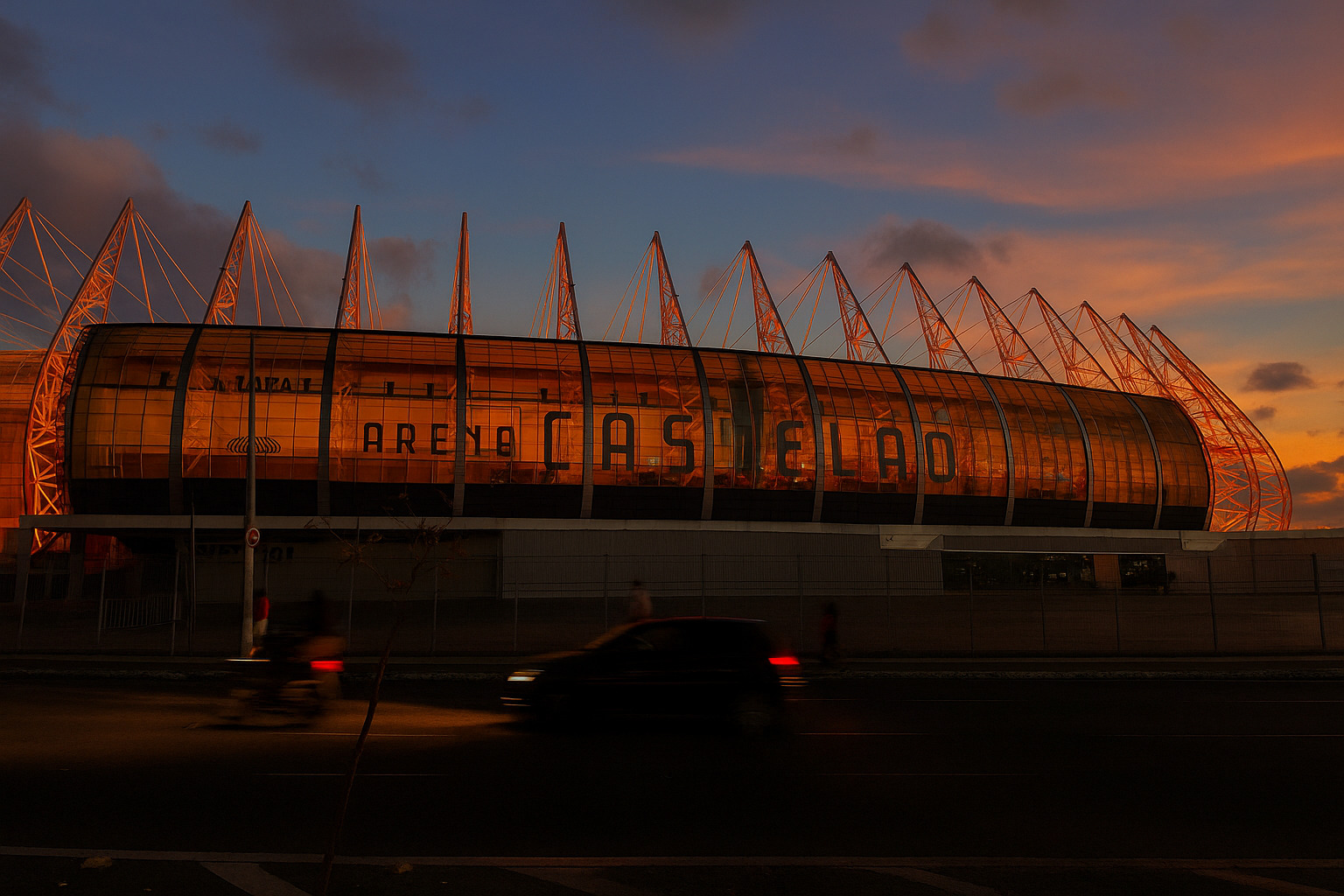
Ceará Saves R$ 15 Million Per Year with Public Buildings Using Renewable Energy, Promoting Economy and Sustainability in Hospitals, Schools, and Public Units.
Currently, the use of renewable energy in public buildings has been gaining more prominence in Brazil and around the world.
In this sense, in Ceará, the state government implemented an initiative that demonstrates how the adoption of clean technologies generates significant financial and environmental benefits.
In fact, the Ceará Government estimates saving around R$ 15 million per year by transitioning 126 public buildings to renewable energy sources, such as solar and wind.
-
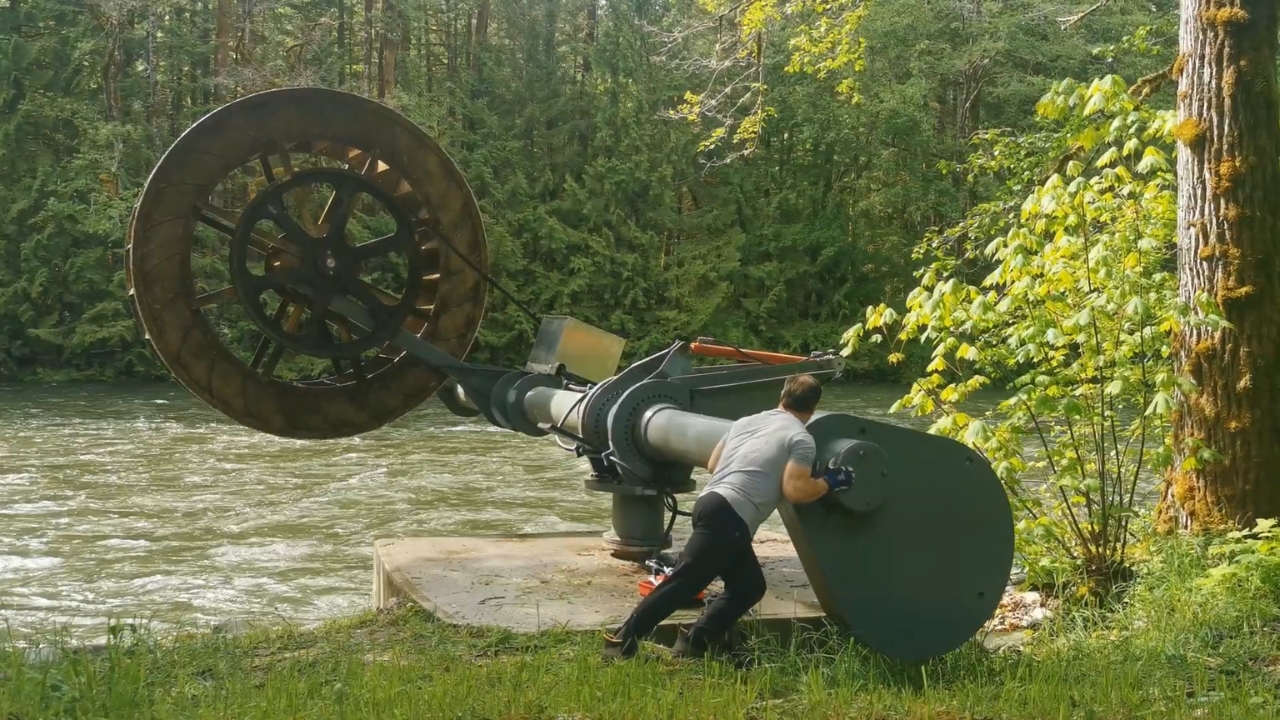
A Canadian retiree creates a hydroelectric system on a real river, generating energy continuously throughout the day and demonstrating how the power of water can supply a house with stability even in a simple structure.
-
Petrobras reaffirms its commitment to the market and ensures that it will carry out the energy transition safely to maintain national sovereignty.

-
Researchers discover a possible hydrogen deposit of up to 46 million tons beneath an ancient coal basin, and the volume could exceed half of the entire global production.

-
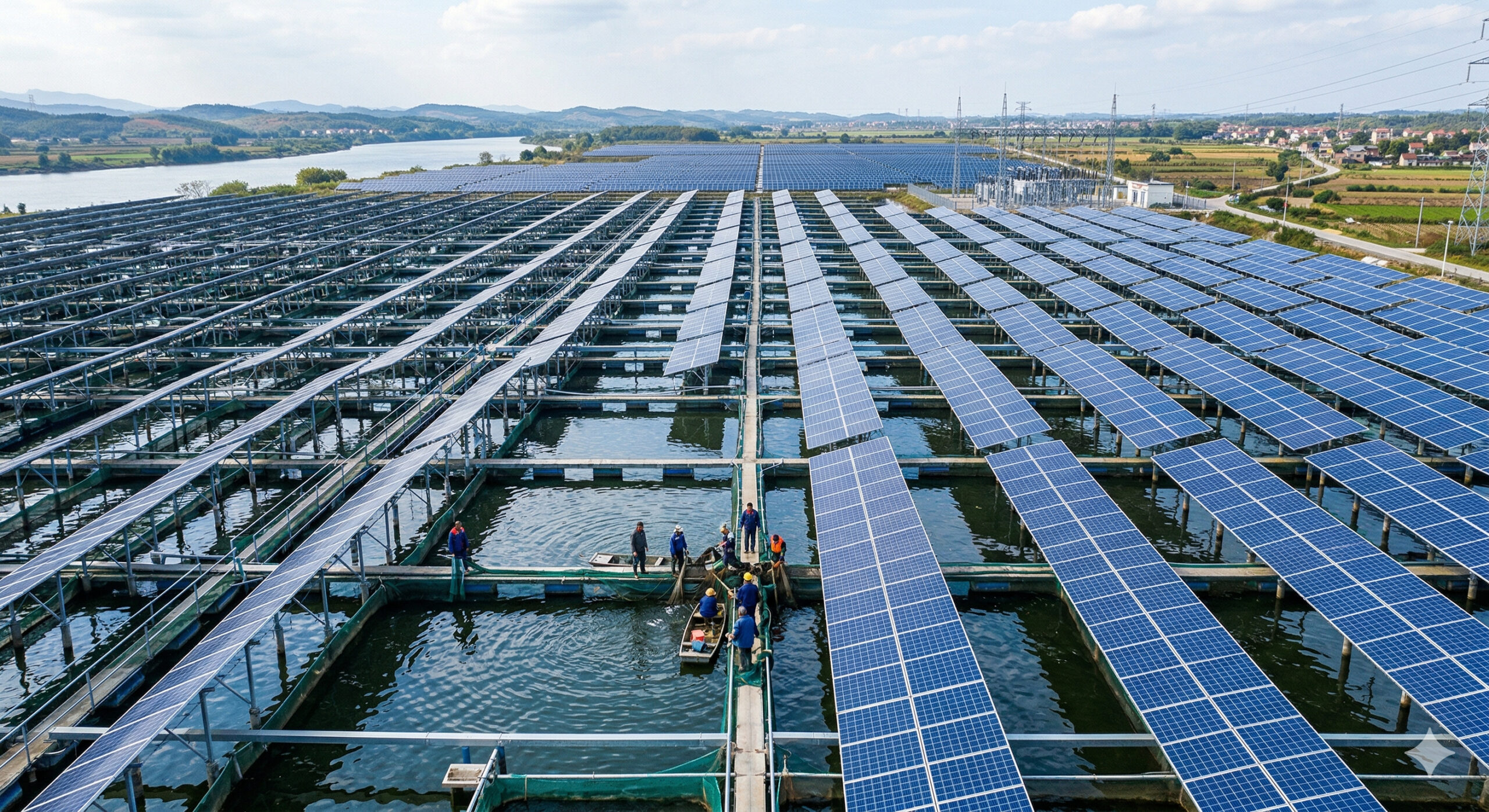
China bets on the Fishery-PV model and transforms fish farms into giant solar plants, covering ponds with panels that generate energy while utilizing the same space for large-scale aquaculture production.

Therefore, this movement reflects a historical trend that combines energy efficiency, sustainability, and fiscal responsibility.
Renewable Energy in Public Buildings: History and Context
Historically, energy in Brazil has always been closely linked to hydropower sources.
However, since the 2000s, the country has increasingly invested in alternative sources, especially solar and wind, which offer greater predictability and lower environmental impact.
In this context, Ceará’s decision to adopt clean energy in public buildings using renewable energy combines technological innovation with economic planning.
Furthermore, the measure strengthens the energy independence of public institutions, decreasing exposure to fluctuations in the regulated market.
The Secretariat of Infrastructure (Seinfra) coordinated the initiative, encompassing a wide range of public buildings, including major consumers like Arena Castelão, the Events Center, the General Hospital of Fortaleza, regional hospitals, schools, and correctional facilities.
Now, these locations receive energy directly from the Free Energy Market, through a contract with EDP Renewables.
Thus, the government reduces electricity expenses and ensures greater budget predictability, which is essential for public administration.
Moreover, the implementation of renewable energy in public buildings provides relevant institutional learning.
Consequently, technicians and public managers become familiar with new technologies, monitoring methods, and energy efficiency strategies.
This, in turn, creates a culture of innovation within the public sector, strengthening energy governance and strategic decision-making in future investments.
Economics and Financial Impacts of Clean Energy
Indeed, the financial impact of the transition is significant.
It is estimated that the average savings in public buildings using renewable energy can reach up to 30% in annual energy expenses.
Additionally, sectors such as health and education record the greatest effects.
For example, 27 healthcare units are expected to save R$ 8.4 million annually, while 65 schools may save about R$ 2.1 million.
Thus, Arena Castelão, one of the largest sports centers in the state, could reduce its expenses by 31.9%, and the Events Center by up to 24.66%.
Therefore, these numbers demonstrate how the adoption of clean energy goes beyond an environmental action, reflecting in concrete results for the public budget.
Moreover, in August, the government included 16 new buildings in the system, reinforcing the program’s expansion.
Among them, standout facilities include the General Hospital of Fortaleza, which is expected to save around R$ 2 million per year, and the Odontological Specialties Center of Fortaleza, with a 21.66% reduction in energy costs.
The energy supplied by these sources will reach 13.4 MW on average by 2029, anticipating the goal of energy self-sufficiency set by State Decree No. 33.264 by five years.
Therefore, this data highlights that Ceará invests not only in immediate savings but also in long-term benefits, aligned with sustainability and energy efficiency goals.
Furthermore, the savings achieved also extend to small administrative buildings and regional units, demonstrating that renewable energy applies to different scales and types of public infrastructure.
Consequently, this reinforces the concept of efficient and sustainable management throughout the state.
Historical Growth and Expansion of Renewable Energy in Brazil
The history of public buildings using renewable energy shows that, in various regions of the world, governments have begun the transition to clean sources with the aim of reducing costs and mitigating environmental impacts.
In Brazil, this trend gained momentum starting in the 2010s, when federal and state governments began to promote energy efficiency programs.
Therefore, Ceará’s case demonstrates how these policies can be applied in a practical and structured way, transforming public buildings into models of sustainable management.
Moreover, the outlook for the coming years is one of continuity and expansion.
The program will continue with new adoptions in 2025 and 2026.
In September, the system will welcome the new University Hospital of Ceará, projected to save up to R$ 1 million per year, alongside the São José Hospital, the Vânia Abreu Ambulatory of HIAS, the José Martiniano de Alencar Hospital, Denarc, the headquarters of the Secretary of Social Protection, and a vocational school in Várzea Alegre.
Thus, this expansion reinforces the idea that public buildings using renewable energy reduce costs and create multiplier effects on administrative efficiency and in investment in essential services.
Furthermore, by expanding the use of clean energy, Ceará also strengthens the renewable energy sector in the state.
In this way, companies involved in the installation, maintenance, and operation of solar and wind systems find new business opportunities, boosting the local economy and encouraging technological innovation.
Environmental and Strategic Benefits
In addition to direct savings, the use of clean energy in public buildings significantly reduces greenhouse gas emissions, contributing to climate change mitigation.
Therefore, by investing in solar and wind energy, Ceará demonstrates a commitment to sustainability, creating a replicable model for other regions.
Another relevant aspect is the budget predictability that the use of renewable energy provides.
With defined supply contracts and more stable costs, public administration can plan investments in health, education, and infrastructure without depending on sudden increases in electricity tariffs.
Thus, this financial security stimulates the program’s expansion and the continuous inclusion of new public buildings.
The Future of Public Buildings with Renewable Energy in Ceará
The path of Ceará inspires other regions of Brazil.
For decades, energy management in public buildings focused solely on maintenance and consumption, without strategic planning to reduce costs.
However, with technological advances and environmental awareness, states realized that public buildings using renewable energy represent a long-term investment, capable of generating savings, reducing environmental impacts, and strengthening energy autonomy.
Therefore, Ceará’s experience shows that the transition to public buildings using renewable energy offers multiple advantages.
Indeed, the estimated annual savings of R$ 15 million is just part of the benefit.
Additionally, in the long term, the adoption of clean energy enhances the state’s sustainability, ensures financial predictability, decreases dependence on the regulated market, and encourages public policies aligned with global climate goals.
Thus, by integrating planning, technology, and environmental responsibility, Ceará establishes a model that other states can follow, demonstrating that investments in renewable energy are synonymous with administrative efficiency and intelligence.
Moreover, with the continuation of the program, new hospitals, schools, and public centers should benefit from the savings generated.
The goal of energy self-sufficiency, brought forward to 2029, shows that the state will consolidate public buildings using renewable energy as a strategic priority.
Therefore, over the next few years, the expansion of these practices promises to transform public management, making buildings more efficient, sustainable, and prepared for future energy challenges.
Finally, Ceará positions itself at the forefront of the energy transition in Brazil.









Seja o primeiro a reagir!