





 Portuguese
  English
  Spanish
  4 min of reading
  1 comment


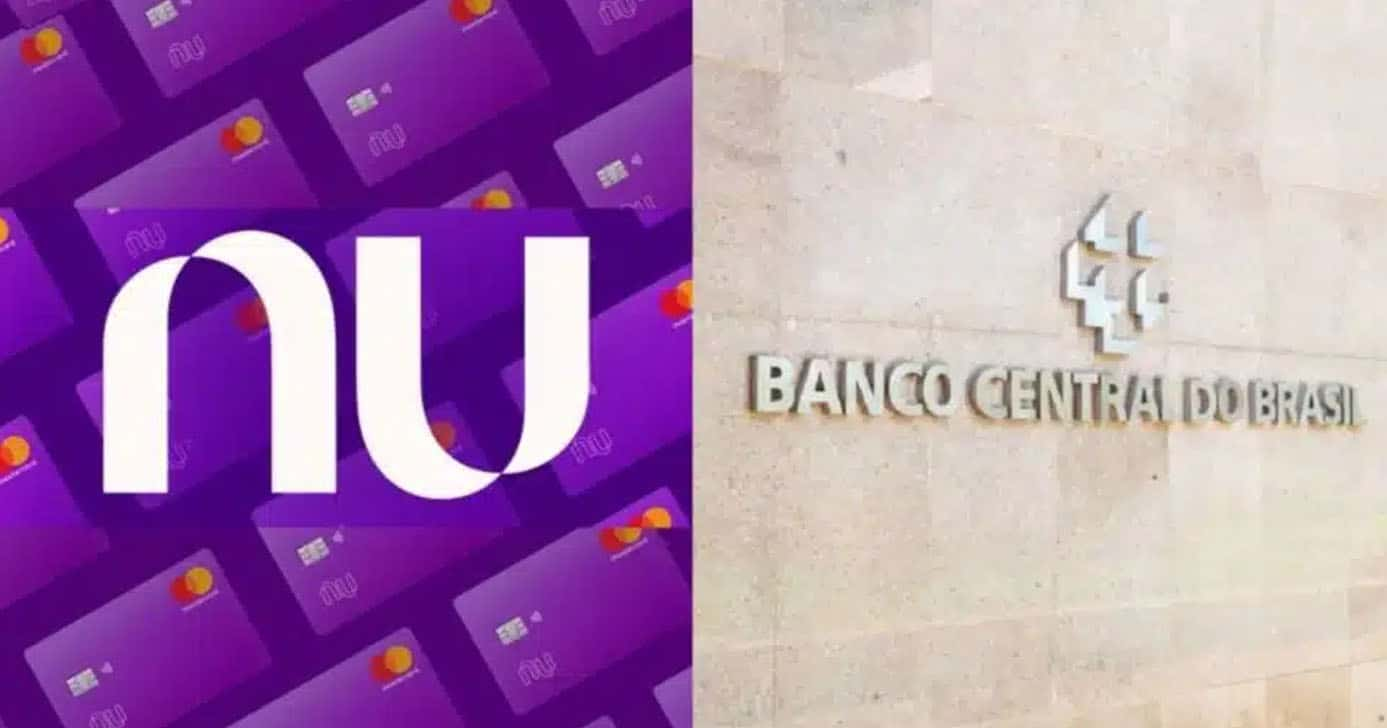


The Central Bank’s Proposal Could Change Everything! Nubank and Other Fintechs May Be Required to Abandon the Name “Bank” and Even Become Formal Banks. What Will Be the Consequences of This Radical Change? Companies Need to Adapt or Risk Losing Their Identity! Discover How the Future of Fintechs Is at Stake.
The proposal under discussion will change the way some companies, like Nubank, position themselves in the financial market.
This is because, with the regulation under review, the Central Bank is seeking to prevent financial institutions from using the term “bank” without having a formal banking license.
This change could directly affect fintechs that, until now, have operated with some flexibility, but without having to submit to the strict rules of traditional banks.
-
These living root bridges and ladders are over 700 years old and help indigenous people survive in one of the rainiest regions in the world.

-
The largest food company on the planet, JBS, has just opened a 4,000 square meter laboratory in Florianópolis to develop customized proteins that modulate muscle mass gain, immune response, and metabolic performance.

-
After nearly 30 bids and competition among industry giants, a Spanish company purchases one of the largest airports in Brazil for almost R$ 3 billion and takes over the management of Galeão in a concession that will last until 2039.

-
From sertanejo star to international investor: Ana Castela invests millions in a mansion in the USA, creates a themed accommodation in Orlando, and shows that the “boiadeira” also wants to grow away from the stage.


With a public consultation open until May 2025, the Central Bank is asking for input from fintechs and society to understand the possible consequences of this proposal.
The aim of the agency is to clarify to consumers that institutions using the term “bank” in their brands do not necessarily have the same structure and regulation as traditional banks.
The government wants the names of financial companies to reflect their operations and responsibilities more accurately.
The Impact of the Proposal on Fintechs
One of the main concerns for fintechs will be the requirement to redefine their marketing and branding strategies.
If the proposal is approved, companies that use the term “bank” in their names will have to decide whether to obtain a formal banking license or alter their visual identity and name.
This change would have significant implications for the positioning of brands such as Nubank, Banco Inter, and other fintechs that have increasingly gained market share in Brazil.
One of the first consequences would be the need to adapt advertising campaigns and communication strategies.
Fintechs would not only have to change their name or adapt to the new regulatory requirements, but they would also face high costs for transitioning their brands.
It would be a radical change for companies that have built their entire image using a more modern and digital identity, distanced from the rigid formality of traditional banks.
Alternatives for Nubank and Other Fintechs
With the proposal underway, Nubank and other fintechs are preparing for the possible alternatives that may arise.
The change may lead these companies to rethink their strategies and even seek a new way to operate in the market.
One option would be to obtain a full banking license, which would require greater rigor in terms of solvency, capital, and regulations.
In other words, if Nubank opts for this path, it will face new challenges to maintain the flexibility and innovation that have marked its operations so far.
Another alternative would be to adjust its brand to align with regulatory requirements, altering the use of the term “bank” to continue offering its financial services.
If Nubank becomes a formal bank, the company would gain prestige in the market but would have to adhere to new rules, which could increase its operational costs.
The Decision and Next Steps
The decision that Nubank and other fintechs need to make will not be easy.
It will be necessary to evaluate all financial costs, the impacts on their customer base, and how this would affect their position in the market.
For some companies, a name change could be a significant blow, especially considering the brand recognition they have already achieved over the past few years.
What Changes for the Fintech Market in Brazil?
With the public consultation ongoing, fintechs have until May 2025 to express their views on the Central Bank’s proposal.
During this period, companies can suggest changes to the project and provide feedback on the possible impacts of this regulation.
For many of them, this change could represent a turning point.
A poorly executed or poorly planned transition could affect the competitiveness of fintechs while potentially opening the door for traditional banks, which could benefit from a change that disadvantages new entrants into the financial market.
After the consultation, the Central Bank will make the final decision.
If the measure is adopted, a transition period will be established for fintechs to adapt to the new rules.
This time will be crucial for companies like Nubank, Banco Inter, and others to seek new ways to position themselves in the market and maintain consumer trust.
The Future of Fintechs Depends on How They Adapt to the New Regulation
Agility and innovation will be key words for companies to remain competitive in an increasingly dynamic and challenging financial market.
The change is not only a strategic adaptation but an opportunity for fintechs to rethink their role and values in the Brazilian financial landscape.
Will Nubank and other fintechs be able to maintain their identity and continue to grow even with the new rules?
How should companies position themselves to attract even more customers and stand out in such a competitive market?





Claramente, isso é coisa dos bancos e governo.
Usuário não está nem um pouco confuso se é banco ou não.
Pelo contrário, está é muito satisfeito.
Uma solução boa é o usuário não deixar o dinheiro em nenhuma e mandar o dinheiro para fora por empresas não tenham raízes Brasileiras, tipo o banco Nomad e investir em dólar.