





 Portuguese
  English
  Spanish
  4 min of reading
  0 comments


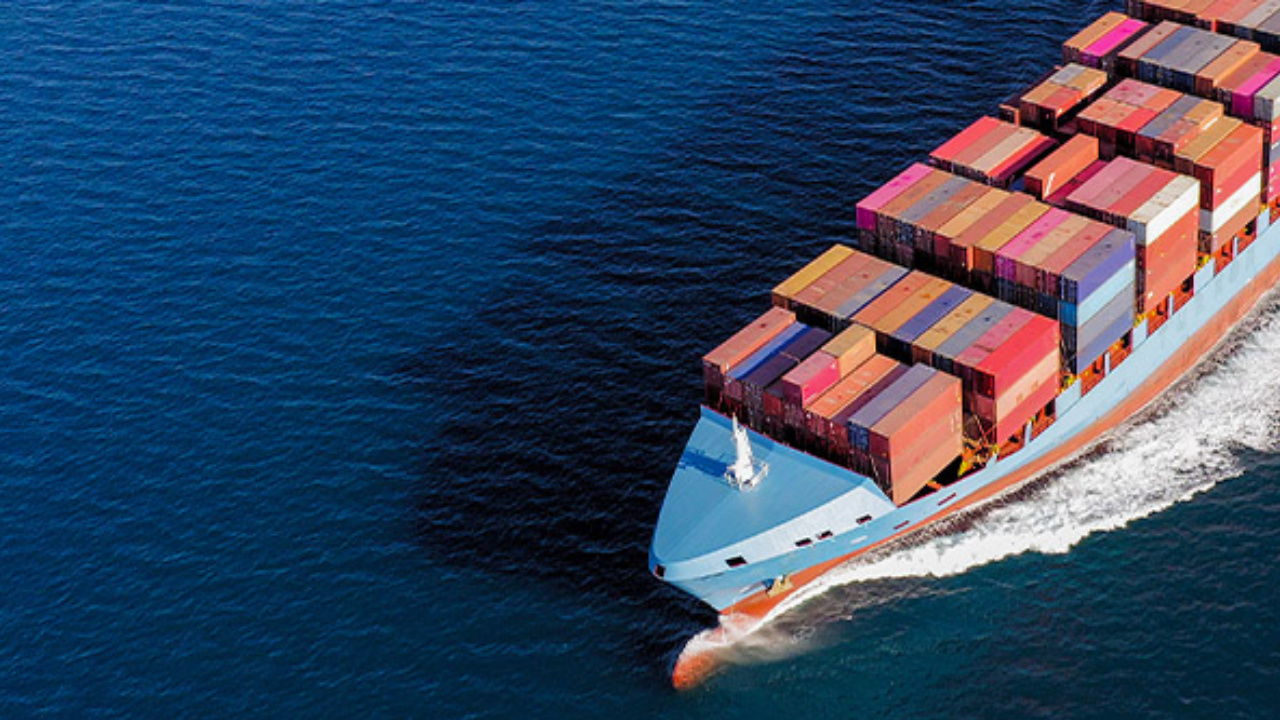
With Oil at Low Levels, Maritime Transport Companies Face Difficulties in Accelerating the Energy Transition. Cargill Assesses Costs, Risks, and Timing of Investments in Low-Carbon Fuels.
The scenario of low oil prices has directly impacted the decarbonization plans of global maritime transport. In a sector historically dependent on fossil fuels, the cost difference between oil and lower-emission alternatives has become a concrete obstacle for investment decisions in the short term.
This is the diagnosis presented by Jan Dieleman, president of Cargill Ocean Transportation, the maritime transport arm of the global commodities giant. According to him, despite the commitment to emission reductions, the economic moment strongly influences the pace of transition.
“I still believe very much that this sector will transition to low-carbon fuels and, eventually, to zero-carbon fuels,” Dieleman told Bloomberg News. “But when you run a company, you also need to think about the right timing.”
-
Lula reveals a masterstroke by Petrobras to undo a deal made by Bolsonaro, which involves the return of an important refinery that currently produces less than half of what was expected and makes Brazil dependent on international diesel.
-
A study confirms that the natural gas sector will reduce greenhouse gas emissions in Brazil by 0.5% and accelerate the energy transition by 2026.

-
Petrobras implements a severe adjustment and confirms a 55% increase in the price of aviation kerosene with a proposal for installment payments for the companies.

-
The rise in oil prices could ensure an extra revenue of R$ 100 billion for the Federal Government, indicates a recent economic study.


Large Fleet and Protagonism in the Climate Agenda
With a chartered fleet of over 600 ships, Cargill holds a prominent position among companies seeking to reduce the carbon footprint in maritime transport. In recent years, the company has begun testing technological and operational solutions aimed at reducing emissions, even in an uncertain regulatory environment.
In this context, the company is incorporating five new vessels capable of operating with both traditional petroleum-derived fuel and low-emission methanol. The strategy aims for operational flexibility in the face of energy price volatility.
Green Methanol Advances, But Oil Remains Dominant
The first of these ships, named Brave Pioneer, is about to arrive in Singapore, where it will be fueled with green methanol. According to Cargill, this type of fuel can reduce carbon emissions by up to 70% compared to conventional oil.
Even so, current market conditions indicate that the use of oil will continue to be predominant at many times. “I can’t burn a fuel that is three or four times more expensive,” Dieleman said, commenting on the economic challenges faced by companies in the sector.
According to him, low oil prices act as a headwind for investments in new technologies, as they extend the time needed for financial returns from energy efficiency solutions.
Price Differences Widen Economic Dilemma
The disparity between fuel prices is significant. Data from S&P Global Energy indicates that last month, 100% sustainable methanol in Singapore exceeded US$ 1,000 per ton. During the same period, petroleum-derived marine fuel was traded for less than US$ 450 per ton.
Additionally, there is a relevant technical difference. Methanol has a lower energy density compared to oil. Practically, this means that ships need to consume a larger volume of fuel to cover the same distance, further increasing operational costs.
Bifuel Technology Gains Space in the Sector
The Brave Pioneer marks an important technological advance by becoming the first Kamsarmax-class ship in the world capable of operating with both methanol and oil. The other four vessels chartered by Cargill also belong to the same category and share the bifuel configuration.
The deliveries of these vessels are scheduled to take place throughout this year and extend until 2027. Meanwhile, the company is also investing in other decarbonization solutions, including technologies that harness wind power to reduce fuel consumption.
High Emissions and International Pressure
Maritime transport is responsible for greenhouse gas emissions exceeding those of industrialized countries like Germany. Despite this, the sector’s transition is gradual, largely due to its strong dependence on oil and the absence of robust global incentives.
A global carbon tax for ships has been discussed as a way to reduce the price difference between fossil fuels and cleaner alternatives. However, these plans are currently on hold, increasing uncertainty for long-term investments.
Methanol Gains Scale, But Faces Limits
Even with the challenges, interest in methanol as a maritime fuel is growing. According to the ship classification society DNV, at least 450 vessels capable of operating on methanol are already in operation or on order worldwide.
In Cargill’s case, the green bio-methanol used in Singapore will be supplied by Seascale Energy, a joint venture formed by the company in partnership with the tanker shipping company Hafnia.
Despite the cost difference compared to oil and the regulatory uncertainties, Dieleman maintains a cautiously optimistic outlook. “Fuel prices are volatile and there are countless possibilities regarding environmental policy,” he stated.
Still, the executive emphasizes that strategic decisions need to balance sustainability and economic viability, especially in a global market heavily impacted by oil fluctuations.









Seja o primeiro a reagir!