





 Portuguese
  English
  Spanish
  4 min of reading
  0 comments


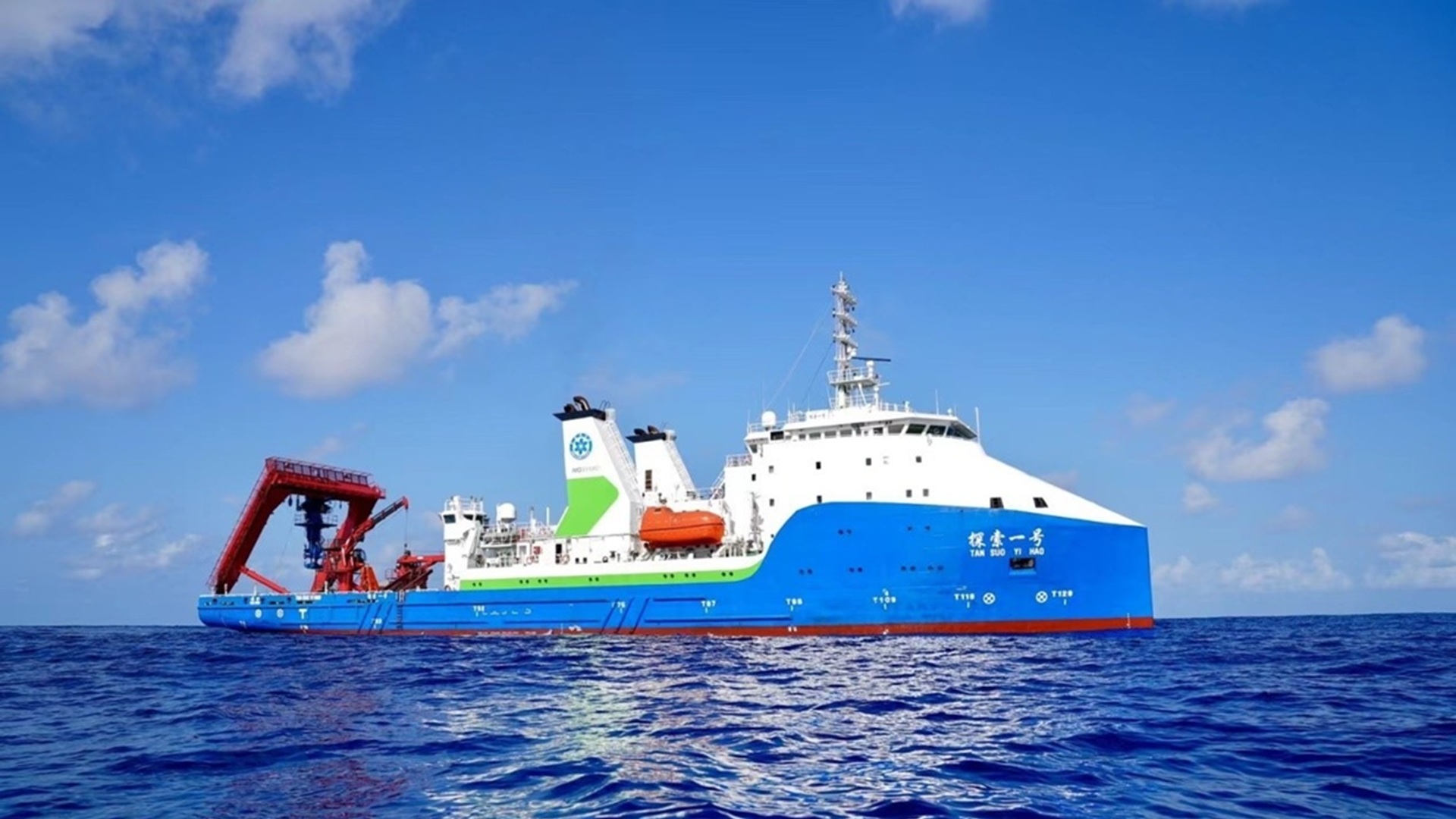
Joint Scientific Expedition Between China and Chile, Started in January and Scheduled to Last Three Months, Mobilizes Submersible Capable of Surpassing 10,000 Meters to Investigate Seismic Risks, Deep Climatic Processes, and Forms of Chemosynthetic Life Along 700 Kilometers of the Atacama Trench in the Pacific
China and Chile began, in January, a joint three-month scientific expedition to explore 700 kilometers of the Atacama Trench, in the eastern Pacific Ocean, aboard the Chinese ship Tan Suo Yi Hao, with the goal of investigating geological risks, deep climatic processes, and life forms without sunlight.
Joint Expedition and Start of Operations in the Pacific
The mission started on Monday aboard the research ship Tan Suo Yi Hao and will continue until March, covering a stretch of 700 kilometers of the Atacama Trench. The initiative brings together the Chinese Academy of Sciences and the University of Concepción in Chile in what is considered a large-scale operation.
The work will be conducted from the Chilean port of Valparaíso and is described as the largest operation in deep waters ever conducted in the region. The expedition results from a multi-year scientific alliance between institutions from both countries.
-
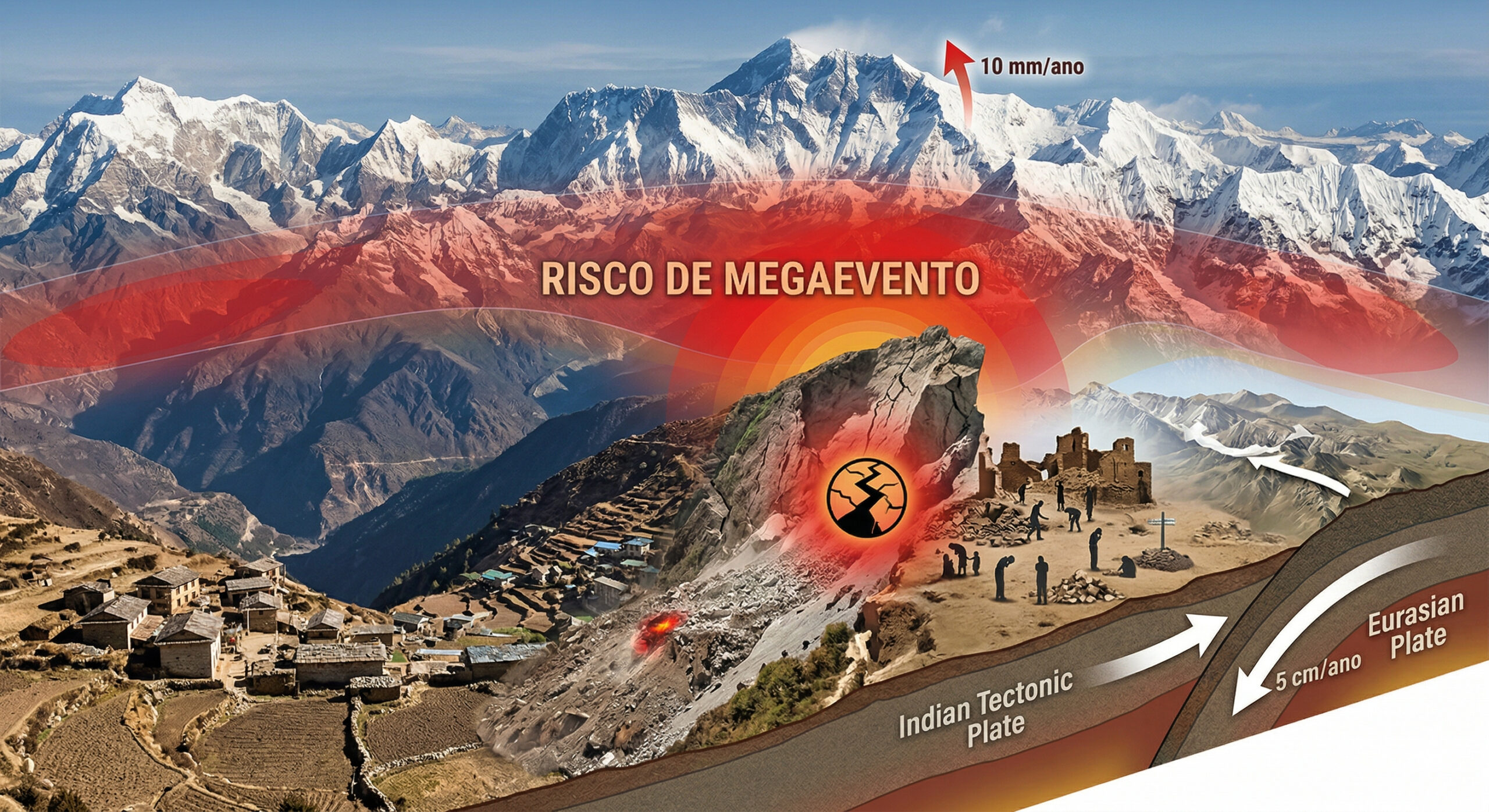
The Himalayas continue to grow to this day, with tectonic plates advancing 5 cm per year, mountains rising up to 10 mm annually, and the 2015 earthquake that killed 9,000 people may have increased the risk of an even larger seismic mega-event.
-
At an altitude of 400 km by astronauts from the International Space Station, Paris transforms at night into a golden mesh so precise that it reveals the outline of the Seine River, avenues, and entire neighborhoods like a luminous map drawn over the Earth.

-
iPhone 17 reaches historic low price with 256 GB, 120 Hz display, and drops to R$ 5,703 on Shopee, featuring A19 chip, dual 48 MP cameras, battery life of up to 30 hours, and advanced AI features.

-
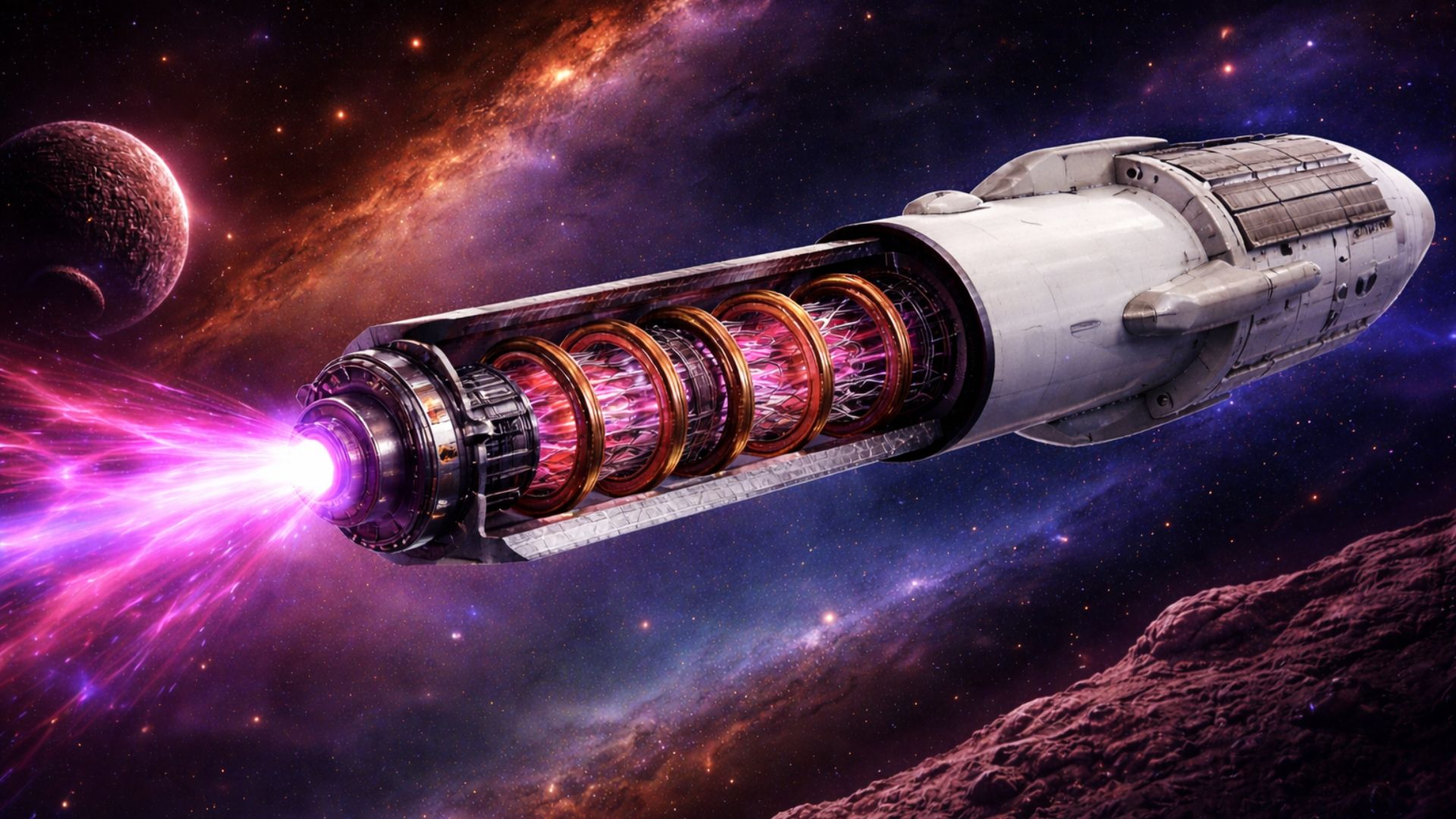
Trip to Mars getting closer: Pulsar Fusion, from the UK, advances with plasma ignition in fusion engine and could drastically reduce space travel time, making crewed missions faster, safer, and economically viable.

According to the University of Concepción, this cooperation grants Chilean scientists exclusive access to advanced Chinese technologies. The university stated that this partnership allows for years of research to be accelerated in a single mission, as reported by the South China Morning Post.
The Atacama Trench and the Extreme Geological Scenario
The Atacama Trench is approximately 6,000 kilometers long and reaches about 8,000 meters deep.
It is a vast subduction zone where the Nazca and South American tectonic plates continuously collide.
This geological process is responsible for generating some of the most powerful earthquakes on the planet and is directly associated with the formation of tsunamis that can affect several countries bordering the Pacific Ocean.
The expedition seeks to better understand this dynamic by investigating the deep geological causes that lead to extreme seismic events. The physical presence of scientists on site is considered a differentiator compared to previous studies based solely on remote sensors.
Chinese Technology and the Fendouzhe Submersible
To reach the depths of the trench, the mission will utilize the manned submersible Fendouzhe, also known as the Striver. The equipment is capable of descending to depths exceeding 10,000 meters, surpassing the maximum levels of the Atacama Trench.
The submersible carries three people in a reinforced cabin, equipped with thick windows and robotic arms. These arms will be used to collect biological and geological samples directly from the ocean floor, in conditions of absolute darkness.
Additionally, the Fendouzhe is equipped with high-resolution cameras, allowing detailed recording of the hadal environment. This approach enables direct observations that automatic sensors cannot provide, enhancing the understanding of the deep ecosystem.
Scientific Objectives and Global Impact of the Mission
The mission has three main objectives. The first is to contribute to the global prevention of natural disasters by studying seismic belts that pose a constant tsunami threat to Pacific countries.
The second objective is to investigate the role of the Atacama Trench as a possible carbon recycler, helping to clarify climatic enigmas related to the storage and circulation of this element at great depths.
The third focus is on the search for rare molecules associated with chemosynthetic life forms, organisms that survive without sunlight by utilizing chemical energy from the Earth itself, with potential applications in biomedicine.
To achieve this, the team will employ autonomous robotic landing modules and deep-water CTD sensors capable of measuring temperature, salinity, and pH. These data will be transmitted in real-time to the mother ship.
Research Structure and International Cooperation
During the mission, 33 research stations and nearly 20 submersible dives are planned. The activities are part of the Global Hadal Exploration Program, endorsed by the UN, and involve Chilean academic institutions and the national geological service.
The operation is led by researcher Du Mengran, cited as one of Nature’s leading scientists for 2025. The expanded scale of the mission surpasses previous efforts and consolidates Sino-Chilean scientific cooperation in exploring the ocean’s greatest depths, despite the technical challenges involved.








Seja o primeiro a reagir!