





 Portuguese
  English
  Spanish
  4 min of reading
  0 comments


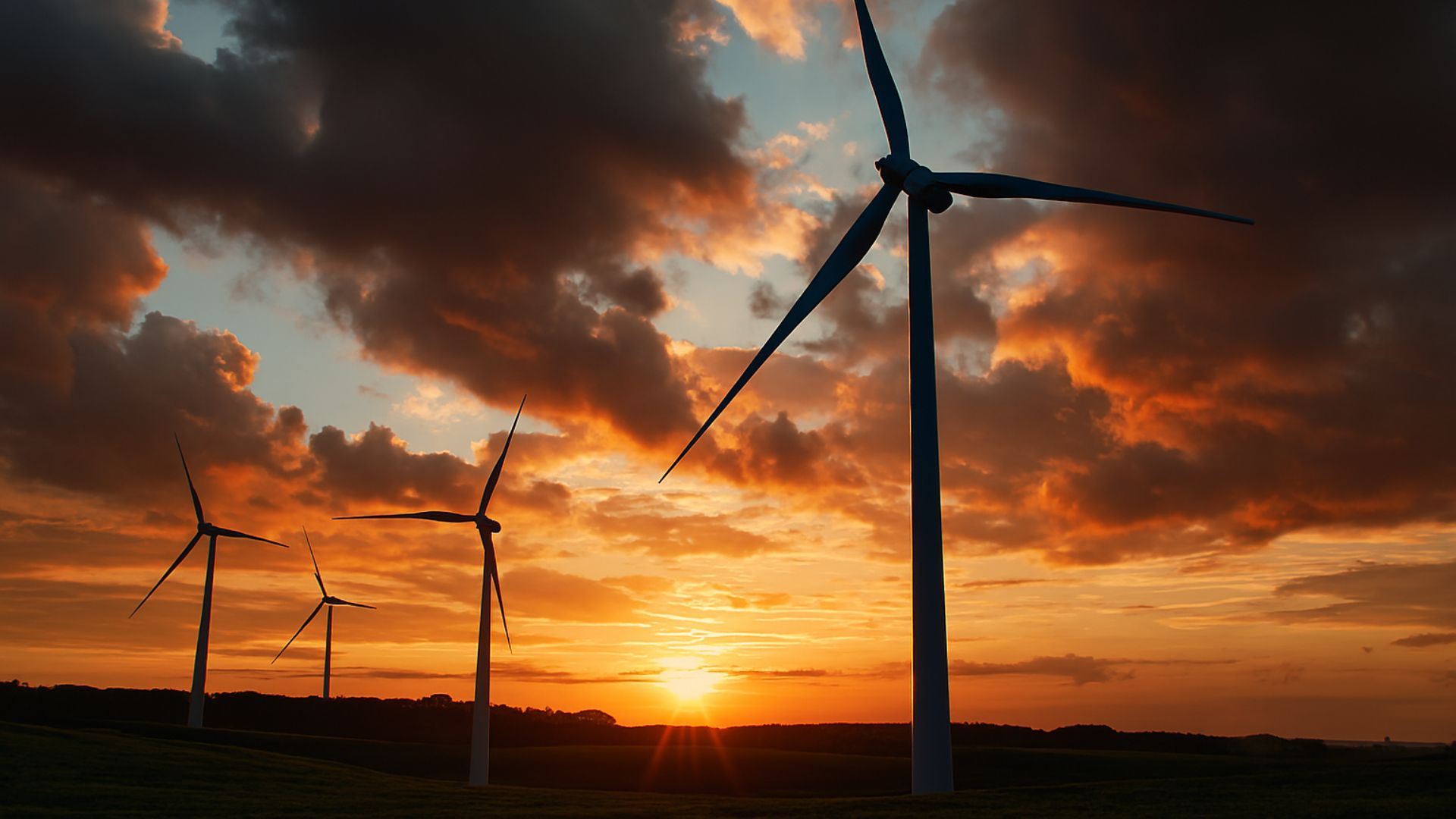
China Advances in Energy Transition by Completing 700 MW Wind Power Project Capable of Powering the World’s Largest Green Ammonia Plant, Reinforcing Global Commitment to Clean Technologies
On November 10, 2025, China Power Construction Corporation announced the completion of the grid connection for an ambitious 700 MW wind power project located in Da’an, Jilin Province.
The project integrates wind energy, solar, green hydrogen, and ammonia production, forming a clean and innovative industrial chain. This project directly supplies the world’s largest green ammonia plant, solidifying China’s position as a leader in the global energy transition toward carbon neutrality.
Wind Power Project Drives Energy Transition in China
The Da’an wind power project is part of the “100 Best Projects” designated by the Chinese government to accelerate the decarbonization of the energy matrix. With an installed capacity of 700 MW, the wind farm is made up of dozens of state-of-the-art turbines, strategically positioned to harness the region’s prevailing winds.
-
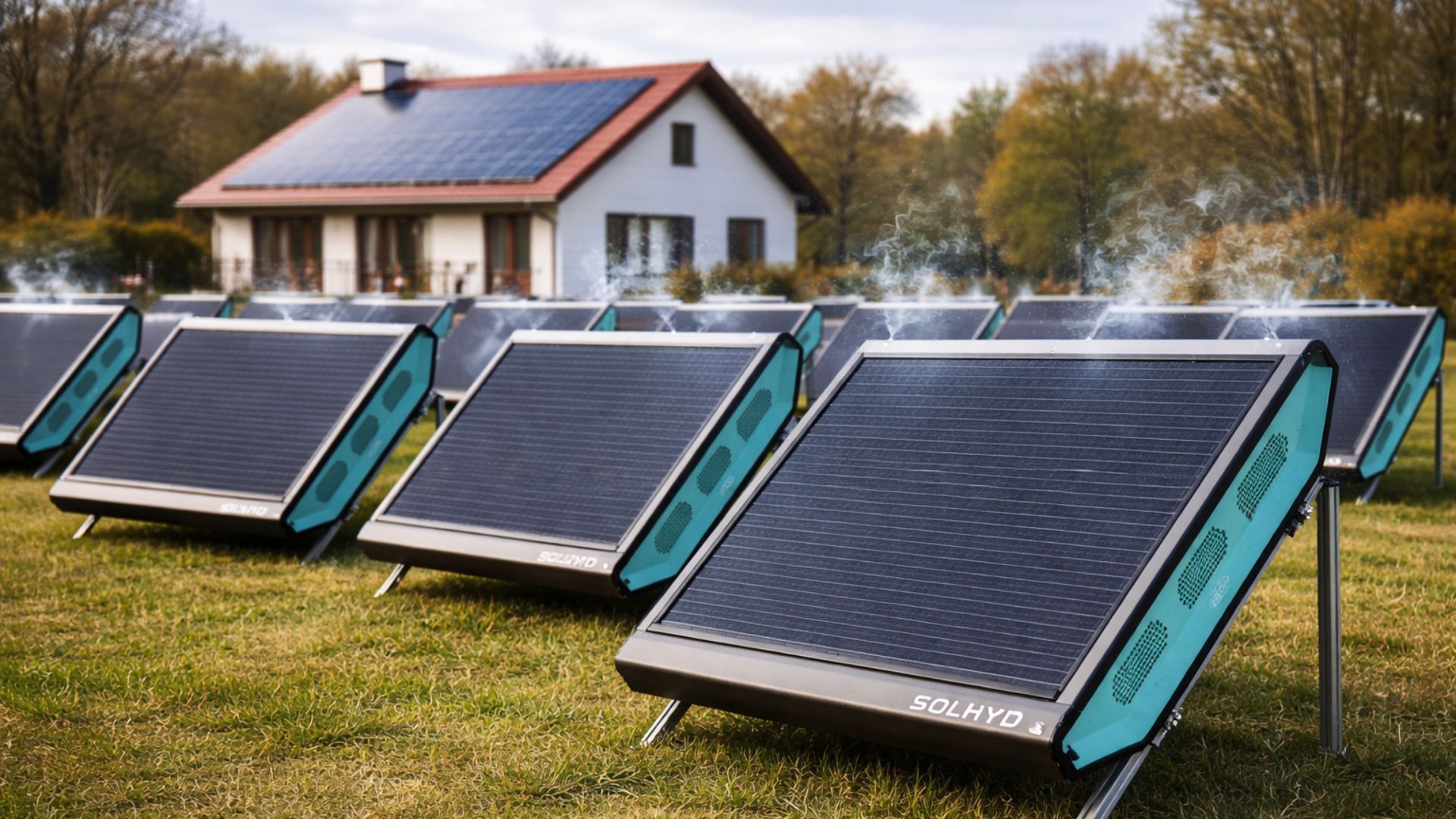
Green hydrogen at home: Belgium launches new technology that makes solar panels produce fuel from the moisture in the air, which could boost the energy transition.
-
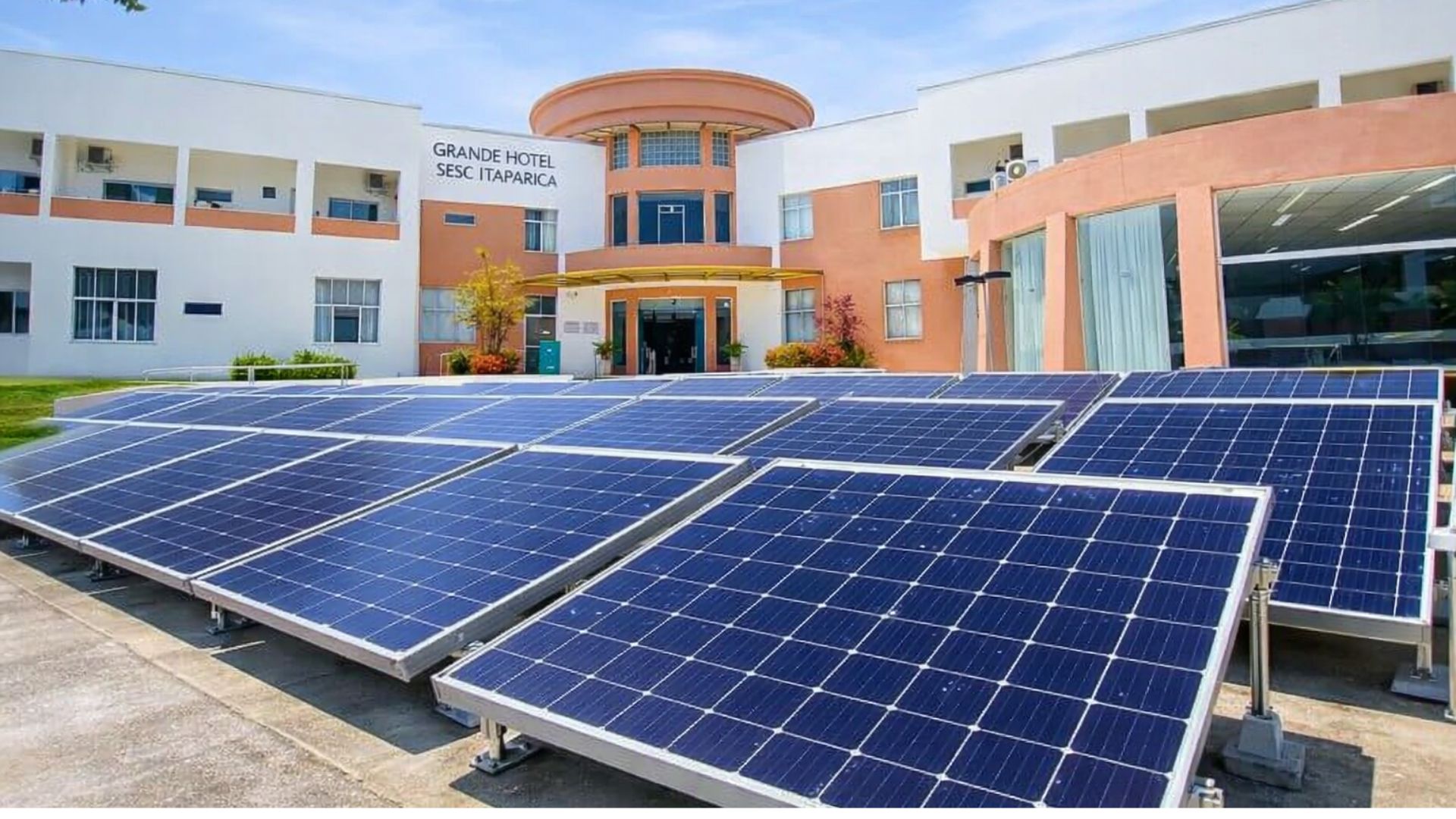
Sesc-BA bets on renewable energy with the support of EDP and drives the energy transition with a direct impact on cost reduction and the sustainability of its operations in Bahia.
-
Technology giant breaks global sustainability records: How Amazon’s leadership in renewable energy procurement transformed the global energy market in the past year.

-
Alert in the electric sector: Atlas Renewable Energy confirms billion-dollar investment and Brazil risks losing a share of the new investment in Latin America to neighboring countries.
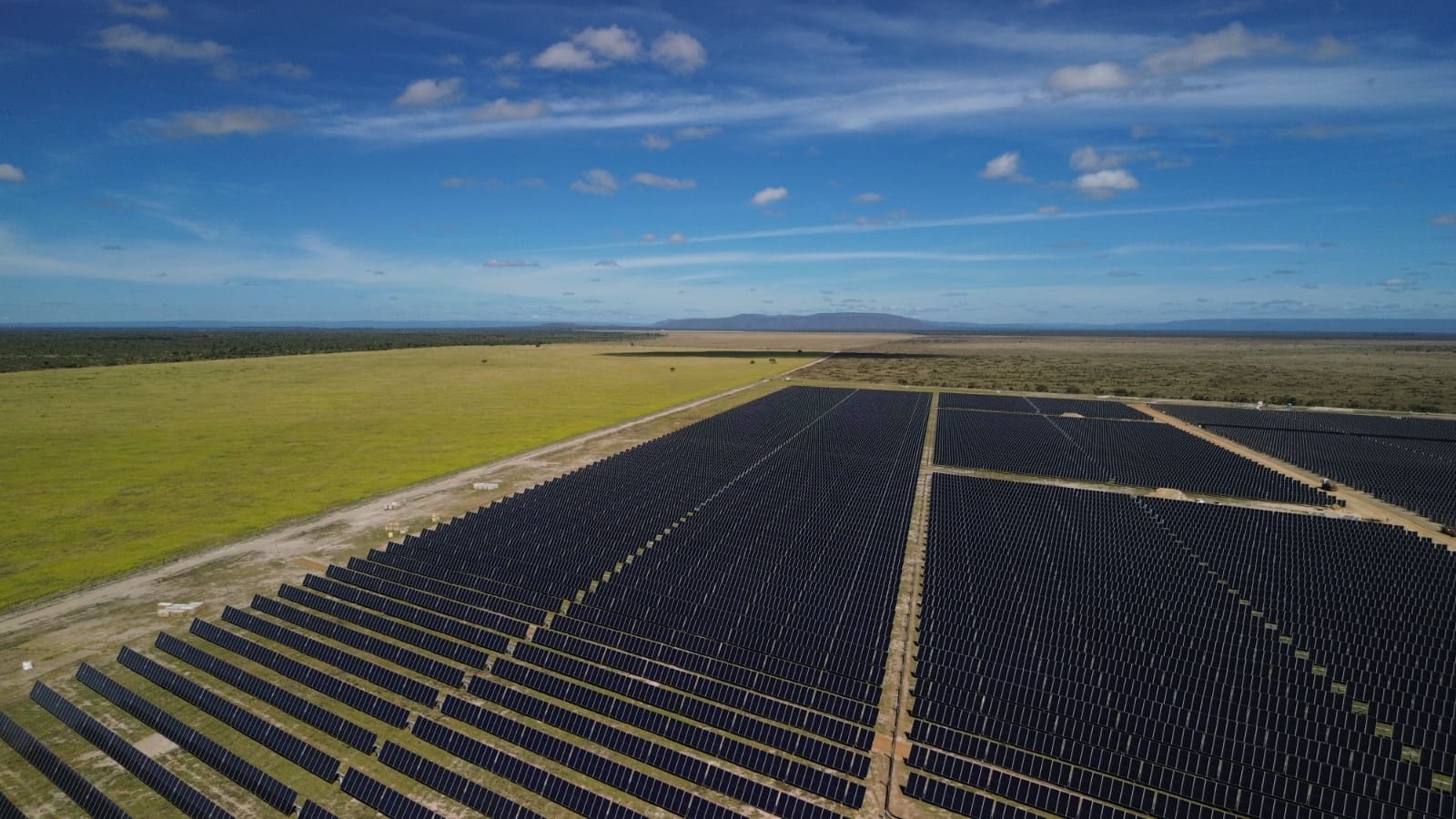

The Da’an plant is considered the largest green ammonia plant on the planet, with a capacity to produce 180,000 tons of ammonia per year from green hydrogen. The process is powered exclusively by renewable sources, such as the newly completed wind project and complementary solar facilities.
Green ammonia is a promising alternative for sectors such as fertilizers, shipping, and power generation, which traditionally rely on fossil fuels.
By eliminating the use of coal and natural gas, the model adopted in Da’an dramatically reduces greenhouse gas emissions. The integration of wind energy and green hydrogen production represents a clean industrial revolution.
Technical Details of the Wind Project in China
The Da’an wind project was developed with a focus on energy efficiency and sustainability. The installed turbines feature advanced technology for converting kinetic energy into electricity, with real-time monitoring systems for optimizing production.
The infrastructure includes smart substations, high-voltage transmission networks, and energy storage systems, ensuring stability and security in supply.
The project also includes environmental preservation measures, such as ecological corridors and monitoring of local wildlife. State-of-the-art engineering applied to the project reinforces China’s commitment to sustainable innovation.
According to China Power Construction, the project has the potential to prevent the emission of approximately 650,000 tons of carbon dioxide per year, as well as provide an estimated savings of 230,000 tons of standard coal annually.
China Leads Investments in Renewable Energy
China has established itself as a global leader in renewable energy investments. According to the International Energy Agency (IEA), the country was responsible for leading in installed wind energy capacity in 2024. The Chinese goal is to peak carbon emissions before 2030 and achieve neutrality by 2060.
Projects like Da’an are fundamental to this goal. By combining wind power, solar energy, and green hydrogen, China demonstrates its capacity for innovation, industrial scale, and commitment to the environment.
Moreover, the country is exporting technology and know-how to other nations interested in accelerating their energy transition. China is shaping the planet’s energy future with integrated and sustainable solutions.
Global Impacts and Opportunities for Brazil
The completion of the project in Da’an not only strengthens the Chinese energy matrix but also serves as a reference for other countries. Brazil, for example, has vast wind and solar potential, in addition to being one of the largest producers of fertilizers. The adoption of green ammonia could transform the agricultural sector and reduce dependence on fossil fuels.
Furthermore, technological cooperation between Brazil and China could open new opportunities in research, development, and infrastructure. The Da’an model demonstrates that it is possible to integrate different renewable sources into an efficient and scalable system.
Energy Transition and Industrial Innovation in China
The global energy transition requires solutions that combine technological innovation, economic viability, and positive environmental impact. The Da’an wind project, by powering the world’s largest green ammonia plant, exemplifies how these elements can be successfully integrated.
Green ammonia, produced from hydrogen generated by renewable sources, has the potential to replace fossil fuels in various sectors. Furthermore, China shows that it is possible to scale these solutions on a large scale, with efficiency and strategic returns.
Clean Energy as a Driver of Development
The Da’an project reinforces the idea that clean energy can be a driver of economic and social development. The creation of skilled jobs, strengthening of the domestic industry, and reduction of dependence on fossil fuels are some of the direct benefits.
Additionally, the energy stability provided by renewable sources contributes to energy security and international competitiveness. Countries that invest in clean energy are better prepared to face the climatic and economic challenges of the 21st century.









Seja o primeiro a reagir!