





 Portuguese
  English
  Spanish
  4 min of reading
  3 comments


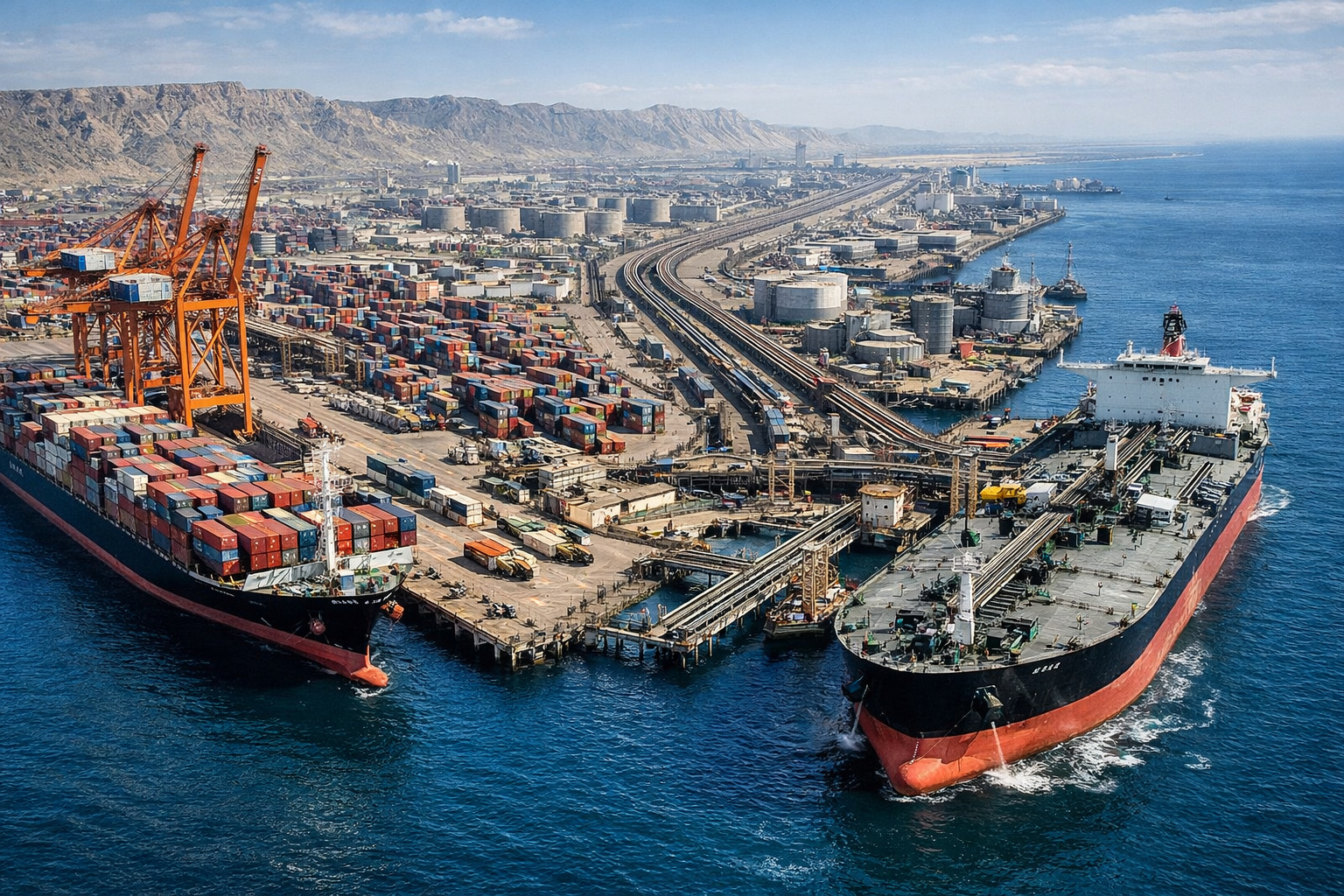


China and Pakistan Advance on CPEC with Ports, Railroads, and Pipelines to Connect the Asian Interior to the Arabian Sea and Reduce Dependence on the Malacca Strait.
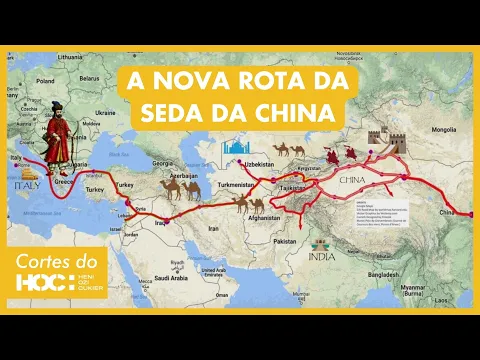
China has decided to tackle one of its greatest strategic vulnerabilities: the near-absolute dependence on the Malacca Strait, through which the majority of oil and goods that supply its economy pass. To address this, Beijing has invested tens of billions of dollars in a continental-scale project that connects western China directly to the Arabian Sea, crossing through Pakistan. The name of this plan is the China-Pakistan Economic Corridor (CPEC), one of the most strategically significant components of the Belt and Road Initiative.
It is not just about trade. The CPEC involves deep-water ports, railroads, highways, oil pipelines, gas pipelines, industrial zones, and energy infrastructure, creating a land-sea alternative that could reshape global flows of goods and energy.
The Bottleneck of the Malacca Strait and Chinese Vulnerability
The Malacca Strait is one of the most congested and sensitive points on the planet. It connects the Indian Ocean to the Pacific and accounts for about a quarter of the world’s maritime trade, including a large portion of the oil imported by China.
-
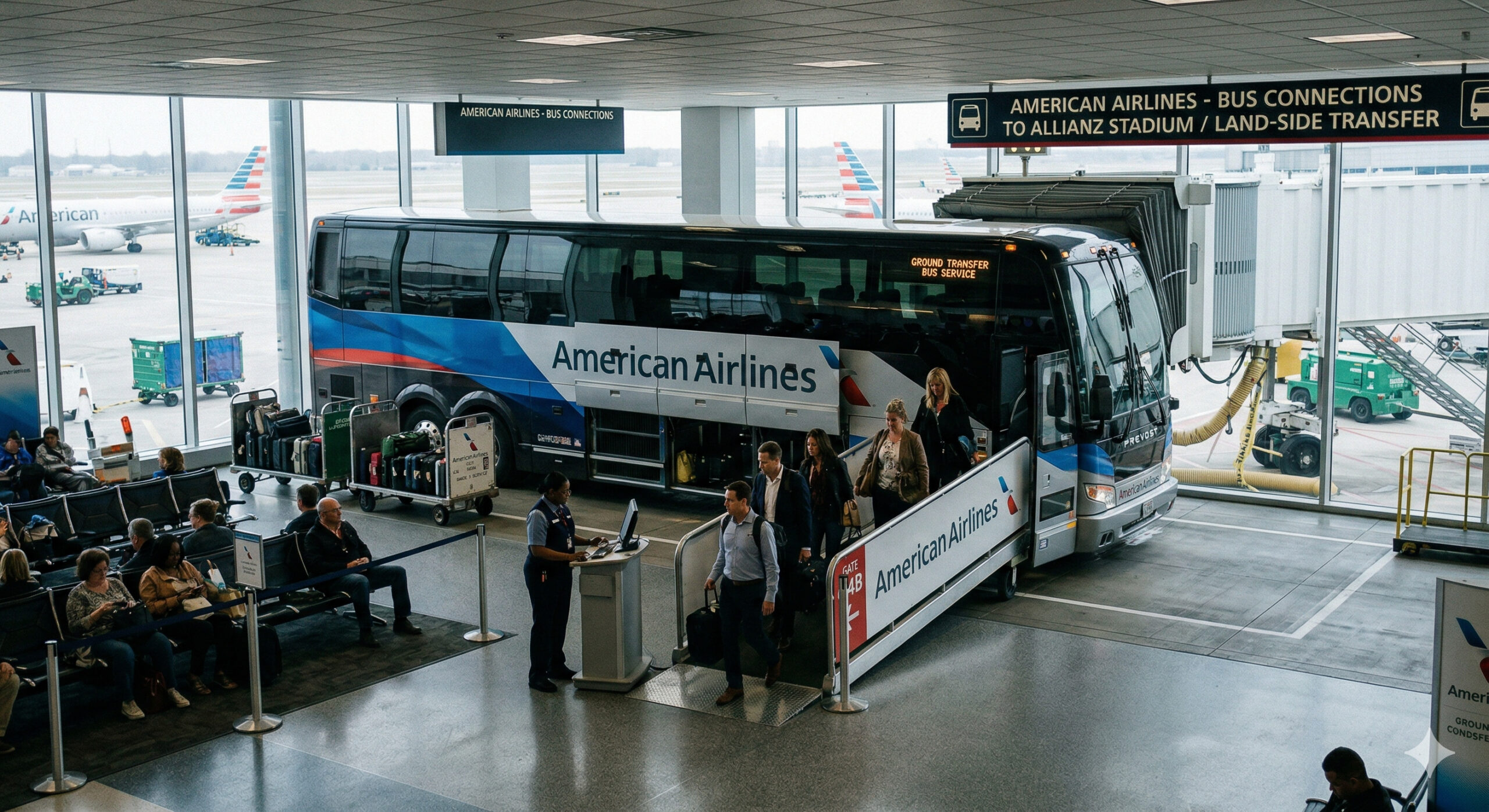
American Airlines starts selling trips as if they were flights, with check-in and baggage check at the airport, but on short routes, passengers board luxury buses connecting cities to major hubs in the U.S.
-
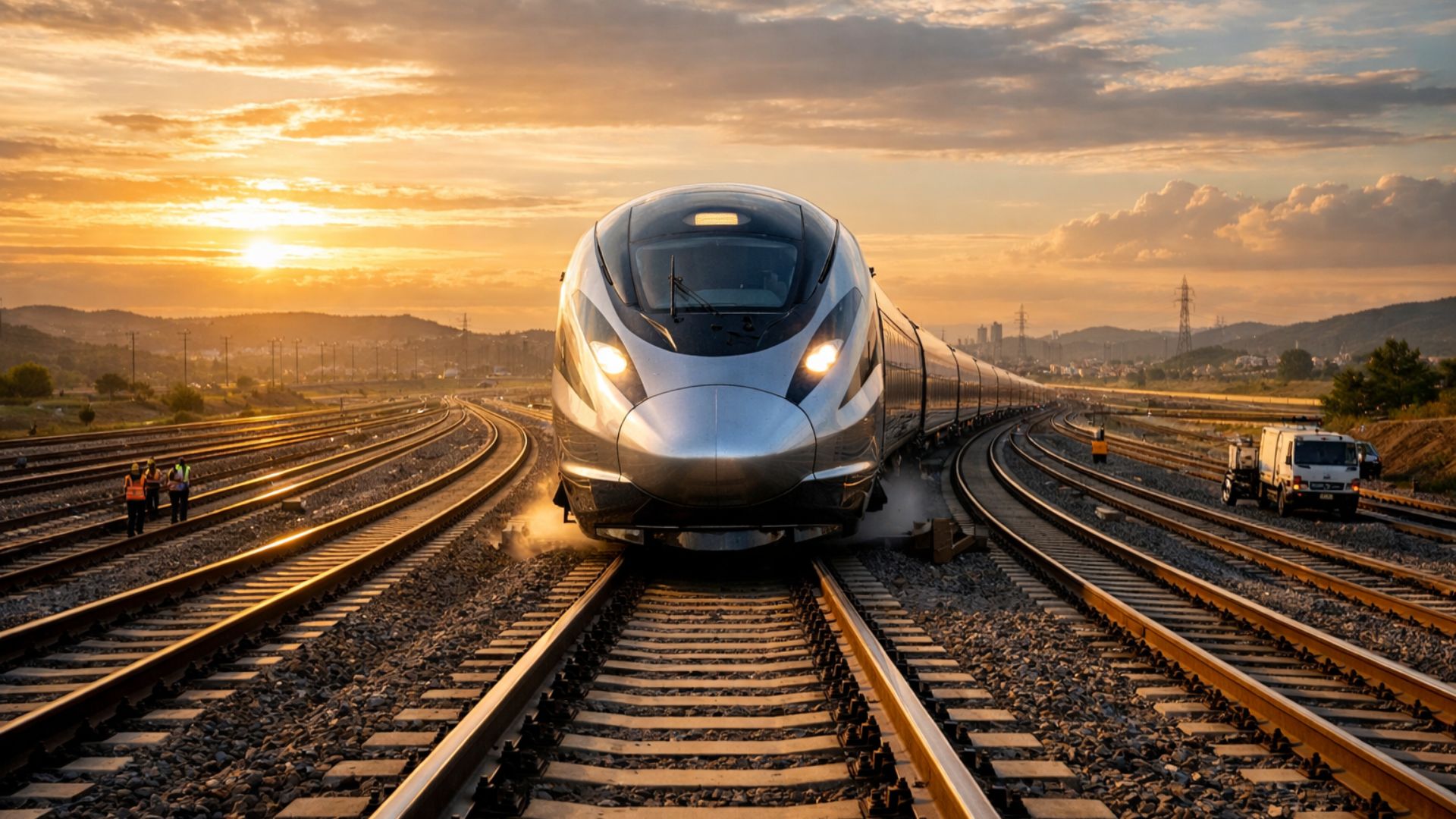
São Paulo surprises the world with a colossal railway network project that promises over 1,000 km of tracks, R$ 194 billion in investments, and 40 projects connecting the capital to the interior with fast and sustainable trains.
-
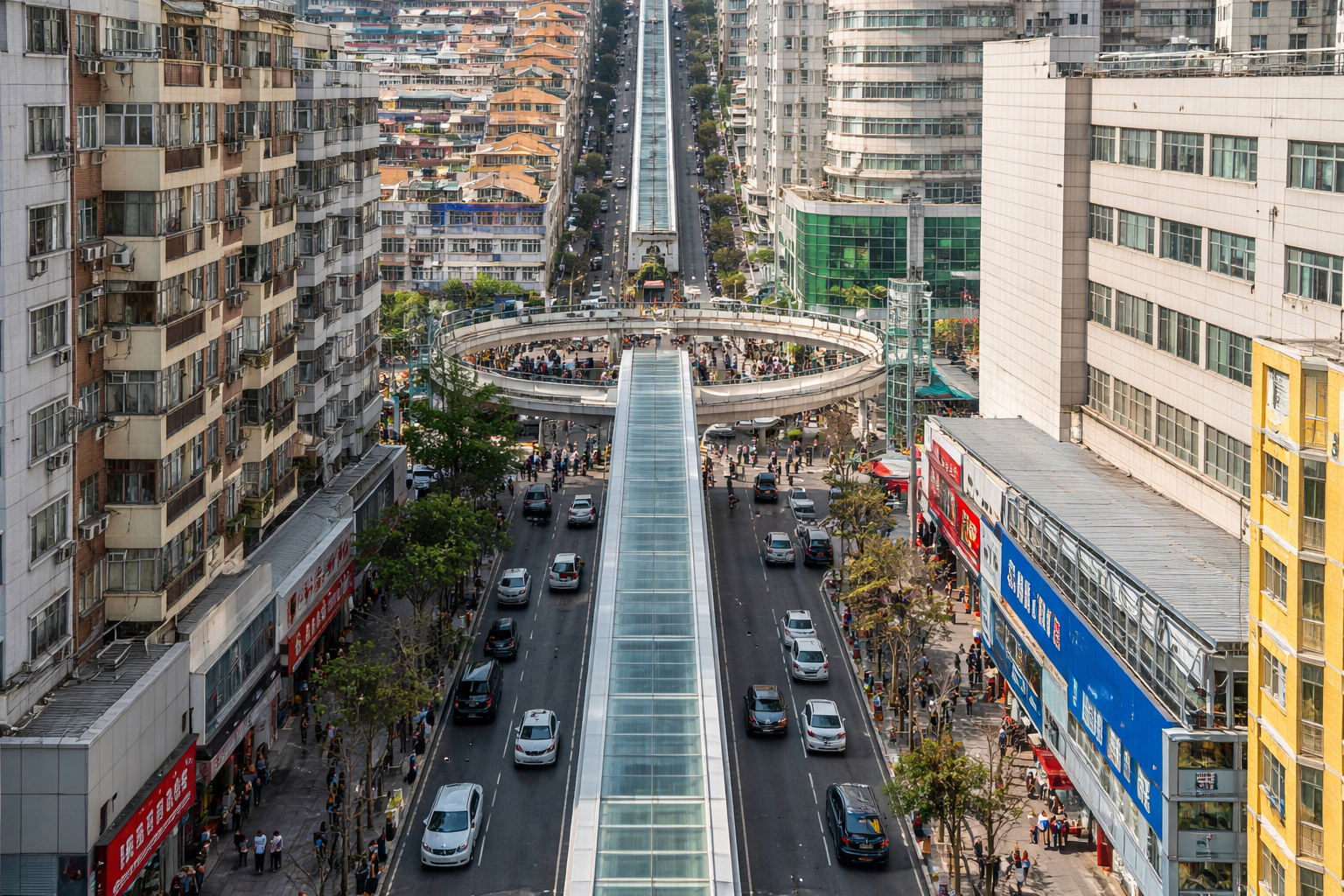
The world’s largest escalator, measuring 905 meters in China, reduces urban travel time from 1 hour to about 20 minutes and transforms mobility in mountainous regions with an engineering solution adapted to the terrain.
-
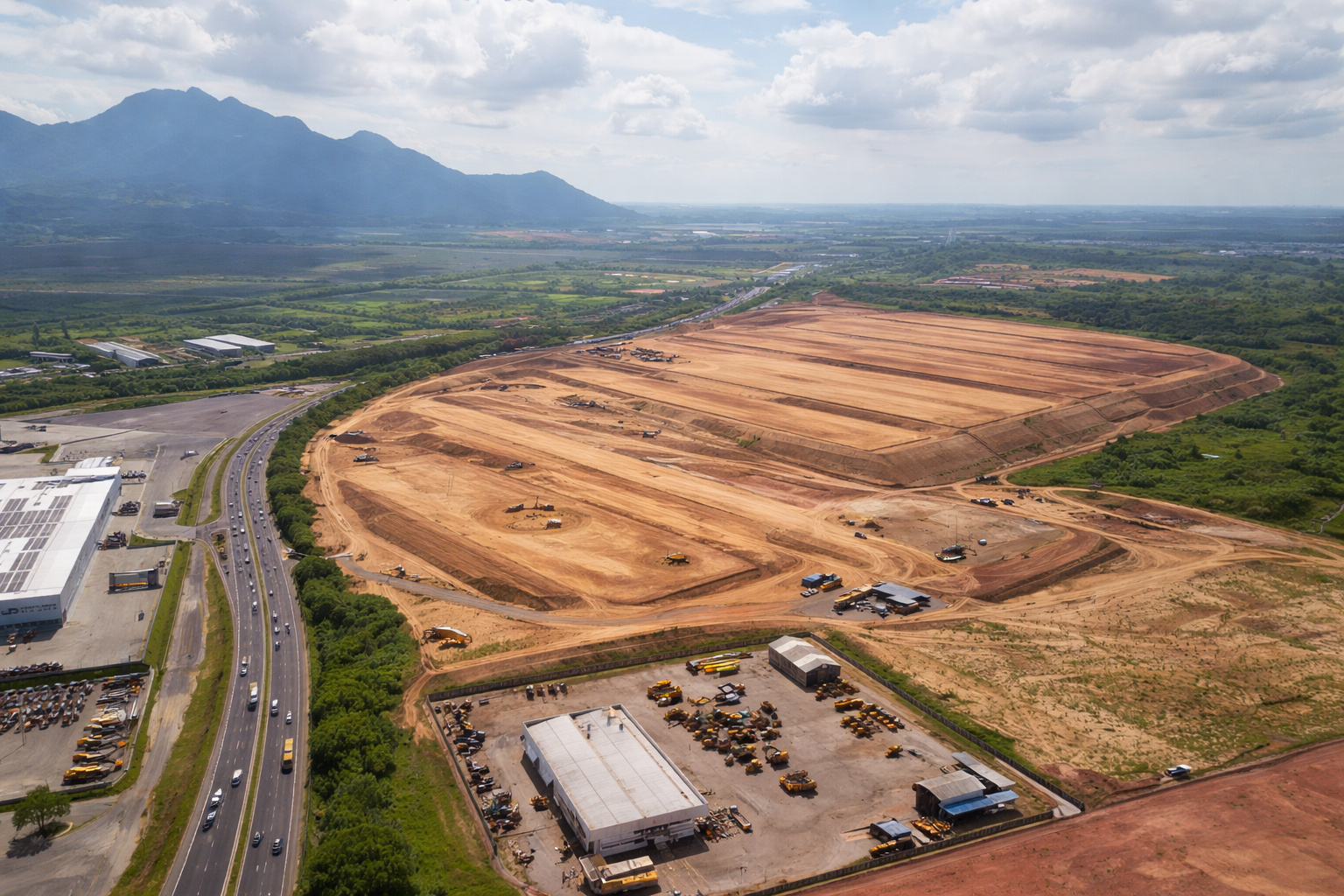
A R$ 300 million logistics giant is taking shape in Serra with over 100,000 m² and raises a question: how can this transform e-commerce and distribution in the state?



Any blockage—be it due to military conflict, sanctions, piracy, or accidents—would have an immediate impact on the Chinese economy. This risk is so central that Chinese strategists refer to it as the “Malacca Dilemma”.
The CPEC is designed precisely to reduce this dependence, creating an alternative route that brings goods and energy directly to western China, bypassing chokepoints controlled by other powers.
Gwadar Port: The Strategic Jewel in the Arabian Sea
The most visible point of the project is Gwadar port, in southern Pakistan. Located a few kilometers from the main maritime routes of the Persian Gulf, the port was developed to operate as a deep-water terminal, capable of accommodating large cargo and oil tankers.
Gwadar drastically shortens the distance between the Middle East and western China. While a ship heading to Chinese ports on the Pacific travels thousands of additional kilometers, the route via Gwadar allows oil to reach the Asian continent and travel overland directly to regions like Xinjiang. In practice, the port functions as an oceanic gateway to the interior of Asia.
Corridors of Over 3,000 km Crossing Mountains and Deserts
From Gwadar port, logistical corridors extend throughout Pakistan and reach the Chinese border. The network of roads, railroads, and pipelines exceeds 3,000 kilometers in length, crossing deserts, plains, and some of the most challenging mountainous regions on the planet.
These corridors connect the Arabian Sea to the Chinese interior, reducing transport time and creating a direct link between industrial zones, energy centers, and consumer markets.
The scale of the project is comparable to the largest land corridors ever built in the modern world.
Oil Pipelines, Gas Pipelines, and Energy Security
In addition to containers and manufactured products, the CPEC was designed to transport energy. Planned oil and gas pipelines along the corridor enable oil and gas imported from the Middle East to enter Pakistan and reach China without depending on vulnerable maritime routes.
For Beijing, this represents a significant strategic gain. It reduces logistical costs, diversifies supply routes, and strengthens long-term energy security—a key pillar of Chinese policy.
Railroads and Industrial Integration
The project also includes the modernization and expansion of freight rail lines, integrating Pakistan into broader logistical networks across Asia. These railroads allow for the transportation of large volumes at a lower cost per ton, connecting Pakistani and Chinese industrial zones to Gwadar port.
Along the corridor, special economic zones are emerging, designed to attract factories, assembly centers, and commodity processing. The goal is to transform the corridor into a productive axis, not just a passageway.
Geopolitical Impact: More Than Trade
The CPEC is not just an economic project. It alters the geopolitical balance of the region. By gaining direct access to the Arabian Sea, China expands its presence in the Indian Ocean, an area traditionally influenced by other powers.
For Pakistan, the corridor represents massive investments in infrastructure, job creation, and strengthening the strategic position of the country. For China, it is a way to project logistical and energy power beyond the Pacific.
This combination explains why the project is closely monitored by governments and analysts around the world.
Challenges, Risks, and Criticism
Despite its ambition, the CPEC faces significant challenges. High costs, security issues in some regions, local political tensions, and concerns about debt are part of the debate.
There are also criticisms regarding environmental impacts, unequal distribution of benefits, and Pakistan’s economic dependence on China. Still, the project continues to advance as a strategic priority for both countries.
A New Route on the Global Chessboard
If fully consolidated, the China-Pakistan Economic Corridor will become one of the most important alternative routes for global trade, connecting the Asian interior directly to the Indian Ocean.
It is not just about shortening distances. It is about reducing vulnerabilities, diversifying pathways, and redrawing the map of world trade.
In a world where logistical bottlenecks can halt entire economies, those who build alternative routes build power. And that is exactly what China is attempting to do by advancing from the interior of Asia to the Arabian Sea.










How long it will continue and since how long we listen it 2004 2012, 2016 and or my 3rd class. It should complete in 6 to 8 years but it going long and long
I have done phd in CPEC and major powers reposnes to cpec, published more than 30 papers on cpec. Can publish paper or article with you.
What about small block mopar and hemi. I’d like to try one