





 Portuguese
  English
  Spanish
  3 min of reading
  1 comment


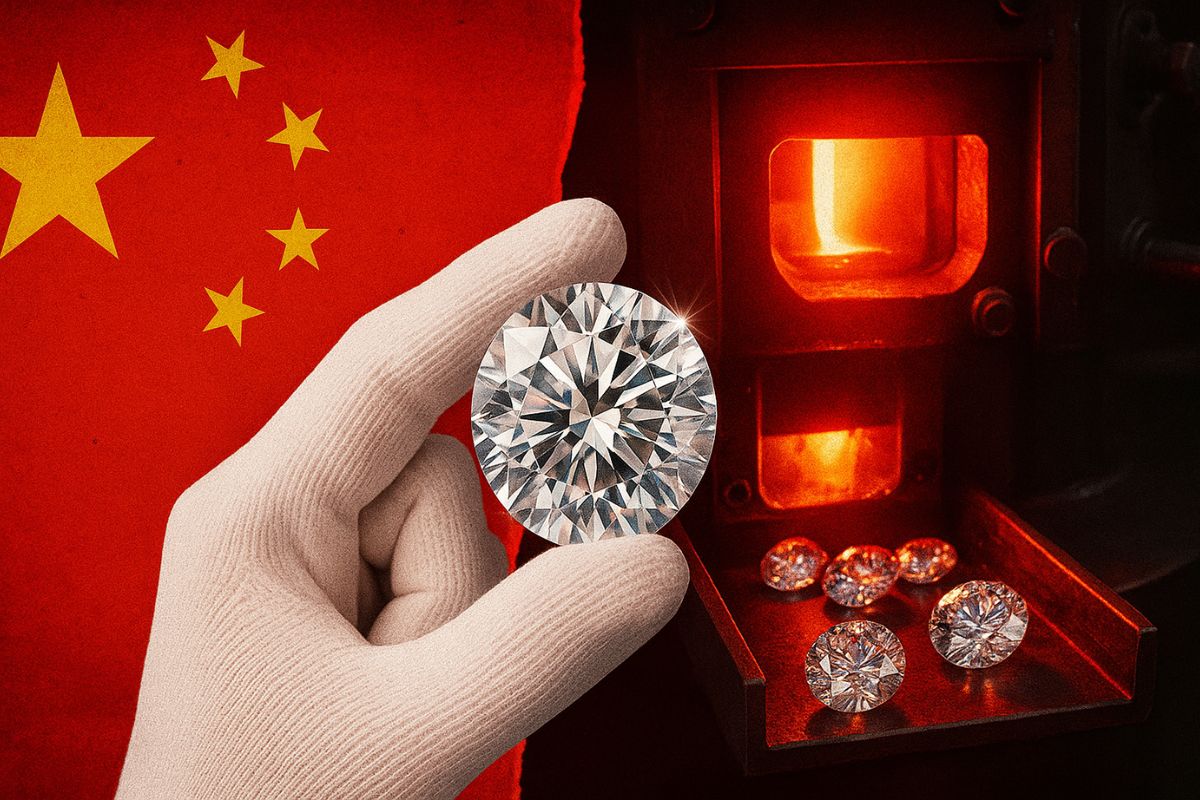

Asian Giant Dominates The Global Market For Synthetic Diamonds, Devaluing Natural Stones And Revolutionizing The Industry With Sustainability And Technology
The China Challenges Geology by creating, in a laboratory, diamonds that nature would take billions of years to form. Companies like Jiaruifu, in Henan province, can produce three-carat gems in just a week, using advanced industrial processes and solar energy.
According to a report by the Financial Times, 70% of the synthetic diamonds used in jewelry are already produced on Chinese soil. China’s technological advancement in this sector has challenged the traditional model of production, pressuring prices and changing global consumption behavior.
Laboratory Diamonds With Global Impact
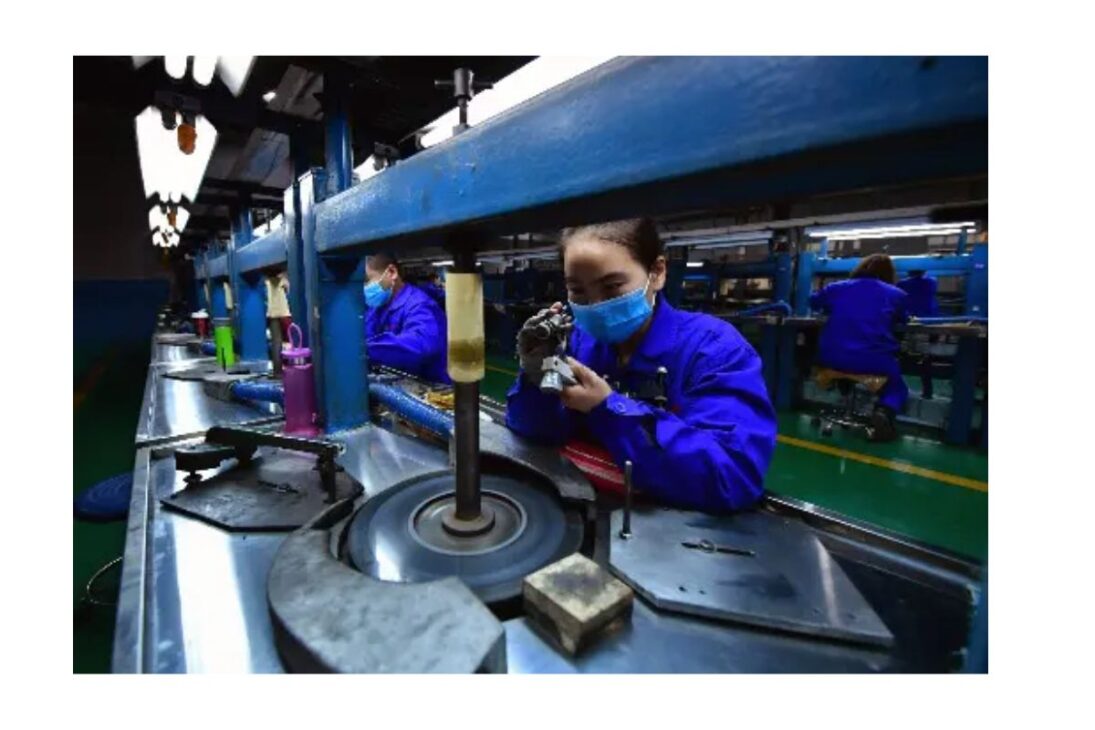
The China Challenges Geology by reducing the diamond formation time from billions of years to a few days. This capability is a result of decades of investment in research, initiated after the break with the Soviet Union in the 1960s. Without access to natural reserves, the country opted to develop its own technology, a strategy that today yields global leadership.
-
They were brilliant! Scientists discover that our ancestors in China were already making super advanced tools 160,000 years ago, changing everything we knew.

-
Scientists unveil 3 million years of climate secrets hidden in the ice of Antarctica.

-
Ancient farmers created “aggressive plants” that changed nature forever.

-
Astronomers find a “backward” solar system that ignores all the rules of space and leaves scientists scratching their heads!


According to the New York Times, Chinese dominance has grown not only through technical mastery but also by integrating with other hubs. The cutting of gems is done in India, and distribution goes through centers such as Antwerp and Dubai. Often, consumers are unaware that the diamond came from China.
What Changes With Synthetic Diamonds?
The popularization of laboratory diamonds has had a direct impact on the traditional industry. According to data from the consulting firm Tenoris, synthetics already account for 17% of retail sales in the U.S., especially in engagement rings. De Beers, a giant in the sector, amassed US$ 2 billion in unsold stock in 2024 and shut down its Lightbox division, focused on synthetics, due to its inability to compete with the Chinese.
In addition to the lower cost, younger consumers value sustainability. Companies like Huanghe Whirlwind use solar energy in the diamond creation process, drastically reducing carbon footprint. This reinforces the ecological appeal and aligns products with the new values of the global market.
Strategic Control And Industrial Sovereignty
The growth of synthetic diamonds in China is not happening haphazardly. The government of Henan province created an association to regulate the market and avoid price wars. A floor price of US$ 15 per carat was established for stones between 1 and 10 carats. Companies that sell below this may be reported.
This policy resembles what was done in the electric vehicle sector, another field where China took technological leadership and imposed price control. In both cases, the objective is the same: ensure industrial sovereignty and strengthen the country’s geopolitical positioning.
A New Era For Diamonds
By compressing geological time and offering a more accessible, cleaner, and controlled product, China Has Transformed Diamonds Into Industrial Commodities. What was once rare and eternal is now produced at scale, at a low cost and with minimal environmental impact. For many consumers, this is not a problem; it is the future.
Would you buy a synthetic diamond? Does the origin and production process influence your decision? Join the conversation in the comments.






Chineses são enlouquecedores mesmo kkkk