





 Portuguese
  English
  Spanish
  5 min of reading
  2 comments


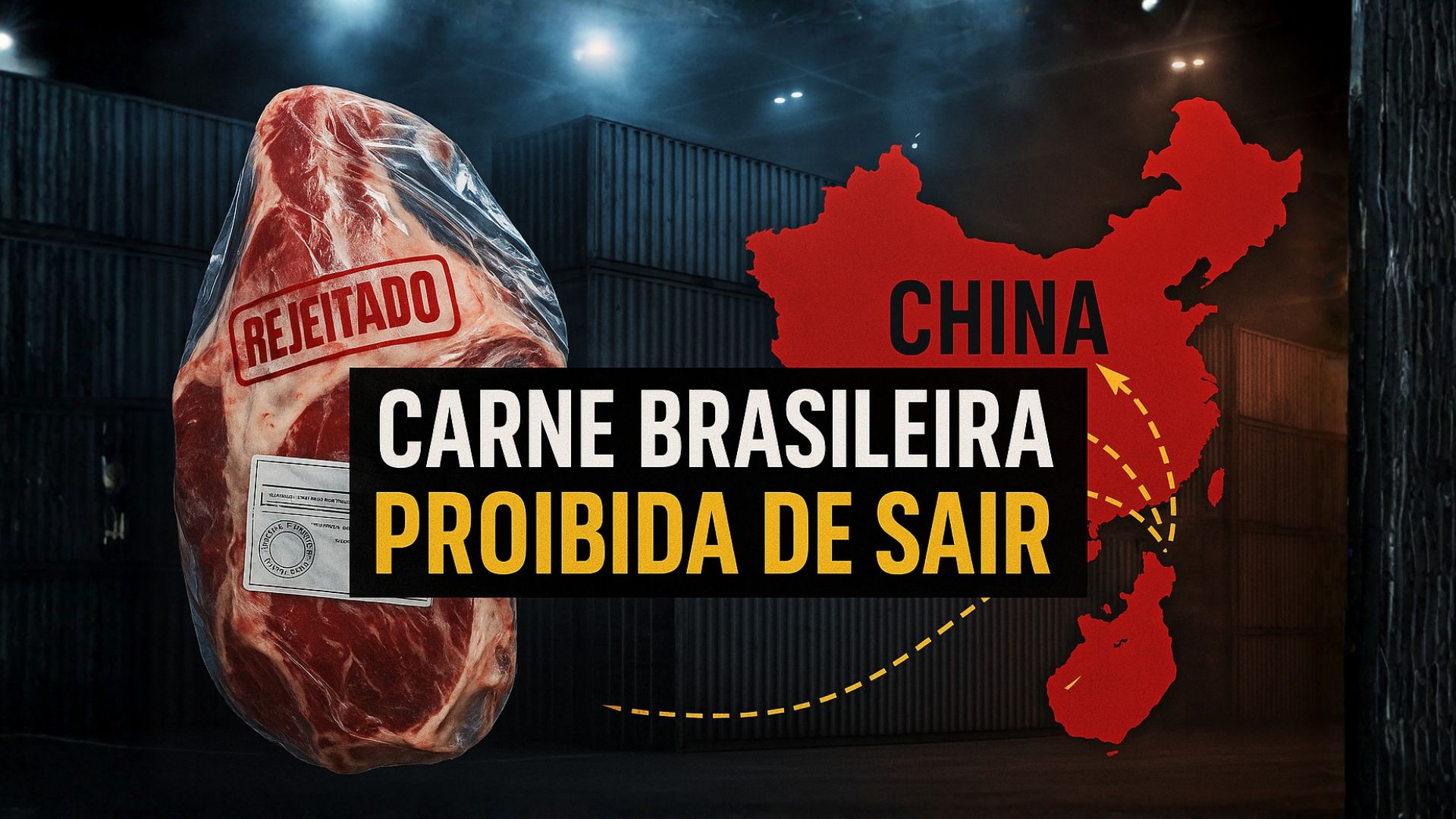


China Has Re-Identified Residues Above The Permitted Limit Of Fluazuron In Batches Of Beef Exported From Brazil, Rekindling The Alert For Possible Trade Restrictions And Suspension Of Meatpackers, With Billions Of Dollars In Exports At Risk.
China has re-identified residues of Fluazuron above the permitted limit in batches of beef exported from Brazil.
The episode has rekindled the alert for possible trade restrictions and even the temporary suspension of meatpackers.
The case was reported by Minerva Foods through the Laço de Confiança program and has mobilized the livestock sector around the correct use of veterinary medicines.
-
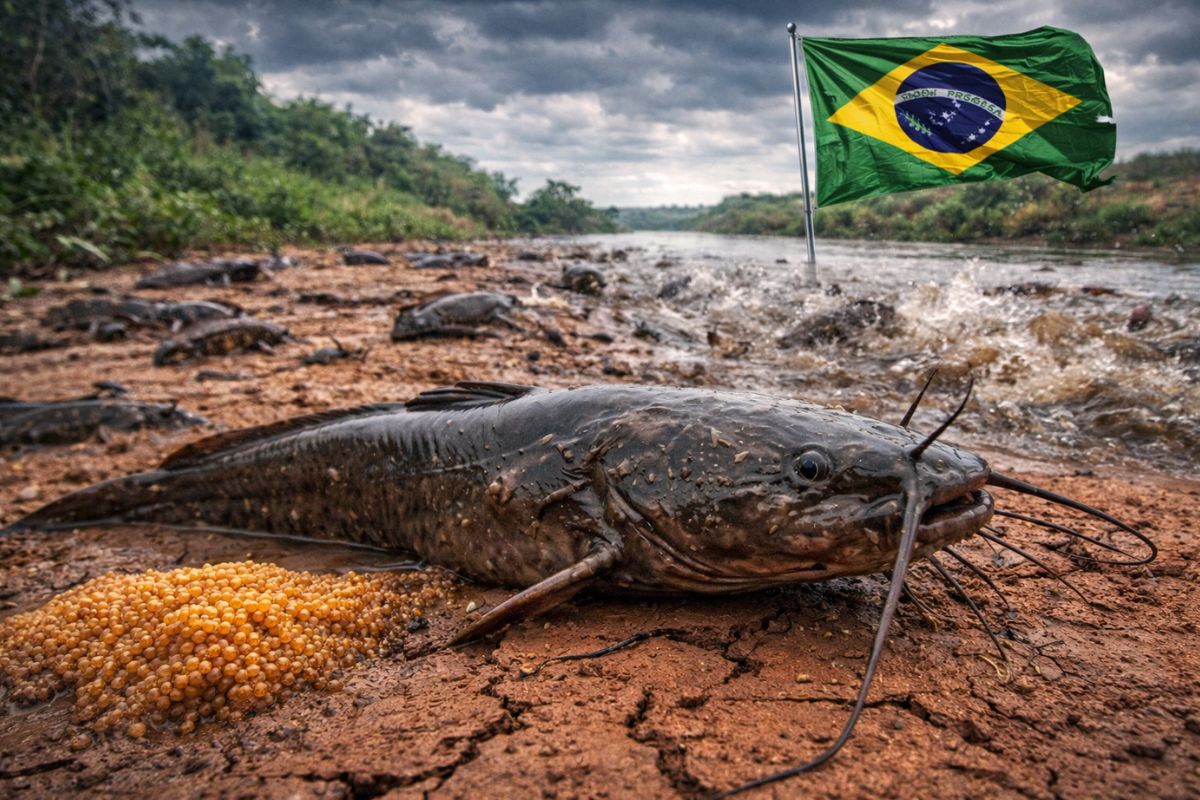
A fish that survives out of water, crawls on land until it finds another river, and whose female lays 80,000 eggs at once is infesting rivers and lakes in Brazil, and no one can stop this invasion.
-
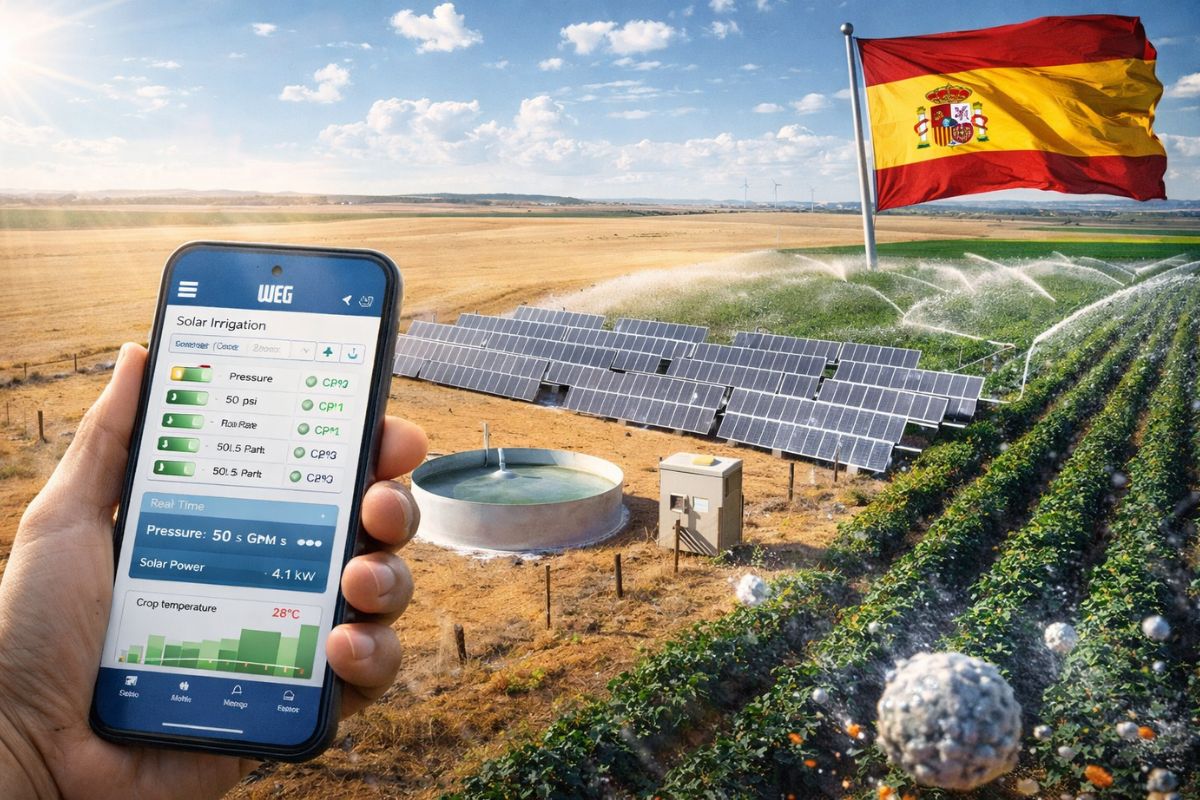
WEG took its technology to Spain to create a solar irrigation system that operates independently without needing an electrical grid, and now farmers control everything remotely via their mobile phones.
-
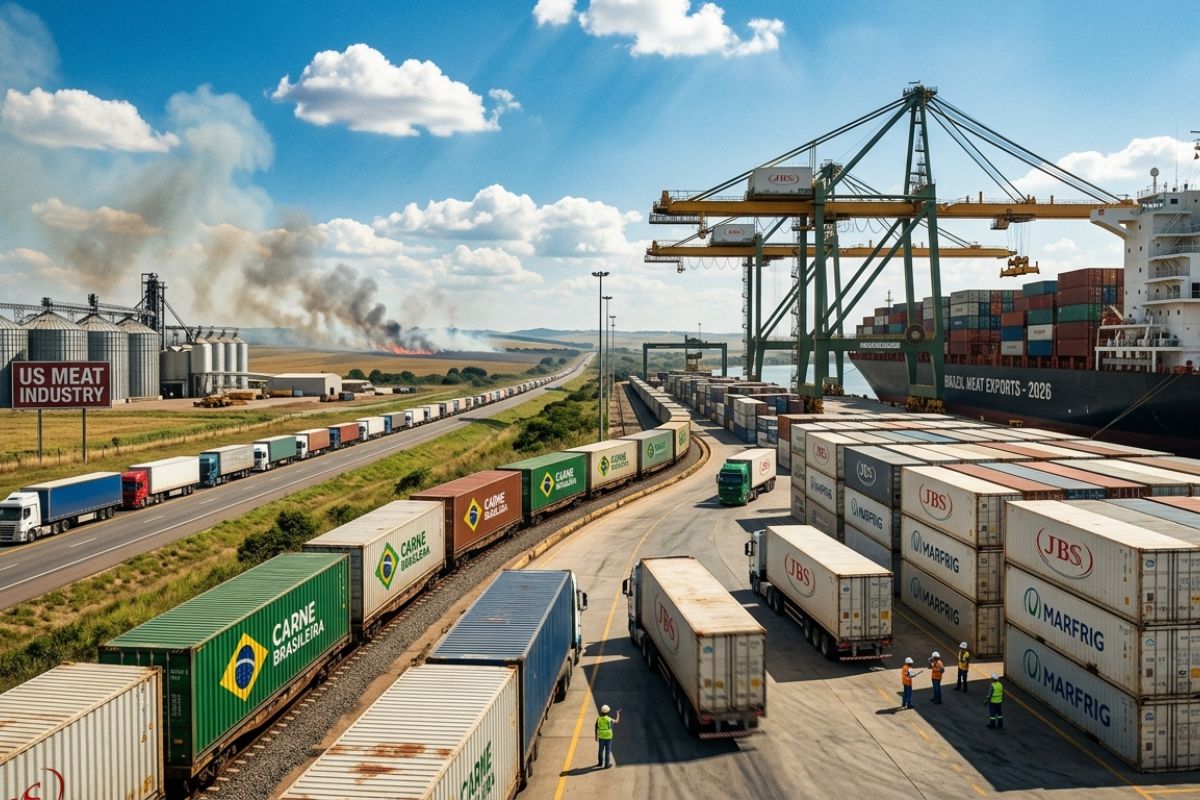
The US faces a meat crisis with fires, pests, and strikes, consumption rises and supply falls to the lowest level since 1952, creating a billion-dollar opportunity for Brazilian exports to grow in 2026.
-
China rejected an entire shipment of beef from Argentina after detecting an antibiotic so dangerous that it has been banned for human consumption for over 30 years, and now the export sector is facing a crisis of international trust.
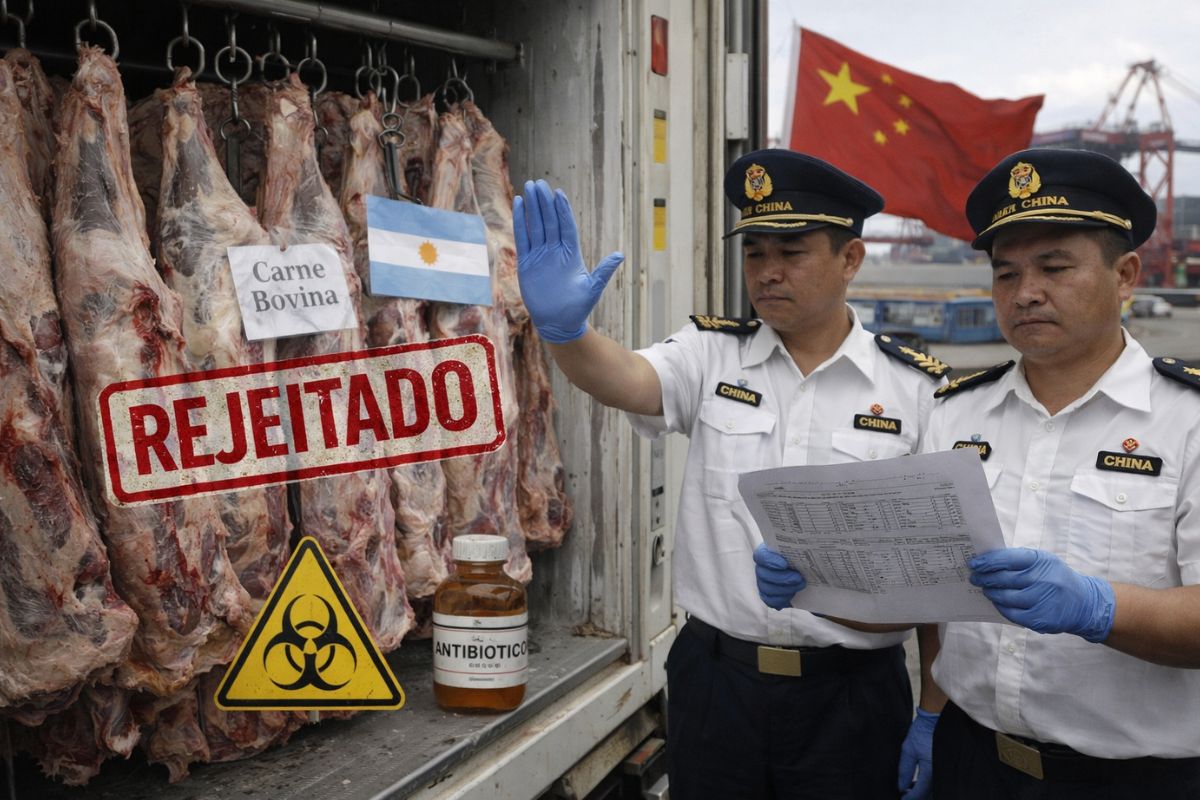

The Asian country is the main destination for Brazilian beef and accounts for a significant portion of the annual exports of the sector.
China Reinforces Inspection And Industry Alerts Suppliers
According to a statement from Minerva Foods, the Chinese customs informed the Brazilian government that it will intensify sanitary control over beef imports.
The company stressed to producers that the proper use of antiparasitics and compliance with the withdrawal period are fundamental to maintaining credibility with international buyers.
The alert follows the same line as other notices sent by meatpackers and industry associations.
Industry representatives claim that, although recent cases involve specific batches, any occurrence can generate repercussions throughout the export chain, leading to reviews of certifications and delays in shipments.
Fluazuron: The Active Ingredient In Focus
Fluazuron is a parasite growth inhibitor widely used in controlling ticks in cattle.
The product works by preventing the formation of chitin, a substance essential for the development of these parasites.
The central point of the discussion is the w idrawal period, the interval between the administration of the medicine and the animal’s slaughter.
Experts explain that this time is necessary for the organism to eliminate residues at safe levels, according to international food safety standards.
When the withdrawal period is not respected, there is a higher probability of detection of residues in laboratory tests conducted by importing countries.
According to veterinarians, factors such as dose, route of administration, and animal category can alter the time needed for complete elimination of the active ingredient, requiring extra attention from producers.
Economic Impact And Dependence On The Chinese Market
Data from the Brazilian Association of Meat Exporting Industries (Abiec) indicate that China accounts for about half of the volume and revenue of Brazilian beef exports.
Therefore, any sanitary notification related to the country tends to impact commercial confidence and logistical flows in the sector.
According to market analysts, sporadic suspensions of exporting plants usually affect slaughter scheduling, carcass disposal, and the formation of prices for cattle.
Additionally, audits imposed by importers can increase operational costs and prolong the cargo release time, reducing the competitiveness of Brazilian products.
Previous Episodes And Current Situation
In March 2025, Chinese authorities temporarily suspended imports from some meatpacking plants in supplier countries, including Brazil.
At that time, the Ministry of Agriculture did not officially confirm whether the suspensions were related to Fluazuron residues.
Industry experts claim that the episodes have reinforced the need for better control of medicines and traceability in the field.
A similar situation occurred in Uruguay, where shipments of beef were rejected or destroyed after the detection of the same substance.
According to the newspaper El Observador, the Uruguayan government, through the Ministry of Livestock, Agriculture and Fisheries (MGAP), notified producers and evaluated stricter sanctions for cases of non-compliance with withdrawal periods.
For the MGAP director, Marcelo Rodríguez, attention to management is essential to avoid similar problems.
“We cannot send for slaughter animals that are still under the effect of these substances,” he stated.
Consequences For The Brazilian Sector
Economists and technicians linked to agribusiness claim that the repetition of international notifications may lead to the imposition of new sanitary barriers.
In extreme cases, the result may be suspension of certifications and the temporary reduction of export volume.
The risk of financial loss is significant, as beef sales abroad generate over US$ 10 billion per year and support a large chain of direct and indirect jobs.
Exporting companies have reinforced internal control protocols, including additional laboratory analyses before shipment and requiring detailed records of veterinary treatments.
Producer associations have been promoting educational campaigns to disseminate best practices and provide guidance on the safe use of veterinary products.
What Experts And Authorities Are Saying
Professionals linked to the sanitary area say that the problem is technical and controllable, as long as there is adequate planning and record-keeping of applications.
According to them, maintaining complete traceability of animals and adhering to withdrawal periods are sufficient measures to ensure compliance with international standards.
Industry sources point out that coordination among meatpackers, producers, and official agencies is essential to preserve the image of Brazilian beef.
In a previous statement, Minerva Foods highlighted that “responsible use and adherence to withdrawal periods are fundamental to maintaining international trust and protecting the domestic market.”
So far, the Ministry of Agriculture and Livestock (MAPA) has not officially commented on new notifications from China.
Technicians linked to the ministry state, privately, that the matter is being monitored and that preventive actions are being taken to avoid possible embargoes.
Lessons And Next Steps For Brazil
The Uruguayan case and recent alerts reinforce, according to consultants in the field, the need to strengthen self-control mechanisms on farms and in meatpackers.
The creation of document routines, digital records, and additional certifications can help the country demonstrate sanitary compliance and reduce the risks of trade blockages.
With increased Chinese scrutiny, the Brazilian agribusiness sector must intensify good management and sanitary control practices, especially in herds intended for export.
The big question now is: Will Brazil be able to ensure traceability and compliance with the standards required by importers to avoid new embargoes?








Cadê os brasileiros **** DA CHINA A CHINA é assim escreveu não leu pq éo q ?
Queria embargo total, assim o brasileiro comeria mais carne