





 Portuguese
  English
  Spanish
  4 min of reading
  0 comments



Chinese Investments Have Redefined Essential Sectors in Brazil, Expanding the Country’s Participation in Clean Energy, Logistics, Technology and Agriculture, with Direct Impact on the Economy, Jobs and Innovation in Various Regions.
Chinese investments have been reshaping strategic sectors in Brazil, with profound impacts on the economy, job creation, and technological innovation.
According to data from the Brazil-China Business Council (CEBC), gathered by the Chinese Embassy in Brazil and updated until June 2025, the Asian country has already invested approximately US$ 66 billion — over R$ 370 billion — in Brazilian territory since 2010, consolidating itself as one of the main engines of national development in areas such as energy, infrastructure, agriculture, and technology.
These financial contributions have promoted the modernization of national logistics, strengthened the energy transition, and stimulated the advancement of the electric automotive industry.
-
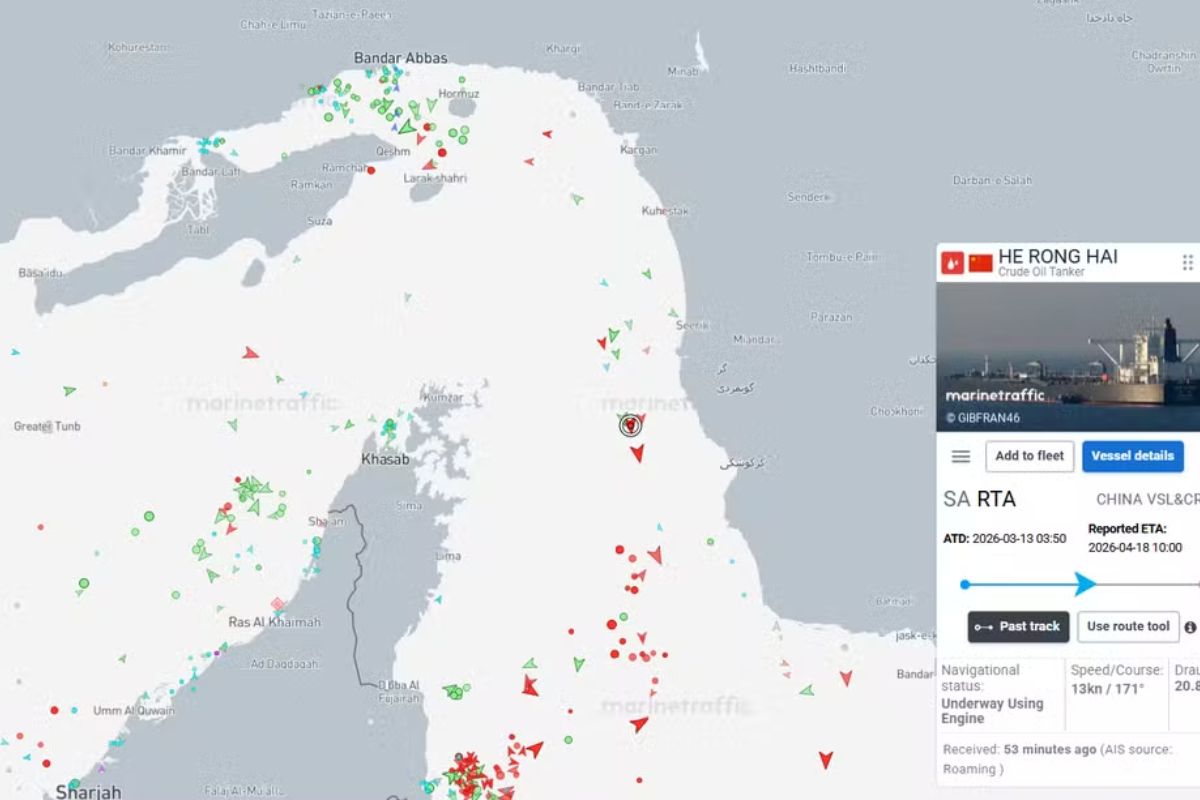
Two Chinese supertankers chartered by Asia’s largest refiner have just crossed the Strait of Hormuz and may be the first to leave the Persian Gulf since the ceasefire between the United States and Iran on a route that still has mines and uncertainties.
-
While Havan earns R$ 50 million per day throughout the year, Cacau Show managed six times more in just 24 hours, totaling half a billion reais in two days of Easter.

-
Weak dollar or strong real? The American currency plummets for the third day, approaching R$ 5 and surprising the market with global inflation and tensions in the Middle East that continue to create global uncertainty.

-
China’s investments in Brazil in factories, energy, oil, electric cars, and new industrial projects double to $4.2 billion, making the country the 3rd largest global destination for Chinese capital.

At the same time, they raise discussions on sovereignty, geopolitical influence, and Brazil’s role in global value chains.
Renewable Energy Attracts the Largest Share of Chinese Investments
The energy sector is the main destination for Chinese investments, representing almost half of the total invested in Brazil over the past 14 years.
According to a survey by CEBC, between 2007 and 2022, companies such as State Grid Corporation of China, China Three Gorges (CTG), and State Power Investment Corporation (SPIC) invested over US$ 32.5 billion in the Brazilian electric sector.
Among the most emblematic initiatives is the Belo Monte Transmission Line, a transmission line connecting the North to the Southeast of the country, providing renewable energy to over 60 million people and generating around 5,000 direct jobs during its construction.
The participation of Chinese giants has accelerated clean energy generation and distribution projects, reinforcing Brazil’s role in the transition to a less polluting and more sustainable matrix.
Logistics Infrastructure Modernized with International Capital
The Chinese presence is also significant in logistics infrastructure, essential for the flow of national production and international competitiveness.
Recent data indicate that from 2019 to 2024, approximately US$ 25 billion was invested in projects such as the Port of São Luís in Maranhão, specialized in grain and mineral exports, and the West-East Integration Railway (FIOL), which will connect the interior of Bahia to the coast, facilitating the transport of agricultural and mineral products.
The Chinese interest also includes the Ferrogrão project, planned to connect Mato Grosso to the Port of Miritituba in Pará, spanning over one thousand kilometers.
The expectation is that these works will reduce logistical costs, strengthen agriculture, and alleviate already saturated highways, as well as contribute to regional integration.
Electric Automotive Industry Receives Chinese Boost
Amid the advancement of global energy transition, Brazil is becoming a new hub for electric vehicle production thanks to Chinese capital.
In 2025, two of China’s largest automakers, BYD and Great Wall Motors (GWM), will begin manufacturing electric and hybrid cars in Camaçari (Bahia) and Iracemápolis (São Paulo).
These investments occupy former facilities of Ford and Mercedes-Benz, revitalizing industrial hubs and creating thousands of jobs.
The Chinese strategy includes the development of a national supply chain and the attraction of innovative technologies, aimed at accelerating the electrification of the Brazilian fleet and positioning the country as a leader in the sustainable mobility market in Latin America.
Experts point out that strengthening the clean vehicle industry can stimulate local suppliers and drive innovation in the automotive sector.
Brazilian Agriculture Advances with Chinese Technological Innovation
Cooperation between Brazil and China is also intensifying in the field, particularly with the introduction of advanced technologies in agriculture.
Partnerships between the National Civil Aviation Agency (ANAC) and Chinese authorities have allowed the entry of DJI drones for agricultural spraying, enhancing efficiency in crops and reducing input usage.
Additionally, initiatives involving precision agriculture, remote sensing, biotechnology, and artificial intelligence have been adopted on rural properties, promoting higher productivity and lower environmental impact.
Technical training programs, scientific exchanges, and funding for agro startups reinforce the innovation movement, indicating that the Sino-Brazilian relationship surpasses commodity trade and is moving towards integration in research and development.
Brazil and China Expand Economic and Diplomatic Ties
China is currently the largest trading partner of Brazil, accounting for almost one-third of national exports, particularly in soybeans, iron ore, and oil.
Cooperation between the countries extends to international forums, such as BRICS (a group formed by Brazil, Russia, India, China, and South Africa) and the United Nations (UN), where they maintain a joint agenda on economic and environmental issues.
The flow of investments consolidates Brazil as a strategic link between Asia and Latin America, stimulating the modernization of infrastructure and access to new technologies.
However, experts warn that attracting foreign capital must be accompanied by efficient public policies, adequate regulation, and a focus on technology transfer, valuing local labor, and respecting the environment.
Prospects for Cooperation and Future Investments
Prospects for the coming years indicate continuity and expansion of Chinese investments in sectors such as renewable energy, digital connectivity, semiconductors, smart logistics, and food security.
The new National Development Plan of China (2021-2025) encourages companies from the country to expand operations abroad, especially in emerging nations like Brazil.
The challenge for Brazil is to align external economic interests with national priorities, seeking to maximize long-term benefits.
For this, the balance between foreign investment and robust public policies will be key to ensuring sustainable growth and creating value for society.
Given this scenario, the Chinese presence is transforming Brazilian infrastructure unprecedentedly and redefining the dynamics of essential sectors.
In your opinion, do these investments represent an opportunity for the country’s development or a risk to its sovereignty? Join the discussion and share your point of view!








Seja o primeiro a reagir!