





 Portuguese
  English
  Spanish
  4 min of reading
  0 comments


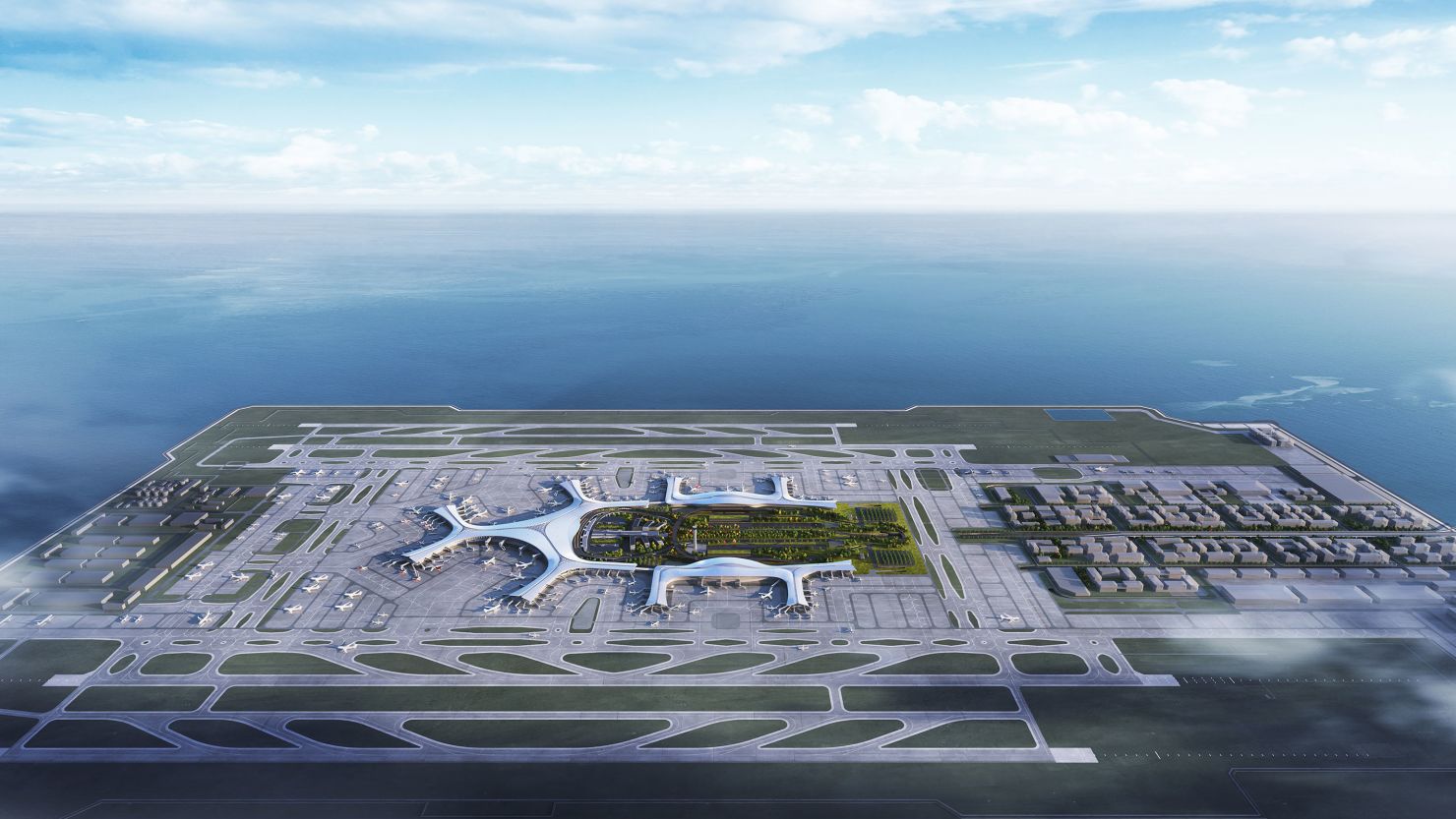
China Advances to Build the World’s Largest Artificial Airport in Dalian, with 4 Runways, a 900,000 m² Terminal, and Capacity for 80 Million Passengers/Year.
China has begun construction on one of the most ambitious engineering projects in its history: the Dalian Jinzhouwan International Airport, which is being built on a 20 km² artificial island in the north of the country. The airport, which will feature a terminal almost 1 million square meters in size, will be able to accommodate up to 80 million passengers per year and operate with four runways simultaneously — a groundbreaking achievement in global airport infrastructure. With an estimated budget of around £4 billion (or US$ 4.3 billion), the project positions itself as the largest airport built on an artificial island in the world, surpassing giants like Hong Kong Airport and Kansai Airport in Japan.
A New Milestone in Chinese Infrastructure
Located in the port city of Dalian in Liaoning Province, the new airport emerges as a response to the geographical limitations of the current terminal in the city, which operates in a mountainous area with little possibility for expansion.
By opting for construction over the sea, China aims to create a new international hub for passengers and cargo, more efficiently connecting the northeast of the country to strategic markets such as Japan, South Korea, and Southeast Asia.
-
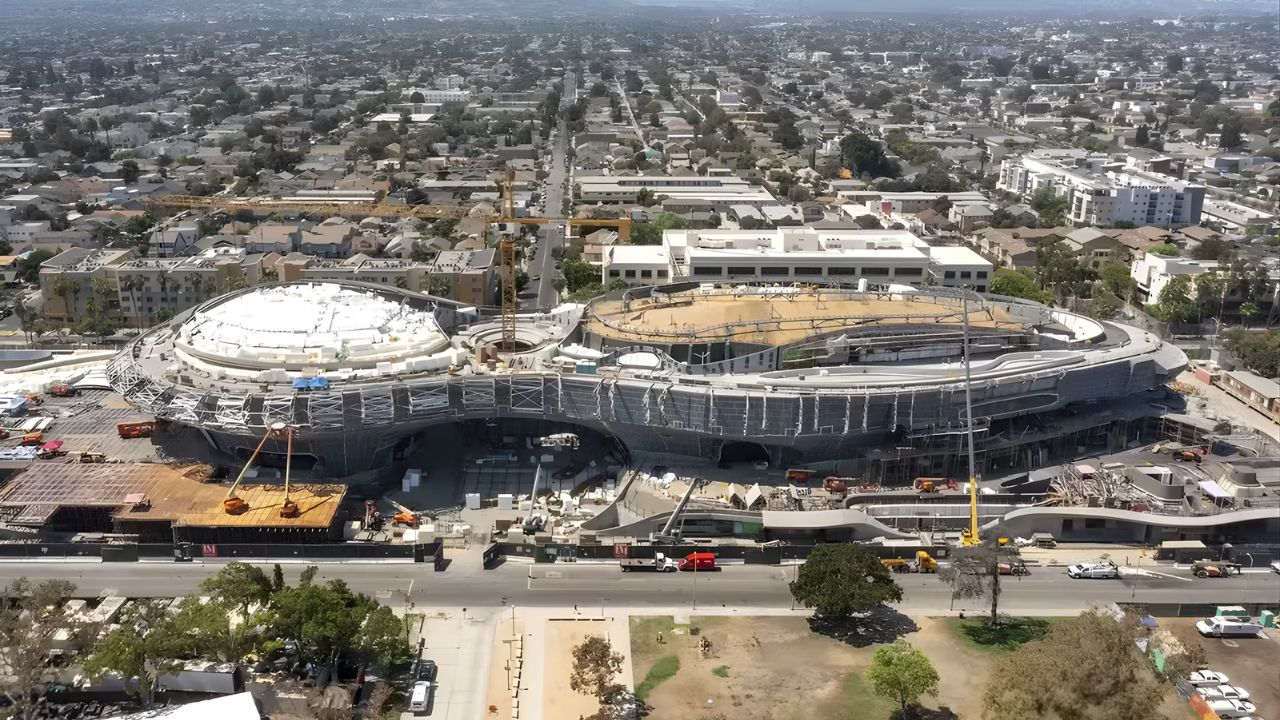
Created by George Lucas with over $1 billion, a futuristic museum in the shape of a spaceship with 1,500 curved panels is about to open in Los Angeles and will house one of the largest private collections of narrative art in the world.
-
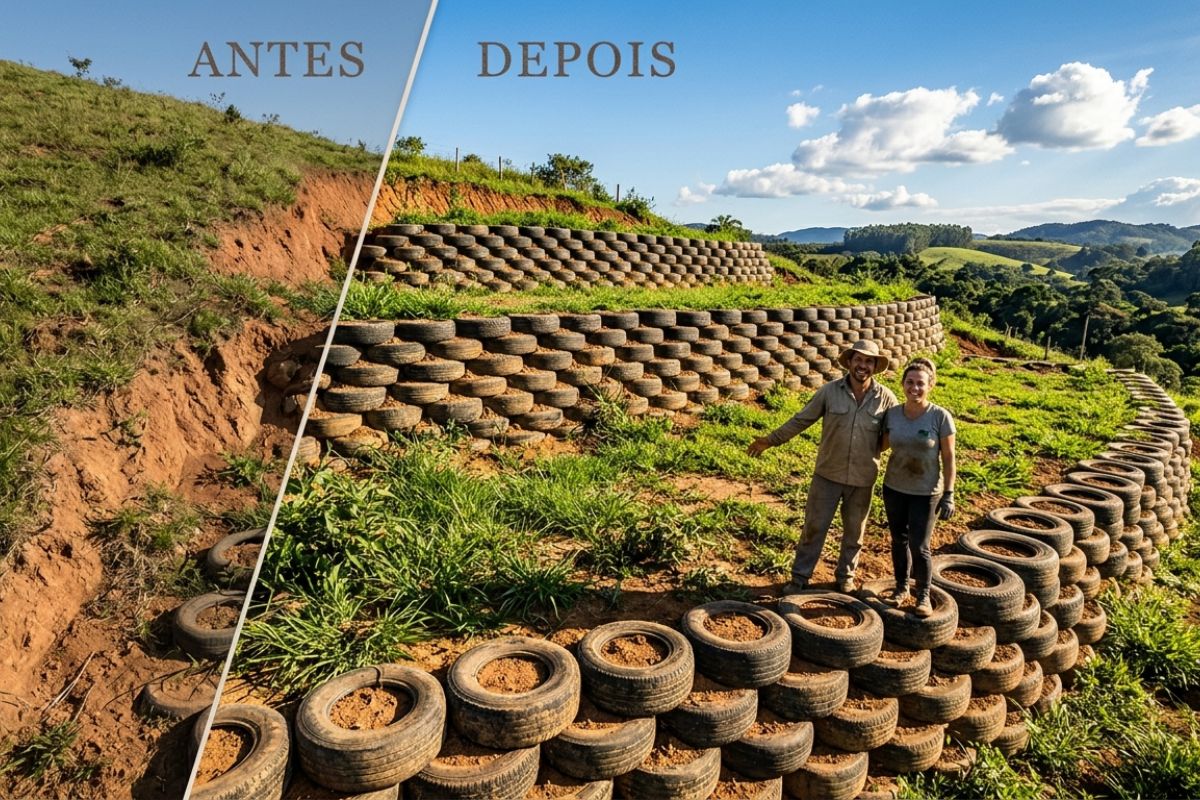
Couple shows how they built a retaining wall on their property using 400 old tires: sloped land turned into plateaus, tires are aligned, filled, and compacted with layers of soil, with grass helping in support and at almost zero cost.
-
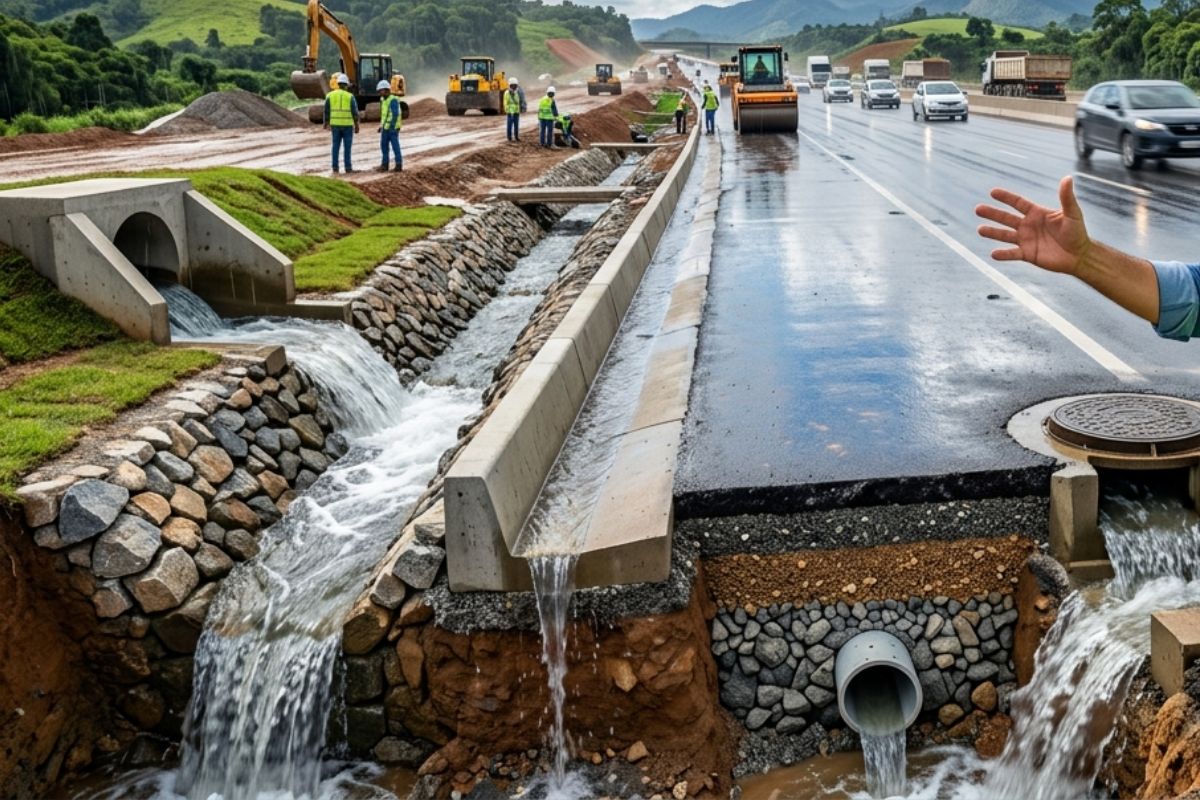
Engineer explains drainage during the rainy season: the difference between surface water and deep water, ditches, gutters, and water outlets on the road, as well as drains and drainage mattresses, to prevent erosion, aquaplaning, and flooding at the construction site today.
-
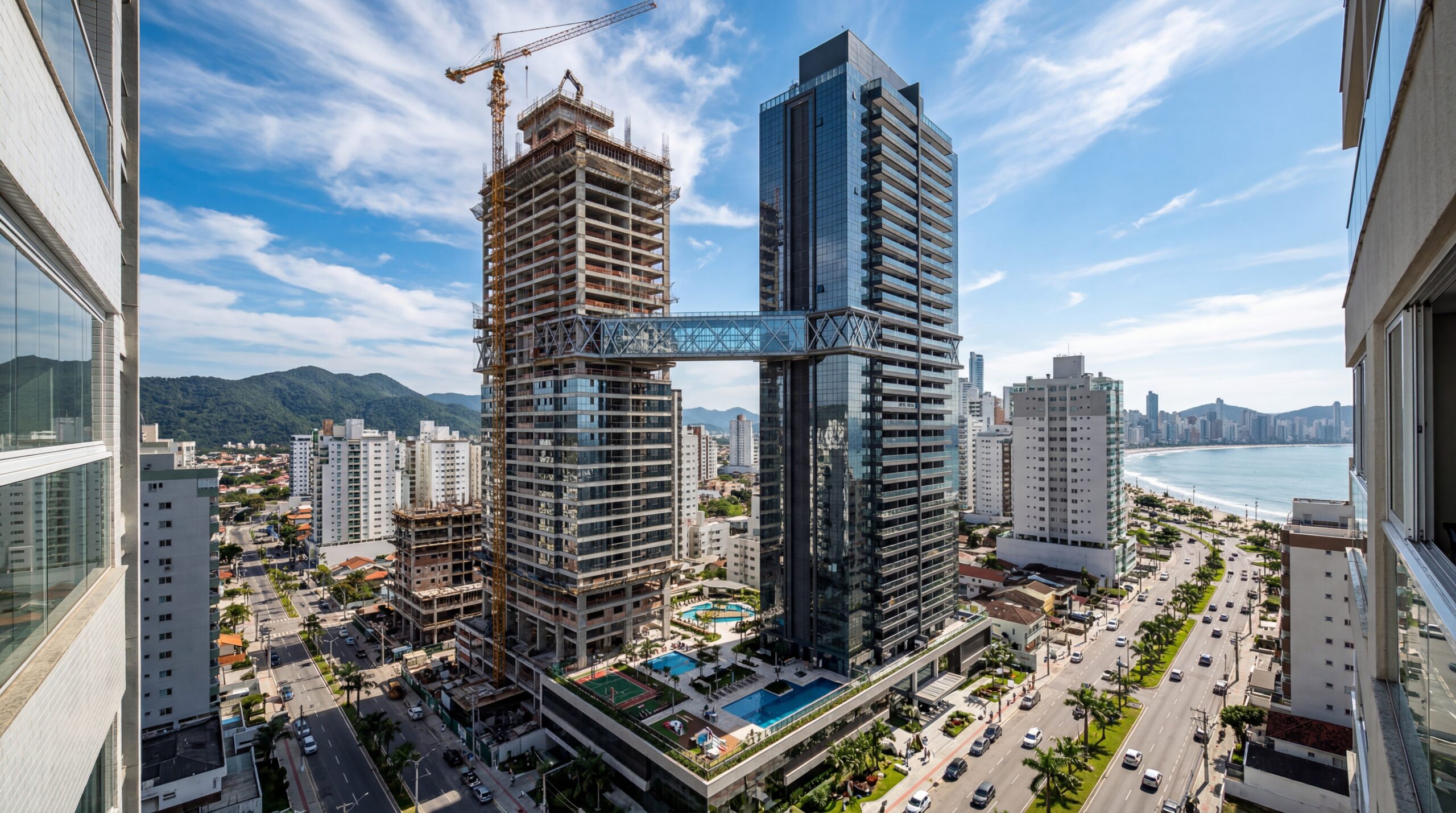
With 55 floors, 177 meters in height, a 15-meter walkway between the twin towers, ventilated facade, and 6,300 m² of leisure space, Ápice Towers already has one tower completed and another nearly at the top.

The megaproject is part of a national strategy for modernizing the air transportation system, which includes expanding the network of civil airports to over 450 units by 2035. The intention is to meet the growing demand for domestic mobility and enhance China’s prominence in global aviation.
Impressive Technical Details
The first phase of the project involves constructing two runways and a terminal with 500,000 square meters of built area, enough to receive up to 43 million passengers per year.
In the second phase, expected by 2035, the airport will be expanded to four runways and a terminal totaling 900,000 m² (equivalent to 9.69 million square feet), with a final estimated capacity of 80 million passengers/year and 1 million tons of cargo.
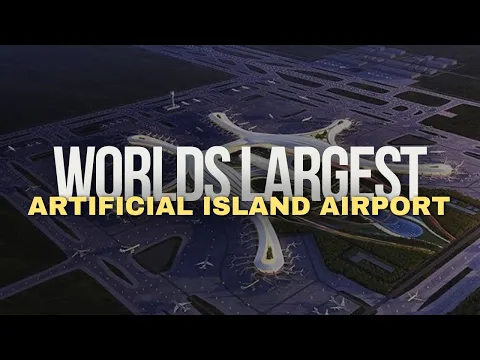

The construction also includes a state-of-the-art logistics system for quick connections with railroads, ports, and highways, along with commercial areas, hotels, and a convention center. The expectation is that the airport will become a new hub of urban and economic development for northern China.
Engineering Over the Sea: The Challenges of Building an Artificial Island
Building a structure of this magnitude over the sea requires advanced technologies and long-term planning.
The construction of the artificial island began in 2011, with the dredging and movement of millions of cubic meters of sand and rock.
The deep foundation of the main area was completed with reinforcement of 77,000 square meters of soil, one of the largest geotechnical consolidation works ever carried out in the country.
As with other island airports, the project faces challenges such as coastal erosion, structural stability, seismic safety, and salt resistance. However, the Chinese government bets on its previous experience — including the success of major projects like Hong Kong and the new Beijing Daxing Airport — to overcome these obstacles and deliver a safe and durable structure.
A Gigantic Economic Impact
In addition to the physical impact, the new airport in Dalian is expected to generate tens of thousands of direct and indirect jobs, from the construction phase to its full operation. The project should also attract investments from the logistics, hospitality, services, and tourism sectors, making the city a center for regional and international connections.
The estimate is that, with its full capacity, the airport will rank among the ten busiest in the world, rivaling giants like Atlanta, Dubai, and Beijing. This positions Dalian as a new player in the air transport axis of East Asia.
An Airport for the 21st Century
With four operational runways, a terminal of nearly 1 million square meters, and an estimated volume of 80 million passengers per year, the Dalian Jinzhouwan International Airport is not just a response to China’s internal demand. It symbolizes a new era for Asian aviation, marked by efficiency, multimodal integration, and sustainability.
In addition to advanced technologies for air traffic control, the airport will be equipped with intelligent baggage screening systems, solar panels integrated into the terminal roof, and automated solutions for cargo logistics.
Experts point out that the model adopted in building the new airport can serve as a reference for other coastal regions of the world, where space scarcity requires innovative and bold solutions — especially in countries with high population and urban growth.
The new airport in Dalian is more than a mega-project: it is a symbol of China’s ambition to lead advancements in global infrastructure. With billion-dollar investments, long-term planning, and cutting-edge engineering, the country shows that it is willing to break boundaries to create efficient, sustainable, and integrated hubs.
If the timeline is met, the city of Dalian will appear on the global commercial aviation map, alongside metropolises like Dubai, London, New York, and Shanghai. And most impressively: all of this built, literally, from scratch — over the waters of the sea.







Seja o primeiro a reagir!