





 Portuguese
  English
  Spanish
  3 min of reading
  0 comments


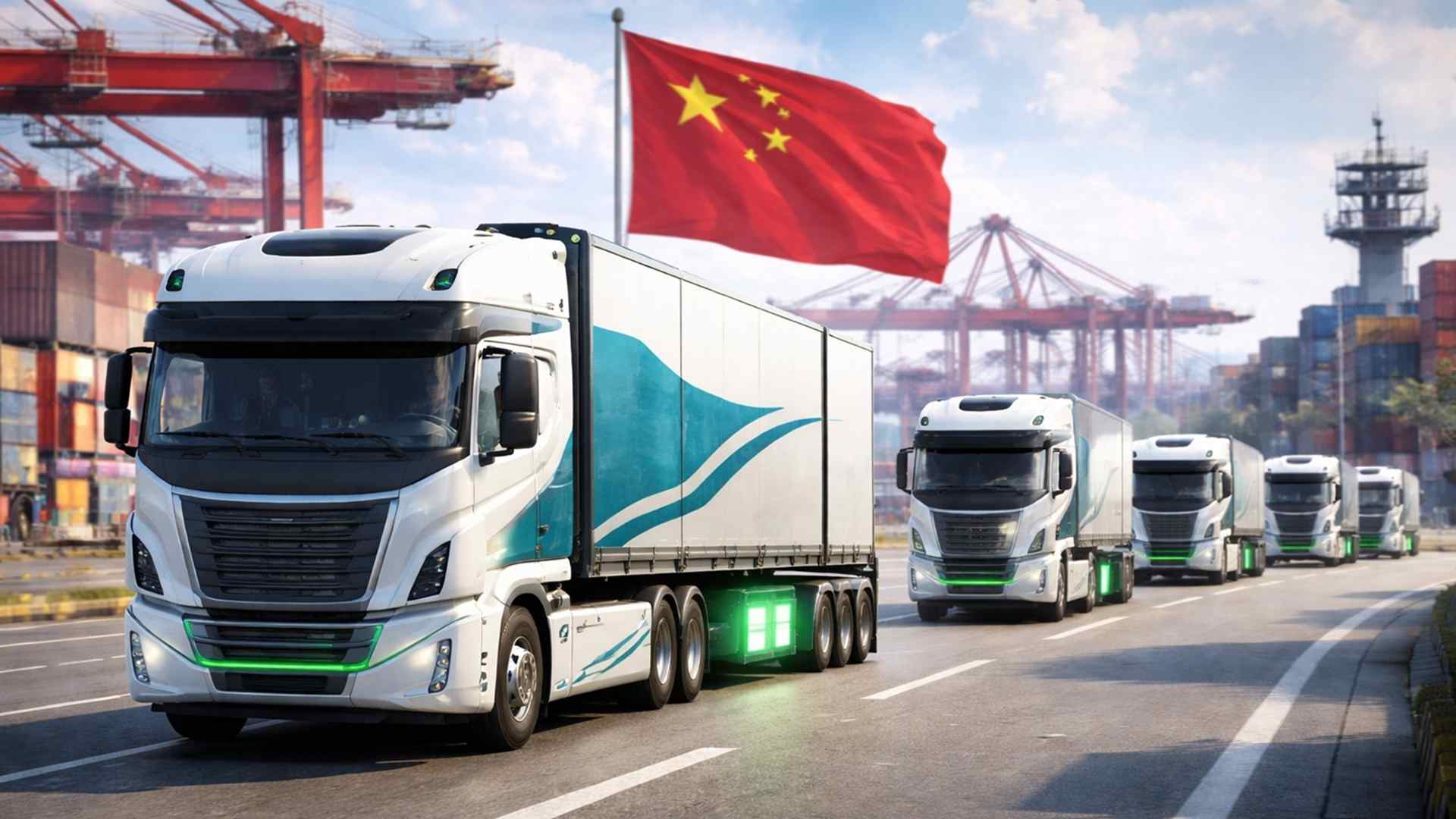
The Initiative Led By Chinese Companies Signals The Transition Of Heavy Transport To Electric And Autonomous Systems On A Large Scale, Combining Batteries Over 400 kWh, Smart Convoys With Up To Five Vehicles And Proven Reduction Of Logistics Costs And Annual Carbon Emissions In Port And Industrial Operations.
China has begun preparations to produce electric autonomous heavy-duty trucks with batteries greater than 400 kWh, capable of operating in a smart 1+4 convoy, reducing logistics costs by 29% and emissions by up to 60 tons of CO₂ per vehicle per year.
Large-Scale Production And Start Of Commercial Operation
The SANY Group has confirmed that its fourth-generation autonomous truck for heavy loads is ready to move out of the prototype phase and into large-scale production. The first units are expected to commence commercial operations next year.
The project was developed in partnership with Pony.ai and is part of the Chinese strategy to expand a more digital, automated cargo transport system with a lower carbon footprint. The initial focus is on controlled environments such as ports and logistics centers.
-
With a 1.0 engine producing 75 hp and costing less than R$ 70,000, Fiat’s car returns to the podium as the cheapest in the country; a temporary promotion for the 2026 Like version reduces the price of the Fiat Mobi.
-
With a mild hybrid system of 48 V, 176 hp and a price of R$ 175,990 in the Sahara version, the new Jeep Renegade changes mostly on the inside, improves slightly in fuel consumption, and remains almost the same car.
-
With a 293.5 cm³ engine and a range of up to 400 km with a 14.1-liter tank, the Honda CB 300F Twister 2026 has up to 24.7 hp, an initial price of R$ 25,150, and already exceeds R$ 29,000 in the Fipe Table.
-
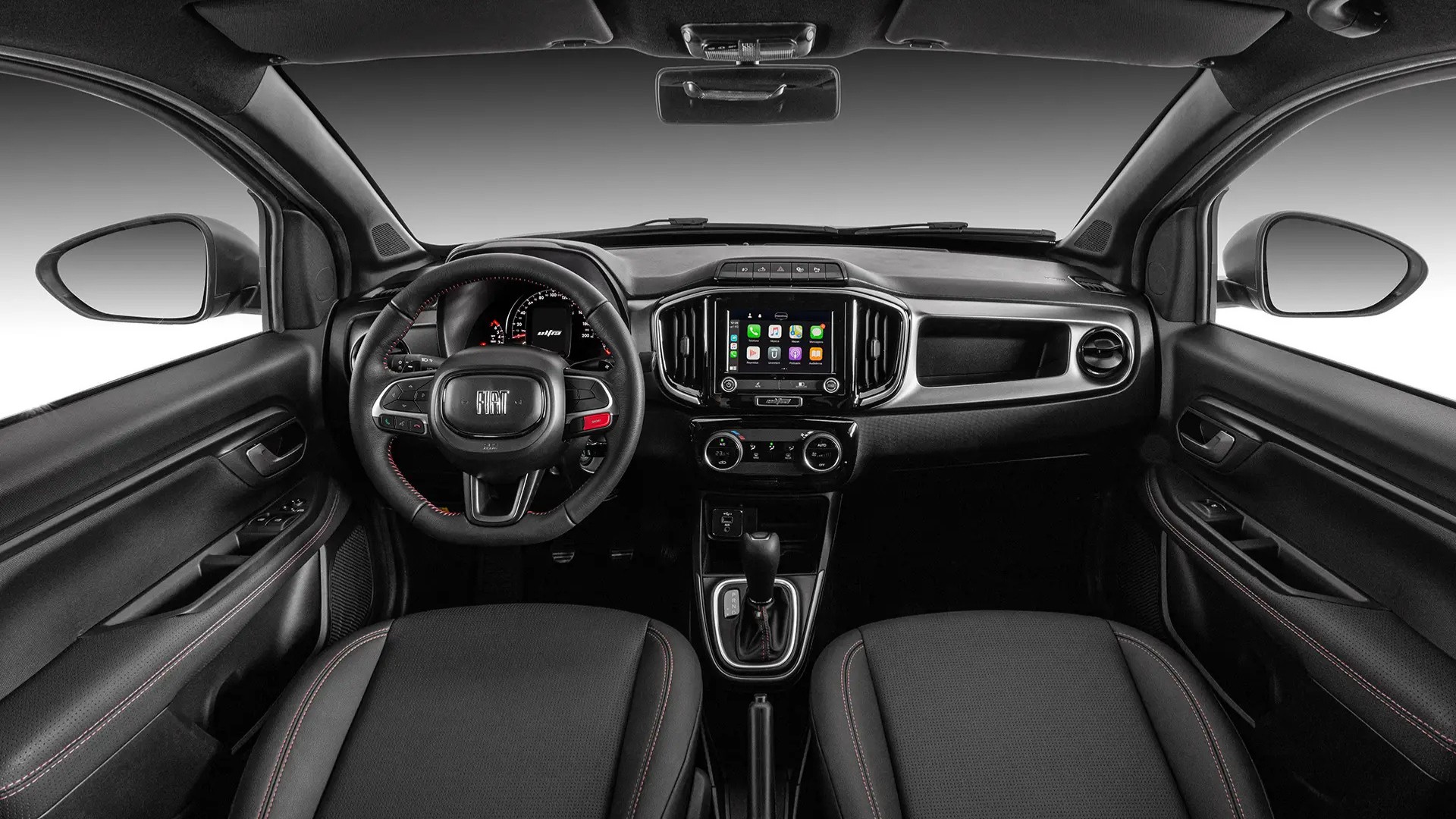
With a 1.3 engine, nearly 700 km of range, and Turbo 200, the Fiat model surpasses Polo, Tera HB20, and Onix, becoming the best-selling car in March; see the numbers for the Fiat Strada and others.

The initiative marks a significant shift in a sector traditionally associated with diesel, noise, and constant emissions. The proposal is not limited to automating driving but involves reorganizing logistics operations in industrial and semi-public areas.
High-Capacity Battery And Direct Environmental Impact
The new truck incorporates a battery with a capacity of over 400 kWh, positioning the model among the highest energy storage vehicles in electric heavy transport. This configuration is designed for repetitive routes and high energy demand operations.
According to company estimates, each unit can reduce around 60 tons of carbon emissions per year when compared to conventional trucks. The impact is more evident in port terminals and logistics platforms, where the operational cycle is continuous.
In addition to the direct reduction of emissions, electrification eliminates local emissions during operation, contributing to cleaner workplaces and aligning with decarbonization goals of the heavy transport sector.
Redundant Architecture And Operational Safety
The technical project prioritizes safety with a fully redundant chassis and drive-by-wire electronic steering control. Steering, braking, power supply, communication, computing, and sensor systems operate with independent backups.
This architecture allows another system to take control in the event of a subsystem failure without compromising operation. The goal is to ensure continuous operation in real industrial environments, going beyond testing on controlled tracks.
The truck has undergone electromagnetic compatibility testing and extreme temperature resistance, critical factors for electric fleets that coexist with heavy machinery, 5G networks, and varying weather conditions. Safety was incorporated from the outset of the project.
Smart Convoy 1+4 And Cost Reduction
One of the key differentiators is the autonomous 1+4 convoy system. A truck at the front is driven by a driver, followed by up to four unmanned vehicles, operating in a synchronized and wireless manner.
This configuration reduces transportation costs per kilometer by approximately 29%, while also increasing operational efficiency. Fewer professionals are exposed to repetitive tasks, while more cargo is moved with less energy consumption.
The model is designed for closed and semi-public environments, such as ports and industrial parks, where route predictability favors automation and standardization of logistics flows, maintaining the system’s profitability.
Digital Integration And Testing In Real Scenarios
Zhou Wanchun, vice president of the SANY Group and general manager of marketing for SANY Heavy Truck, emphasized that the project is aligned with the company’s digitalization and decarbonization strategy, integrating robust industrial hardware and artificial intelligence software.
Since 2022, the partnership with Pony.ai has enabled one of the first integrated systems of 5G, autonomous driving, and electrification for heavy trucks. This combination improves communication between vehicles and control centers.
The collaboration with operators such as Sinotrans has allowed testing the model in real conditions, applying the Vehicle + Technology + Scenario approach. The technology is adjusted to the flows, operational times, and energy needs of each environment.
This strategy transforms ports and logistics centers into operational laboratories for the heavy transport of the future, consolidating China’s position as a reference in zero direct emissions and highly automated cargo vehicles.









-

-

-

-

-

22 pessoas reagiram a isso.