





 Portuguese
  English
  Spanish
  5 min of reading
  1 comment


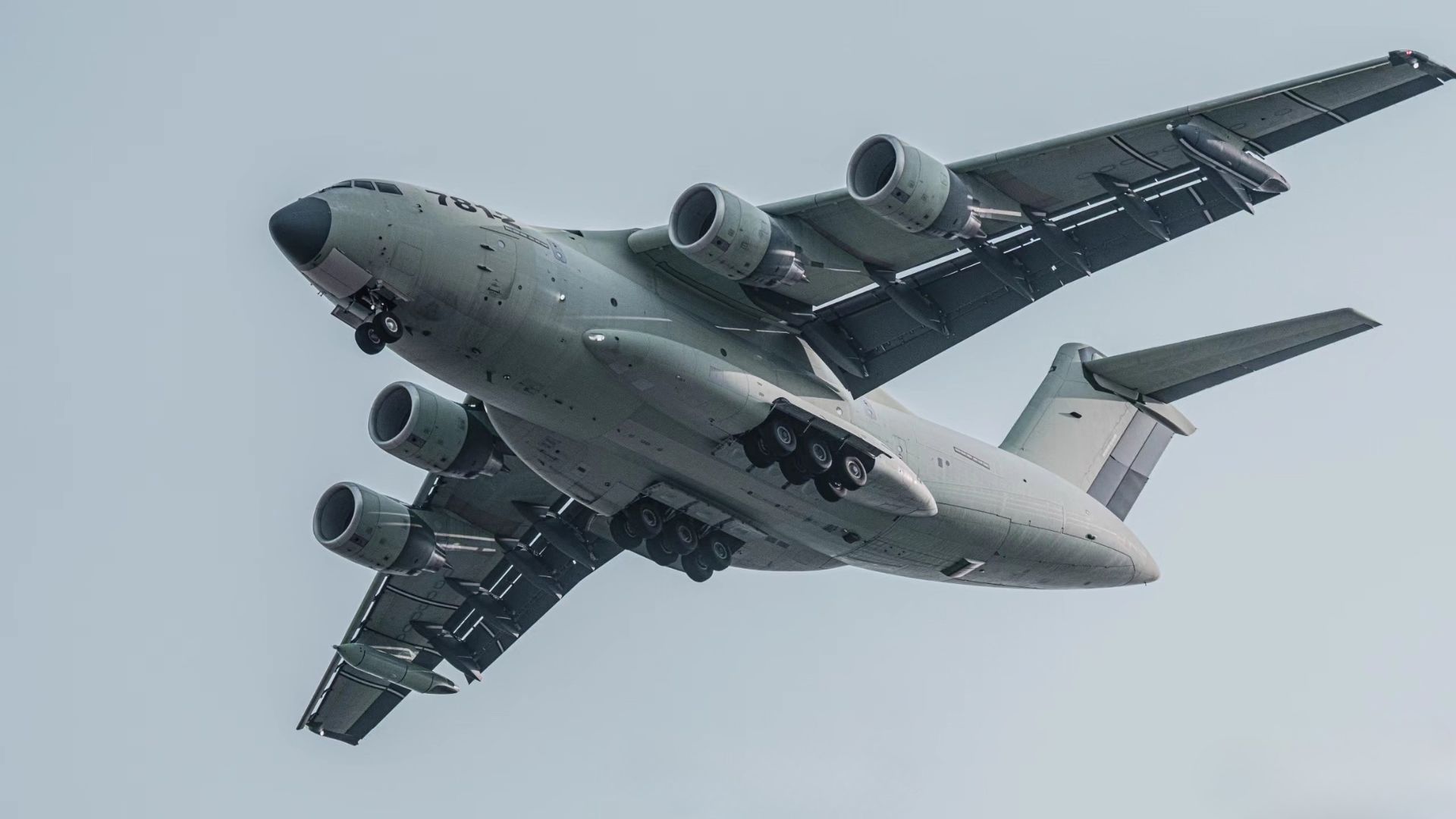


Public Display Of New Variant Of Largest Chinese Freighter Highlights Engine Swap And Focus On Efficiency, With Signs Of Industrial Advancement And Direct Impact On Long-Range Military Logistics By Associating High-Bypass National Propulsion With Greater Operational Range, Cargo Capacity, And Strategic Employment Flexibility.
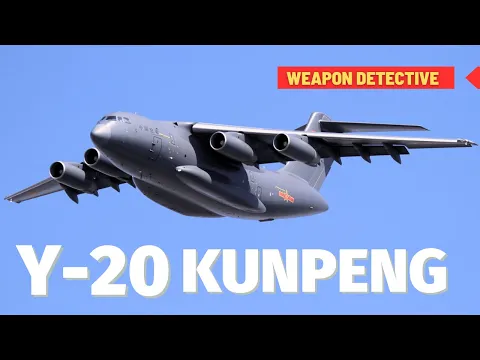
China has showcased a new version of its main strategic freighter by taking to the air the Y-20B, a re-engineered variant of the heavy transport aircraft that is part of the Y-20 family.
The presence of the model in a military parade in the Chinese capital was treated as a public demonstration of a significant change: the adoption of a new propulsion system associated with domestically designed engines, in a segment where reliance on external suppliers has always been a sensitive point for aviation programs.
According to a report by China Daily, the Y-20B features a distinctive propulsion system that “appears” to consist of four high-bypass turbofans designed by Chinese engineers.
-
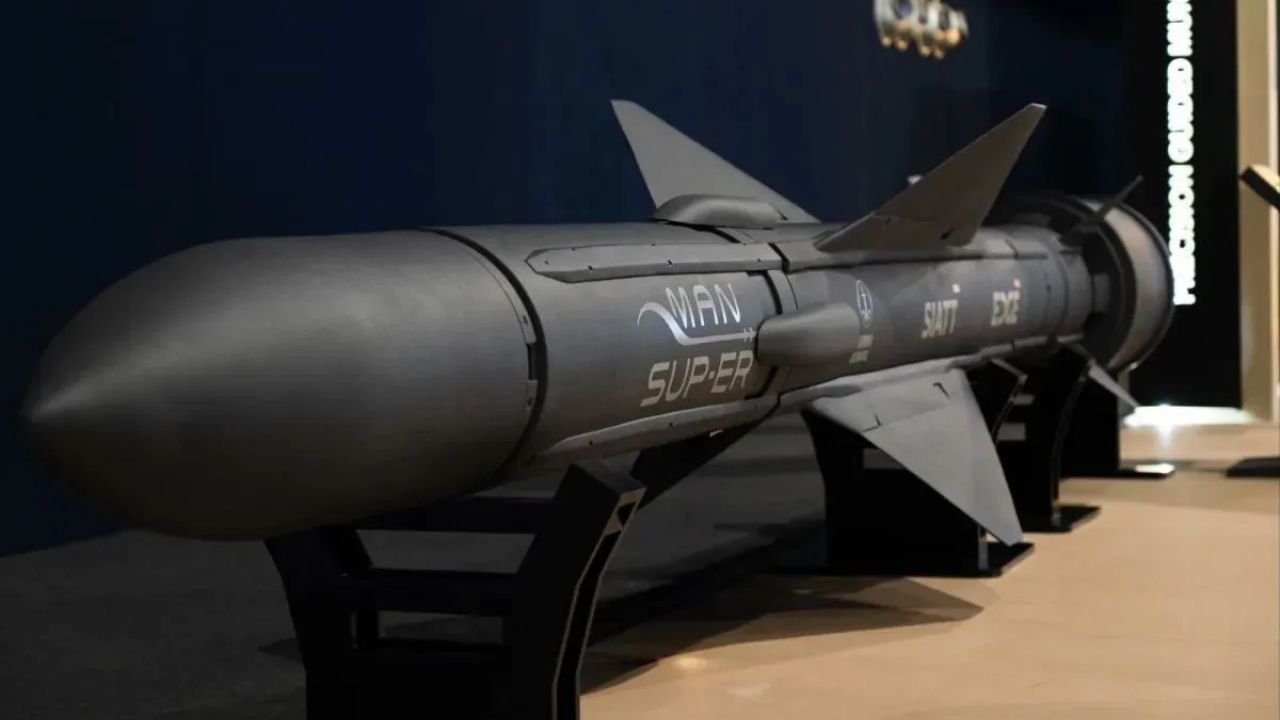
Brazil accelerates the evolution of the MANSUP missile, designing an air-surface version with a range exceeding 200 km, advanced guidance, and precision strike capability against land and naval targets, paving the way for a new generation of national armaments with global potential.
-
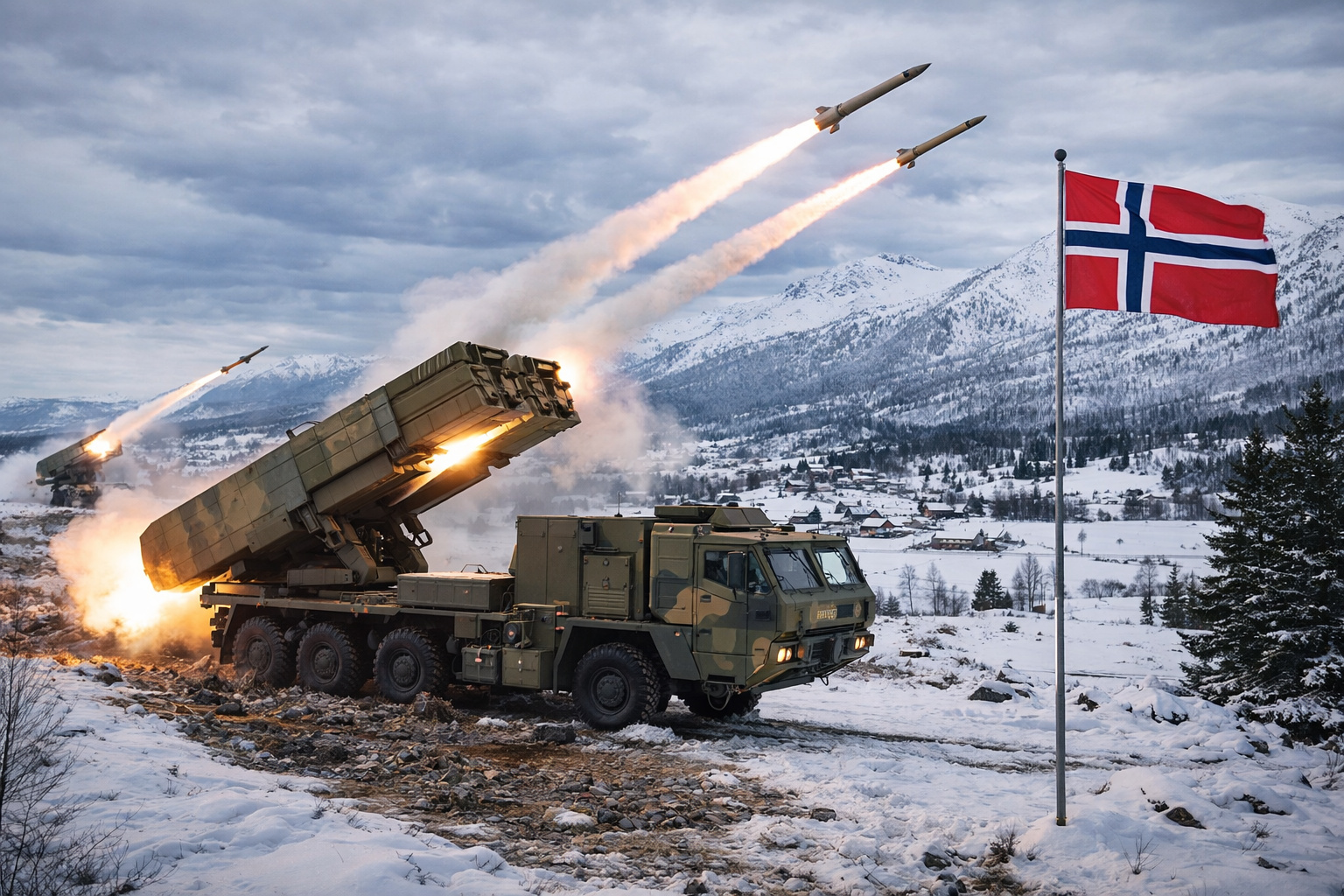
South Korea signs a $922 million deal with Norway, bringing Chunmoo launchers capable of firing guided missiles up to 290 km with an accuracy of 15 meters to Europe and turning the system into a key component of the new global race for precision artillery.
-
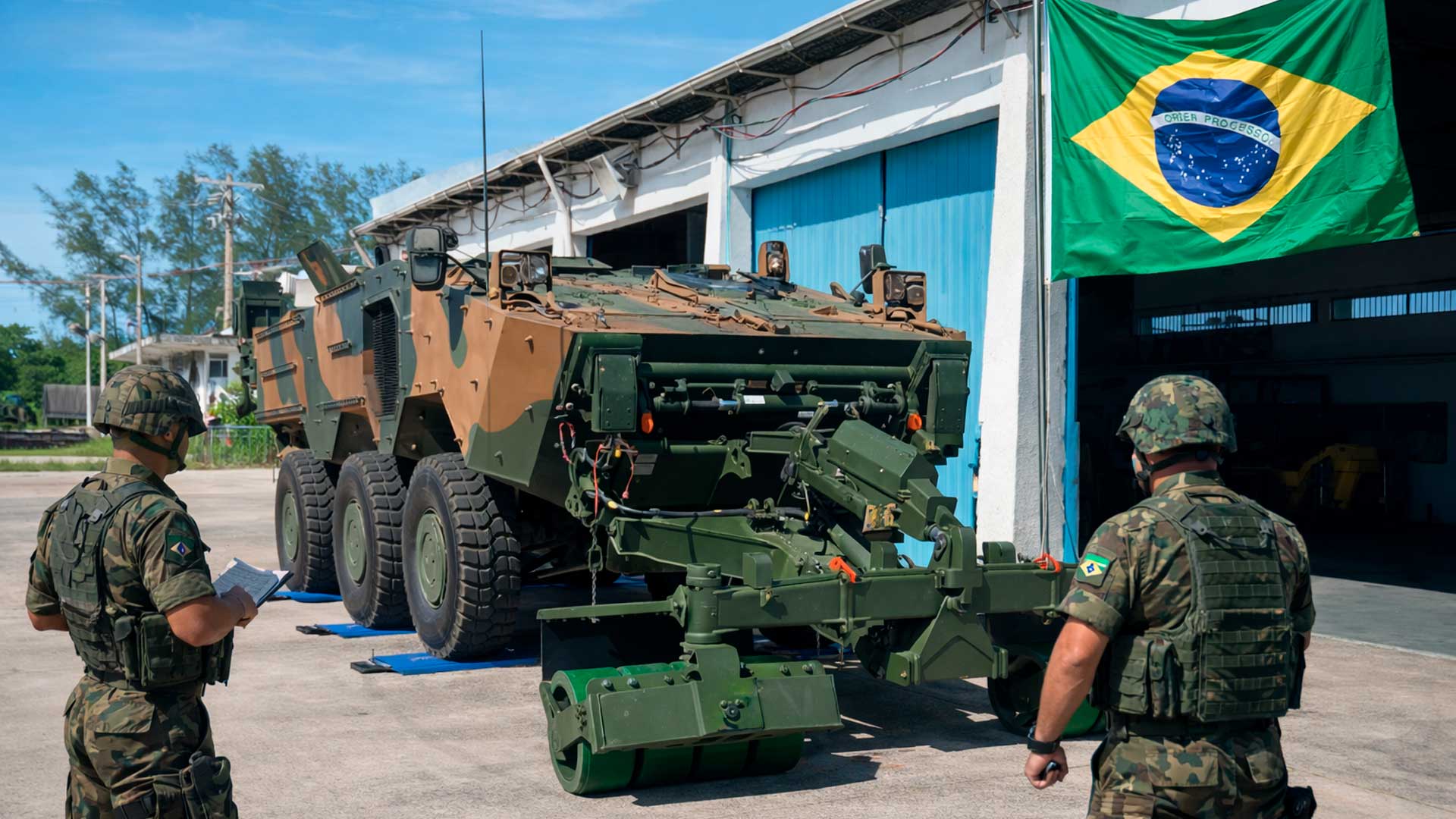
Brazil advances with decisive tests until June, the 6×6 Guarani armored vehicle with engineering equipment enters the most important phase and can enhance the operational capability of the Army.
-
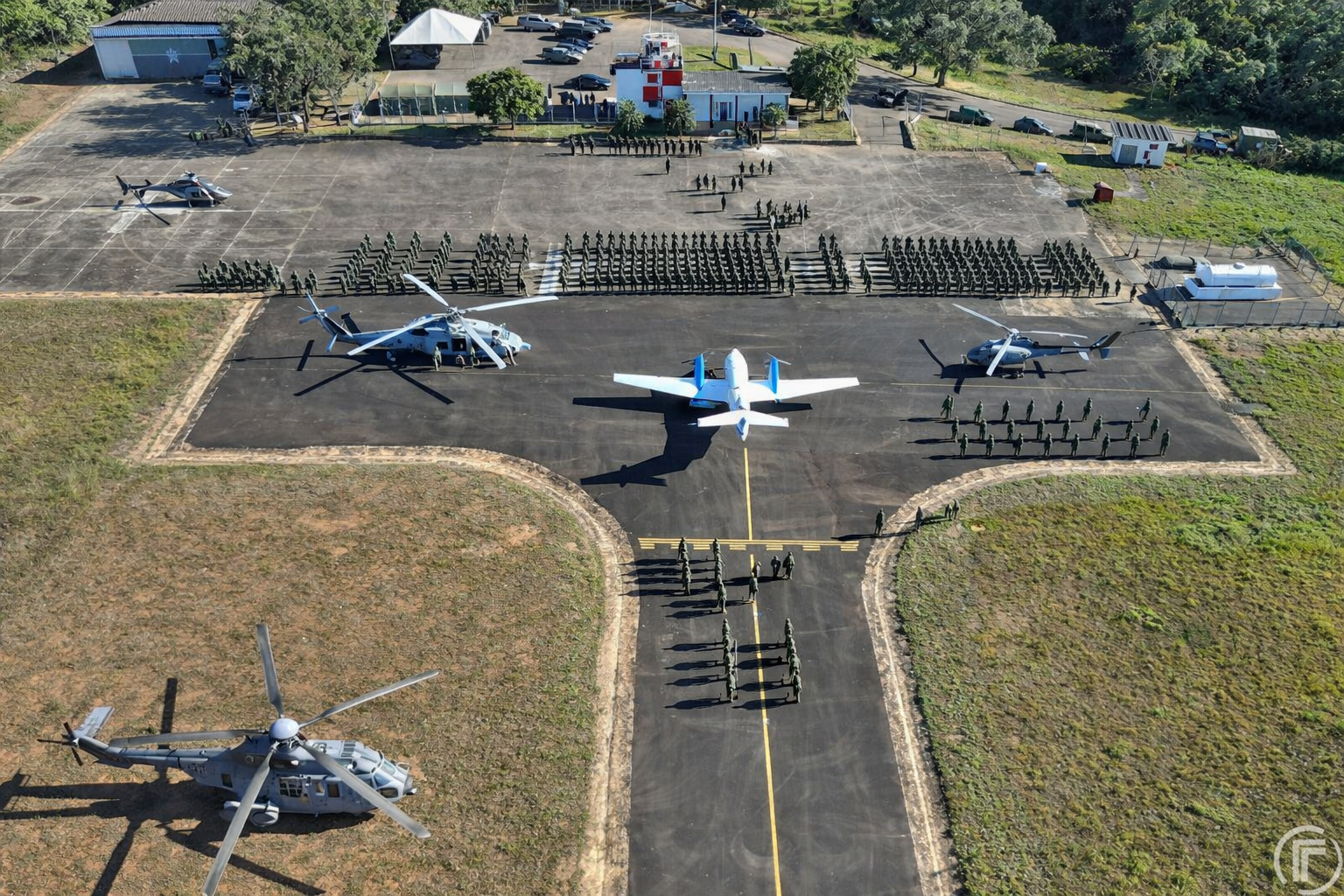
Furnas Airport is handed over to the Navy and becomes a strategic base with complete military operations, attack drones, and international mobilization at Furnas Lake.

The same publication states that the baseline configuration of the Y-20 uses four Russian engines, reinforcing the intended contrast with the version displayed in the parade and helping to explain why the engine swap has become the central element of the narrative surrounding the Y-20B.
Reengineering Of Propulsion System And System Integration
In practice, the reengineering of a large aircraft involves adjustments that go beyond simply replacing one component with another.

The propulsion system needs to operate integrated with controls, sensors, and performance parameters that influence consumption, range, takeoff capacity, and load limits, as well as affect maintenance routines and the aircraft’s lifecycle.
For this reason, when a re-engineered version appears at an official event and in flight, the information goes from being just an ongoing project to taking on the contours of an operational stage or, at the very least, advanced maturity.
High-Bypass Engines, Consumption And Operational Range
China Daily also recorded an assessment attributed to Wang Yanan, the editor-in-chief of Aerospace Knowledge magazine, stating that the new domestically built engine features stronger thrust and lower fuel consumption.
According to him, this combination allows the Y-20B to fly farther and carry more cargo, enhancing the freighter’s utility in strategic transport missions.
The report associates the change with direct gains in range and payload, two indicators that often determine the military value of aircraft of this type.
Strategic Freighter And The Role Of Y-20 In Air Mobility
The Y-20 is described as a strategic transport aircraft, a category that encompasses large-scale air mobility missions such as troop deployment, delivery of heavy equipment, logistical support, and transportation of materials over long distances.

In this role, small efficiency gains can result in greater route flexibility, fewer stops, and increased capacity to maintain supply operations regularly, especially when the aircraft is part of a fleet planned to operate in different regions of the country and in international movements.
Evolution Of Y-20 Program And Publicly Cited Milestones
The China Daily report situated the Y-20 program by recalling that the baseline configuration made its maiden flight in January 2013 and that deliveries to the Chinese Air Force began in July 2016.
By placing these milestones in the context of the Y-20B, the text indicates a gradual evolutionary trajectory of the project, with the re-engineered version representing a phase in which the already consolidated platform begins to receive more impactful structural changes focused on performance and logistical sustainability in the long term.
Aerospace Industry And The Strategic Importance Of Engines
Aerospace engines are among the most complex and strategic components of any aerospace industry because they encompass technologies related to materials, internal aerodynamics, combustion, digital control, and precision manufacturing.

When a country publicly showcases a large freighter with domestic high-bypass engines, the gesture is often interpreted as a signal of consolidation of industrial capabilities that extend beyond the aircraft itself, reaching the supply chain, workforce qualifications, and production capacity for serial manufacturing.
In the specific case of high-bypass, the term refers to the architecture of turbofans that emphasizes a large volume of air moved by the fan, a characteristic generally associated with better fuel efficiency in certain operating ranges and the ability to sustain high thrust with a more favorable consumption profile.
Even without delving into numbers, this logic helps to understand why the Chinese press and sector observers link the re-engineered version to greater range and higher payload capacity, as autonomy and useful load depend on the relationships between thrust, consumption, and total weight transported.
Why The Appearance In Parade Matters In Official Communication
The very environment of the parade contributes to reinforcing the message behind the change.
Military parades are often used to showcase equipment in service and newly incorporated versions, with an emphasis on public visibility and standardization of institutional communication.
By putting the Y-20B in the air in that context, the Chinese Air Force signaled that the variant is already relevant enough to integrate an official presentation, rather than remaining restricted to sporadic test images and unconfirmed appearances.
Long-Range Logistics As A Strategic Asset

The display of the Y-20B also draws attention for occurring at a time when global military aviation is placing increasing weight on long-range logistics, a topic that has become as strategic as the presence of fighters or air defense systems.
Heavy freighters are operational infrastructure pieces: they transport supplies, connect bases, sustain movements, and enhance response capacity in various scenarios, including humanitarian and evacuation operations when triggered by governments and armed forces.
What the Y-20B reveals about the future of Chinese air mobility will depend, in practice, on the pace of incorporating the re-engineered version and how it will be employed in real missions, but the message conveyed by the public display is clear: propulsion has become a priority to enhance the range and payload of the country’s largest strategic freighter.
To what extent can the adoption of domestic high-bypass engines redefine China’s strategic transport capabilities in long-distance operations?









A China sabe que não pode confiar na Rússia, como fornecedor de peças para suas forças armadas.