





 Portuguese
  English
  Spanish
  6 min of reading
  0 comments


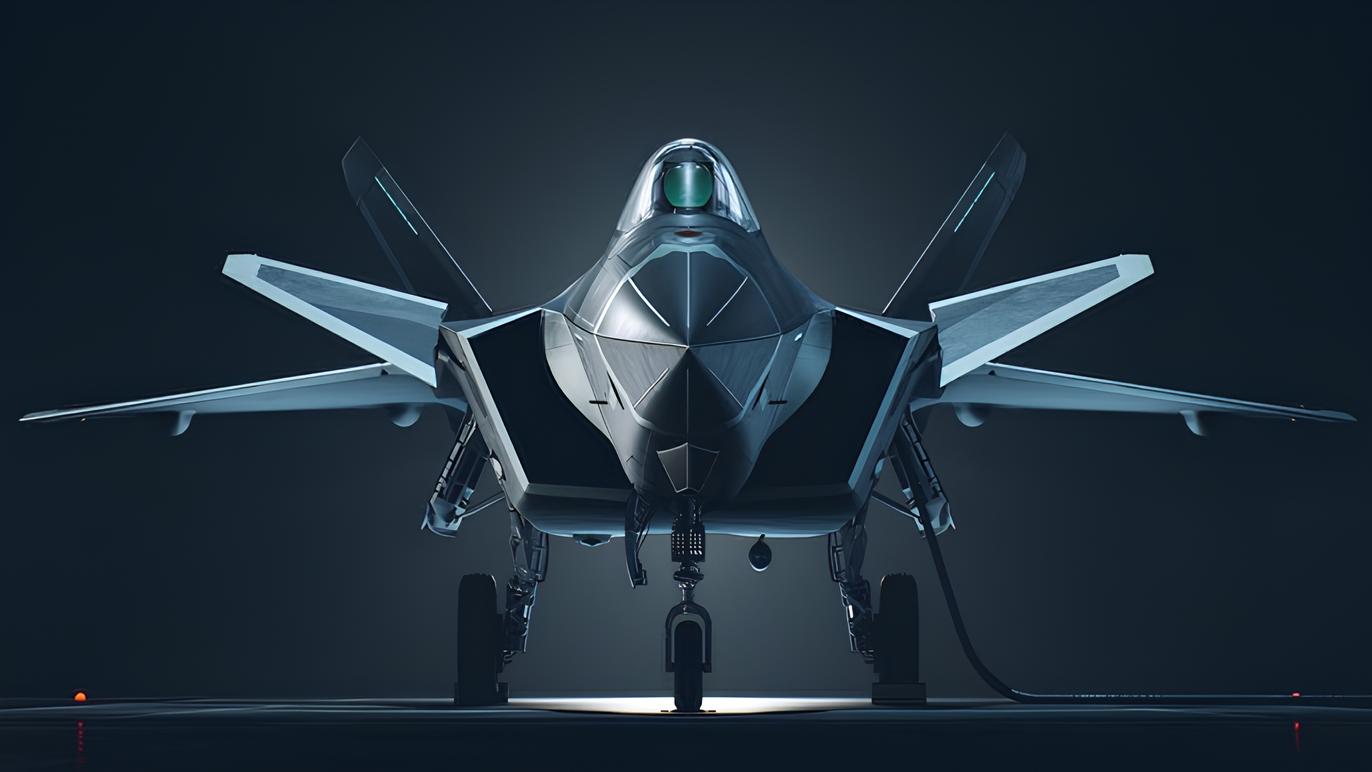
China Surpasses 200 Units of Stealth Fighter J-20 in Less Than 10 Years, Accelerates Production and Integrates Long-Range Missiles That Expand Aerial Power in the Indo-Pacific.
China has surpassed the mark of 200 operational units of the Chengdu J-20 stealth fighter, establishing the aircraft as the main vector of aerial superiority for the People’s Liberation Army Air Force (PLAAF). Developed by Chengdu Aerospace Corporation, the J-20 was officially put into service in 2017 and, in less than a decade, has become the fastest-growing fifth-generation fighter program outside the United States.
The expansion of the fleet is not merely symbolic. It represents industrial maturity, technological consolidation, and a structural shift in the regional aerial balance, especially in the context of the Indo-Pacific. International defense analysts indicate that the annual production rate exceeds dozens of units per year, placing the Chinese fifth-generation stock on a trajectory comparable to, and possibly exceeding in total numbers, the American F-22 Raptor, whose production was halted in 2011 after 187 aircraft were delivered.
More than quantity, what stands out is the incremental evolution of the design, which has incorporated new engines, avionics improvements, expanded sensor integration, and long-range armaments.
-
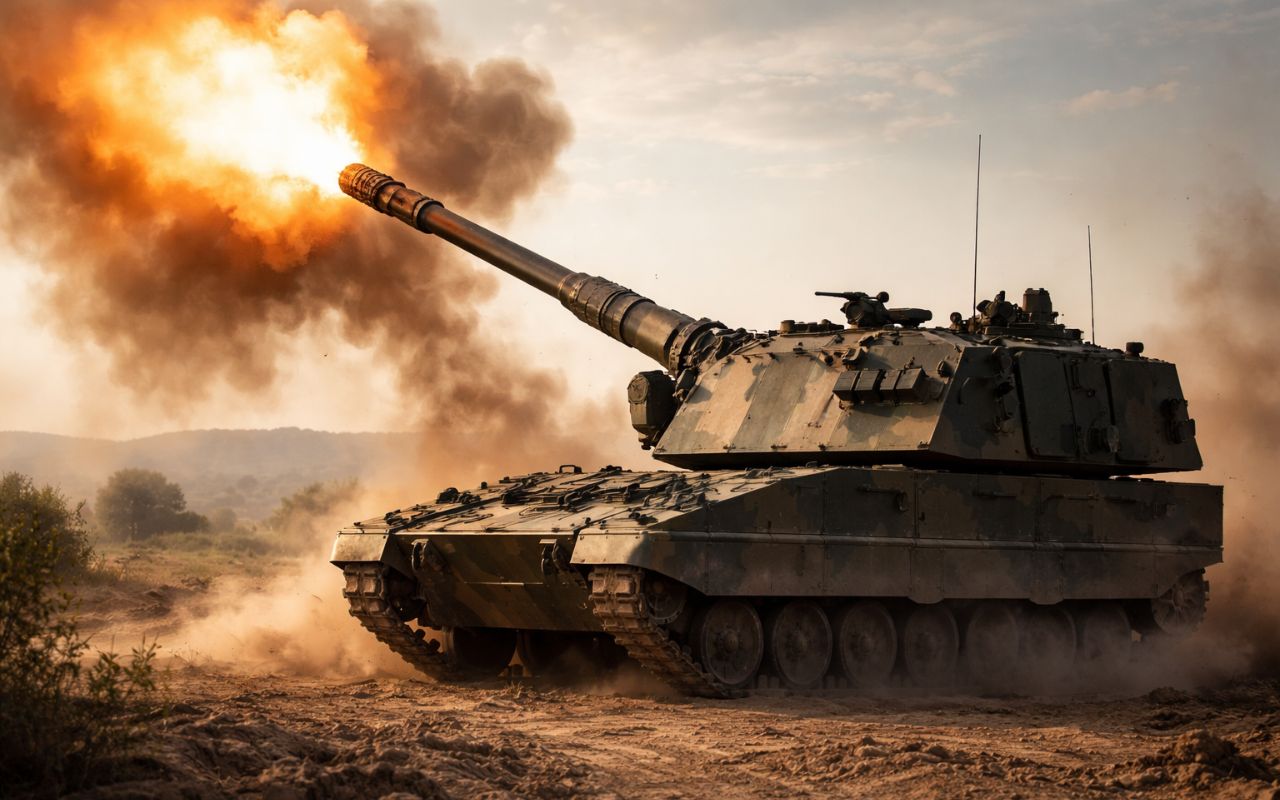
The German “steel monster” weighing 55 tons fires up to 10 projectiles per minute at over 40 km and avoids counterattacks on the battlefield by moving quickly to escape enemy attacks; meet the Panzerhaubitze 2000.
-
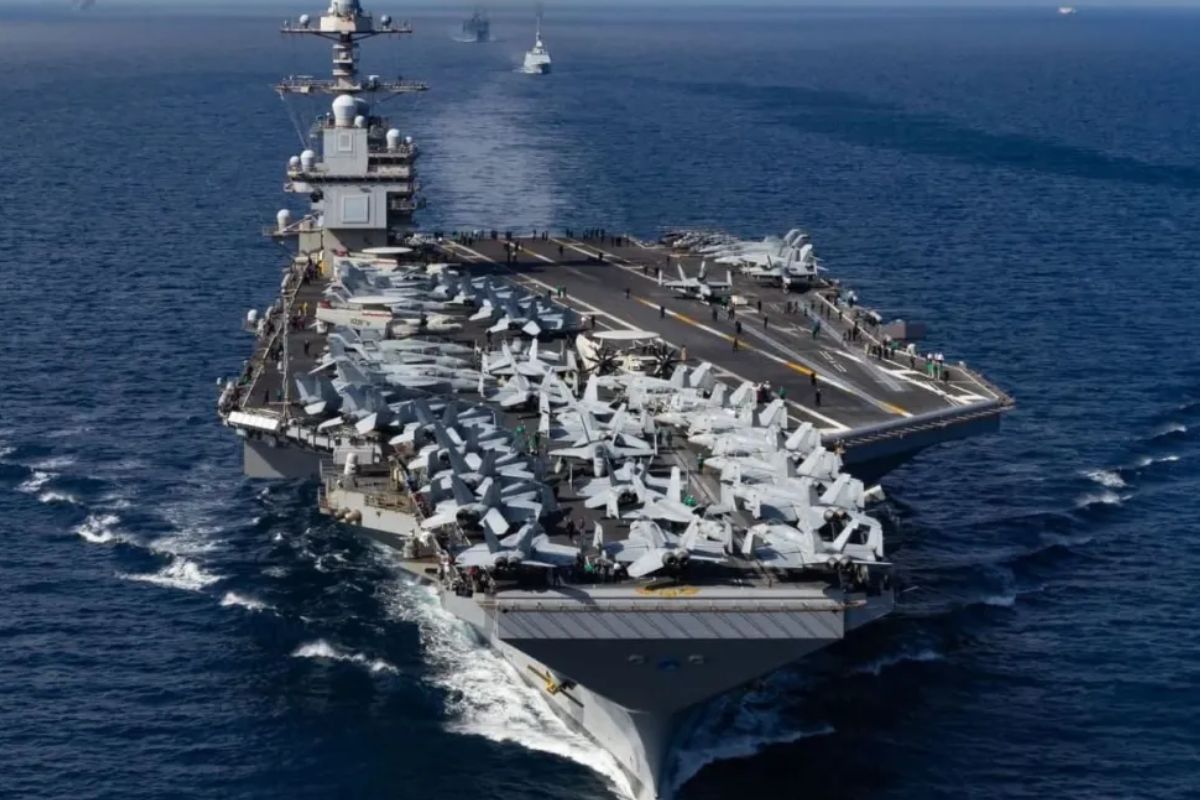
USS Gerald R. Ford, the largest aircraft carrier in the world, returns to sea after a fire in the laundry in the Red Sea; repaired in Crete, it resumes missions of Operation Epic Fury against Iran.
-
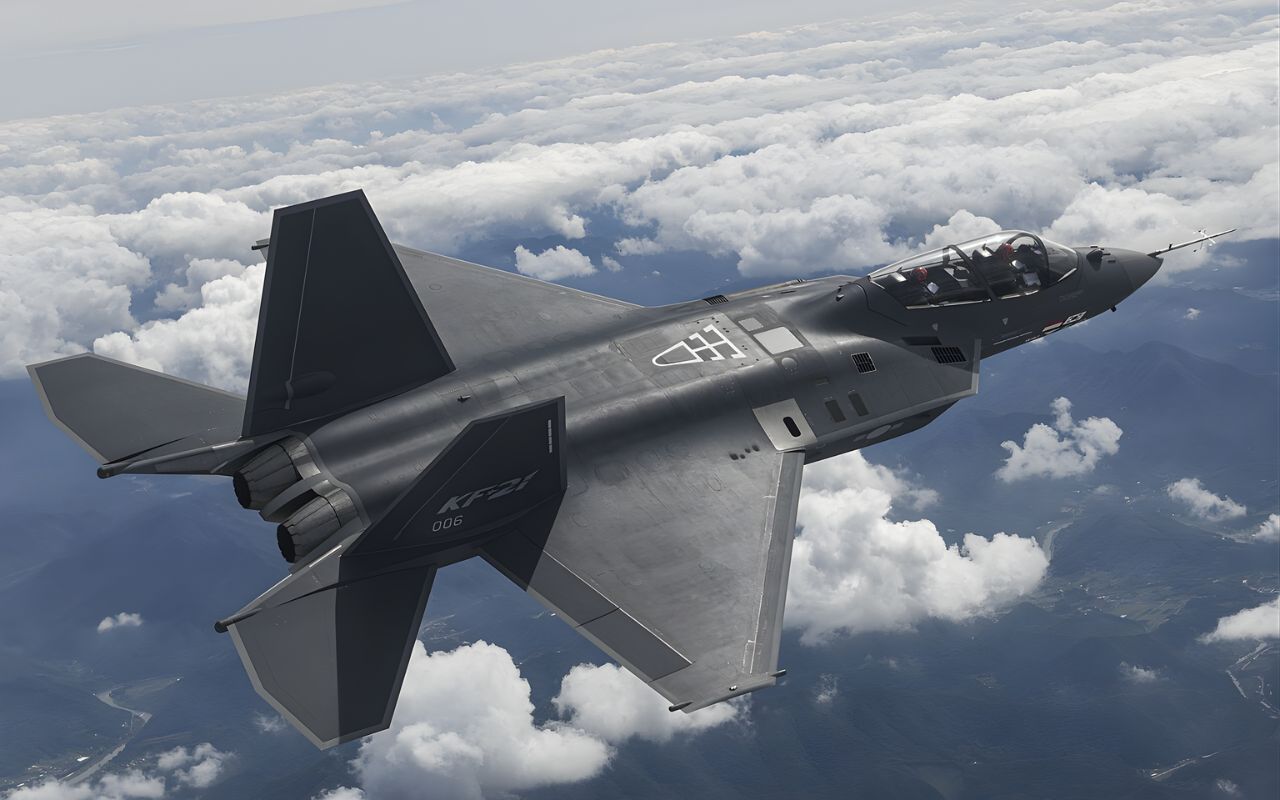
Military power: South Korea’s new KF-21 fighter jet will be a key component in replacing the aging aircraft of the air force, placing the country on the map of air military powers.
-
With 310 meters, 80 thousand tons, and capable of operating for 45 years, the new nuclear aircraft carrier France Libre will be the largest in France and will enter service in 2038.

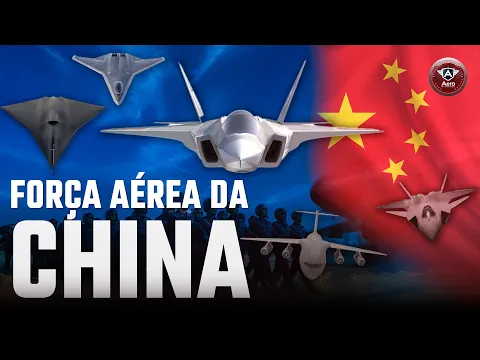
J-20: Strategic Concept of Aerial Denial and Extended Range
From its conception, the J-20 was designed with an operational logic distinct from that originally adopted by the F-22.
While the American fighter prioritized classic aerial superiority with an emphasis on extreme maneuverability and air-to-air combat dominance, the Chinese design favored extended operational range, large internal fuel capacity, and use in wide-area aerial denial scenarios.
The elongated fuselage, wide air intakes, and increased internal volume indicate a focus on strategic autonomy. This allows the J-20 to operate over great distances without immediate dependence on air-to-air refueling — a critical factor in an operational theater like the Western Pacific, where maritime distances are vast, and forward bases may be priority targets.


The J-20’s stealth architecture prioritizes reduced frontal radar signature, an essential element in BVR (Beyond Visual Range) scenarios. The design incorporates internal weapon bays, avoiding the use of external pylons that would compromise stealth.
This combination of extended range and low detectability is directly aligned with the Chinese A2/AD (Anti-Access/Area Denial) doctrine, which aims to complicate or increase the cost of adversarial power projection in areas close to the mainland territory.
PL-15 Missile and the New BVR Combat Envelope
One of the strategic pillars of the J-20 is its integration with the long-range air-to-air PL-15 missile. This weapon is frequently pointed out by analysts as a game-changer in modern air combat dynamics.
The PL-15 has an estimated range of 200 to 300 kilometers according to Western analyses, utilizing active AESA radar and data link for trajectory correction during flight. This allows the missile to receive target updates even after launch, increasing the probability of hitting maneuverable aircraft.
The combination of advanced sensors, frontal stealth, and long-range armament creates a scenario in which the J-20 can detect and engage targets even before being identified. This information asymmetry deeply alters the tactical calculations in high-intensity air battles.
Recent reports also indicate the development of even longer-range missiles, possibly aimed at engaging support aircraft such as tankers and AEW&C platforms, expanding the aerial deterrence radius.
Evolution of Engines: From AL-31 to WS-15
The first units of the J-20 used Russian AL-31 engines, indicating partial dependence on external suppliers. However, more recent versions incorporate the Chinese WS-15 engine, developed internally to provide greater thrust and improved performance.
The adoption of the WS-15 represents a strategic industrial advancement, reducing logistical vulnerabilities and strengthening China’s technological autonomy in the military aerospace sector.
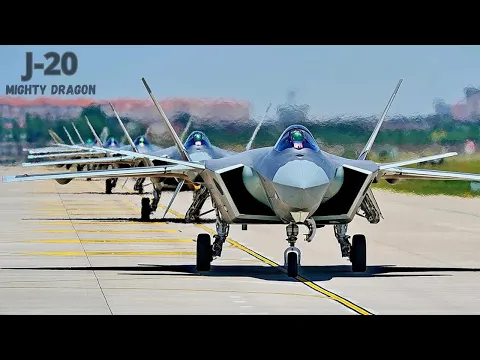
The new engine is designed to provide supercruise capability — sustained supersonic flight without afterburner use — as well as improving the thrust-to-weight ratio and performance at high altitudes.
This evolution is particularly relevant as high-performance engines are historically one of the most complex points in military aerospace engineering. The consolidation of the WS-15 signals significant technological maturity.
Comparison with F-22 and F-35 in the Indo-Pacific
In the strategic landscape of the Pacific, the J-20 is often compared to the F-22 Raptor and the F-35 Lightning II. Each platform has a distinct operational philosophy.
The F-22 was conceived as a pure air superiority fighter, emphasizing extreme agility and tactical dominance in air-to-air combat. The F-35, on the other hand, presents a multirole profile, with deep digital integration and network warfare capability.
The J-20 combines long-range interception with strategic stealth and sensor integration, approaching a hybrid concept between advanced interceptor and networked combat node. The decisive factor, however, is numerical: while the F-22 is no longer in production, the J-20 line remains active and accelerated.
The continuous growth of the Chinese fleet alters the regional balance by providing greater density of stealth fighters in close geographical proximity to potential tension areas, such as the South China Sea and around Taiwan.
J-20S and Drone Coordination
The introduction of the two-seat variant J-20S indicates significant conceptual advancement. Unlike traditional two-seater versions aimed only at training, the J-20S is designed as a coordination platform for unmanned systems and networked warfare.
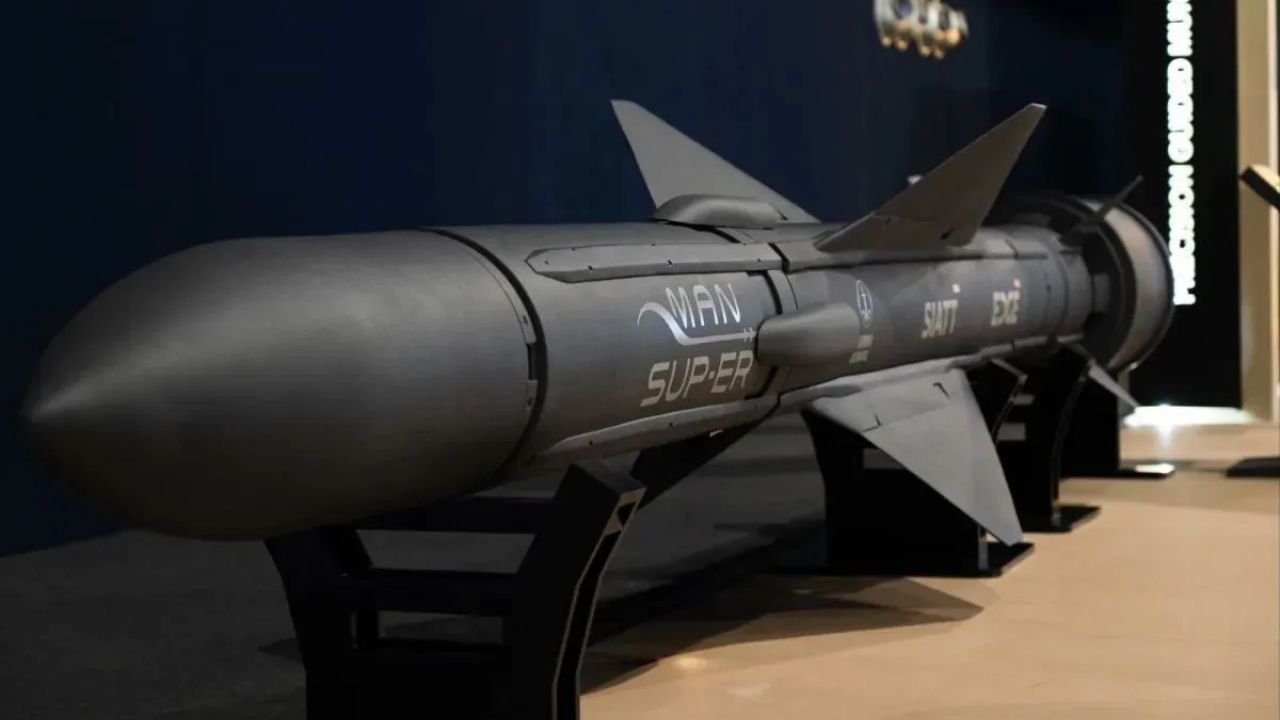
The presence of a second crew member allows for swarm management of drones, coordination of distributed sensors, and integration with autonomous platforms. This concept aligns with trends observed in Western programs, such as the American NGAD, which also explores integration with “loyal wingmen”.
The networked combat architecture expands the operational reach of the aircraft beyond its physical capabilities, transforming it into a force multiplier.
Scale Production and Industrial Maturity
Surpassing 200 operational units in less than a decade evidences robust industrial capability. Producing fifth-generation aircraft involves mastery of composite materials, AESA systems, advanced software integration, and a sophisticated logistics chain.
The sustained production rate indicates that the program is neither experimental nor limited to technological demonstrations. It is an operational implementation on a large scale.
This quantitative factor is strategic. In prolonged conflict scenarios, replenishment and fleet maintenance capacity are as relevant as the individual performance of the aircraft.
Geopolitical Impact and Regional Balance
The consolidation of the J-20 as the backbone of Chinese combat aviation strengthens the A2/AD strategy by expanding the capability to patrol extensive maritime areas and protect strategic corridors.
In the South China Sea, where territorial disputes persist, the growing presence of stealth fighters increases operational complexity for external forces. In a scenario involving Taiwan, the density of stealth platforms alters the risk calculation for any adversarial air operation.
Aerial superiority depends not only on isolated technology, but also on the combination of the number of platforms, range, sensor integration, and command and control capacity.
What Changes in Aerial Superiority in the 21st Century
The expansion of the J-20 reveals three structural transformations in the regional aerial dynamics. First, it demonstrates that China has achieved sufficient industrial maturity to sustain large-scale production of stealth aircraft. Second, it consolidates technological autonomy in critical engines and sensors. Third, it expands the defensive depth in the air around the continental territory.

Contemporary aerial superiority is not merely a matter of maneuverability or speed. It is the result of network architecture, long-range missiles, low detectability, and large-scale production.
By surpassing 200 operational units of the J-20 in less than ten years, China demonstrates that its stealth fighter program has shifted from being a technological symbol to becoming a structural instrument of aerial power.
The combination of stealth, integration with PL-15 missiles, evolution of WS-15 engines, and continuous fleet expansion positions the J-20 as one of the primary strategic vectors of the 21st century.
In the Indo-Pacific, the impact is not just technical. It is geopolitical. The accelerated production indicates long-term sustainment capability, altering projections of regional balance and increasing the weight of Chinese aviation in the strategic calculations of the upcoming decades.









-

-

2 pessoas reagiram a isso.