





 Portuguese
  English
  Spanish
  4 min of reading
  23 comments


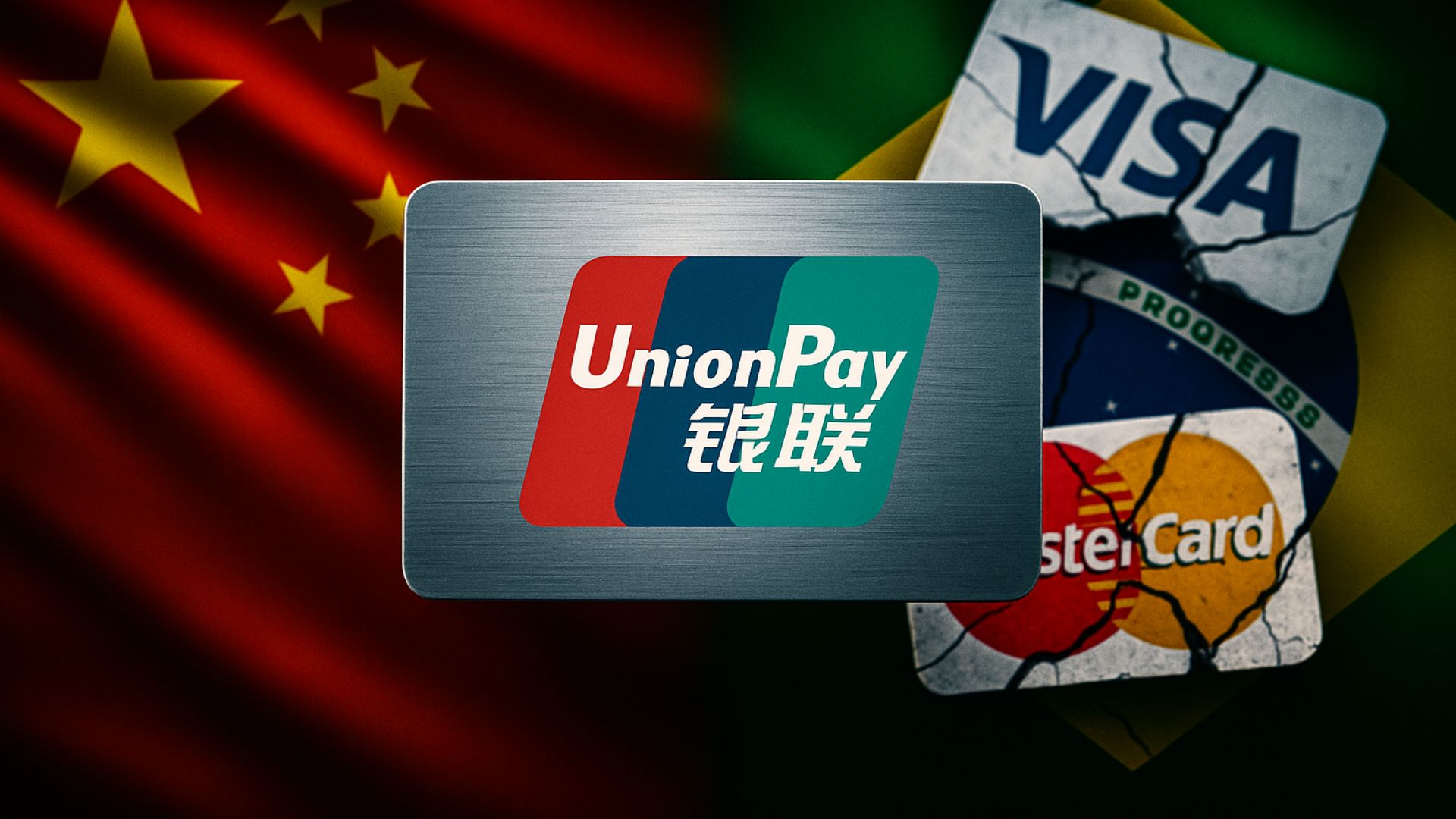


The Arrival of UnionPay in Brazil Moves the Payment Sector and Rekindles Debates About Competition, Commercial Acceptance, and Impacts on the National Market.
The arrival of UnionPay, a Chinese brand with over 7 billion issued cards worldwide, has begun to gain traction in discussions about payment methods in Brazil.
The development was mentioned by content creator Junio Rodrigues in a video published on the Manual dos Cartões channel, where he comments that the brand intends to compete with Visa and Mastercard in Brazilian territory.
In the video, Junio Rodrigues explains that the brand is the element that defines the compatibility of the card with payment machines.
-
The largest food company on the planet, JBS, has just opened a 4,000 square meter laboratory in Florianópolis to develop customized proteins that modulate muscle mass gain, immune response, and metabolic performance.

-
After nearly 30 bids and competition among industry giants, a Spanish company purchases one of the largest airports in Brazil for almost R$ 3 billion and takes over the management of Galeão in a concession that will last until 2039.

-
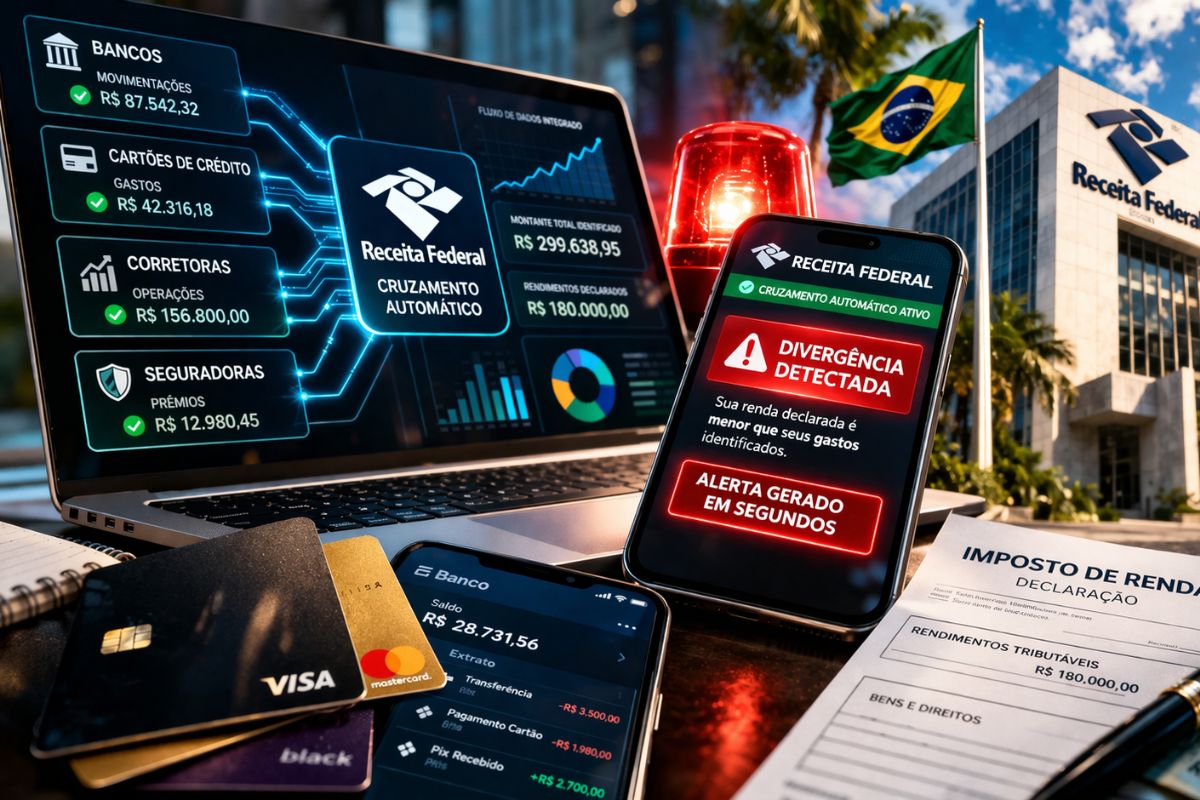
The Federal Revenue Service now automatically cross-references everything you declare with data from banks, credit cards, brokerage firms, and insurance companies, and any discrepancy between your income and your expenses triggers an alert in seconds.
-
Amid global tensions, Brazil blocks the United States’ proposal at the WTO and paves the way for a trade crisis and possible retaliations.


He references Visa, Mastercard, American Express, Elo, and Diners Club to contextualize the role of the main networks already present in Brazil.
According to him, UnionPay emerges as another option in this landscape dominated by North American companies.
Junio Rodrigues highlights that UnionPay operates significantly in Asia and maintains acceptance in about 180 countries.
As he stated in the video, the brand works with physical cards and NFC technology, allowing contactless payments.
He also notes that the company’s website, shown during the recording, clearly reflects its Chinese origin, both in its design and in the institutional information available.
Acceptance of UnionPay in Brazil and Abroad
According to what Junio Rodrigues presented, UnionPay claims that its international cards can already be used in important tourist and commercial centers in Brazil, including Rio de Janeiro, São Paulo, Foz do Iguaçu, Manaus, and Salvador.
Establishments displaying the brand’s signage and using terminals from Rede, Stone, or other compatible acquirers can process payments normally.
He also mentions that withdrawals would be possible at ATMs from Banco Itaú and the Saque e Pague network, expanding functionality for tourists visiting the country with UnionPay cards.
During the video, the creator also comments that acceptance in the United States is widespread.
According to him, the company claims to reach over 80% of U.S. commercial establishments and about 90% of ATMs.
This robust presence, as he highlighted, reinforces the global weight of the brand.
Competition in the Brazilian Card Market

When analyzing the potential advance of the brand in Brazil, Junio Rodrigues observes that the local market is heavily concentrated.
Currently, Visa, Mastercard, American Express, and Elo prevail.
Other brands, like JCB, have tried to increase their presence but have not gained significant adoption.
He also mentions that the former Diners Club has lost relevance in the country, and Cabal remains with very limited acceptance.
In the video, Rodrigues states that UnionPay would be interested in initially operating in partnership with Caixa Econômica Federal, although concrete details about card issuances in Brazil have not yet been publicly disclosed.
He emphasizes that he did not read the full article live due to its length, but reiterates that the information came from a report published by the newspaper O Estado de S. Paulo.
Benefits, Doubts, and Public Expectations
During the recording, the creator questions whether Brazilian consumers would easily adopt the brand.
As he mentioned, adoption will depend on the possible benefits offered, such as rewards programs, travel advantages, and potential VIP lounges, although none of this has been officially detailed so far.
He also commented that for part of the public, the fact that it is a Chinese brand raises doubts and theories about privacy or data control.
Still, he emphasizes that his personal concern focuses on practical benefits and the eventual improvement of credit scores or conditions.
As he reinforced throughout the video, the arrival of new competitors tends to benefit the consumer, increasing competition and expanding the options available in the Brazilian market.
He notes, however, that the consolidation of the brand in the country depends on commercial acceptance, partnerships with banks, and clear competitive advantages.
Outlook for the Expansion of UnionPay in Brazil
Even with UnionPay’s global expansion and its presence in several countries, there is still no official confirmation of when the brand will begin direct card issuances to Brazilian clients.
What exists, for now, is acceptance for foreign tourists and the company’s interest in expanding its operations in Latin America.
At the end of the video, Junio Rodrigues stated that he intends to follow the news about the company and evaluate how the market will react if card circulation becomes wider.
He emphasized that the movement could bring relevant changes for consumers and for the payment sector.
In light of this scenario, it remains to be seen whether UnionPay will manage to carve out space in an already consolidated market and whether Brazilian banks will show interest in issuing the brand’s cards on a large scale.
The introduction of a new network could indeed alter competitiveness in the sector, but would customers be willing to adopt another card brand in their daily lives?







Eu quero o meu
Já quero pedir o meu…
Como faço o cartão e por o de faço vai ter aplicativo.