





 Portuguese
  English
  Spanish
  3 min of reading
  0 comments


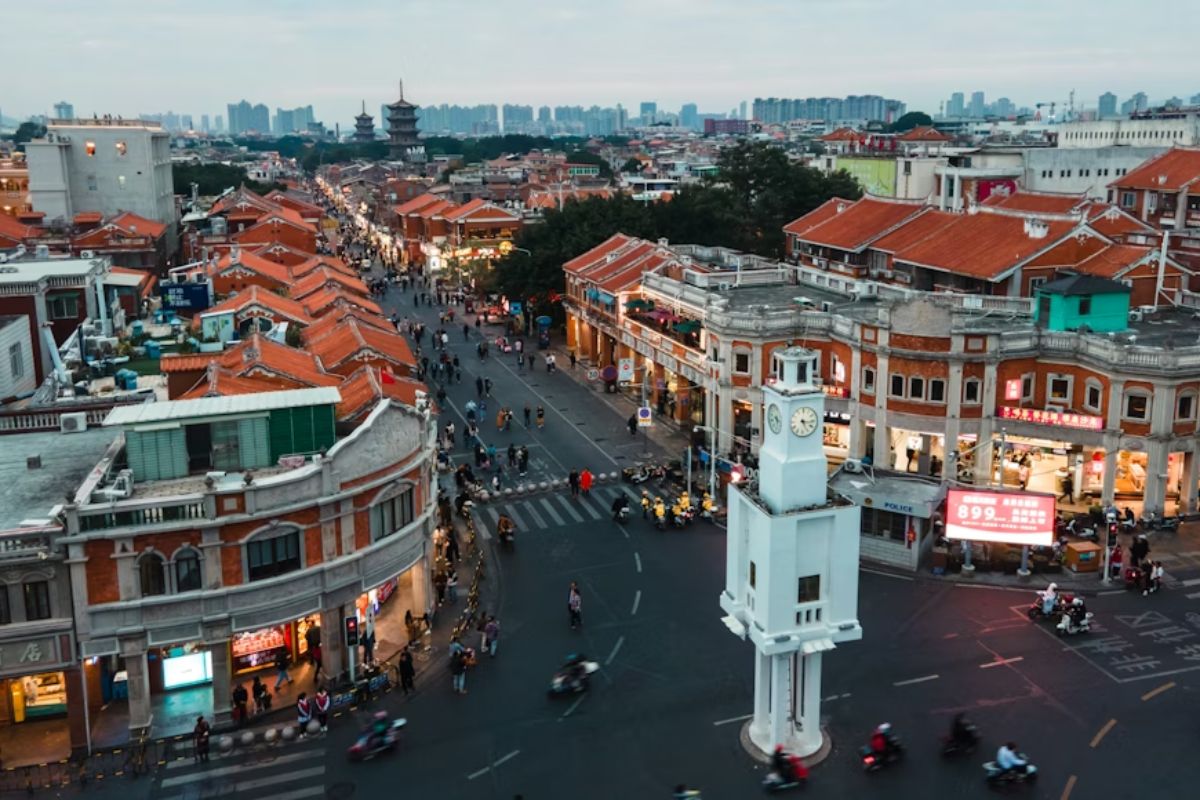
In Quanzhou, Four Generations Share a 15-Story Building with Rules Defined by Their Own Residents, Without a Traditional Property Manager and No External Administrator
A family in the city of Quanzhou, in eastern China, decided to keep the generations close with an unusual choice for urban living: they pooled resources from 20 relatives and built a 15-story building to house more than 100 people at the same address. Instead of dividing the land among heirs, the group transformed the property into vertical collective housing, preserving daily interaction and practical solutions for the lack of space.
The building operates as a self-managed family condominium, guided by traditions and internal agreements. There is no elected property manager nor external administrator, and expenses and rules are agreed upon by the residents themselves, reinforcing a multigenerational model that values closeness and a sense of belonging.
Why Pooling Resources and Building a 15-Story Building Became the Solution
The foundation shows that the decision arose from a typical urban challenge: limited space and many family members wanting to stay nearby.
-
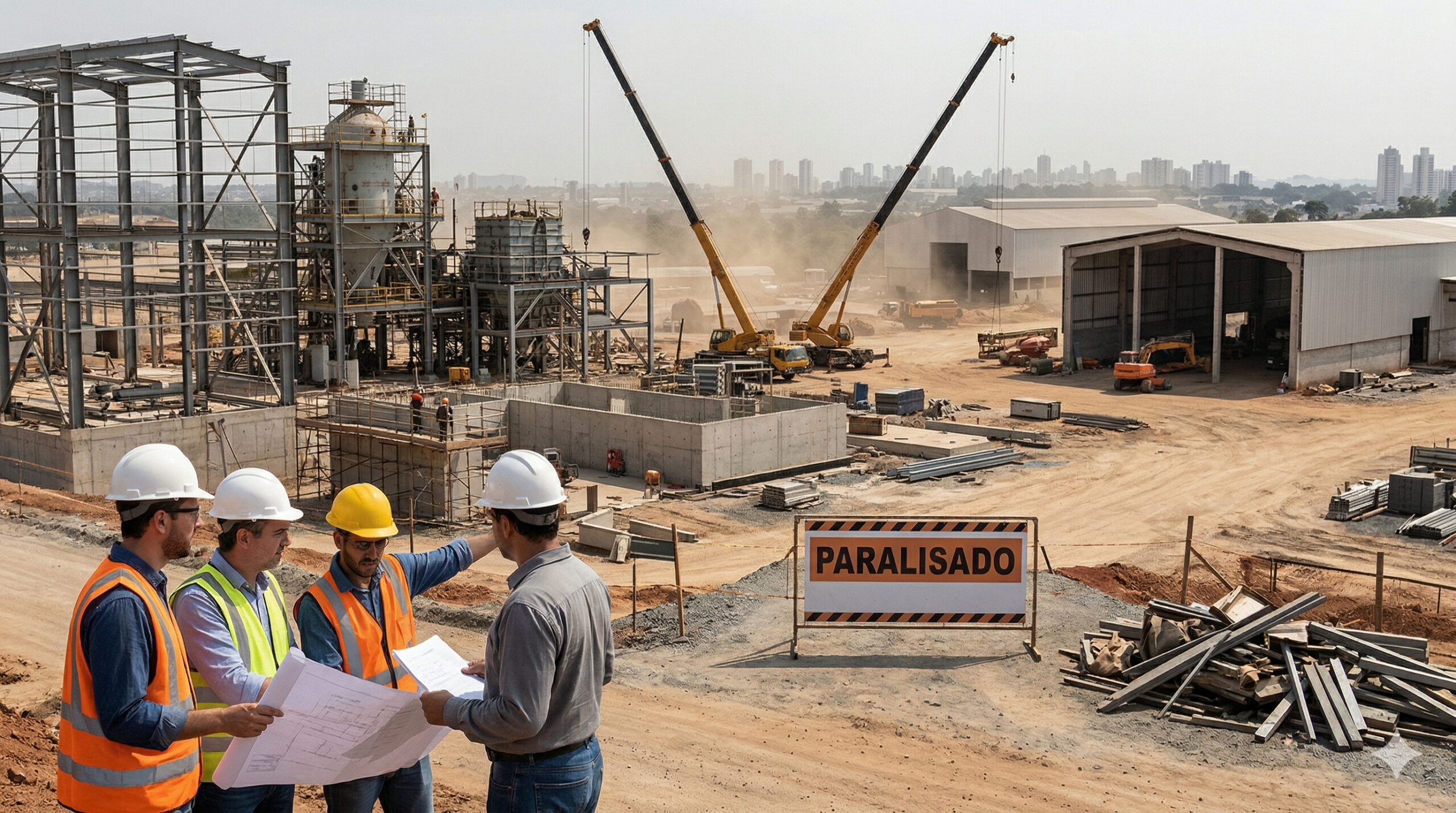
The lack of welders, electricians, and operators becomes a structural threat in 2025, with the construction industry and manufacturing already suffering from delays, cost pressures, and labor shortages in Brazil.
-
Brazil and Paraguay are just 46 meters away from a historic union on the bioceanic bridge that promises to revolutionize trade between the Atlantic and the Pacific.

-
With 55 km over the sea, a cost of US$ 20 billion, and enough steel to build 60 Eiffel Towers, China’s largest project has connected Hong Kong, Zhuhai, and Macau in a colossal bridge that defies the logic of engineering.

-
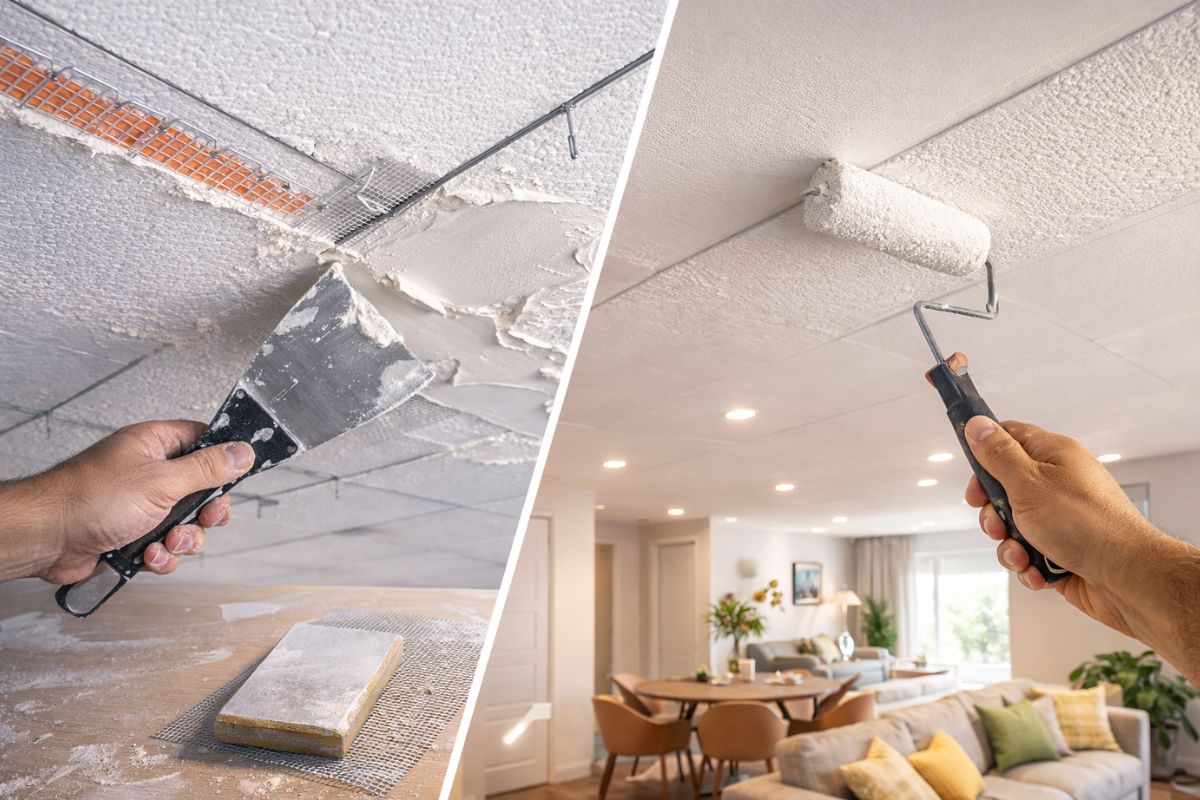
A trick with joint compound transforms a Styrofoam ceiling into a plaster-like ceiling: leveled panels, wires and mesh at the joints, sand, paint, and change the environment while spending little today.

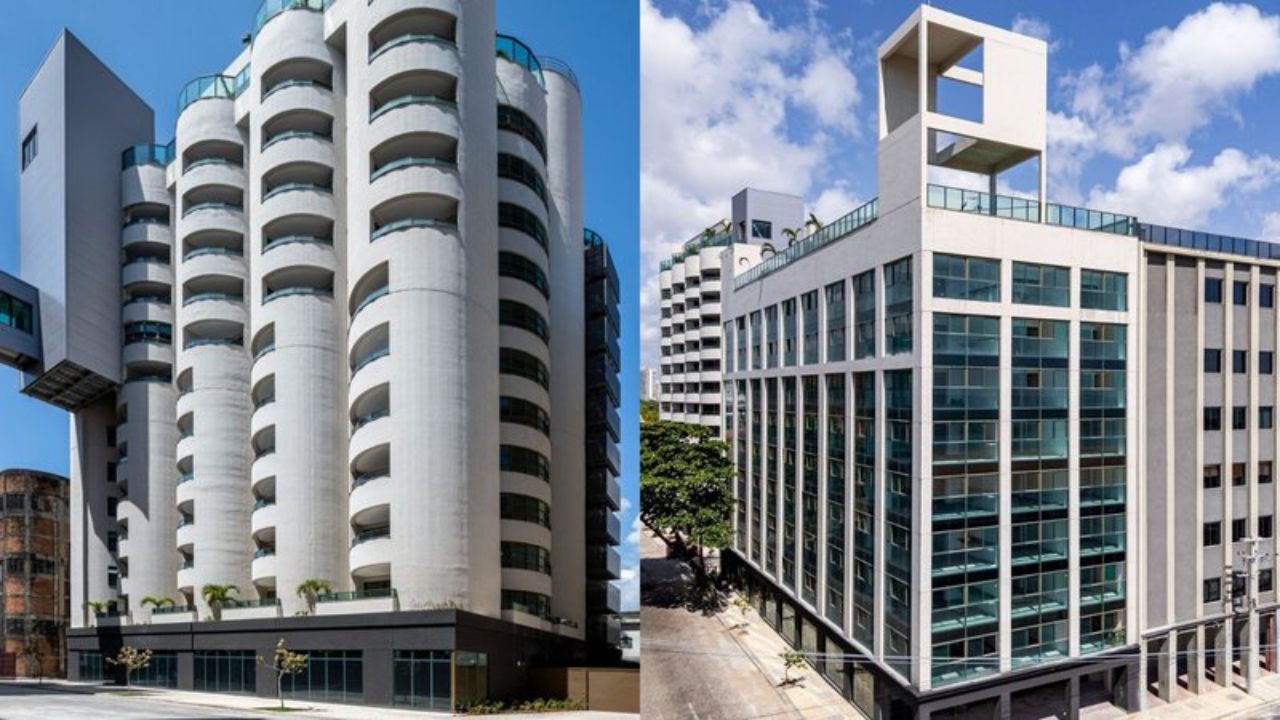
By building a 15-story building instead of dividing the land, the group maintains the address as a collective asset and avoids fragmenting the housing into smaller parts.
In the case of the Zhu family, the idea of a “great Chinese family” appears as a daily practice. Four generations share the same reference point, with a more integrated routine and facilitated interactions without relying on constant commuting between neighborhoods.
How the Self-Managed Family Condominium Without a Traditional Property Manager Works
What most differentiates this arrangement is the management. The foundation describes that there is no formal condominium, no elected property manager, nor external administrator.
Instead, expenses and rules are defined by the residents, sustained by tradition, verbal agreements, and collective discipline.
In practice, the 15-story building operates as an extension of an ancestral home, only vertical. The internal organization helps prevent noise and reinforces the common commitment to maintenance, coexistence, and daily decisions.
What Exists in Each Area of the Building and How the Spaces Were Thought Out
The building was designed to combine living, mobility, and coexistence. The two basements serve as garages for cars and electric bicycles, which facilitates the routine of those who work and study outside, without overwhelming the surface space.
The ground floor, which previously had commercial intent, was transformed into a food storage area and children’s recreation space. This gives the 15-story building a practical layer of supply and a common area that sustains interaction between children and adults.
Spacious Units, Collective Asset, and the Logic of the Family’s “Vertical Condominium”
The distribution of floors was organized to accommodate family units in spacious units, similar to apartments, but integrated into a single collective asset.
It is a hybrid model, simultaneously a multigenerational home and a modern vertical condominium.
This format reduces disputes over space within the family and creates a more predictable housing structure over time.
With the 15-story building, coexistence gains a unique address and ownership remains unified.
Effects Cited in the Foundation: Urban Organization and Pressure on Services
The foundation states that the decision also produced broader effects: it reduced inequalities between neighborhoods, decreased pressure on public services, and created a more balanced urban infrastructure, something uncommon in rapidly growing cities.
Even though it is a particular case, it shows how the form of housing can influence organization and demand for resources.
In the end, the 15-story building becomes more than just a construction: it is a way to preserve tradition in an urban environment, with internal management that replaces the traditional condominium structures.
Would you be able to live in a 15-story building with over 100 relatives at the same address, or do you prefer each family in their own house?








-

-

-

7 pessoas reagiram a isso.