





 Portuguese
  English
  Spanish
  3 min of reading
  0 comments


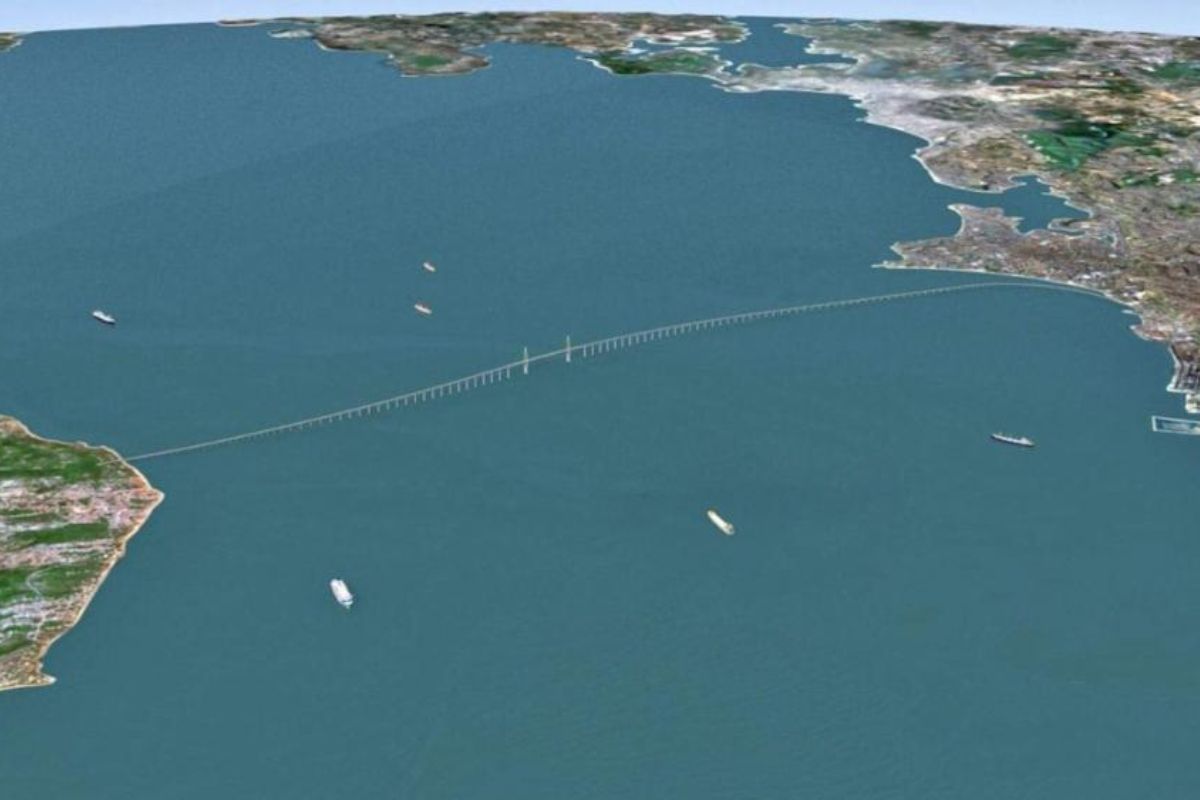
With Works Planned for 2026, the Salvador-Itaparica Bridge Will Connect the Capital to the Island, Promising Development but Generating Debates About Socio-Environmental Impacts.
One of the largest and most awaited infrastructure projects in Brazil, the Salvador-Itaparica Bridge is finally becoming a reality. With a length of 12.4 km over the All Saints Bay, the structure will be the largest bridge over water in Latin America and represents an investment that is already nearing R$ 10 billion, led by a consortium of Chinese construction giants.
The work is much more than a simple physical link; it is a vector of transformation for Bahia. The promise is that the new bridge will directly benefit around 10 million people in 250 municipalities, reducing the crossing time between the capital and the island from one hour to less than 30 minutes. However, the megaproject also sparks debates about its costs, deadlines, and, primarily, about the environmental and social impacts in one of the most iconic regions of the country.
A Project of Decades: From Dream to Reality
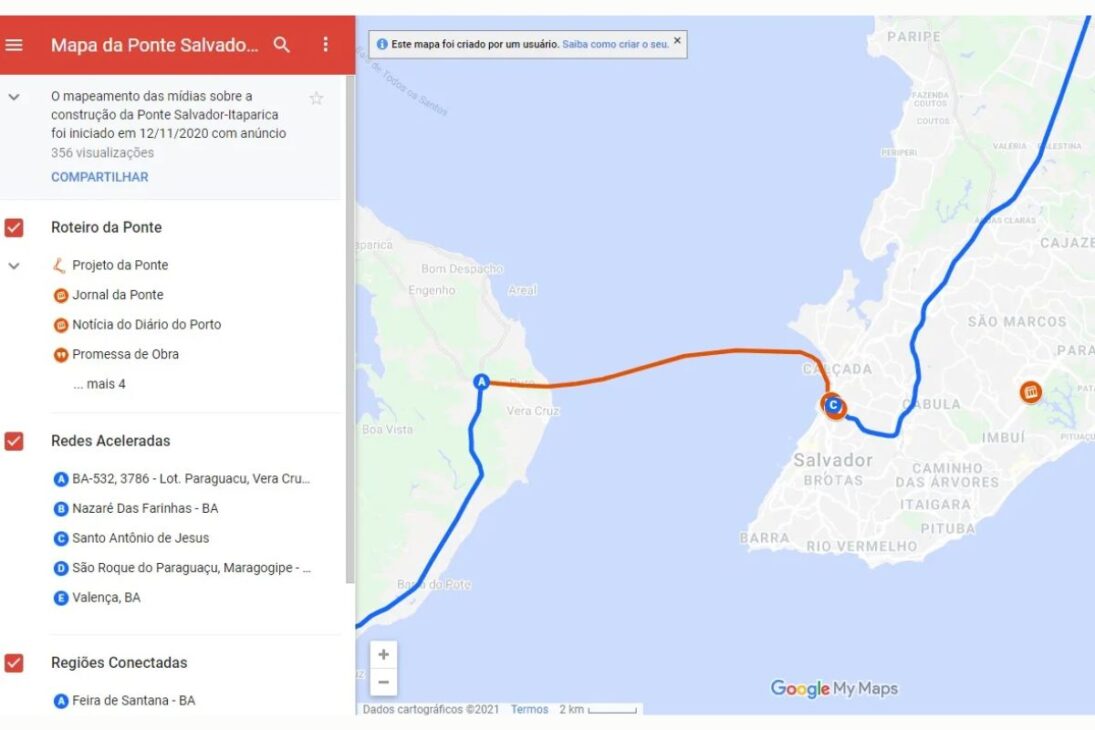
The idea of constructing the Salvador-Itaparica Bridge is not new, dating back to discussions that began in the 1960s. After decades of studies and delays, the project gained momentum and was finally auctioned in 2019, being won by a Chinese consortium formed by the giants China Communications Construction Company (CCCC) and China Railway 20th Bureau Group (CR20).
-
The lack of welders, electricians, and operators becomes a structural threat in 2025, with the construction industry and manufacturing already suffering from delays, cost pressures, and labor shortages in Brazil.
-
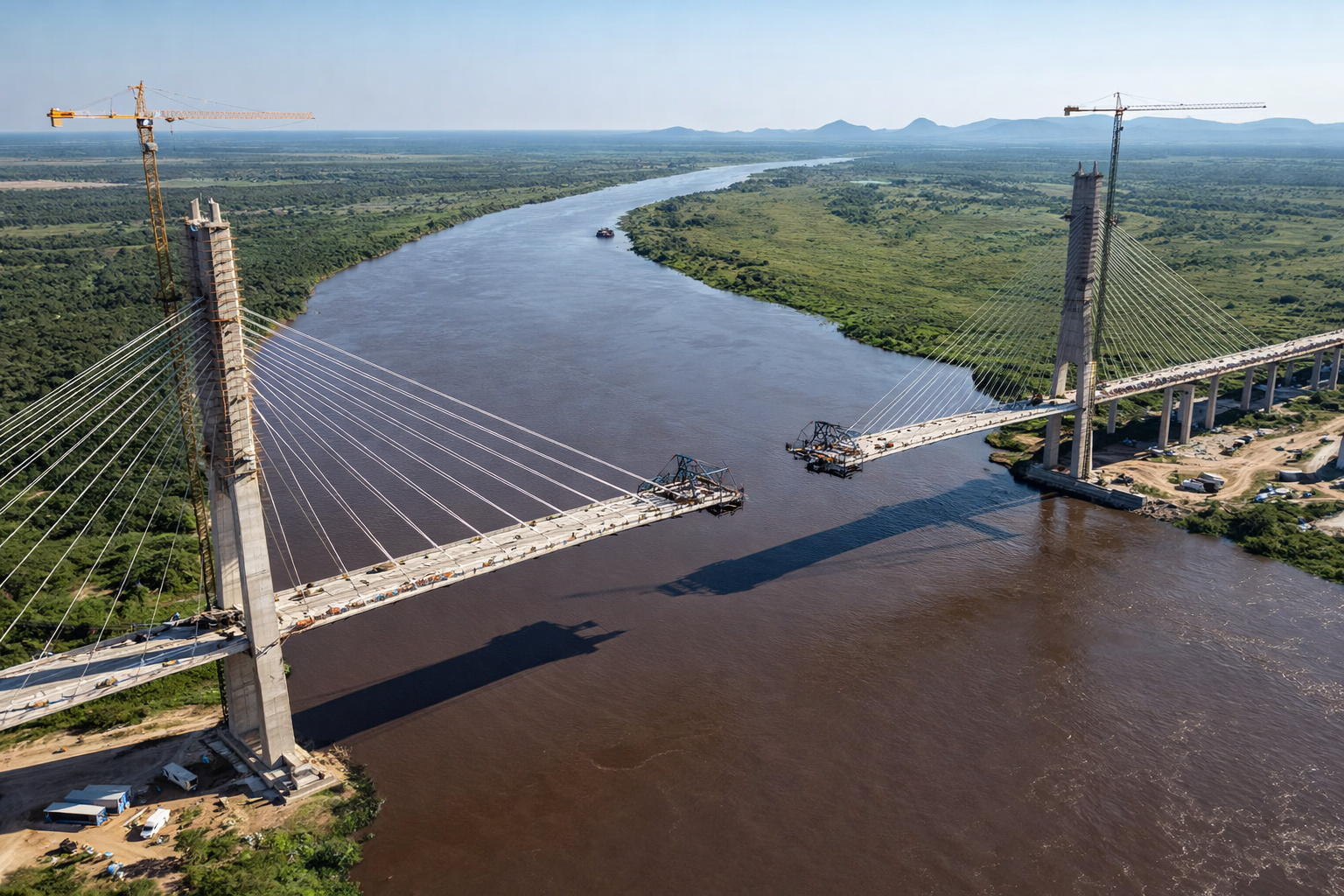
Brazil and Paraguay are just 46 meters away from a historic union on the bioceanic bridge that promises to revolutionize trade between the Atlantic and the Pacific.
-
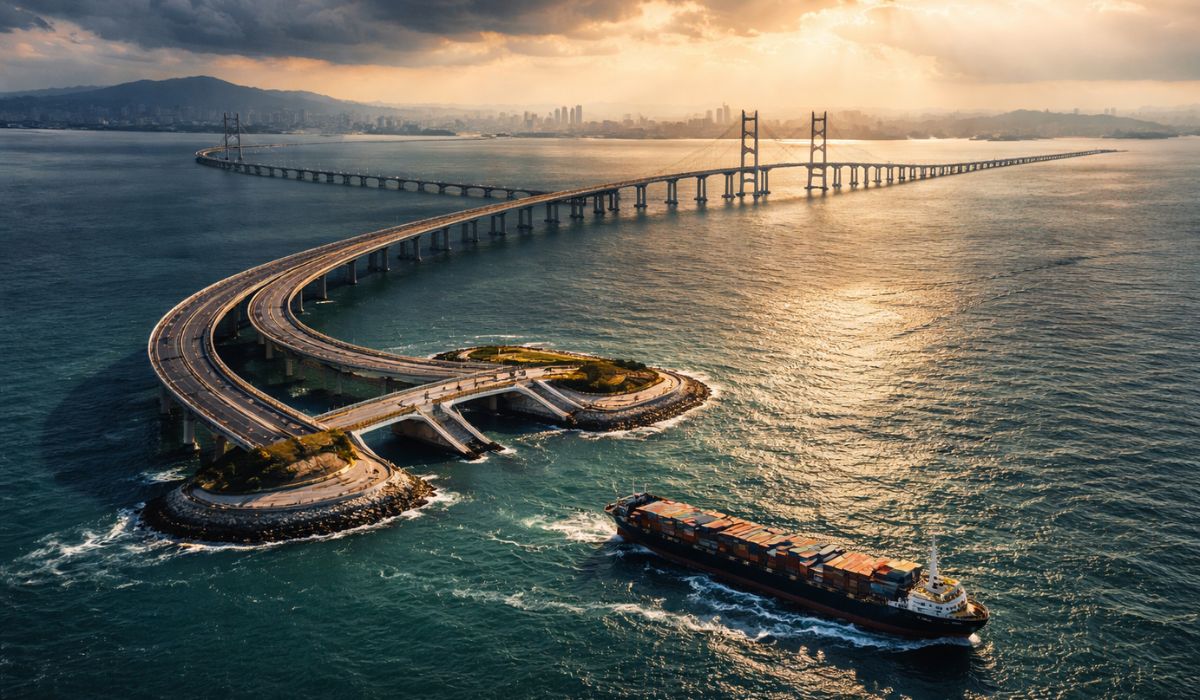
With 55 km over the sea, a cost of US$ 20 billion, and enough steel to build 60 Eiffel Towers, China’s largest project has connected Hong Kong, Zhuhai, and Macau in a colossal bridge that defies the logic of engineering.
-
A trick with joint compound transforms a Styrofoam ceiling into a plaster-like ceiling: leveled panels, wires and mesh at the joints, sand, paint, and change the environment while spending little today.

The Public-Private Partnership (PPP) contract with the Government of Bahia was signed in November 2020. Since then, the project has progressed through phases of detailed studies, such as geological surveys at the bottom of the bay, which set depth records in Brazil.
Engineering and Dimensions: The Largest in Latin America
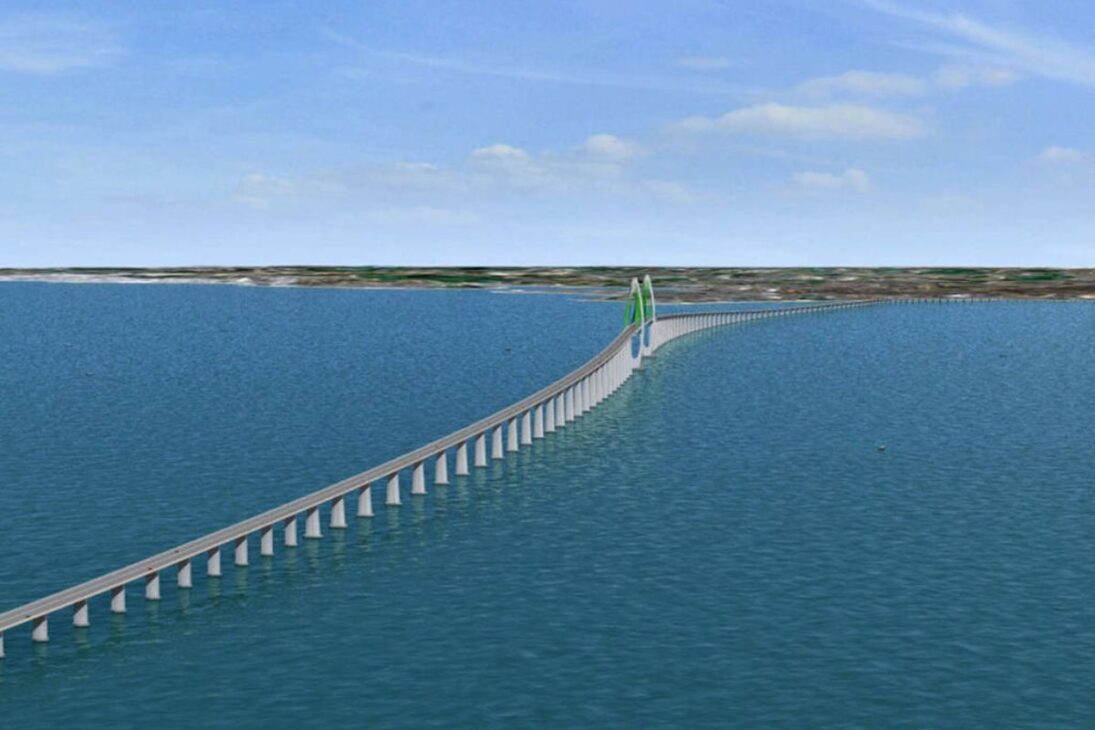
The grandeur of the Salvador-Itaparica Bridge is reflected in its numbers. The main structure will be cable-stayed, with a height of 85 meters at its central span to allow the passage of ships. The complete project, known as the Western Road System (SVO), includes:
- 12.4 km of bridge over the All Saints Bay.
- Viaducts and two tunnels in Salvador.
- A new 22 km expressway on Itaparica Island.
- Duplication of 8 km of the BA-001 highway.
The Impact on the Economy and the Lives of Bahian People
The main argument in favor of the Salvador-Itaparica Bridge is its transformative potential for the economy and mobility. The expectation is that the work will generate around 7 to 8 thousand direct jobs during its construction.
For the population, the main change will be the drastic reduction in travel time, which should boost tourism on Itaparica Island and throughout the southern region of Bahia. In addition, the bridge will create a new logistics corridor, facilitating the flow of production and connecting the metropolitan area to important federal highways.
Challenges and Controversies: The Cost of Progress
Despite the optimism, the project faces significant challenges. The initial cost, estimated at R$ 7.6 billion, has already been adjusted to around R$ 10 billion due to inflation and the impacts of the pandemic. The toll, expected to cost around R$ 50, is also a point of debate.
The greatest concern, however, is the social and environmental impact. The Environmental Impact Study (EIA/RIMA) identified 167 possible impacts, of which 102 are negative, including risks to mangrove ecosystems and traditional communities, such as Candomblé temples and quilombos. Agreements with the Federal Public Ministry have been established to ensure that these communities are consulted and that mitigation measures are implemented.
Current Status and Next Steps
Currently, the project is in the final phase of surveys and studies. The mobilization of construction sites is scheduled for the end of 2025, with actual construction starting in 2026. The forecast for completion, which has already been postponed, now points to a horizon between 2029 and 2031.
The Salvador-Itaparica Bridge is a complex and long-term project, which will require rigorous monitoring from society to ensure that its economic benefits do not overshadow environmental and social protection.
And you, what do you think about the construction of the Salvador-Itaparica Bridge? Do you believe the benefits outweigh the challenges? Leave your opinion in the comments!









-

Uma pessoa reagiu a isso.