





 Portuguese
  English
  Spanish
  3 min of reading
  0 comments


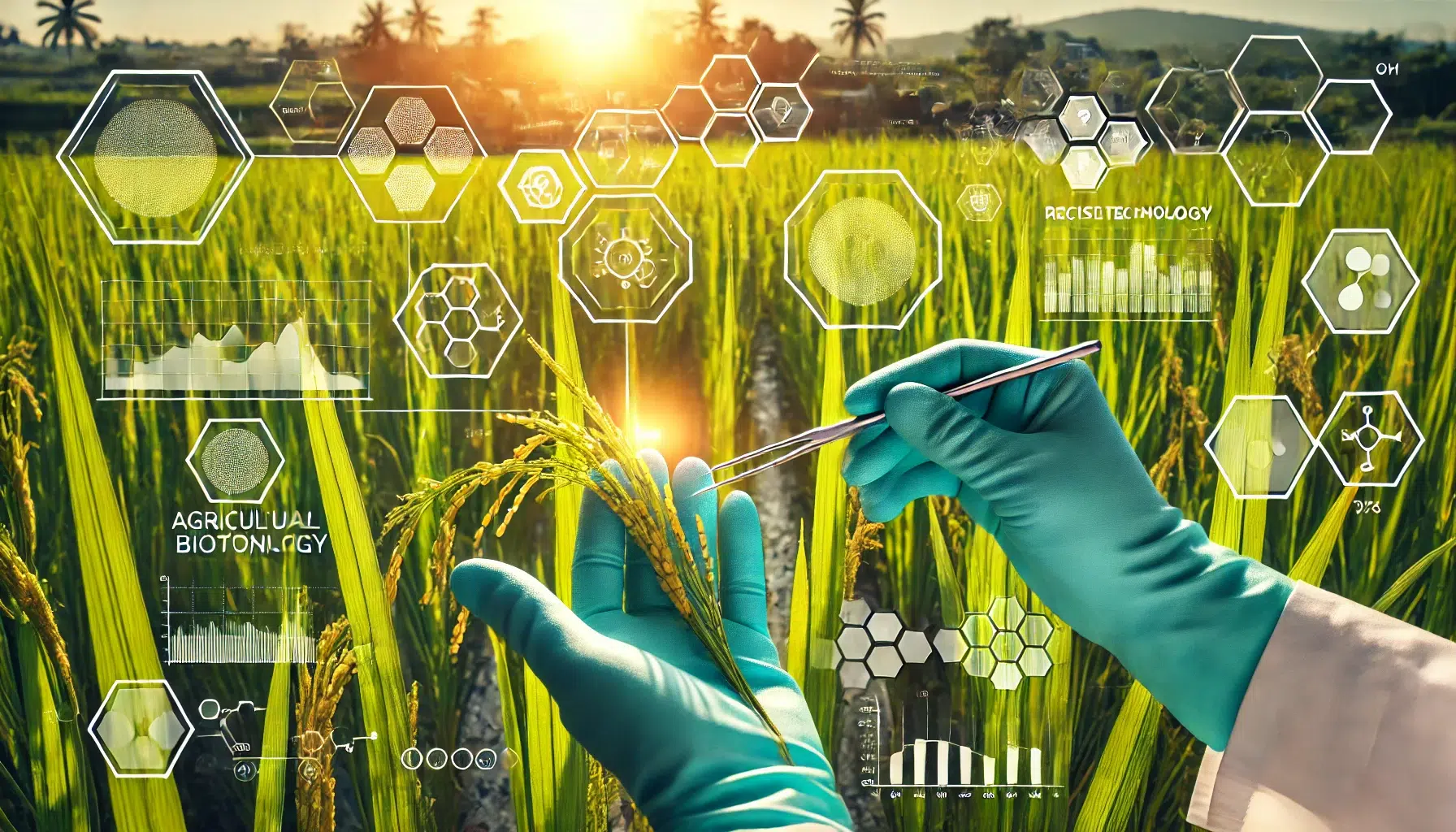
Super Rice Created in China Promises to Reduce Heart Risks, Providing a Healthier and More Functional Diet for Daily Consumption
Chinese researchers have achieved an impressive milestone: they have developed a rice variety that predominantly produces coenzyme Q10 (CoQ10), an antioxidant associated with improved heart health.
This achievement, realized through precise genetic editing, could pave the way for innovations in staple food crops like wheat, corn, and various vegetables.
CoQ10, also known as ubiquinone, is naturally produced in the human body. However, its levels decrease with age.
-
While the world looks at oil, the war with Iran is already disrupting helium supply from Qatar, affecting car and iPhone chips, threatening AI expansion, and putting pressure on aluminum packaging at the highest value in four years.

-
Global warming will expose a treasure hidden under the ice of Antarctica and may spark an international dispute over gold and valuable minerals.

-
A street vendor from Praia Grande built a robot made of scrap from scooters and washing machines that pulls his popcorn cart on the beach, emits sounds, and interacts with customers, becoming an attraction on the coast of São Paulo.

-
The specifications of the Xiaomi 18 Pro Max have been leaked, and the highlight is a dual 200 MP camera with a new 22-nanometer technology that promises to consume less energy and capture details in shadows and bright areas using LOFIC HDR.

Studies have shown that people with heart diseases or those who take medications to lower cholesterol often have significantly lower levels of this substance.
Although foods like fish, meat, and nuts contain CoQ10, grains like rice and wheat generally contain CoQ9, a compound with fewer heart benefits.
The Innovation Behind CoQ10-Enriched Rice
According to the Chinese Academy of Sciences (CAS), “engineering the production of CoQ10 in crops would benefit human health.”
The research, published in the journal Cell on February 13, was conducted by Caixia Gao from the CAS Institute of Genetics and Developmental Biology and Chen Xiaoya from the CAS Center for Excellence in Plant Molecular Sciences (CEMPS).
The team decided to genetically modify rice to favor the production of CoQ10 instead of CoQ9.
To achieve this goal, the scientists analyzed 134 plant samples from 67 botanical families. They noted that some species, such as avocados and cinnamon, naturally produce higher levels of CoQ10.
This indicated that the trait was present in ancestral plants and that, over time, domesticated crops like rice, wheat, and cucumbers evolved to predominantly generate CoQ9.
After identifying the amino acid sites responsible for this difference, the team used a technique called primary editing. This approach allows for precise alterations in the plant’s DNA without introducing genes from other species.
Promising Results and Potential for Other Crops
The scientists produced rice grains with high levels of CoQ10 by editing five specific points in the plant’s amino acids. The result was rice with 75% CoQ10 in its leaves and grains, which corresponds to approximately five micrograms of this substance per gram of rice.
The researchers emphasized that “the synthesis of CoQ10 instead of CoQ9 had no noticeable impact on the grain yield of CoQ10 rice plants.”
Moreover, the CAS team confirmed that the resulting strains were non-transgenic and did not exhibit undesirable genetic mutations.
Xu Jingjing, a co-author of the research, explained that the CoQ10 content in this genetically edited rice is found in plant foods like tomatoes, but still lower than the levels present in meats and fish. “In the future, attempts will be made to further increase the CoQ10 content by editing other key genes,” Xu stated.
Next Steps: Large-Scale Food Fortification
Although daily CoQ10 intake generally varies between 3 and 6 milligrams, some studies suggest that the optimal consumption may reach 500 milligrams per day. Given this gap, fortifying staple foods may become essential.
Rice, wheat, and corn together account for more than half of global caloric intake. Thus, fortifying these foods with CoQ10 could help effectively meet nutritional needs.
The scientists have already expanded an approach for wheat intended for baking, which represents about 20% of global caloric intake. According to the team, the same primary editing technique used on rice can be applied to other grains and vegetables that naturally produce CoQ9 instead of CoQ10.
A Step Forward for Global Public Health
By enriching staple foods with beneficial antioxidants like CoQ10, researchers provide a practical solution to promote heart health and overall well-being.
Although the research is still in its early stages, this development represents a promising advance. More nutritious and bio-fortified crops could, in the future, have a significant impact on public health on a global scale.
With information from Interesting Engineering.









Seja o primeiro a reagir!