





 Portuguese
  English
  Spanish
  3 min of reading
  5 comments


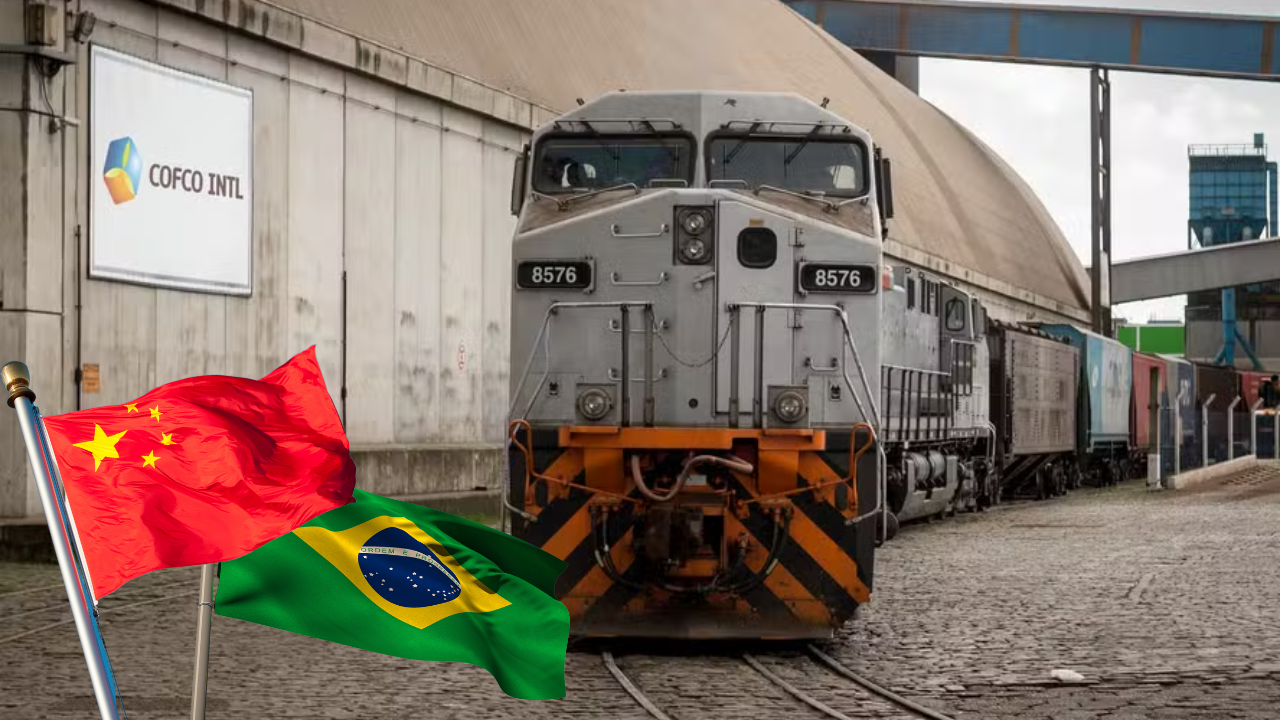


China Invests in Railway Transportation in Brazil, Boosting Agriculture and Expanding Grain and Sugar Exports.
China continues to expand its role in the Brazilian agriculture sector. The state-owned Cofco International, one of the largest food companies in the world, announced a significant investment of R$ 1.2 billion in Brazil.
This investment will be directed toward improving the railway transportation of grains and sugar, with the aim of optimizing logistics to the Port of Santos, the largest port terminal in Latin America.
The Brazilian agriculture sector will directly benefit from this investment, as it will strengthen the transportation infrastructure in the country, boosting exports and consolidating China as a strategic partner in Brazil.
-
Historic bankruptcy of Centauro shocks the market, and the century-old company puts more than 500,000 products, machines, and complete infrastructure up for online auction.

-
New shoe factory in Ceará is expected to create 400 jobs and strengthen the local economy.
-
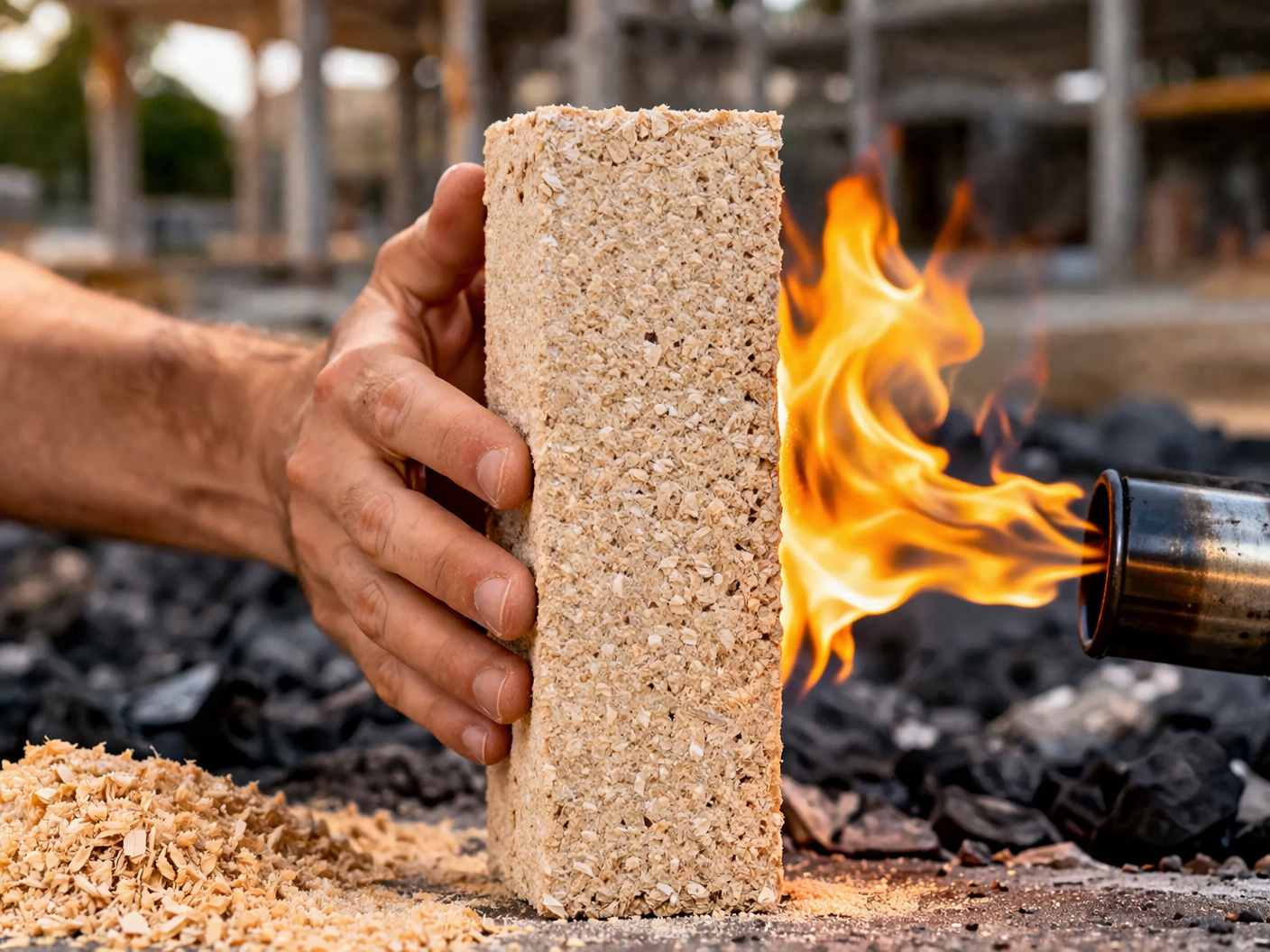
No one imagined it, but a mixture of sawdust with a mineral that fights fires surprises scientists with a result that changes the course of fire-resistant construction.
-
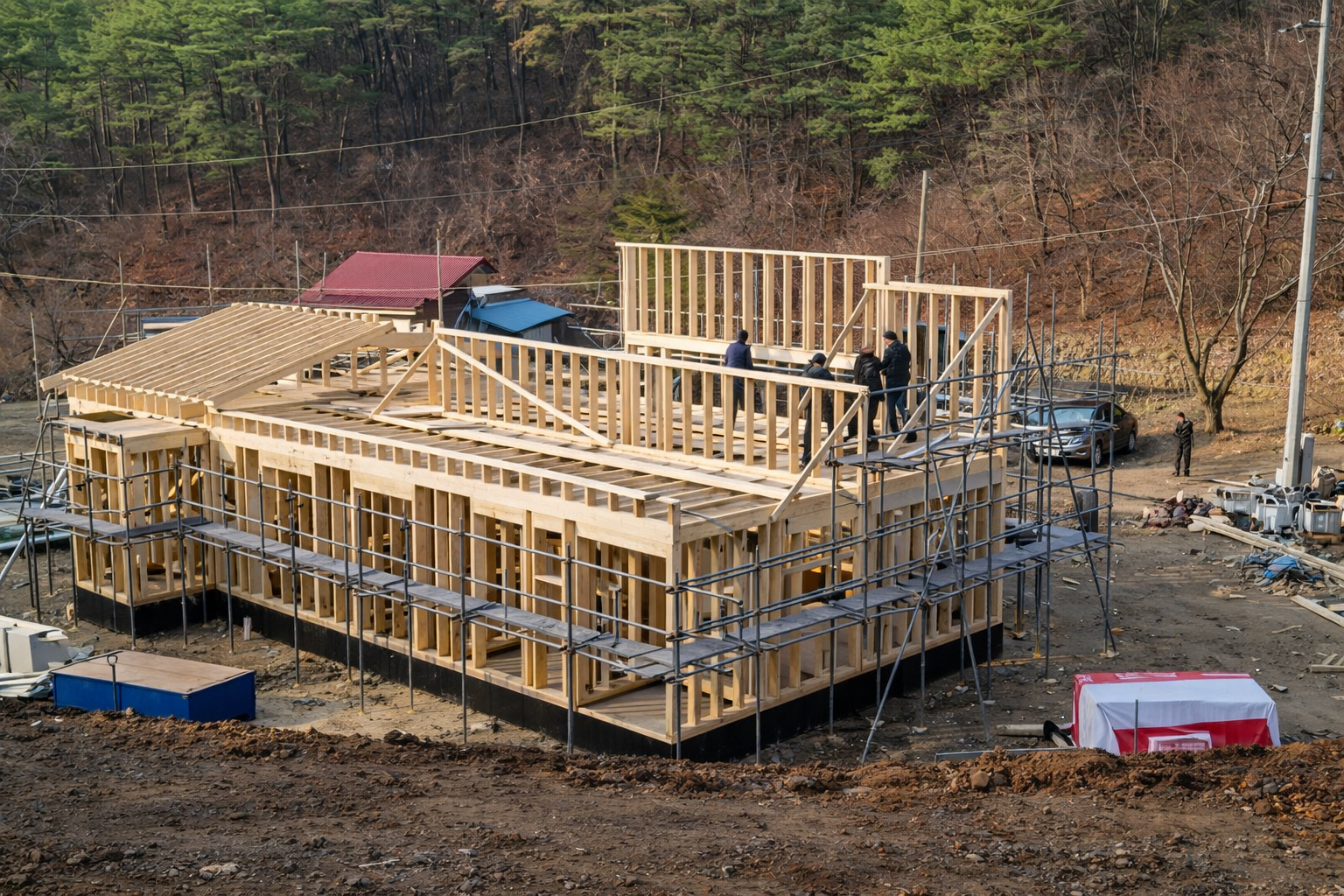
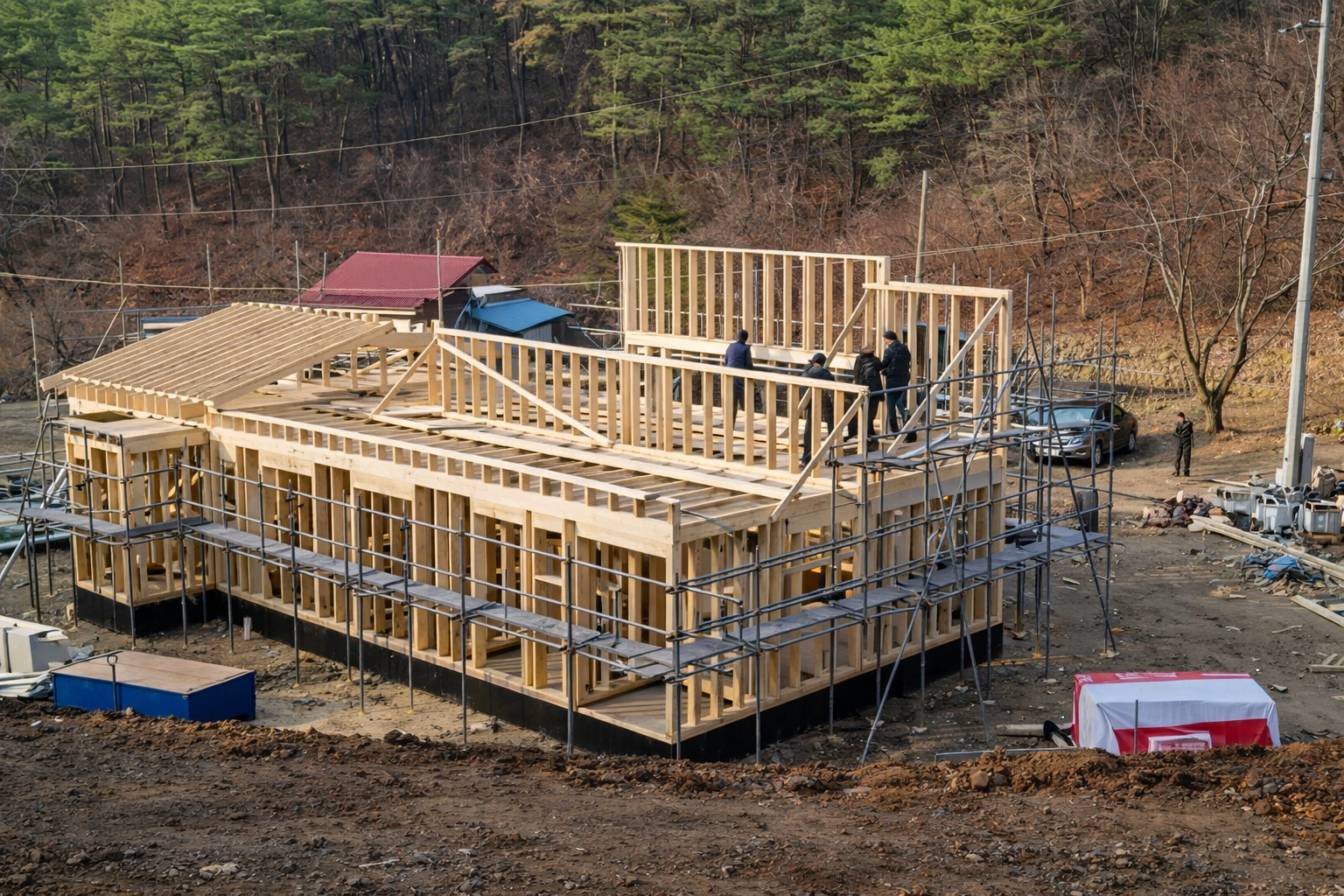
From empty land to a high-end house, wooden construction uses a lightweight system, metal structure for the foundation, ventilated ceramic cladding, and special windows to create an efficient and comfortable living space throughout the year.

Impact of Strengthening Railway Transportation on Agriculture
Cofco International purchased 979 railcars and 23 locomotives to strengthen railway transportation in Brazil, focusing on grains and sugar.
This investment of R$ 1.2 billion is part of a partnership with the Brazilian railway operator Rumo.
The forecast is that the export capacity of the two companies will increase by more than 200% by 2026.
This represents a direct impact on the Brazilian agriculture sector, as railway transportation will be an efficient and sustainable alternative to the currently heavily used road transportation.
This expansion in the transportation of grains and sugar will contribute to Brazil’s growth in the international market and strengthen the competitiveness of agriculture in the country.
China’s Role in Brazilian Agriculture and Job Creation
The investment by China in Brazilian agriculture brings benefits not only for transportation but also for the local economy.
With the project, it is expected that 480 direct jobs will be created during implementation.
The increase in transportation capacity, moving up to 14.5 million tons of agricultural products per year, will positively impact agriculture in Brazil, helping the country consolidate its leadership position in grain and sugar exports.
By investing in agriculture and railway transportation, China reinforces its role as a strategic partner of Brazil in the sector.
The Partnership with Rumo Logistics
The investment strategy of Cofco reflects the growing presence of China in Brazil, both in agriculture and in transport logistics.
The partnership with Rumo is crucial for the success of this project, as the railway operator is responsible for the main logistics corridors connecting producing regions in the Midwest to the Port of Santos.
The Chinese investment in railway transportation also aims to reduce the historical logistical bottlenecks that hinder Brazilian agriculture.
Moreover, by focusing on a more sustainable mode of transportation, the project will contribute to reducing greenhouse gas emissions and alleviating road traffic.
With the project’s completion expected in 2026, Brazilian agriculture will see a revolution in its transportation system, thanks to a strong investment from China, which will continue to support Brazil in developing its infrastructure and growing the sector.
With information from the website Globo Rural








Além de reforçar o sistema atual, precisamos aumentar a malha.
Depois da Privatização da RFFSA, o sistema ferroviário ficou, fragmentado (isolado), com ferrovias e estações de embalarques abandonadas.
Acredito que, para que exista mais sustentabilidade ferroviária, no que diz respeito à logística, viagens e turismo ferroviário é preciso que seja feita a interligação à nível transcontinental, das ferrovias da Vale EFVM, no Sudeste, com a Estrada de Ferro Carajás (EFC), no Nordeste e Norte. Já, as ferrovias: Centro Atlântica FCA, em MG; a Ferrovia de Integração Oeste-Leste (FIOL),na Bahia; e a Ferrovia Norte-Sul, em Goiás e Tocantins, entrariam no trajeto, como intermediárias.
O esquerdistas são os mesmos de sempre, vender o Brasil para pais **** e de trabalho de escravo.