





 Portuguese
  English
  Spanish
  3 min of reading
  0 comments


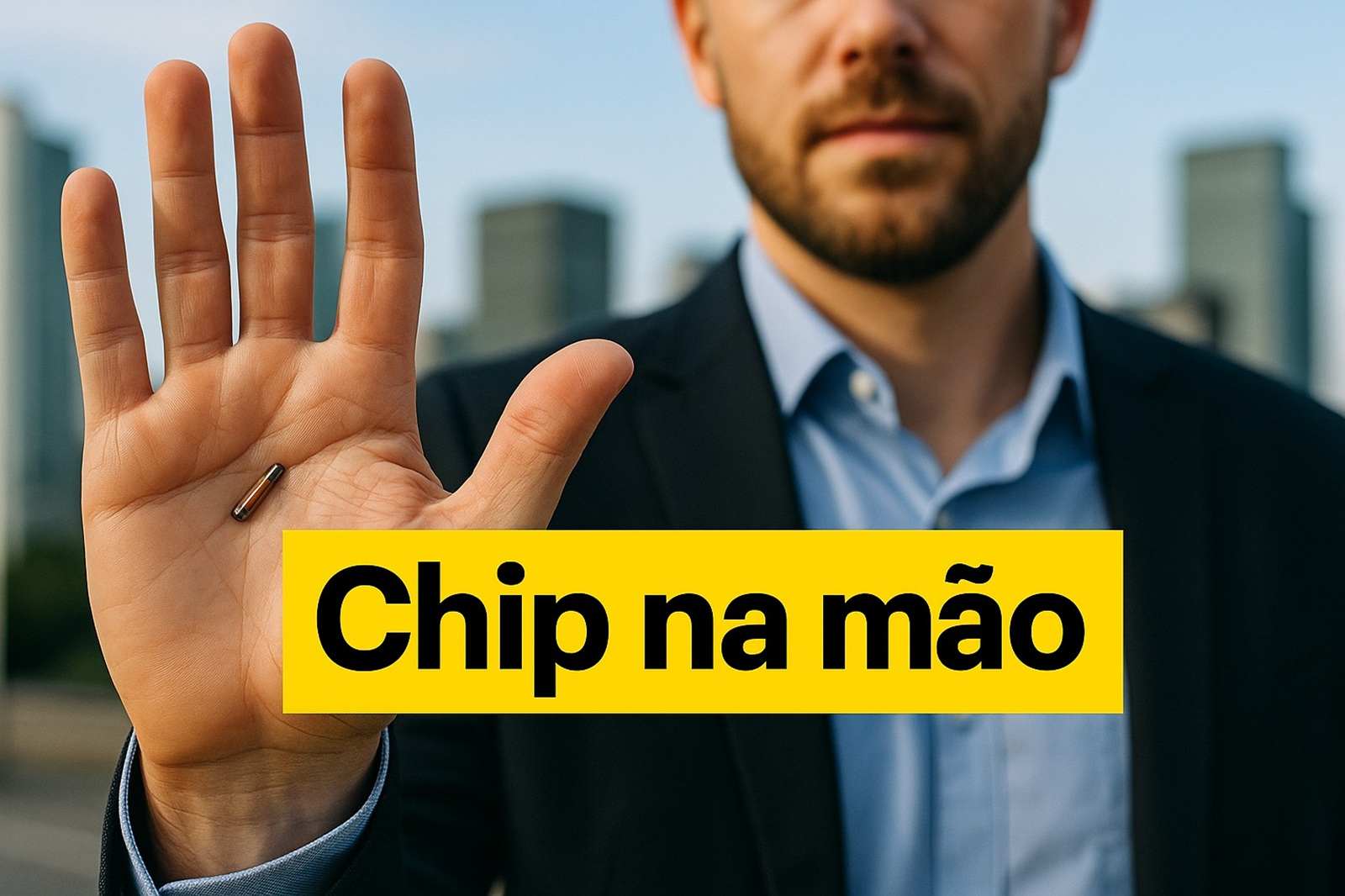
The Adoption of Chips in the Hands of Employees at a Swedish Company Creates a Scenario That Blends Technological Innovation, Collective Curiosity, and a Growing Debate About Privacy, Corporate Control, and the Limits of the Human Body in the Digital Age
Epicenter, known as the first Digital Innovation House in Stockholm, has implanted chips in the hands of 150 employees and core members. The proposal is to simplify daily tasks and make routines smoother.
The practice of placing chips in hands, once seen only in fictional productions, now appears in a corporate environment that bets on solutions considered futuristic.
Sweden adopts this technology in a scenario where experiences with implants were treated as themes for series or films.
-
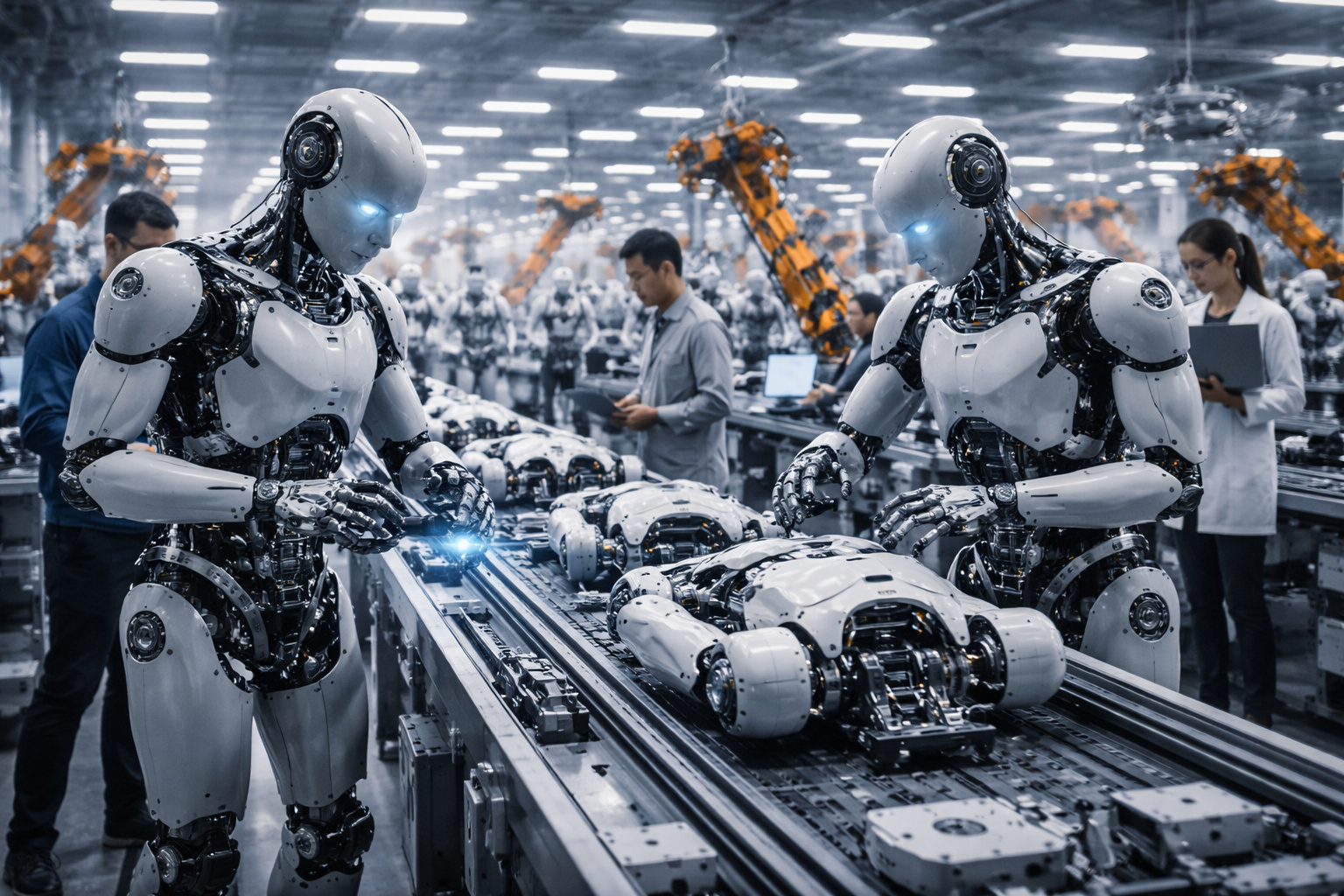
10 million robots per year in unprecedented industrial scale place China at the forefront of automated production and raise the question of how far machines can manufacture other machines.
-
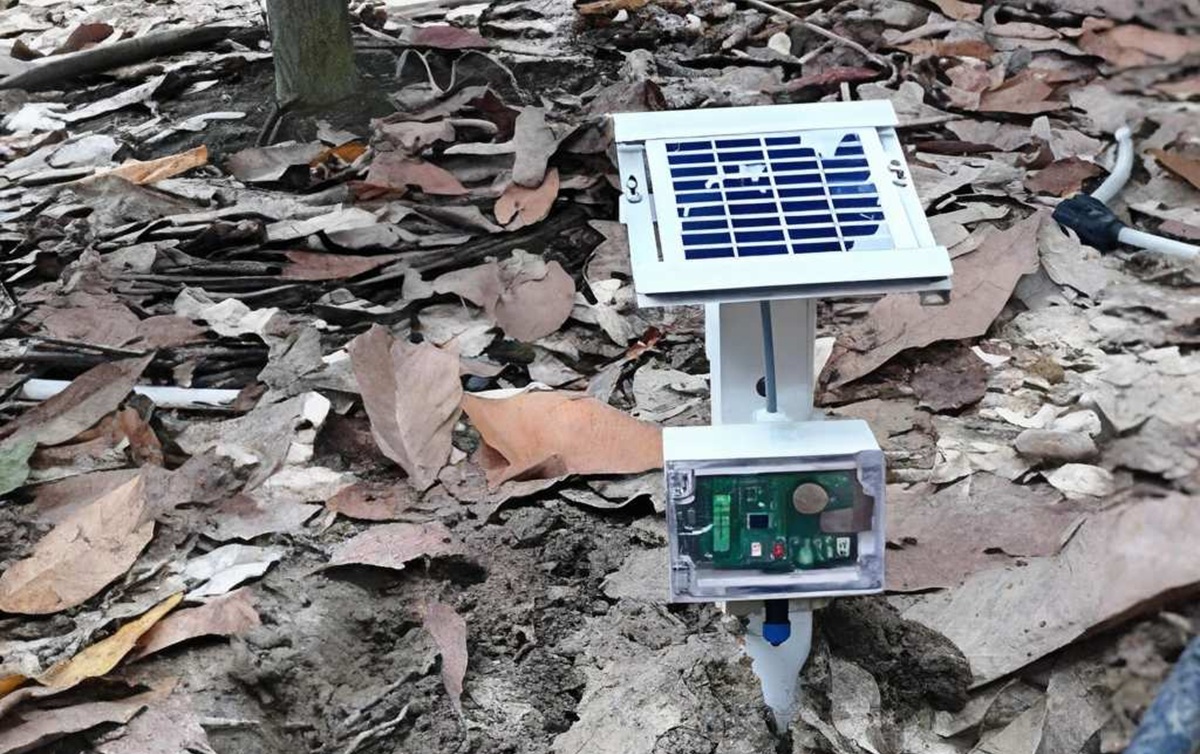
Researchers in Malaysia buried sensors at 15 and 30 cm and can now predict soil moisture with 95.49% accuracy, helping the field to irrigate only at the right time and reduce water waste.
-
Technology developed to protect military communications in the 1940s scrambled voices and today gives rise to the robotic sound that dominates current music.

-
If you look at the sky this Wednesday, you will see the Pink Moon shining at its peak at 10:11 PM, but before you get disappointed, know that the name has nothing to do with the color and instead refers to flowers that bloom at this time in the United States.


The advancement occurs while the country positions itself as a pioneer in the practical use of these devices for internal functions. The initiative makes concrete something that, until recently, was limited to the entertainment universe.
How the Technology Works
The implanted chips use Radio Frequency Identification, positioned between the thumb and index finger. The application is carried out during events promoted by Epicenter, with the support of Biohax, a Swedish company responsible for implant services.
The technology employed is based on Near Field Communication, similar to that used in mobile payments.
The devices operate passively, transmitting information when close to compatible sensors, but without the ability to respond to received data.
The process allows the chips to replace traditional cards used to access spaces or equipment.
The CEO of Epicenter, Patrick Mesterton, believes that the use of implanted RFID can expand possibilities, such as paying for a coffee or performing common tasks without the need for additional objects.
Other countries are studying similar solutions, although the Swedish practice represents the most concrete advancement in this field.
The Discussion About Privacy
The ability of microchips to store simple data is just one part of the debate. They can also carry personal information. According to Ben Libberton, it would be possible to extract data related to health, location, and frequency of breaks during work hours. The implications raise questions about limits and security in the use of these technologies.
Even in the face of concerns, some see the implants with enthusiasm. For Fredric Kaijser, Director of User Experience at Epicenter, curiosity and the possibility of testing new things outweigh doubts. His view highlights the potential of the chips as facilitators of daily activities and future-oriented tools.
Between Convenience and Risks
The advantages presented by microchips coexist with uncertainties related to access and control of the stored information. Convenience becomes evident when processes become faster, while privacy issues continue to influence perceptions of the technology.
The balance between practicality and data protection remains a central point of this experience of chips in hands, which could redefine relationships between companies, workers, and implantable devices.









Seja o primeiro a reagir!