





 Portuguese
  English
  Spanish
  4 min of reading
  0 comments


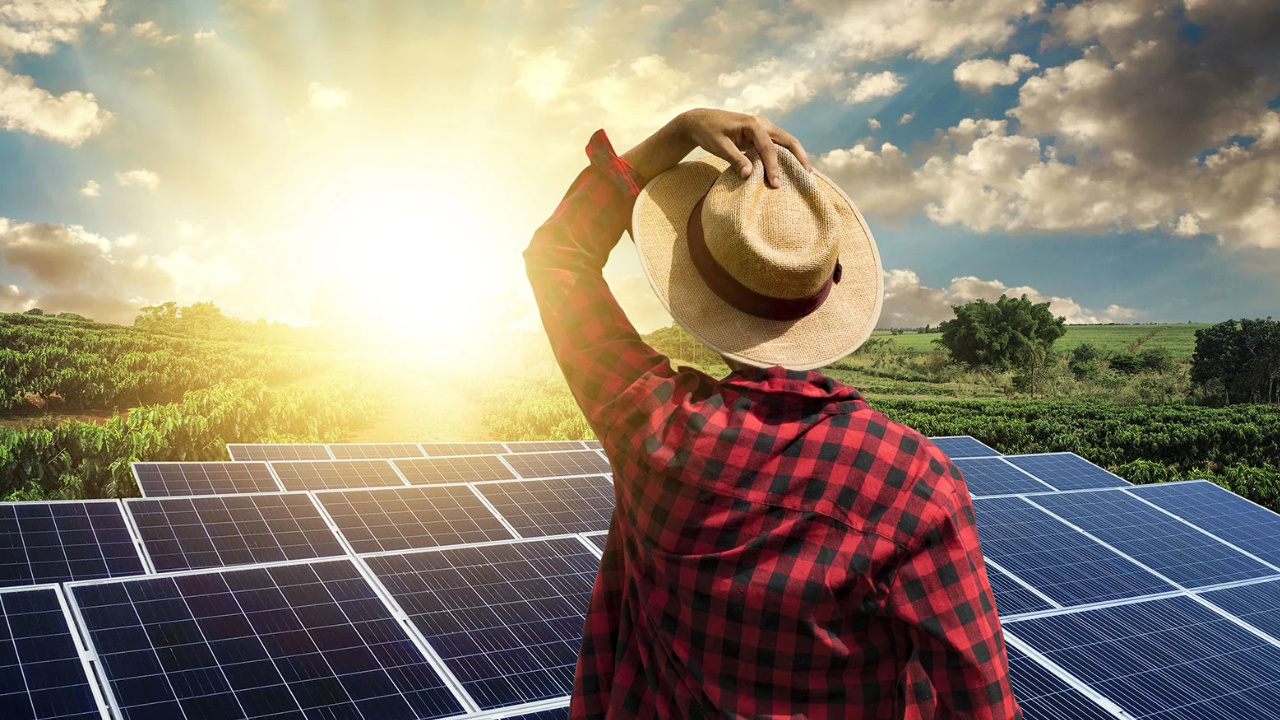
The Expansion of Clean Energy in Rural Brazil Accelerates Distributed Generation, Reduces Operational Costs, and Strengthens Productivity in the Field.
The use of clean energy in the Brazilian countryside has ceased to be a trend and has become part of the productive strategy of thousands of farmers. The combination of high solar incidence, large land areas, and a growing need for electrification has accelerated the adoption of distributed generation systems in rural properties.
Data from the National Electric Energy Agency (Aneel) indicates that the consumption of self-generated energy in rural areas increased by about 60% between June 2023 and June 2025. During this period, installed capacity jumped from 3.5 gigawatts to 5.6 gigawatts, consolidating the countryside as one of the main growth vectors for clean energy in the country.
This advancement occurs in a favorable scenario. Brazil has more than 80 million hectares dedicated to agriculture and records more than 3,000 hours of full sun per year, conditions considered ideal for photovoltaic generation.
-
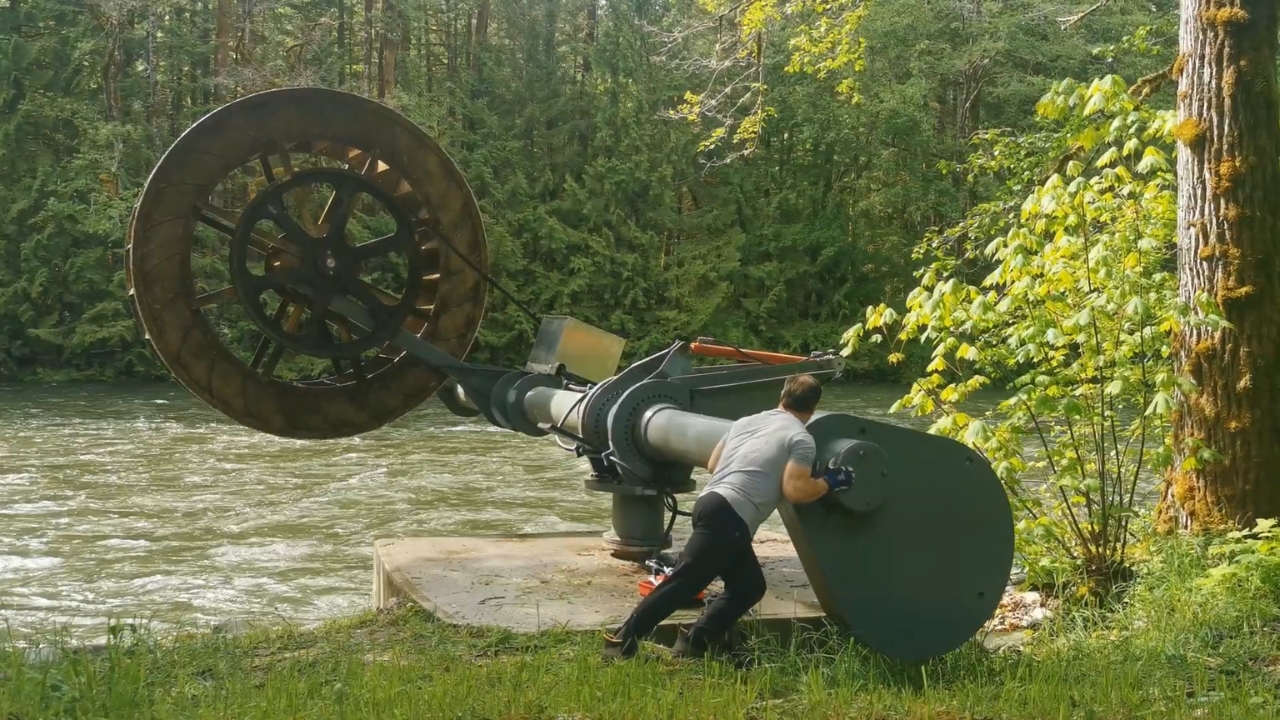
A Canadian retiree creates a hydroelectric system on a real river, generating energy continuously throughout the day and demonstrating how the power of water can supply a house with stability even in a simple structure.
-
Petrobras reaffirms its commitment to the market and ensures that it will carry out the energy transition safely to maintain national sovereignty.

-
Researchers discover a possible hydrogen deposit of up to 46 million tons beneath an ancient coal basin, and the volume could exceed half of the entire global production.

-
China bets on the Fishery-PV model and transforms fish farms into giant solar plants, covering ponds with panels that generate energy while utilizing the same space for large-scale aquaculture production.


Cost Savings and Predictability Drive Producer Adoption
The main motivation for investing in clean energy on rural properties is economic. By generating their own electricity, producers reduce their dependence on utilities, decrease exposure to tariff fluctuations, and operate with greater cost predictability.
Moreover, there is a significant reduction in the use of diesel-powered generators, especially in regions farther from major urban centers. This factor directly impacts budgets and also contributes to the reduction of pollutant emissions.
Another advantage is the ability to maintain supply even during low generation hours. Systems that include storage batteries allow the use of energy at night or on cloudy days, ensuring operational continuity for essential activities.
Financial Return and Lifespan Make Projects Attractive
The implementation cost varies according to specific characteristics of each property. Available area, geographical location, and energy demand directly influence the final project cost. Still, economic viability has proven consistent across different producer profiles.
According to Fábio Lima, executive director of the Brazilian Association of Energy Storage Solutions (Absae), financial return occurs within a relatively short period. “That’s where you have the peak of the economic viability of these projects. And compared to that, you have the lifecycle, a duration of this system in the order of 15 to 20 years. So you have 10 to 15 years of profitability with the use of these systems,” says the executive.
This return horizon has been crucial for increasing adoption, especially among medium and large producers.
Matopiba Stands Out As a New Frontier for Clean Energy
Although investments are distributed across the country, the fastest advancements are taking place in Matopiba, a region encompassing Maranhão, Tocantins, Piauí, and Bahia. Considered the new agricultural frontier of the nation, the area is also distinguished by the modernization of its electrical infrastructure.
According to Lima, the expansion of clean energy in this region directly affects productivity. “With this, you have a stable, low-cost, and renewable grid – based on clean energy, without pollutant emissions – which allows you to expand your investment in irrigation, refrigeration, and various forms of rural electrification to increase your productivity,” says the administrator.
A more stable energy supply favors everything from irrigation systems to refrigeration chains, fundamental for reducing losses in the storage and transportation of production.
Legal Framework Strengthens Confidence and Attracts New Investments
The consolidation of clean energy in the countryside also relies on legal security. The sanctioning of Law No. 15.269/2025, known as the Electric Sector Reform, is seen by the sector as a decisive step to unlock new investments.
The legislation was sanctioned at the end of last year and establishes new rules for the electricity sector. Among the objectives are tariff reductions, strengthening energy security, regulating electricity storage, and facilitating market trading.
For sector entities, the new legal framework creates a more predictable environment, reduces regulatory uncertainties, and increases producers’ confidence in adopting solutions based on clean energy.
Rural Consumption Still Low Compared to Available Potential
Despite technological advancements in the countryside, electricity consumption in rural areas still represents a small fraction of the national total. A survey by the Energy Research Company (EPE) shows that, in November, of the 47.4 thousand gigawatts consumed in the country, only 2.7 thousand were used in rural areas, equivalent to 5.7%.
This data reinforces the growth potential of the sector. The expansion of rural electrification, associated with the use of clean energy, is likely to follow the modernization of agricultural activities, characterized by the growing use of automated machinery, drones, and electric irrigation systems.
In this context, clean energy becomes not only a sustainable alternative but also a strategic component for the competitiveness of Brazilian agribusiness.






Seja o primeiro a reagir!