





 Portuguese
  English
  Spanish
  4 min of reading
  0 comments


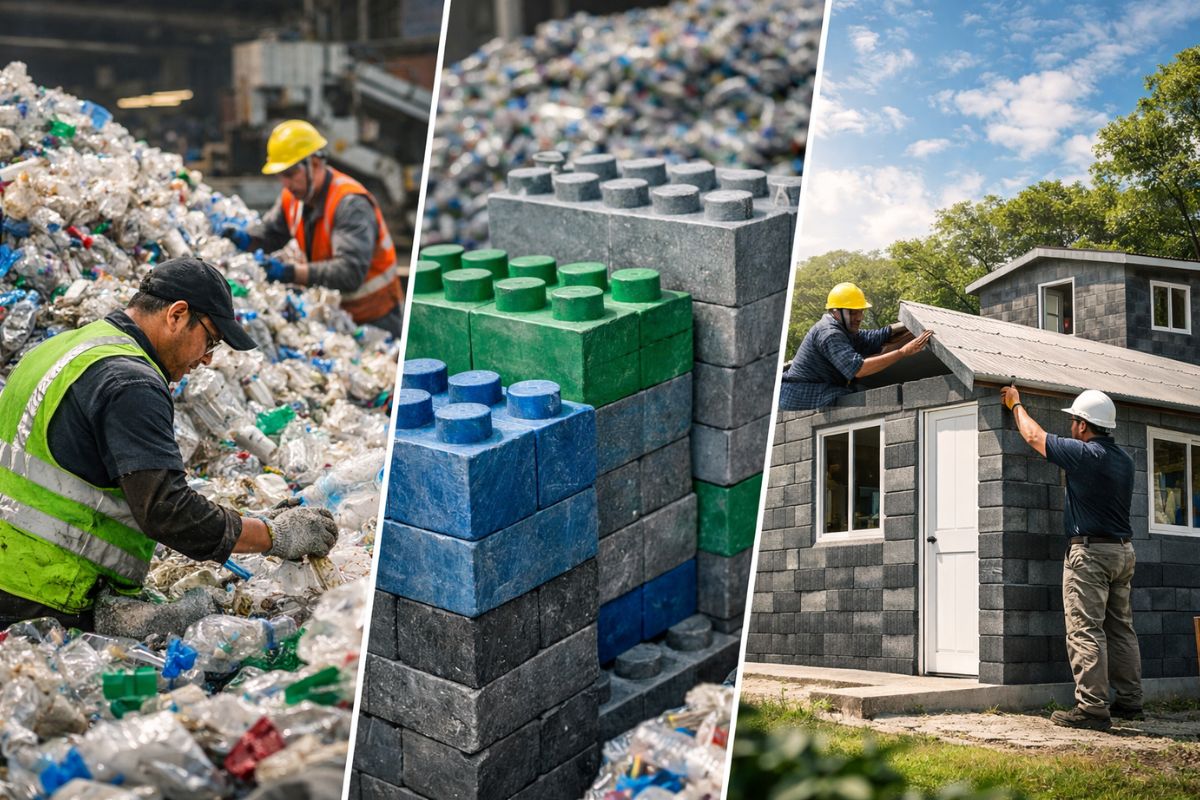
In A Country That Introduces 700,500 Tons of Plastic Packaging Annually and Recycles Only 3%, Conceptos Plásticos Claims to Have Recovered More Than 3,000 Tons of Plastic and Transformed It Into Blocks to Build Houses, Schools, and Health Centers With Support from TRANSFORM in Vulnerable Communities Across the Country.
Colombia Faces a Difficult Paradox to Ignore: While 700,500 Tons of Plastic Containers and Packaging Enter the Domestic Market Every Year, Only 3% of This Volume Is Recycled. In This Context, Tons of Plastic Cease to Be Merely a Disposal Problem When They Are Treated as Raw Material for Infrastructure Solutions.
This Is Where Conceptos Plasticos Positions Itself: The Company Claims to Have Already Collected More Than 3,000 Tons of Plastic and Created a 100% Recycled Plastic Construction System, Bricks & Blocks, Aimed at Building Houses, Schools, Health Centers, and Storage Structures for People in Situations of Vulnerability While Maintaining Stable Employment for Over 250 People.
What Colombia’s Numbers Say About the Fate of Plastic

When A Country Introduces 700,500 Tons of Plastic Packaging into the Market Annually and Only Recyles 3%, the Numbers Don’t Add Up in Daily Life: The Excess Tends to Accumulate in Landfills, Urban Areas, and Natural Environments. The Gap Between What Is Consumed and What Is Reused Creates A Permanent Pressure for Systems That Can Capture Value Before Waste Becomes Environmental and Social Cost.
-
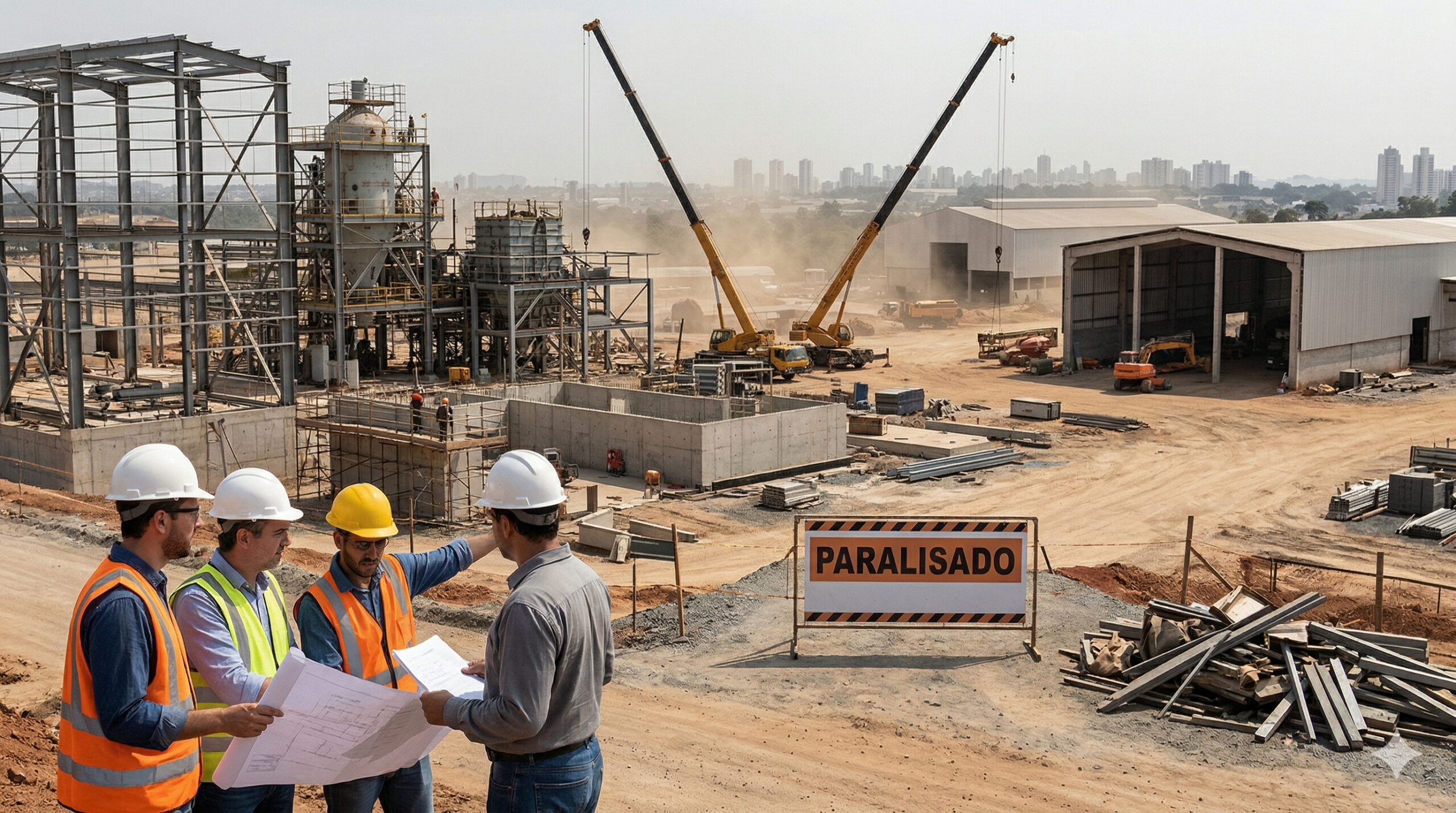
The lack of welders, electricians, and operators becomes a structural threat in 2025, with the construction industry and manufacturing already suffering from delays, cost pressures, and labor shortages in Brazil.
-
Brazil and Paraguay are just 46 meters away from a historic union on the bioceanic bridge that promises to revolutionize trade between the Atlantic and the Pacific.

-
With 55 km over the sea, a cost of US$ 20 billion, and enough steel to build 60 Eiffel Towers, China’s largest project has connected Hong Kong, Zhuhai, and Macau in a colossal bridge that defies the logic of engineering.

-
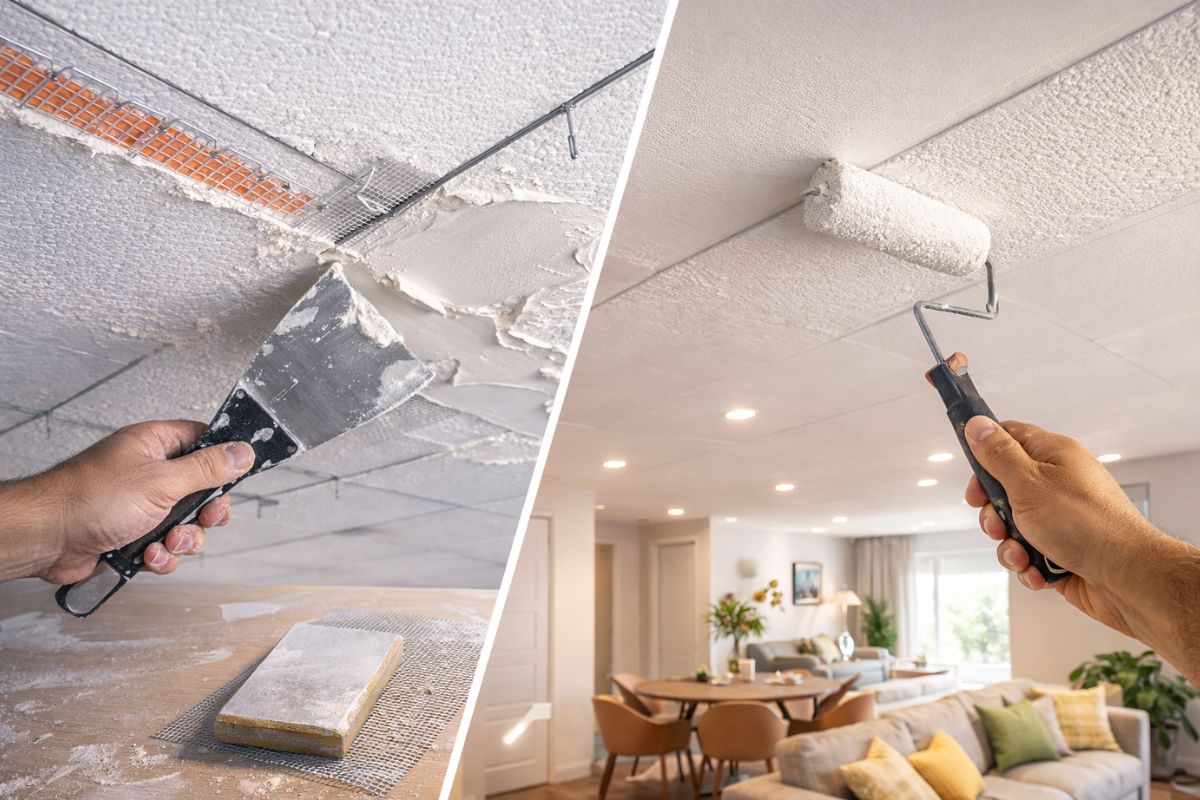
A trick with joint compound transforms a Styrofoam ceiling into a plaster-like ceiling: leveled panels, wires and mesh at the joints, sand, paint, and change the environment while spending little today.

This Is Why The Discussion About Tons of Plastic Is Not Limited to “Recycling More,” But To Organizing Collection, Sorting, and Processing Chains With Scale and Predictability. Without Constant Volume and Stable Routes, Recyclable Material Swings Between Being Scarce for Industry and Abundant in the Streets, and The Solution Becomes An Exception Rather Than The Rule.
How A 100% Recycled System Changes The Logic of Construction
Conceptos Plasticos Describes Bricks & Blocks as A 100% Recycled Plastic Construction System Capable of Enabling Houses, Schools, Health Centers, and Storage Centers.
The Central Idea, In Practice, Is To Shift Tons of Plastic From Being Waste to Being Constructive Components, Bringing Waste Management and Social Infrastructure Together in The Same Operation.
In Technical Terms, Any Construction System Based on Recycled Polymers Requires Strict Control: Consistency of Inputs, Separation by Resin Type, Removal of Contaminants, and Standardization of The Final Product.
When This Fails, It Is Not Just Aesthetic That Suffers; The Variability of The Material Can Affect Assembly, Fit, Durability, and Maintenance Over Time, Especially in Public Uses Such as Schools and Health Centers.
Who Joins The Chain and Why Employment Becomes Part of The Project
The Company Claims That, Besides Reducing The Impact of Plastic Pollution, The Model Is Linked to A Direct Social Effect: Stable Employment for Over 250 Individuals.
This Point Matters Because, In Many Contexts, Recycling Depends on Intermittent and Informal Work, With Volatile Income and Little Protection, Which Weakens Both People and The Regularity of Material Supply.
Thus, When It Comes to Tons of Plastic, It Is Not Only About “Removing From The Environment,” But Creating Work Routines, Logistics, and Material Purchasing That Sustain The Operation Month After Month.
When The Chain Becomes Predictable, Waste Stops Being Something That “Appears” and Becomes Something That “Circulates” With Clearer Rules, Goals, and Responsibilities.
TRANSFORM and The WaY: When Recycling Becomes Behavioral Change
The Expansion of The Project Is Attributed, In Part, To Support From TRANSFORM, Whose Resources and Expertise Contributed to The WaY (Women and Youth).
The Program Is Presented As An Empowerment Initiative Aimed at Female Heads of Households and Young Recyclers in More Vulnerable Communities, With A Triple Objective: Promote The Importance of Recycling, Give Dignity to Work With Good Labor Practices and Education With New Technologies, and Encourage Community Entrepreneurship.
Here, The Logic Is Less About “Campaign” and More About “Social Infrastructure”: When Communities Start to Understand The Value of Proper Disposal and When The Work of Collection and Sorting Is Recognized, Tons of Plastic Tend to Be Captured Before Mixing With Waste.
Behavioral Change Becomes Part of Environmental Performance Because It Increases The Quality of Recovered Material and Reduces Losses in Sorting.
What Still Challenges Scalable Solutions With Recycled Plastic
Even With A Construction System Described As 100% Recycled, The Structural Challenge Remains in The Background: Colombia Only Recycles 3% of What It Introduces into The Market in Plastic Packaging.
This Means That Isolated Initiatives, No Matter How Locally Relevant, Compete With A Much Larger Flow of Consumption, Disposal, and Low Recovery, and The Difference Between “Project” and “Policy” Becomes Decisive.
It Is Also Worth Noting That “Scale” Is Not Just About Producing More Blocks: It Is About Ensuring The Origin of Tons of Plastic, Maintaining Quality Standards, Expanding Environmental Education, and Sustaining Stable Working Conditions.
When One Link Fails, The Entire System Loses Efficiency, and What Should Become Construction Can Return to Being A Disposal Problem.
The Case of Conceptos Plasticos Shows How Tons of Plastic Can Stop Being Merely An Indicator of Pollution and Transform into A Variable for Urban and Social Planning, Especially When Stable Employment, Community Education, and A Construction System Focused on Essential Facilities Like Schools and Health Centers Are Considered.
In Your City, Does The Plastic You Dispose of Have A Reliable Path to Recycling or Does It “Vanish” Along The Way?
Have You Ever Seen Any Public or Community Projects Using Recycled Materials In A Visible Way? And If Such A Project Came Near You, What Would Make The Most Difference: Reducing Litter in The Streets, Generating Stable Jobs, or Building Spaces Like Schools and Health Posts With This Material?









-

-

-

-

-

-

34 pessoas reagiram a isso.