





 Portuguese
  English
  Spanish
  4 min of reading
  1 comment


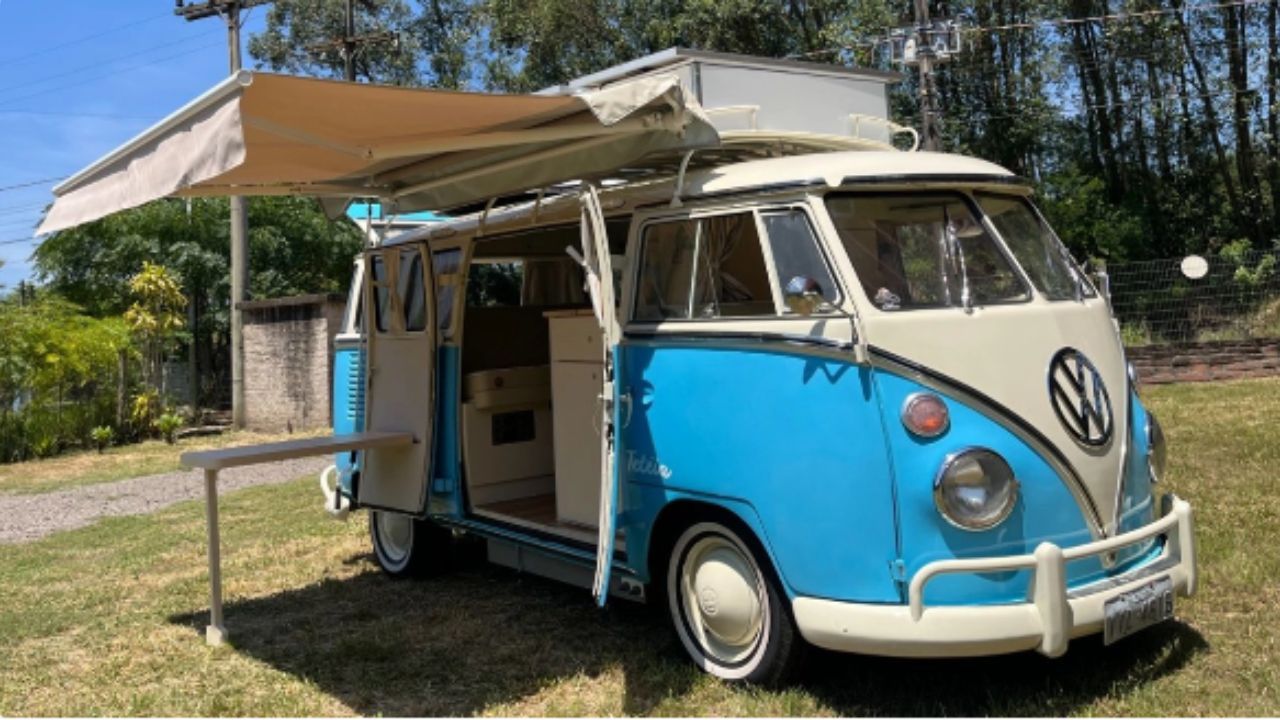


From R$ 7,500 to R$ 160,000: Understand The Real Costs of DIY Projects, The Traps of Mechanics, and The Value of Legalization.
The dream of freedom on wheels attracts thousands of Brazilians, but financial planning to convert a van into a motorhome often stumbles upon the subjectivity of what is considered essential. While enthusiasts seek the autonomy of traveling on a budget, the definition of a “basic setup” is the most critical and financially dangerous factor in this universe. The final cost does not only depend on aesthetics but on the minimum functionality required for safety and legality.
To provide a realistic overview, we analyzed technical data from real projects and market costs. The variation is immense: it is possible to execute a minimalist project in a Fiorino for less than R$ 10,000, or invest over R$ 160,000 in a Sprinter with semi-professional finishing. Below, we detail the costs of materials, the catch of vehicle maintenance, and the impact of documentation on the final budget.
What Defines The Cost of a Basic Setup?
Before calculating values, it is necessary to define the scope. For technical purposes, a basic setup includes insulation, lining, and minimum electrical and plumbing systems. According to industry cost reports, the thermal and acoustic insulation stage, combined with internal lining (walls and ceiling in MDF or vinyl), has an estimated cost between R$ 1,000 and R$ 3,000. The functional infrastructure — which includes a stationary battery, inverter, water pump, and tanks — requires an investment between R$ 3,000 and R$ 8,000.
-
Scientists warn that a comet about 1 km in size that has started to release gases may actually change direction in space. It was spotted by NASA and surprises with potential impacts near Earth.

-
These living root bridges and ladders are over 700 years old and help indigenous people survive in one of the rainiest regions in the world.

-
From sertanejo star to international investor: Ana Castela invests millions in a mansion in the USA, creates a themed accommodation in Orlando, and shows that the “boiadeira” also wants to grow away from the stage.

-
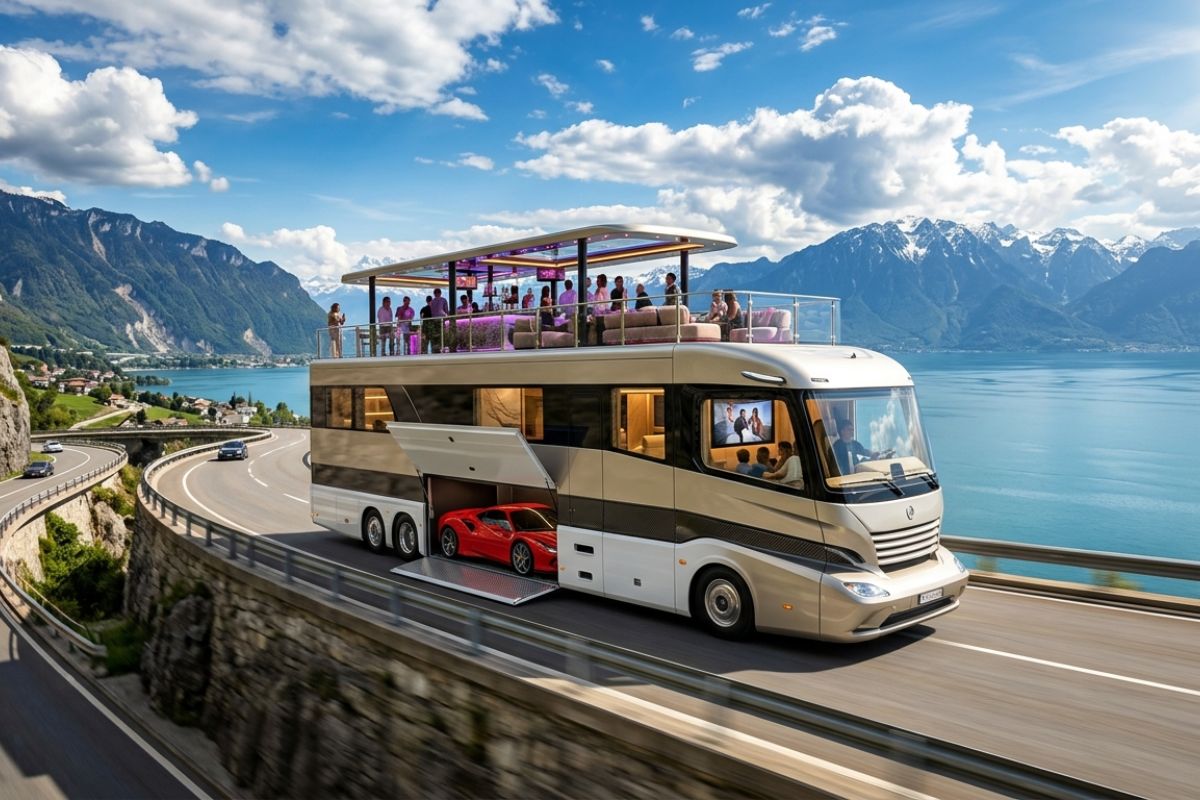
The 10 most stunning motorhomes in the world: a $3 million trailer with a rooftop nightclub and garage for a Ferrari, “palaces on wheels” with Italian marble, private cinema, and five-star hotel luxury for billionaires.

One of the biggest risks when converting a van into a motorhome is the so-called “scope creep”. Adding a comfort item, such as an air conditioner, triggers a chain reaction in the budget: the device requires more solar panels, which necessitate a better charge controller and larger batteries. Therefore, initial budgets of R$ 30,000 can quickly escalate to R$ 50,000. The real cost is not just the price of the equipment but of the entire electrical ecosystem needed to support it.
The Trap of Used Vehicles: Acquisition vs. Repairs
The choice of the base vehicle is the first major expenditure and where the most common miscalculations occur. Data from real projects indicate that savings from purchasing an older car are often neutralized by immediate workshop costs. A “cheap” vehicle almost always requires an initial investment between 15% and 33% of the purchase price just to put it in driving condition.
The Fiorino Case Study illustrates this scenario well: in a project with a total cost of R$ 7,500, about R$ 2,500 was spent exclusively on documentation and initial mechanical repairs even before construction began. Meanwhile, the Kombi Case Study revealed that, after acquiring the vehicle for R$ 30,500, an additional R$ 4,519 was needed for bodywork and basic maintenance. Therefore, the budget should account for these repairs as part of the acquisition, not as part of the house assembly.
Case Studies: How Much Does It Cost in Practice (Real Data)


To understand the financial feasibility of converting a van into a motorhome, it is essential to observe the consolidated numbers from those who have already completed the process. The analysis divides projects into three main categories: micro-basic, classic, and advanced.
The Fiorino Case Study established the cost floor for a functional project in Brazil. With a construction cost of only R$ 5,000 and a total project cost of R$ 7,500, this model proves the viability of extreme low-cost adaptations, albeit with severe space limitations.
Moving up a level, the Kombi Case Study serves as the main benchmark for a complete DIY project. This source detailed a total cost of R$ 51,550 (without partnerships). This amount included R$ 30,500 for the vehicle purchase and R$ 21,050 for the assembly. The construction was detailed in specific subsystems: R$ 5,150 for the electrical system, R$ 1,350 for the plumbing system, and R$ 3,370 for furniture and equipment.
At the top of the DIY category, the Sprinter Case Study demonstrated how costs scale in larger vehicles. The project had an assembly cost of R$ 70,000, along with a vehicle acquisition cost (with repairs) of R$ 88,159.66. The total project exceeded R$ 158,000, highlighting that vehicles with more space require more complex finishes and systems.
The Professional Route and The Costs of Legalization
Those who choose not to get their hands dirty find a professional market with distinct prices. Basic assembly packages (service and materials only, without the vehicle) start at R$ 49,995. Ready vehicles, such as a used Sprinter with new assembly, cost around R$ 219,000. Although more expensive, professional service absorbs the bureaucratic complexity and protects the resale value of the asset.
Legalization is the mandatory final step to change the document from “Van” to “Motorhome”. The Sprinter Case Study indicated a cost of R$ 3,000 for this process, including agent fees. Trying to save money here can be a mistake: regularization ensures that the vehicle can be transferred in the future. A robust budget should always consider three funds: the vehicle fund (purchase + repairs), the assembly fund (R$ 20,000 to R$ 50,000 for a comfortable DIY), and the bureaucracy fund.
Would you invest time in a DIY project to save money, or prefer the safety of a professional assembly? Share your opinion or questions in the comments below.






Montagem profissional e carro com no máximo 10 anos e em boas condições