





 Portuguese
  English
  Spanish
 5 min of reading
  0 comments


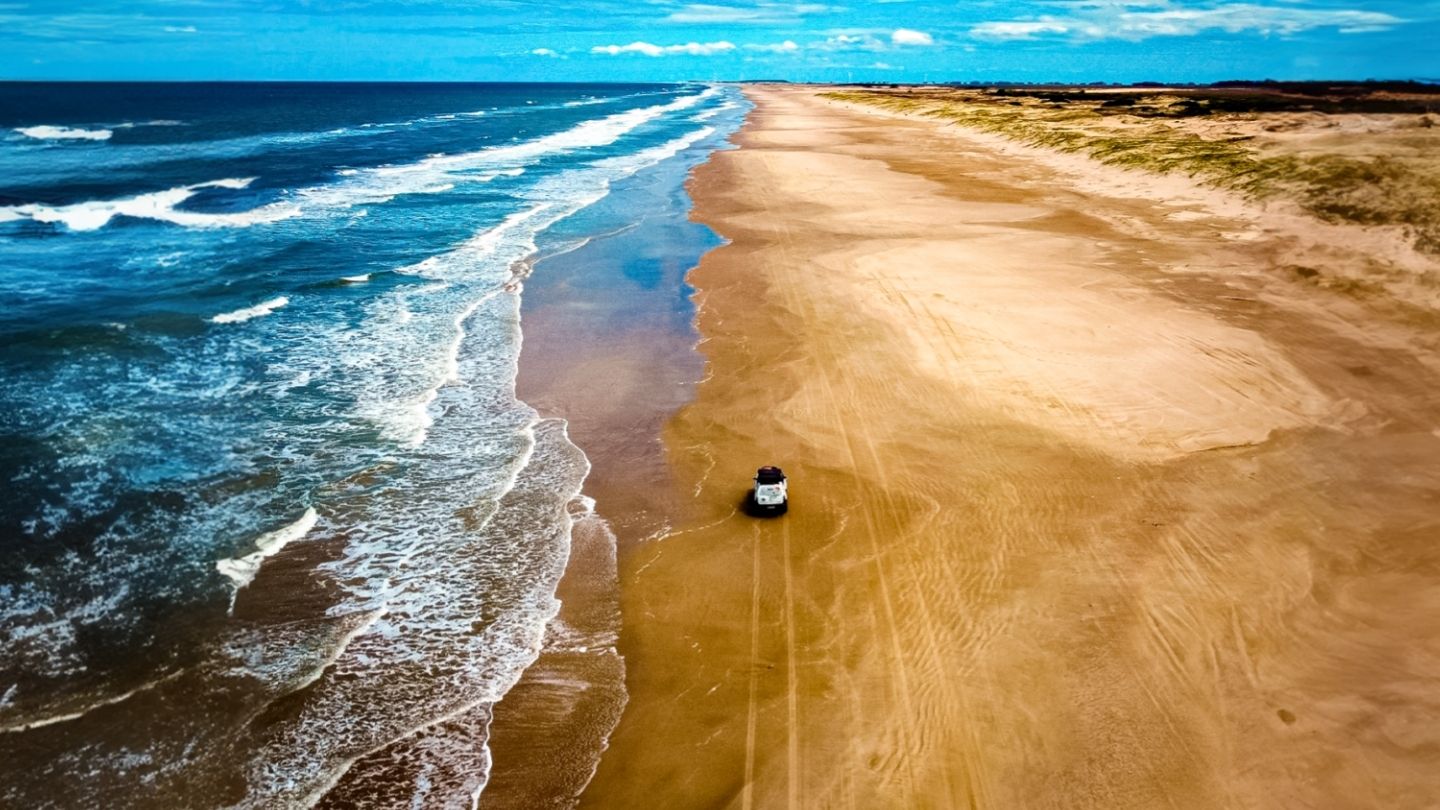
With 254 Kilometers of Extension, Cassino Beach, on the Southern Coast of Rio Grande do Sul, Impresses with Its Varied Scenery, Low Urbanization, and Natural Curiosities, Attracting Tourists, Researchers, and Nature Lovers to the Far South of Brazil.
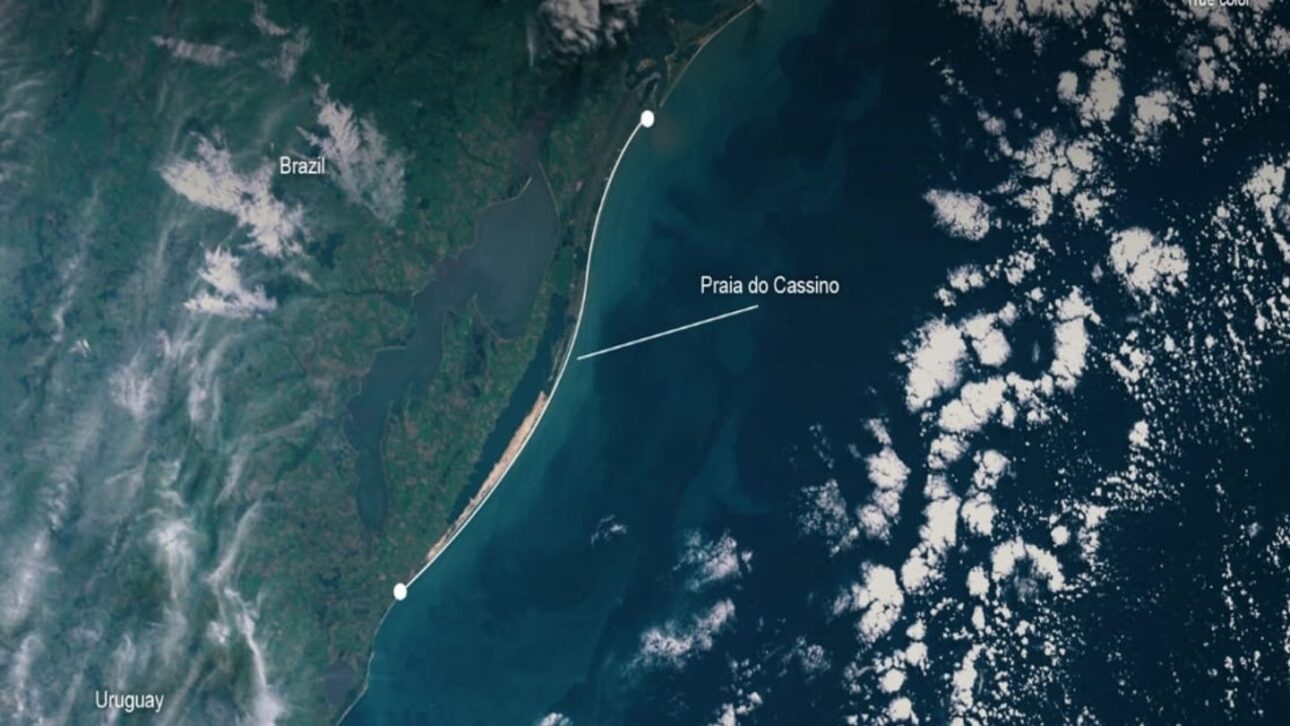
Cassino Beach, located in the municipality of Rio Grande, in Rio Grande do Sul, holds the title of largest beach in the world, with an impressive stretch of 254 kilometers of continuous sand.
Officially recognized by the Guinness World Records in 1994, this coastal stretch surpasses renowned beaches in Australia and the United States, consolidating Brazil as the home of the longest beach on the planet.
The extensive coastline connects the Cassino resort to the border with Uruguay, offering diverse landscapes, unique attractions, and an atmosphere that blends tranquility and adventure.
-
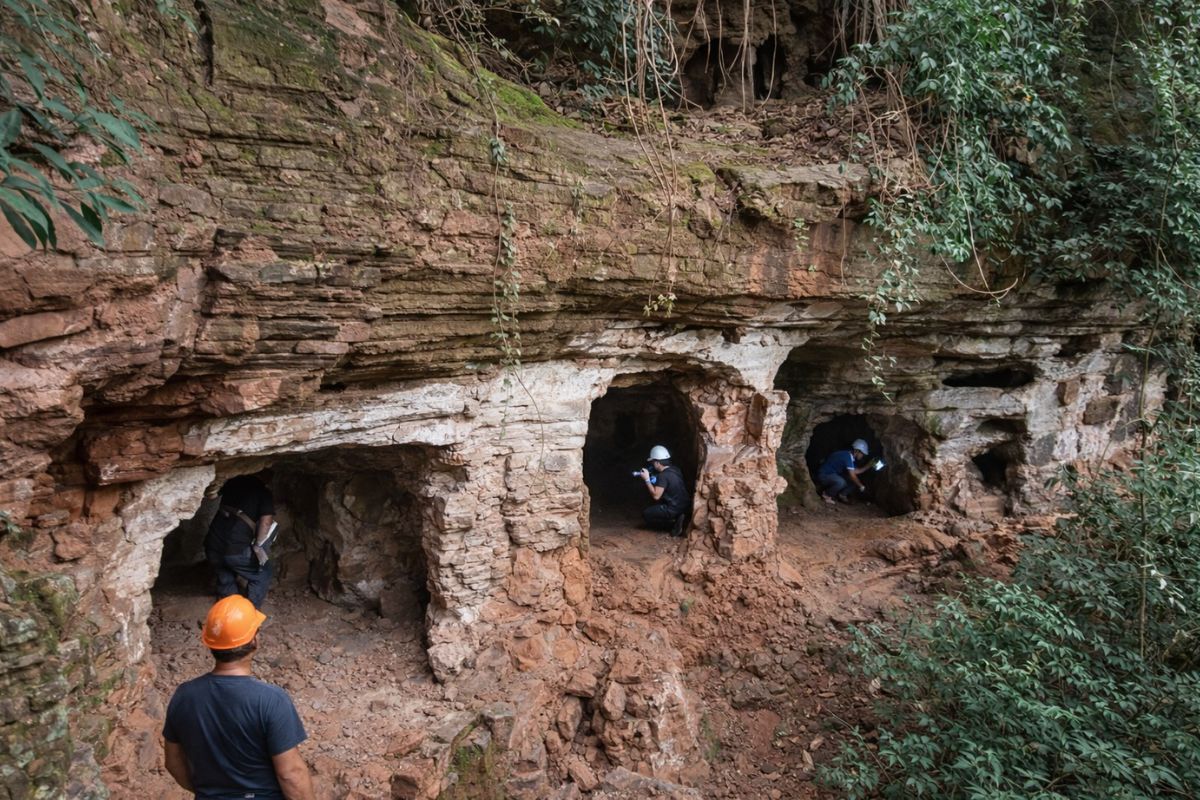
Mysterious rock formation found in the interior of Paraná does not follow any natural erosion pattern, and now specialists are investigating whether humans carved those cavities centuries ago.
-
The Brazilian Air Force has been in Sudan for a year coordinating drone operations, distributing humanitarian aid, and training military personnel from seven countries on a UN peacekeeping mission in one of the most unstable regions of the planet.

-
In Japan, there is a very common piece of furniture made with foam, fibers, cotton, and ancient artisanal techniques that transform the item into a variety of options for modern and small homes.

-
It’s not São Paulo or Rio de Janeiro, but a state in the South completely dominated the happiness ranking of Brazil with three cities in the top positions and excellent scores above 8.9.
Diversity of Scenarios Along the 254 km
Along the 254 km of Cassino Beach, visitors find scenery that transforms according to the region.
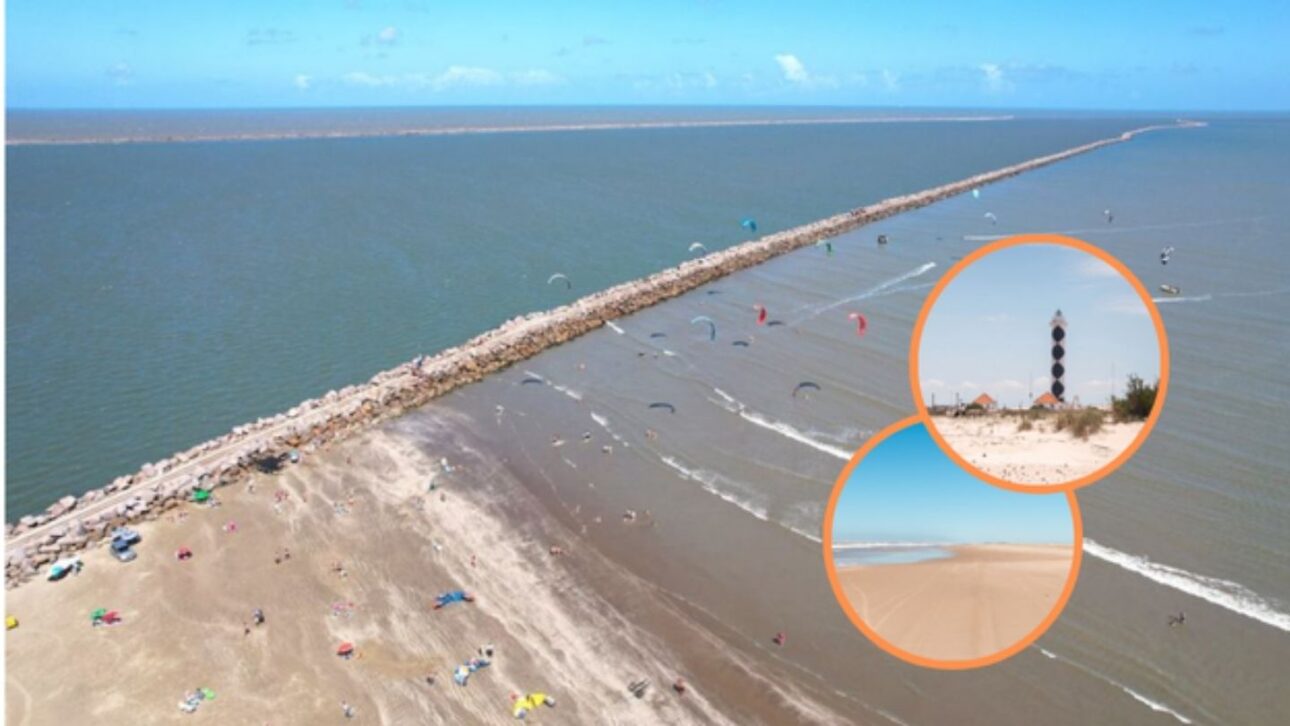
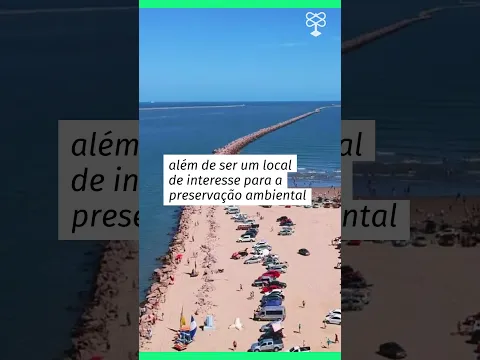
At the Molhes da Barra, one of the most frequented areas, it is possible to observe traditional sailing carts — a mode of transport that has become a local symbol and piques the curiosity of tourists of all ages.
The structure of the jetties, composed of large stone blocks that extend into the ocean, is also sought out by fishermen and nature lovers, serving as one of the postcards of southern Brazil.
Another highlight is the Altair ship, whose rusted hull has remained stranded since 1976, serving as a historical record and photographic attraction.
This landmark, visible along the promenade, evokes reflections on the power of the open sea and comprises one of many elements that make Cassino Beach a place full of stories.
At certain times of the year, the beach also reveals its potential for water sports like kitesurfing, driven by the strong winds characteristic of the region.
Wild Landscapes and Low Urbanization
Despite holding the title of largest in the world, Cassino Beach maintains a profile of low urbanization over almost its entire length.
With preserved areas, it is common to see dunes, restinga, and stretches of deserted sand, where nature prevails and constructions give way to the typical fauna and flora of the southern coast of Brazil.
In some sectors, especially near the Taim Reserve, dolphins and sea lions can be spotted by those traversing the route in 4×4 vehicles — a frequent recommendation for those wishing to explore the beach from end to end, due to the terrain conditions.
Ecological Importance and Bird Watching
The presence of migratory birds along Cassino Beach draws the attention of researchers and bird watchers from all over the world.
The location is considered an important ecological corridor, housing rare species and contributing to the preservation of coastal biome biodiversity.
According to the Chico Mendes Institute for Biodiversity Conservation (ICMBio), the region plays a fundamental role in the migratory route of birds coming from different continents, establishing itself as an area of international interest for environmental research.
Tourism, Infrastructure, and Tips for Visitors to Cassino Beach
During the summer, Cassino Beach experiences a significant influx of tourists, especially families and groups of young people seeking leisure and contact with nature.
The tranquil atmosphere attracts visitors from various regions of Brazil as well as abroad, interested in experiencing the extensive coastline, engaging in sports, fishing or simply walking for kilometers without encountering large crowds.
Infrastructure is more concentrated in the Cassino resort, where restaurants, hotels, and services can be found, while other stretches preserve a wild and little-explored environment.
For those who venture to explore the entire length of Cassino Beach, experts recommend extra care with the signage of protected areas and attention to weather conditions.
Strong winds and sudden weather changes are characteristic of the southern coastline, which can impact the outing, especially for those opting to travel long distances.
The use of appropriate vehicles, such as 4×4, is advised to avoid setbacks and ensure safety during the journey.
Impact of International Recognition
The recognition of Cassino Beach by the Guinness World Records had a significant impact on local tourism.
Since its inclusion in the record book, the municipality of Rio Grande has begun to receive investments in infrastructure and promotion, stimulating the development of tourism activities and increasing interest in the destination.
The title of largest beach in the world also brought international visibility, attracting visitors interested in closely experiencing this Brazilian natural uniqueness.

Environmental Conservation and Future Challenges of Cassino Beach
In addition to its tourist appeal, Cassino Beach plays a significant role in environmental conservation of the southern coastline of Rio Grande do Sul.
The existence of protected areas and control over human occupation contribute to the maintenance of ecosystems, ensuring that the beach continues to serve as a refuge for threatened species and maintaining its natural characteristics intact.
Even with the increase in tourist flow, the challenge of reconciling development with environmental preservation remains present.
Supervisory bodies and environmental organizations emphasize the importance of respecting visitation rules, avoiding access to sensitive areas, and promoting sustainable practices.
The balance between tourism and conservation is seen as the way to ensure that future generations can enjoy the 254 km of sand, biodiversity, and unique landscapes that characterize the largest beach in the world.
Why do you think that, despite being the largest beach on the planet, Cassino Beach still remains unknown to many Brazilians and foreigners?






-

-

3 pessoas reagiram a isso.