






 Portuguese
  Spanish


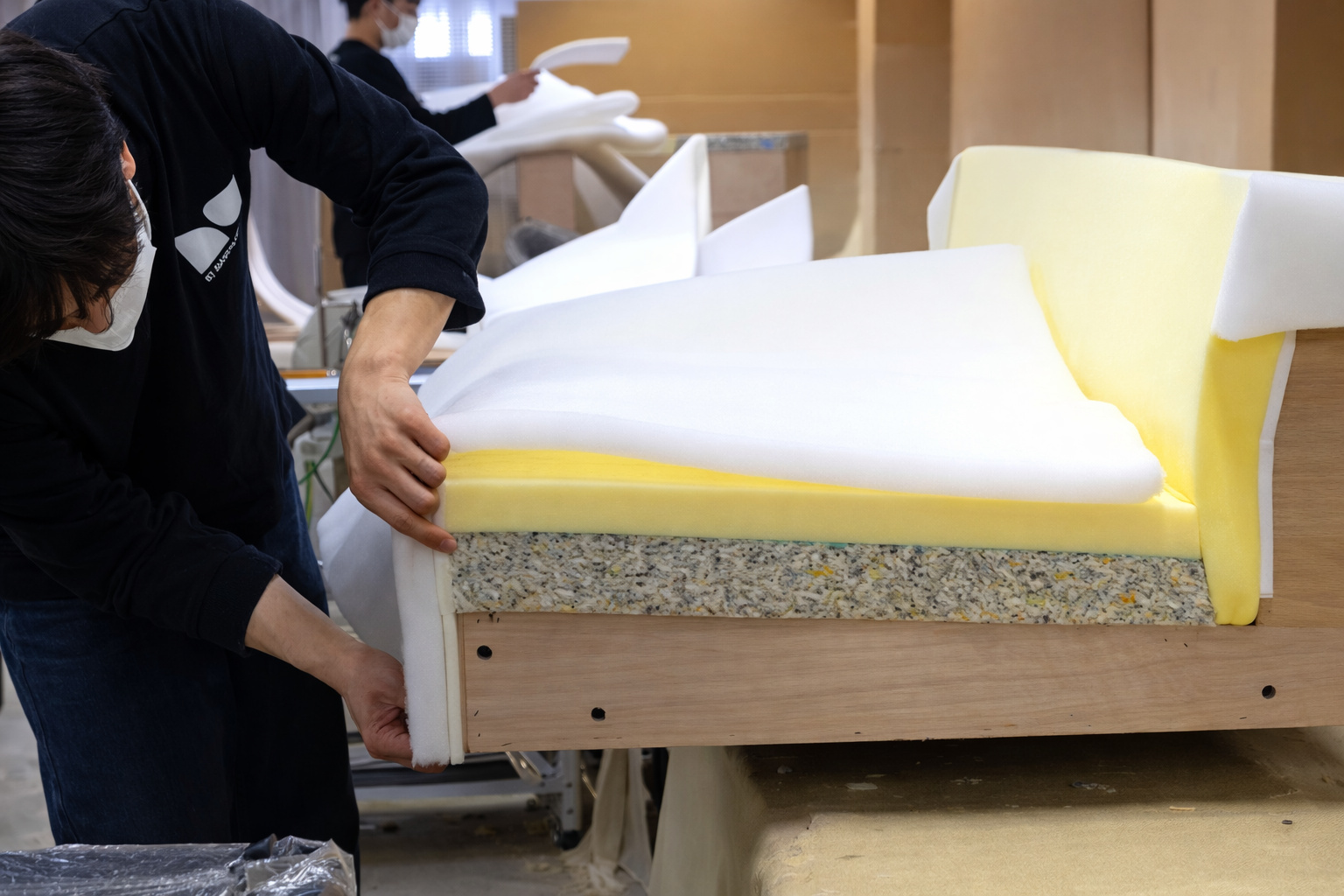

Sofas and futons combine minimalist design, foam, cotton, fibers, and ancient artisanal techniques that produce thermal comfort and practical versatility for modern and small homes in Japan
The Japanese sofa has gained popularity by uniting artisanal tradition, comfort, and practicality in daily life. Inspired by Eastern style, this type of furniture stands out for its ability to easily transform into a bed or chaise without relying on complex mechanisms.
In addition to the clean look, the main attraction lies in the use of natural materials and manual techniques, which ensure durability and orthopedic comfort. This model is well-suited for those seeking smart solutions for smaller spaces.


The tradition of Japanese futons values comfort and natural materials
The production of the Japanese futon follows an artisanal process that spans generations. The filling is made with naturally beaten cotton, forming layers that ensure firmness and comfort for the body.
-
Seen from space, an astronaut captures in Canada a geometric carpet of crops drawn over the backdrop of a ghost lake that disappeared 12,000 years ago, was once larger than all the Great Lakes combined, and left a scar of fertile mud that still sustains agriculture.

-
Billionaire says the most valuable skill will help overcome job elimination caused by AI, following Bill Gates’ fears

-
A Dutchman created a ‘box’ that makes trees grow in the desert almost without water and without irrigation: the invention has already brought seedlings to dozens of countries and achieves up to 90% survival where common planting did not exceed 10%.

-
Abandoned warehouse hid a giant collection of rare computers, with over 2,000 artifacts from the 1930s to the 1980s.




This method prioritizes breathable materials, helping with thermal control during use. The result is a piece of furniture that can be used for both resting and sleeping, maintaining a healthier posture.
The use of solid wood structures, such as pine with a honey finish, reinforces durability. Waterproof fabrics also appear in some models, increasing everyday durability.
Japanese artisanal techniques elevate the level of sofa design
The attention to detail is one of the most striking points of this type of furniture. Traditional techniques such as yosegi zaiku, a form of Japanese marquetry, are applied to more sophisticated pieces.
This technique originated during the Edo period and involves the precise cutting of wood into geometric patterns. The pieces are joined without the use of paints, only with natural varnish, which highlights the textures of the wood.
The Cultural Affairs Agency of the Japan, a government agency for cultural preservation, recognized this type of artisanal work as traditional heritage in 1984. This reinforces the historical and artistic value present in furniture inspired by this style.
Japanese futon sofa supports up to 350 kg and adapts to different uses
The Japanese futon sofa also draws attention for its strength. Some models can support up to 350 kg, which expands its utility for different usage profiles.
The average dimensions, such as about 1.67 m in width and 44 cm in height, make the furniture ideal for compact spaces. It can easily adapt as a sofa, bed, or chaise without requiring effort in assembly.
This type of solution is increasingly sought after in smaller homes, where every space needs to be well utilized.
Combination of foam and fibers ensures thermal comfort and ergonomics
The filling of the modern futon usually mixes D28 foam, siliconized fiber, and cotton, creating a balance between softness and firmness. This helps keep the body aligned during prolonged use.
This composition also favors thermal comfort, preventing excess heat. The result is a functional piece of furniture that serves both for resting and as a bed.
The Cultural Affairs Agency of Japan, a government agency for cultural preservation, reinforces the importance of these traditional techniques in creating pieces that unite aesthetics and functionality.
Simple assembly and minimalist style drive the popularity of the Japanese sofa
Another point that contributes to the success of the Japanese futon sofa is the ease of use. Assembly is usually simple and practical, which increases the interest of those seeking quick solutions for the home.
The minimalist design, with clean lines and few elements, fits various decoration styles. This makes the furniture a versatile choice for different environments.
Videos showing the transformation of the sofa into a bed help increase its popularity, especially among those who value practicality and functionality.
Japanese futon sofa unites tradition and practicality for modern daily life
The Japanese futon sofa represents an efficient combination of artisanal tradition and current needs. It delivers comfort, durability, and versatility in a single piece of furniture.
With ancient techniques and well-chosen materials, this type of sofa becomes an intelligent option for those looking to optimize spaces without sacrificing well-being.
Did you like this solution for your home? Leave your comment or share this content with someone who is also looking for practicality and comfort in daily life.





