





 Portuguese
  English
  Spanish
  4 min of reading
  2 comments


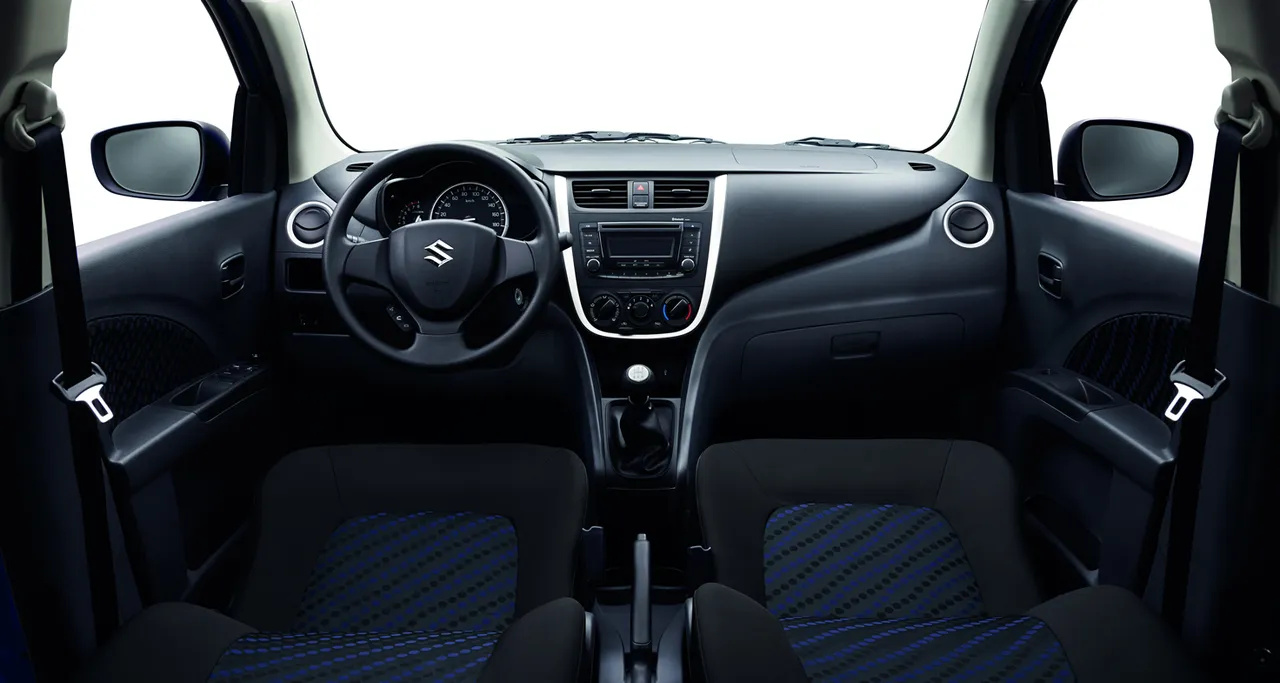


Japanese Compact Costs the Same as a 160 Motorcycle, Does More Than 20 km/l in International Tests and Surprises with Space. See Why the Suzuki Celerio Became a Find.
The Brazilian market has always had a curious relationship with compact Japanese cars: extremely economical, reliable models made to last, but often overlooked. And few represent this as well as the Suzuki Celerio, an urban hatch that has gone practically unnoticed in Brazil, but in several countries, is considered one of the most efficient cars ever sold by the brand.
Now, with prices reaching the level of a 160cc zero km motorcycle, the Celerio is once again catching the attention of those looking for a cheap, economical, and practically indestructible vehicle for daily use.
It just takes a closer look to realize that this little Japanese car delivers more than it seems.
-
The car stored for 38 years: when opening the barn door, what appears is breathtaking and looks like a scene from a movie!

-
Fiat works miracles in the Brazilian market, lowers the price of its 0 km hatch to R$ 69,990, reestablishes the model as the cheapest car in the country, and reignites the battle against Kwid and C3.
-
Chevette with cooking gas: How the gas cylinder ends up being used in cars clandestinely and why this makeshift solution can result in leaks, explosions, damaged engines, and seized vehicles.

-
Fiat launches the new 2027 Toro hybrid with 48V, 176 hp, an electric motor of 15.5 hp, a 0.85 kWh battery, up to 7% fuel savings, 8% fewer emissions, and possible exemption from IPVA.


Efficient 1.0 Engine and Consumption Over 20 km/l in International Tests
The Suzuki Celerio uses a 1.0-liter, three-cylinder engine, available in versions such as the well-known K10B and, in more recent markets, the 1.0 Dualjet. The aim has always been clear: extremely low consumption, simple maintenance, and high reliability, a trademark of Suzuki.
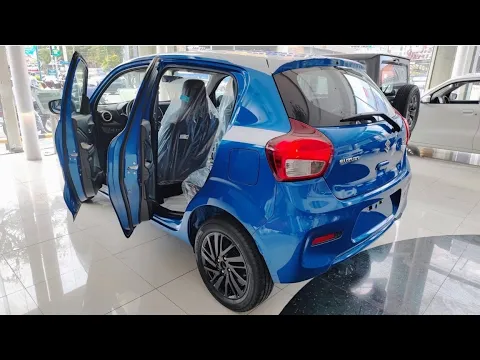

Official tests and measurements in markets in Asia and Europe record impressive numbers:
- Up to 23.8 km/l (1.0 Dualjet manual version, European combined cycle)
- Between 19 and 22 km/l in moderate real-world use
- Very low CO₂ emissions
Even though these are international data, they show the project’s focus: a car that extracts the maximum efficiency from every drop of fuel.
In Brazil, where the traditional 1.0 version was sold in very small numbers, the real figures vary according to the state of preservation, but the reputation remains: one of the most efficient compacts ever brought to the country.
Compact Outside, Surprising Inside
The Celerio is smaller than many popular hatches, but its Japanese architecture prioritizes internal space. The use of space is so efficient that many taller drivers report a feeling of “driving a bigger car cab.”
Highlights include:
- Good interior height, avoiding the feeling of claustrophobia
- Excellent ergonomics for the driver, with a light steering wheel and good visibility
- More spacious rear seats than other compacts in the category
- Trunk space sufficient for urban use and small trips
It is a car designed for those who spend hours in traffic, park in tight spots, and need economy without sacrificing basic comfort.
Current Price: The Celerio Costs the Same as a 160 Motorcycle
This is the point that has recently attracted attention.
Used Suzuki Celerio models, due to their low presence in the market and general lack of knowledge, appear in sales lists between:
- R$ 12 thousand and R$ 18 thousand, depending on the condition
- Values very close to 160cc zero km motorcycles, like Titan or Bros

This behavior occurs because the model never became a “trend,” and few people really know what it is capable of delivering. For those seeking real value, this means opportunity.
Simple and Affordable Maintenance: Another Strong Point
Despite being an imported Japanese car, the Celerio has a simple and robust mechanics. Its 1.0 engine uses widely known components in the market and compatible with various global Suzuki lines.
The car is praised for:
- Low incidence of chronic problems
- Extremely low consumption
- Cheap preventive maintenance
- Above-average durability
Specialized Suzuki workshops usually classify it as “easy to maintain” — and much less expensive than most people imagine.
Why is the Celerio So Rare in Brazil?
The answer involves commercial strategy. In Brazil, Suzuki has always prioritized SUVs (Vitara, S-Cross, Jimny). The Celerio, although praised outside the country, never received strong investment to compete with Gol, Palio, Celta, and other national compacts.
As a result:
- Few units were imported
- Almost no one knows the model
- It did not get on the radar of the general public
But this creates an inverse effect today: those who find one in good condition have one of the best cost-benefit options in the cheap used car market.
Who Should Consider Buying a Suzuki Celerio?
The model makes sense mainly for those who need:
- A truly cheap car, in the range of R$ 12–18 thousand
- Above-average economy
- Reliable mechanics
- A second car for urban use
- A first car that is light and practical for a young driver
For those looking for performance, large spaces, or sophisticated technology, it is not the ideal choice. But for those who prioritize economy and reliability, it is hard to find something so rational in this price range.
Current Situation in the Used Car Market
Few units appear for sale and when they do, they disappear quickly among those who know the model’s reputation. It is a car that does not attract visual attention, but wins over with the complete package.
And, considering that compact hatches have become expensive even in the used car market, the Celerio has become a “hidden find” that only the most attentive discover.








mas esse valor sugerido pela reportagem não condiz de forma alguma com a realidade brasileira esse valor não vai pagar nem os impostos cobrados no Brasil, a não ser que a reportagem esteja fazendo uma comparação do de valor que ele é vendido no Japão por exemplo que é o país de origem da Suzuki, porque aqui no Brasil meus amigos esse carrinho não sairá por menos de 95 mil reais
Perfeito o seu comentário. No Uruguay onde ele é muito vendido, sai por 16.990 dolares.