





 Portuguese
  English
  Spanish
  4 min of reading
  0 comments


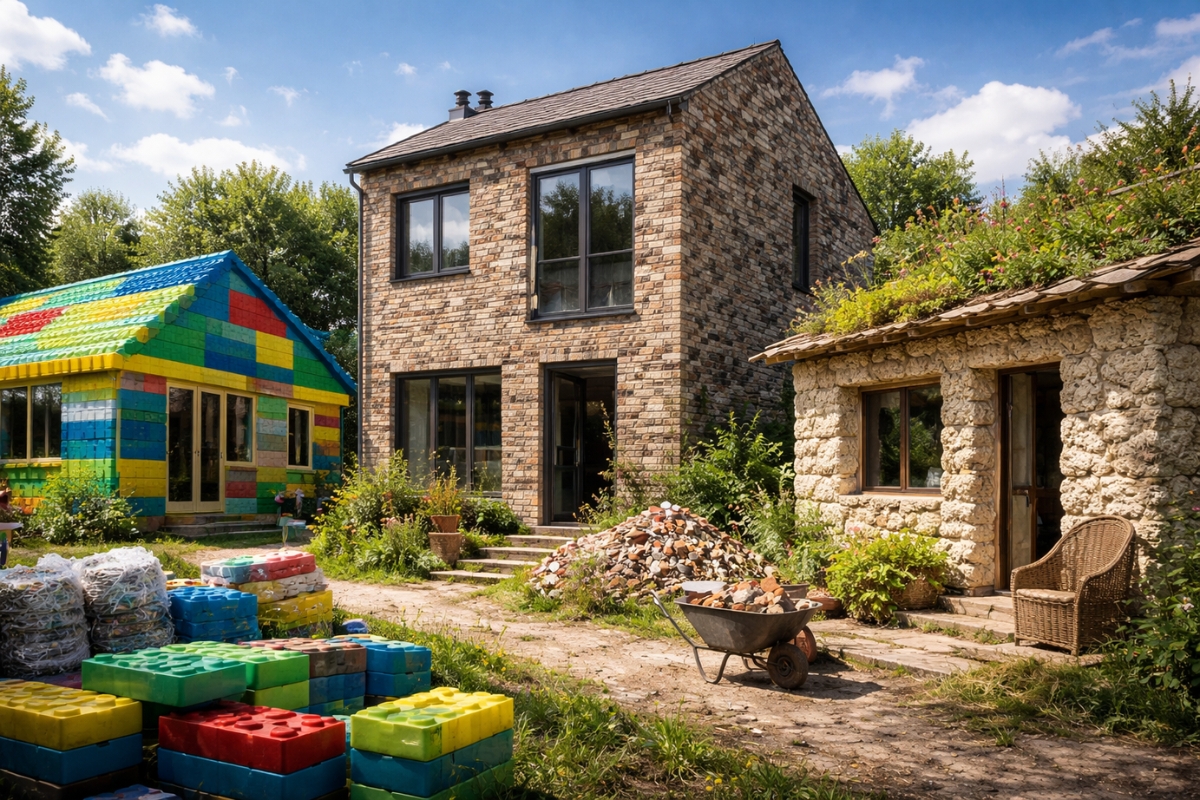
From Discarded Plastic Transformed into Habitable Structures in Colombia to Compacted Debris in Rotterdam, From Mycelium Bricks Displayed at MoMA PS1 to the Paper House Built During the Great Depression, Examples Around the World Indicate That the Future of Architecture May Arise from What Was Once Discarded
The construction industry generates mountains of waste in the United States — and a massive part of that comes solely from demolitions. It’s the kind of number that is frightening because it shows how much we still throw away without a second thought.
Construction can turn into waste in the blink of an eye, and concrete, especially, consumes too many resources. But the good news is that awareness about sustainability is growing, and architects and engineers are racing to find smarter alternatives.
The result? Creative, practical, and much more accessible ideas. Materials that were once “trash” are becoming bricks, walls, insulation, and even entire houses. And yes: it works — and it can last.
-
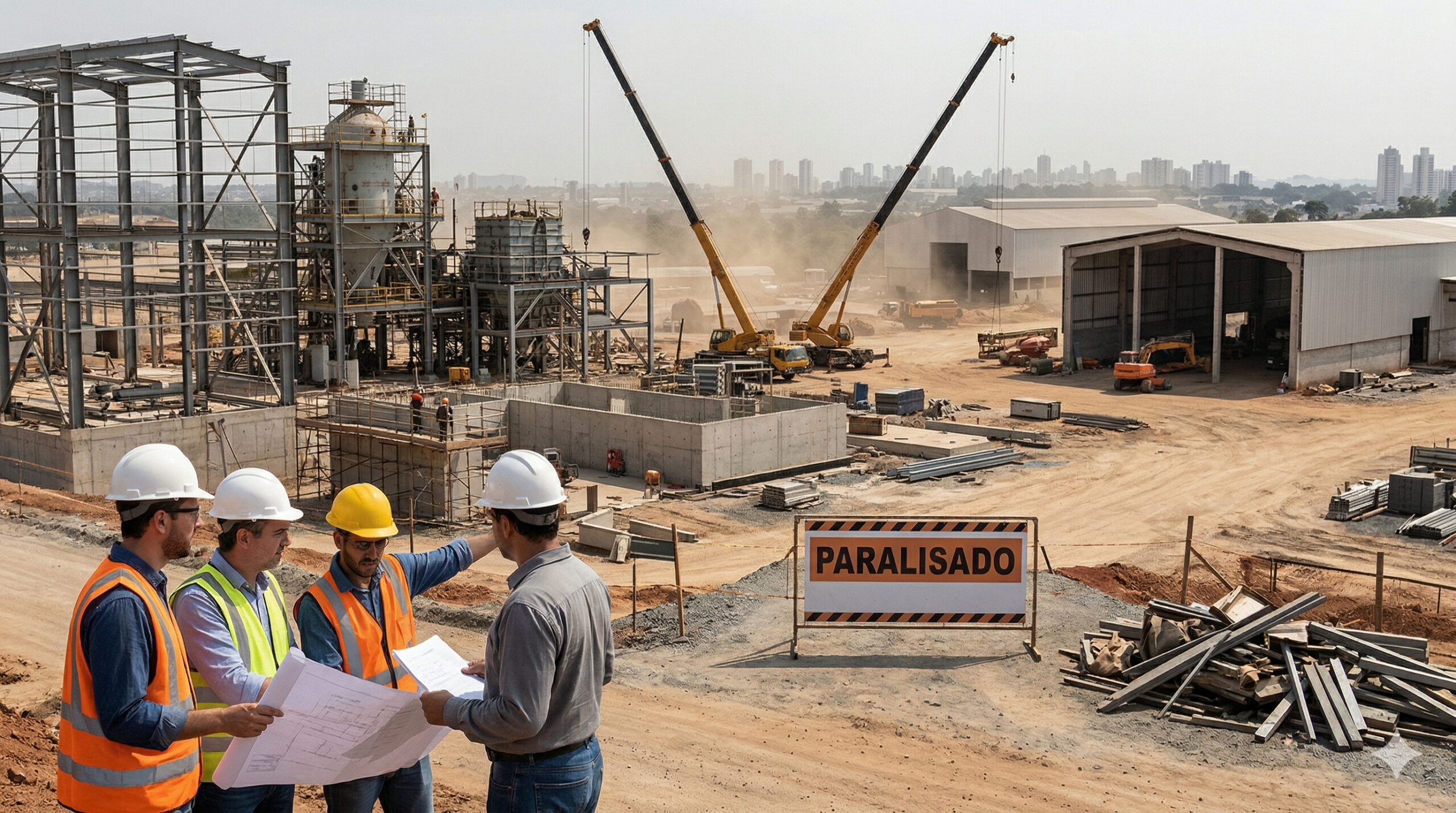
The lack of welders, electricians, and operators becomes a structural threat in 2025, with the construction industry and manufacturing already suffering from delays, cost pressures, and labor shortages in Brazil.
-
Brazil and Paraguay are just 46 meters away from a historic union on the bioceanic bridge that promises to revolutionize trade between the Atlantic and the Pacific.

-
With 55 km over the sea, a cost of US$ 20 billion, and enough steel to build 60 Eiffel Towers, China’s largest project has connected Hong Kong, Zhuhai, and Macau in a colossal bridge that defies the logic of engineering.

-
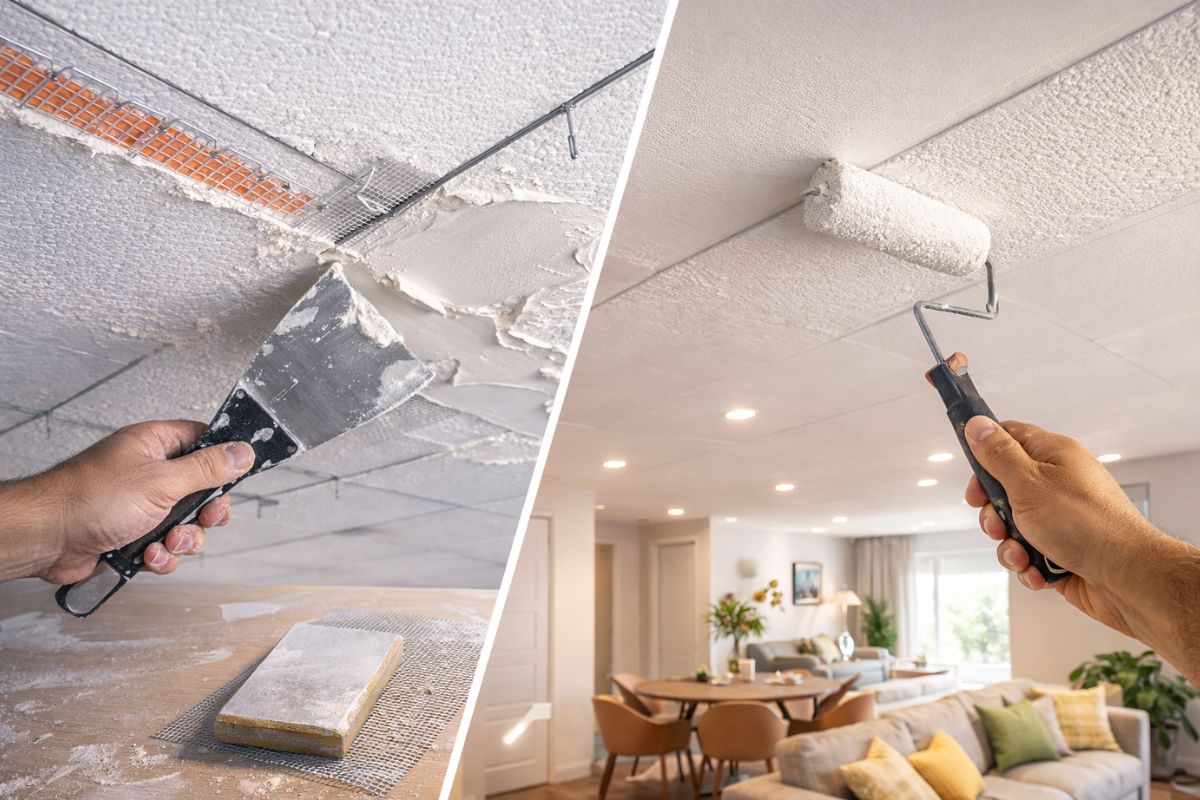
A trick with joint compound transforms a Styrofoam ceiling into a plaster-like ceiling: leveled panels, wires and mesh at the joints, sand, paint, and change the environment while spending little today.

Plastic That Becomes Bricks: LEGO-Type Houses
The impact of disposable plastic on the environment is enormous. Just reducing consumption doesn’t solve everything, because there is still an absurd amount of plastic already circulating, with no destination.
The Colombian company Conceptos Plásticos decided to tackle this problem head-on. They transform plastic and rubber waste into blocks that resemble LEGO pieces, fitting together easily and quickly.
These blocks allow for the construction of cheap, resilient, and easy-to-assemble houses. And the project also considers the details: the cavities of the “bricks” help organize the passage of electrical wiring within the structure.
Debris That Looks Like a “Normal” House (and No One Notices)

Demolition is a factory of debris: ceramics, glass, clay, brick… all mixed together and difficult to repurpose. Therefore, finding new uses for these leftovers has become a priority.
In the Netherlands, the studio Architectuur Maken, from Rotterdam, drew attention for using “compromised” materials — construction waste — to create uncompromising architecture that is beautiful and functional.
In 2016, they built a house using 15 tons of compacted waste formed into bricks for the facade. The most curious thing? The aesthetic was designed to blend with the surrounding buildings — and today almost no one distinguishes it from traditional brick.
Mushroom Bricks: Biodegradable, But Purposeful
It may sound contradictory: building with something biodegradable seems to invite the house to “rot.” But the idea here is different: to create materials that last long enough and, at the end of their life cycle, return to nature without becoming a problem.
Mycologists and researchers have been cultivating bricks from organic waste, using mycelium (the “network” of the fungus) as a base. The material grows in molds until it reaches the desired shape.
In 2014, architect David Benjamin constructed a 12-meter structure at MoMA PS1 in New York, using mushroom bricks made from corn husks and mycelium. And there are already real applications, like Mushroom® insulation, from Ecovative, used in small houses to maintain thermal comfort.
Newspaper Paper That Lasts for Decades

Not every house made from “waste” needs to be cutting-edge technology. Sometimes, the strongest example is precisely what has proven its worth over time.
During the Great Depression, Elis Stenman, from Rockport (Massachusetts), built the so-called Paper House, using compressed paper instead of common materials like drywall and insulation.
To withstand the weather, layers of varnish served as waterproofing. And the simple fact is: the house has stood for nearly 100 years, demonstrating how durable and versatile repurposed materials can be.
Offices and Work with Less Waste
It’s rare to find an entire office made of waste, but many companies already incorporate repurposing into parts of their construction. This reduces the reliance on resource-heavy materials, like concrete, and reinforces environmental commitments in a practical way.
The platform Etsy built its headquarters in Brooklyn (New York) in 2017, using invasive, reclaimed, reused, or responsibly managed wood. And part of the furniture was also recycled or made with more sustainable materials.
Elsewhere, shipping containers have become stylish studios. And in Taiwan, even old gas cylinders can be turned into table legs and planters. In work, as in architecture, imagination truly is the limit.









-

-

-

-

4 pessoas reagiram a isso.