





 Portuguese
  English
  Spanish
 3 min of reading
  0 comments


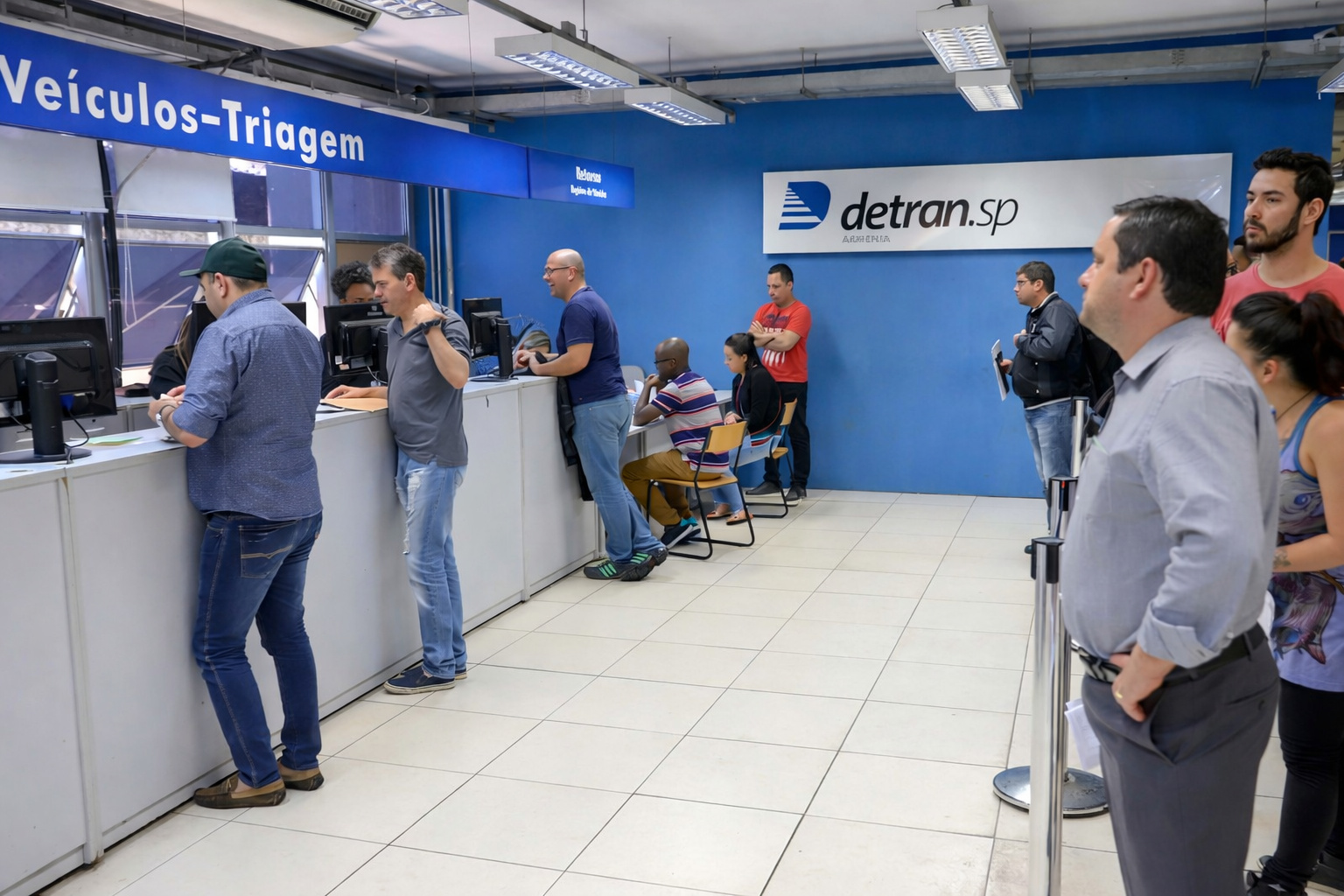
Court Ruling Confirms São Paulo Court Decision Explains How Charges Worked Between 2020 and 2023, Points Out Illegality and Shows Why the Conflict Over Mercosur Plates Continues in Court
A judicial decision of great financial and administrative impact was recently confirmed by the São Paulo Court of Justice, bringing direct repercussions for Detran-SP, companies in the sector, and consumers. The TJ-SP upheld the condemnation of the Government of the State of São Paulo to pay R$ 261.8 million, amount referring to charges considered illegal in the process of vehicle registration with Mercosur standard plates.
This charge occurred between 2020 and 2023, a period during which the Mercosur plate model was implemented in São Paulo. Even after the transfer of the manufacturing and installation of the plates to accredited private companies, Detran-SP instituted a “public price” to release the necessary data for plate production, effectively maintaining an indirect state revenue collection method.
How the Charges Worked in Practice
The implementation of Mercosur plates, which began in 2020, replaced the old physical seals with identification QR Codes. As a result, the printing, which involves production and installation, became a private service. Accredited companies began to perform this activity.
-
The noise law will no longer be in effect at 10 PM starting in June with a new rule valid during the 2026 World Cup.

-
The Chamber opens a debate on driver’s licenses at 16 years old as part of a reform that includes around 270 proposals to change the Brazilian Traffic Code and may redesign rules for licensing, enforcement, and circulation in the country.

-
The new Civil Code could revolutionize marriages in Brazil with “express divorce” and changes that could exclude spouses from inheritance.

-
Banco do Brasil sues famous influencer for million-dollar debt and intensifies debate on delinquency, risks of seizure, and direct impact on Gkay’s credibility.


Nonetheless, Detran-SP started charging companies a fee to authorize access to system information. Consequently, this additional cost was passed on to the final consumer. The passing on of this cost raised the price paid for registration.
According to the São Paulo Court of Justice, this practice violated the principle of legality. The public agency could not charge for a commercial and private service. The understanding separates this service from the official vehicle registration, which remains a state responsibility.
Lack of Specific Law Weighed in the Decision
Another central point of the ruling involves the absence of a legal basis. As highlighted by TJ-SP, the creation or modification of public fees requires specific legislation. This requirement was not met between 2020 and 2023.
Thus, the court concluded that the charge could not be equated with a legitimate fee. The service involved had a private nature and did not correspond to a typical state administrative act.
Who Will Be Entitled to Refunds
In this scenario, the condemnation resulted from a class action filed by the Association of Vehicle License Plate Manufacturers of the State of São Paulo (Aeposp). Therefore, the refund of R$ 261.8 million will occur through precatory. Thus, the public authorities will use this mechanism to settle the judicial debt.
In this way, the associated companies that paid the undue charge during the analyzed period will receive the amounts. On the other hand, final consumers and companies not linked to the association face a different situation.
According to Detran-SP itself, those who wish to recover improperly paid amounts must file individual lawsuits. In this case, the interested party will need to provide proof of payments made.
Dispute Over Mercosur Plates Still Continues
Following the decision, Detran-SP began charging the registration fee directly from owners. Nevertheless, this new charge has begun to face challenges in court.
Thus, the conflicts involving Mercosur registration remain unresolved. Meanwhile, the debate that began in 2020 continues to produce significant legal, administrative, and financial effects in the State of São Paulo.









-

-

2 pessoas reagiram a isso.