





 Portuguese
  English
  Spanish
 5 min of reading
  0 comments


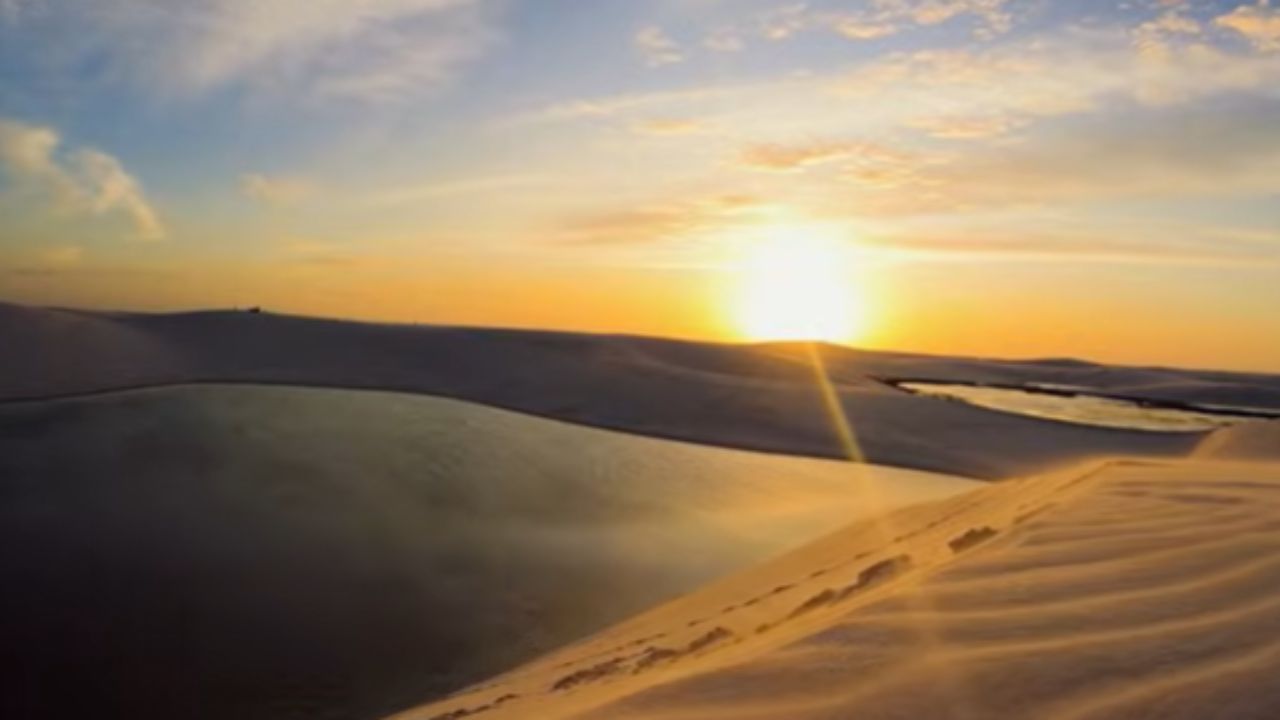
This Unique Natural Phenomenon, Located in Maranhão, Combines the Appearance of a Desert with Thousands of Freshwater Lagoons That Form Annually, Creating a Landscape in Constant Transformation.
In the heart of northeastern Brazil, a paradoxical landscape challenges conventional geographical definitions. The Lençóis Maranhenses National Park, known as the Brazilian “desert”, is a vast expanse of 155,000 hectares of white sand that, instead of aridity, hosts a spectacle of life and water. The desert-like appearance is, in fact, a complex system of dunes interspersed with clear freshwater lagoons, formed by an annual rainfall cycle.
This unique ecosystem is not technically a desert, as it records a significant volume of rainfall. According to the Geological Service of Brazil (SGB), the impermeable rock base beneath the sand prevents rainwater drainage, giving rise to an immense aquifer that emerges in the valleys between the dunes. The result is a scene of unparalleled beauty, recently recognized as a UNESCO World Natural Heritage Site, which reinforces its global significance and the urgency of its preservation.
The Geological Architecture: How a False Desert is Born?
The formation of Lençóis Maranhenses is a continuous process that has been occurring for thousands of years, dependent on a precise confluence of natural factors. The foundation for this landscape, as detailed by studies from the Geological Service of Brazil (SGB), begins with the Parnaíba and Preguiças rivers, which transport sediments from the interior of the continent to the Atlantic Ocean. These sediments, rich in quartz grains, are deposited on the coast and then carried inland by strong, constant winds, forming the largest dune field in South America.
-
With just joint compound, white glue, and pigment, you can make a homemade paint that yields double the conventional amount, saves up to 70%, and leaves the wall with a finish that no one would believe wasn’t store-bought paint.

-
Home environment can influence the brain, mood, and well-being: studies indicate an increase of up to 15% in productivity, a reduction of 12% in stress with plants, and a direct impact of the circadian rhythm on the 24 hours of the day.

-
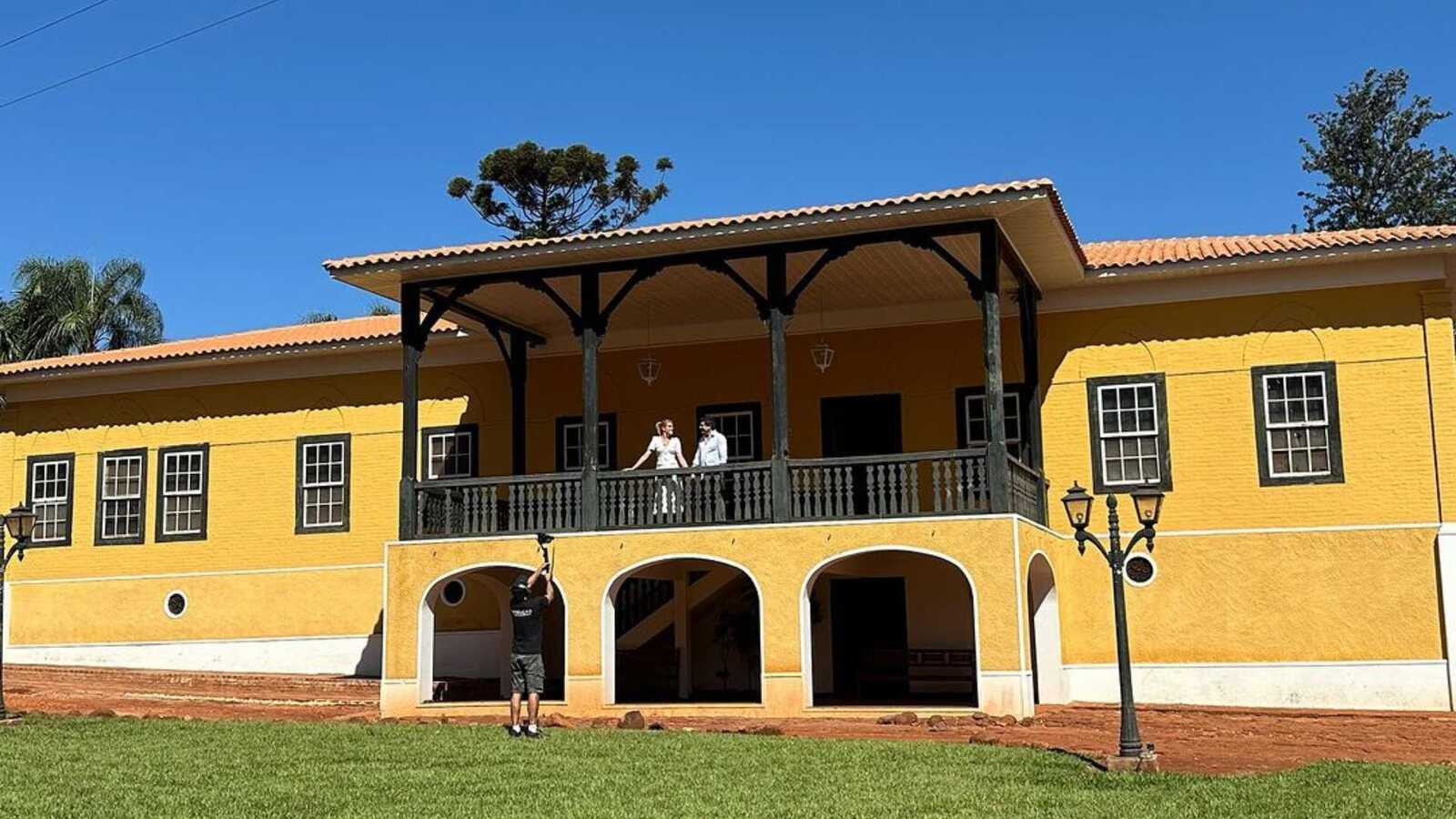
A Brazilian millionaire couple restores a farm over 150 years old in the interior of São Paulo and transforms the historic property with Portuguese tiles, antique furniture, and new spaces into a refuge that blends tradition, comfort, and sophistication.
-
Submerged city in a lake in Minas reveals intact streets, preserved vehicles, and houses after more than 60 years, impressing divers.


The dunes, which can reach up to 40 meters in height, are in a state of perpetual movement, a phenomenon that locals call the “dance of the dunes”. The crucial element that allows for the formation of the lagoons is the layer of impermeable sedimentary rocks that exists beneath the entire stretch of sand. This rocky base, as pointed out by the SGB, prevents rainwater from infiltrating deeply, creating the perfect conditions for the emergence of the vast aquifer that feeds the seasonal lagoons and names the park.
Surprising Biodiversity: The Life That Resists the Dry Cycle


Despite the seasonal nature of its lagoons, which dry up almost completely for part of the year, the park is home to a resilient and surprising biodiversity. The question of how aquatic life survives in such an unstable environment is one of the most fascinating aspects of Lençóis Maranhenses. The answer lies in the incredible adaptability of its species, which have developed unique strategies to endure the months of drought.
An academic research study from the Federal University of Maranhão (UFMA), titled “Diversity of Freshwater Fish in Lençóis Maranhenses National Park”, revealed impressive data about the local ichthyofauna. The study cataloged 46 species of freshwater fish, including endemic species that are found nowhere else on the planet. One of the main hypotheses for their survival is the production of “resistant eggs”, which remain dormant in the damp sand during the dry season and quickly hatch with the return of the rains, repopulating the lagoons annually.
The Challenges of Preservation: Tourism and Sustainability
The growing national and international recognition of Lençóis Maranhenses has brought with it a significant increase in tourist traffic, generating both opportunities and challenges for conservation. The management of this paradoxical paradise requires a delicate balance between economic development and the protection of an extremely fragile ecosystem, a theme deeply analyzed by researchers.
An article from the University of Caxias do Sul, titled “Lençóis Maranhenses National Park: An Analysis of Sustainability Practices”, highlights the main environmental impacts resulting from unregulated tourism. Water resource contamination, soil compaction from 4×4 vehicle traffic, and pressure on both fauna and flora are some of the identified threats. The study points to the urgent need to implement carrying capacity studies to establish a limit on visitors and ensure that tourism does not compromise the integrity of the park in the long term.
Where and When to Visit: Planning the Experience
To experience the fullness of Lençóis Maranhenses, it is crucial to understand its seasonality. The best time to visit, when the lagoons are full and the weather is more stable, centers between the months of June and August. During this period, the landscape reaches its peak splendor, with white dunes contrasting with the blue and green of the lagoons. From September, the water level begins to drop, and by the end of the year, most lagoons have already disappeared.
Access to the park is primarily through three base cities: Barreirinhas, Santo Amaro do Maranhão and Atins. Barreirinhas is the main gateway, with the largest tourist infrastructure. Santo Amaro offers access to some of the most preserved and perennial lagoons, providing a more immersive experience. Atins, a fishing village, combines access to the dunes with beaches and is a popular destination for kitesurfing, especially during the windy season. The choice of location defines the type of experience, varying from structured tours to more secluded and rustic retreats.
The complexity and beauty of the “Brazilian desert” make it a unique destination in the world, but its growing popularity demands reflection on our role as visitors and guardians. How tourism is managed today will determine the future of this landscape.
Do you believe that it is possible to reconcile mass tourism with the preservation of such fragile ecosystems? What would be the way to ensure the sustainability of Lençóis Maranhenses? Leave your opinion in the comments, we want to hear from those who have already visited or dream of knowing this place.







-

-

-

7 pessoas reagiram a isso.